For more information about senior living options: (866) 208-4318
4.2 from 120 reviews
5 stars
90
4 stars
5
3 stars
2
2 stars
2
1 stars
21
Overall Review of Carmel Richmond Nursing Home
differentiator2 reviews mention this
Renovations are a visible plus
Residents mention ongoing renovations that make the facility feel better over time.
Some residents and families specifically point to the renovation work as a positive change, describing it as beautiful. A few reviews also connect that improvement to the overall experience of staying during construction, including moments where the place still felt welcoming.
common3 reviews mention this
Care communication feels timely
Families describe quick follow-through when they raise care questions.
Multiple reviews say management, nursing, or social work staff respond promptly when families call or request updates. Several families describe being kept informed about progress and receiving timely callbacks, even when they had questions during rehab or after a discharge concern.
caveat4 reviews mention this
Short staffing is a recurring concern
Some reviewers report short staffing that affected how attentively residents were cared for.
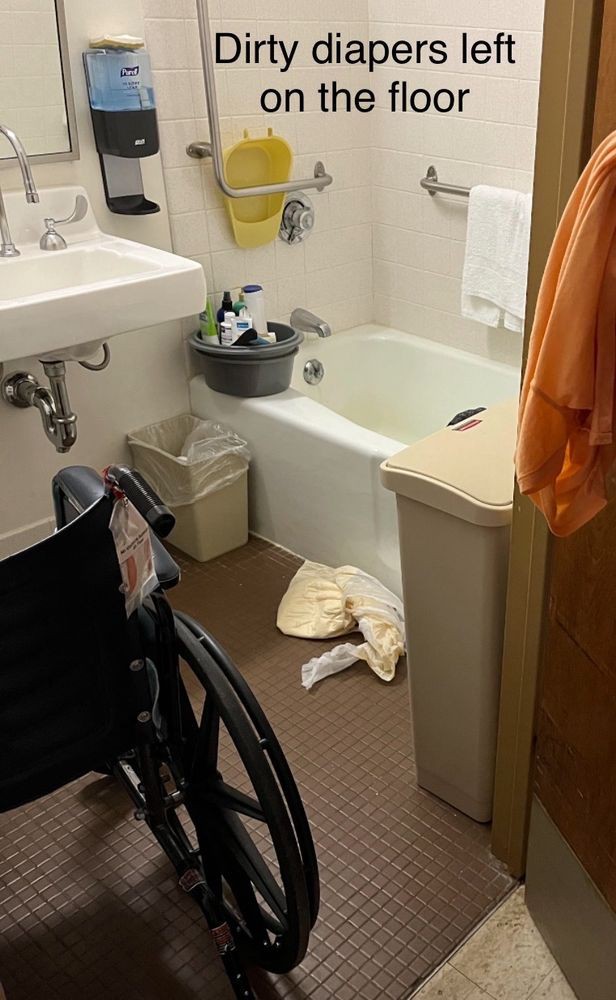
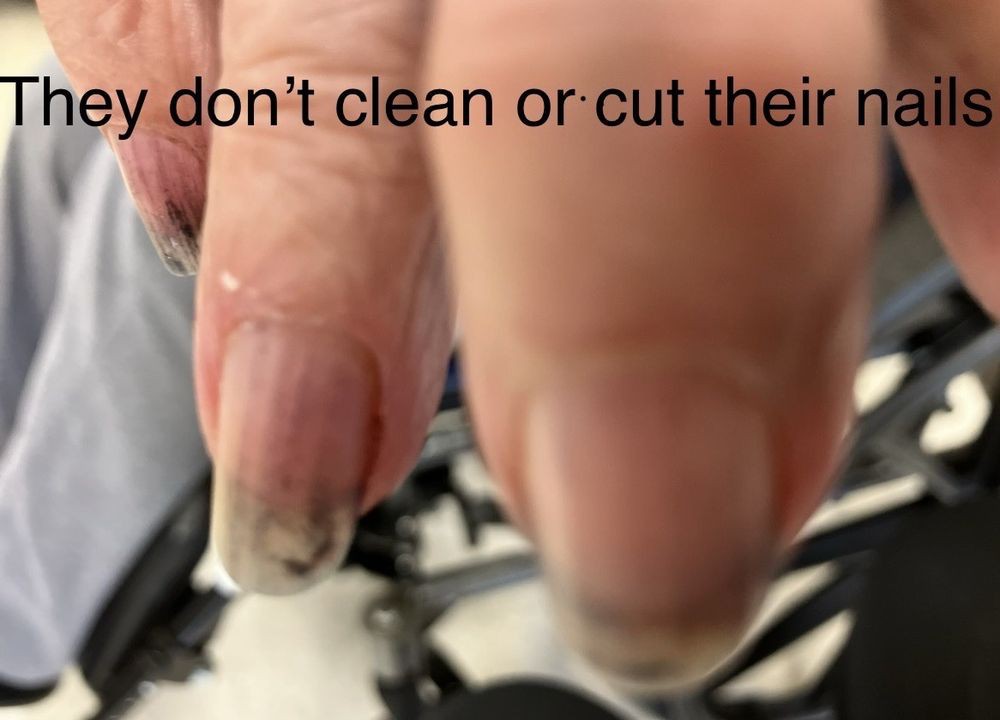
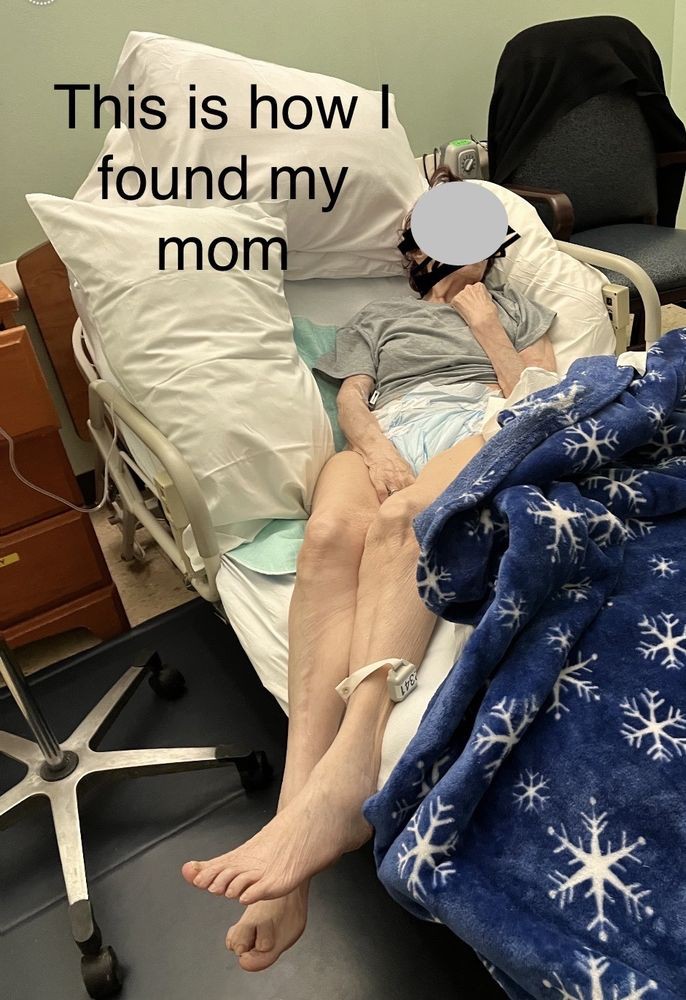
A recurring negative thread is staffing levels, with reviewers describing nurses or aides as short-handed and residents waiting for help. In the most critical accounts, families say their loved ones sat for long stretches without adequate attention and that this contributed to worsened health or safety concerns.
caveat3 reviews mention this
Food quality draws mixed feedback
Food reviews are inconsistent, with some calling it poor.
Several families rate meals as only fair or disappointing, including one account that says weight loss happened during a short stay. Other reviews mention attention to dietary preferences in day-to-day care, which helps explain why dining feedback ranges from “so so” to highly negative.
How we summarize
Counts show how many written reviews mention each theme; a review can touch several themes, and only frequently mentioned themes are displayed.
Features
Types of Care
Skilled Nursing Facility
Transportation
Newark International (8 miles away)
John F Kennedy International (17 miles away)
LaGuardia (17 miles away)
Nearby Places of Interest
This part of Staten Island, New York offers a variety of amenities and services that cater to seniors looking for a comfortable and convenient living environment. The neighborhood boasts several parks such as Clove Lakes Park and Silver Lake Park, providing opportunities for outdoor activities and relaxation. There are also numerous dining options available, ranging from casual cafes like Starbucks to more upscale restaurants like L & B Spumoni Gardens. In terms of healthcare, there are multiple pharmacies and medical facilities in close proximity, ensuring easy access to essential services. Additionally, the area is well-connected in terms of transportation with several MTA subway stations nearby, making it convenient for seniors to travel around the city. Overall, this part of Staten Island provides a vibrant and accessible community for senior living.
Parks
Clove Lakes Park (1.7 miles)
Silver Lake Park (2.3 miles)
Silver Lake Park Tennis Courts (2.3 miles)
Great Kills Park (2.4 miles)
Clove Lakes Park Playground (2.7 miles)
Sunset Park (5.7 miles)
Stephen R Gregg Bayonne Park (6 miles)
Restaurants
Precious Island Dim Sum (2 miles)
Heartland Bagels (3.9 miles)
L & B Spumoni Gardens (5.7 miles)
Coney Island Brewing Co (5.8 miles)
Nathan's Famous (5.9 miles)
""""""Nathan's Famous"""""" (6 miles)
Ruby's Bar & Grill (6 miles)
Cafes
Starbucks (2.1 miles)
Starbucks (2.5 miles)
Starbucks (4.1 miles)
Judy's (5.9 miles)
East One Coffee Roasters (7.7 miles)
Dunkin (8 miles)
Theaters
Alamo Drafthouse Staten Island (2.3 miles)
AMC DINE-IN Staten Island 11 (4.1 miles)
2198 Amc Jersey Garden (6 miles)
Pharmacies
CVS Pharmacy (2.3 miles)
Walgreens (3.8 miles)
CVS Pharmacy (4 miles)
Target Pharmacy (4.3 miles)
Rite Aid (4.4 miles)
CVS Pharmacy (4.5 miles)
Walgreens (4.7 miles)
Physicians
Leading Lasik Center (3.7 miles)
Costco Optical (6 miles)
AdvantageCare Physicians (6.1 miles)
Transportation
MTA Subway - 59th St (5 miles)
MTA Subway - Bay Parkway (5.8 miles)
MTA Subway - Coney Island/Stillwell Ave (5.9 miles)
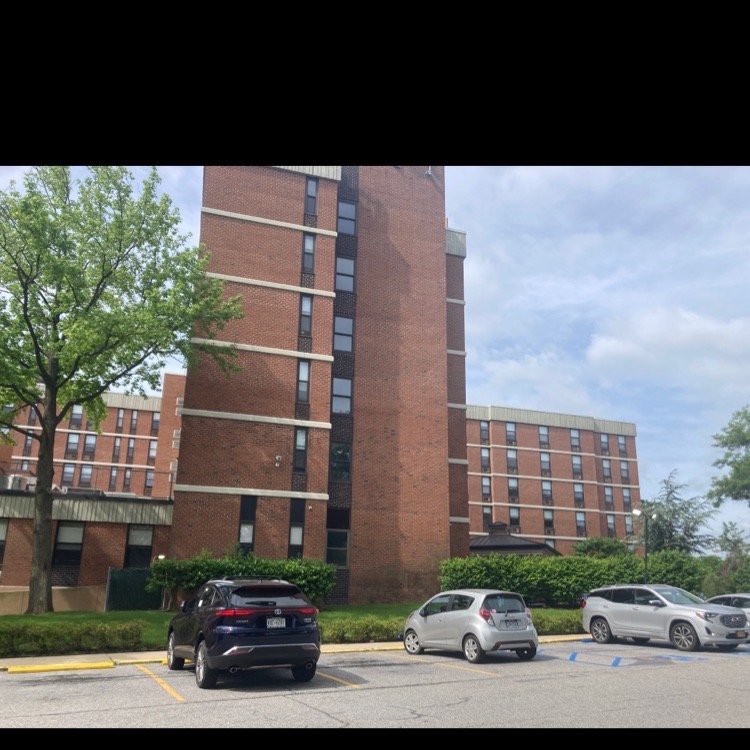
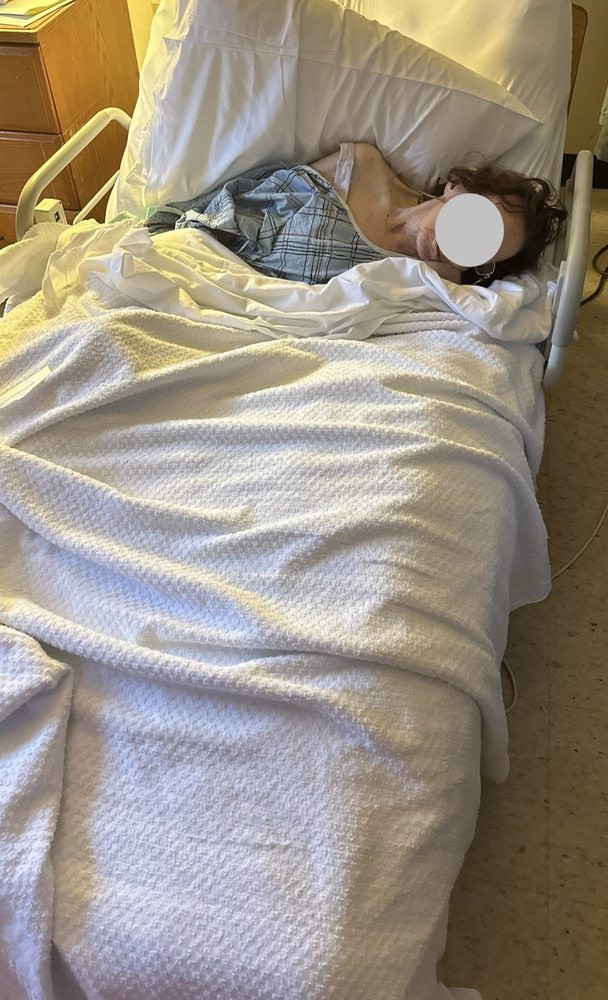
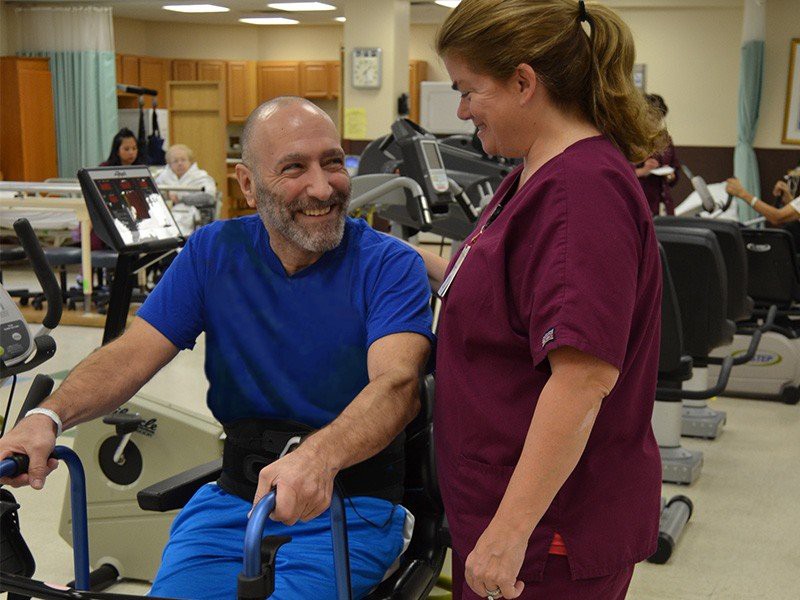
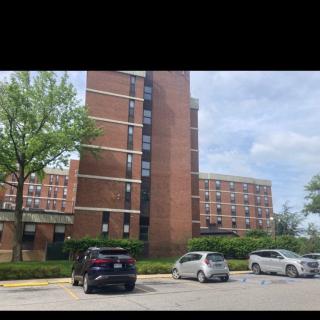
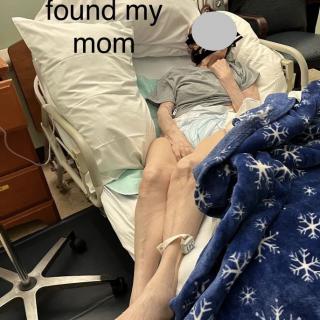
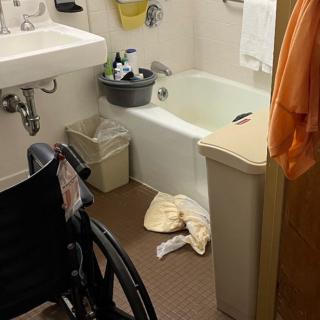
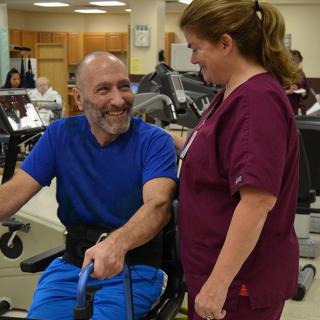
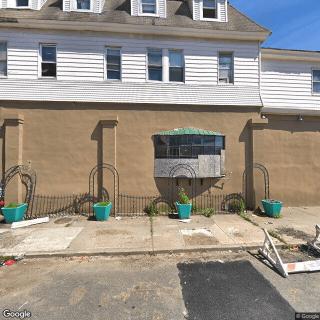
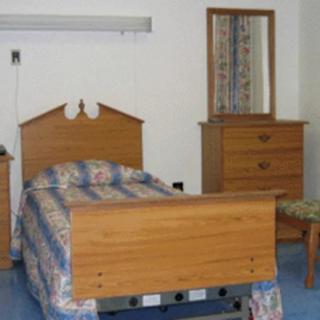
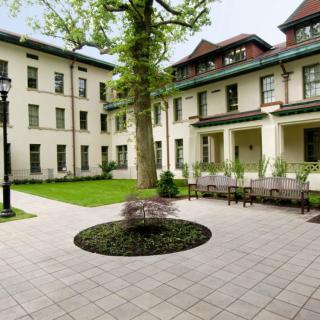
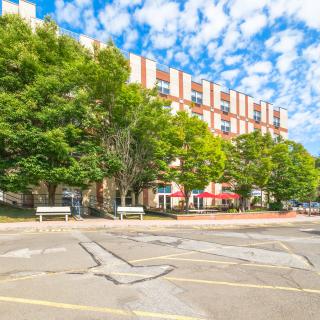
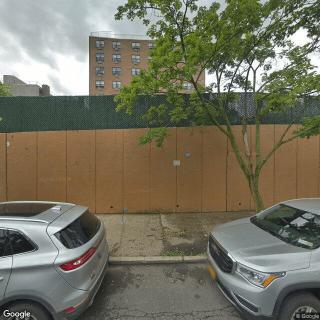
Carmel Richmond Nursing Home on seniors.fyi includes 9 photos including images showing healthcare, bathroom, bedroom, physical therapy, rehabilitation, nurse, building, parking, and more.
Nearby Communities
Carmel Richmond Healthcare And Rehab Center
Staten Island, NY
4 from 113 reviews
Clean, well-maintained facility with friendly, caring staff and solid therapy and nutritious meals.
Sunrise of Staten Island
Staten Island, NY
4.2 from 98 reviews
$4,800 to $9,150 / month
Caring, attentive staff in a clean, welcoming environment with good dining and activities.
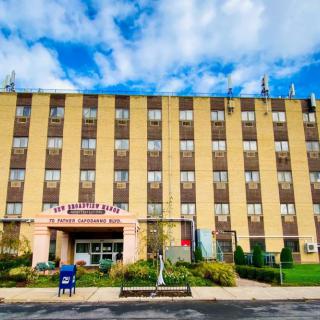
New Broadview Home For Adults
Staten Island, NY
3.9 from 36 reviews
$3,100 to $6,200 / month
Friendly, attentive staff and engaging activities.
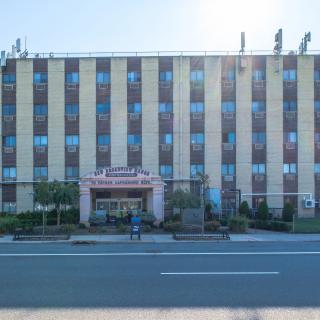
New Broadview Manor
Staten Island, NY
3.7 from 31 reviews
Clean, well-maintained environment with engaged staff and active social programs.
Island Shores Senior Residence
Staten Island, NY
2.8 from 40 reviews
$2,200 to $2,800 / month
Affordable independent living with friendly staff and a variety of activities.
Clove Lakes Health Care And Rehab Center
Staten Island, NY
4.1 from 136 reviews
Compassionate staff with effective rehabilitation and clean, well-maintained facilities.
Park Lane at Sea View
Staten Island, NY
4.2 from 71 reviews
$1,700 / month
Beautiful location with pristine upkeep and an excellent, well-equipped kitchen.
Eger Harbor House
Staten Island, NY
4.5 from 35 reviews
Comprehensive amenities and care (24-hour supervision, medication management, mental wellness, restaurant-style dining) with multiple activities and transportation.
Harbor Terrace
Staten Island, NY
4.4 from 89 reviews
$1,650 / month
Affordable $1,650/mo studio with diabetic care and access to nearby hospitals and amenities.
Seniors benefit from ride-hailing services like Uber and Lyft, which provide convenient and accessible transportation options that promote independence and social engagement, while addressing mobility challenges. These platforms have adapted to meet senior needs with user-friendly features and safety measures, although costs can be a concern; community programs may help subsidize rides for older adults.
The guide outlines the eligibility criteria for home health care services, emphasizing clinical requirements, insurance options, and application processes. It distinguishes between Medicare's strict and Medicaid's flexible qualifications while addressing challenges families may face in securing necessary care at home.
Elder abuse affects many older adults worldwide and includes physical, emotional, neglectful, and financial harm, with about one in six individuals over 60 experiencing abuse annually. Prevention and intervention strategies focus on awareness, support for caregivers, and mandatory reporting, while recovery necessitates comprehensive support for both physical and emotional needs.
Get PricingAsk A QuestionSchedule A TourContact Senior Advisor
By clicking submit, you agree to our Partner's Terms of Use. You
also consent to receive calls and texts, which may be autodialed, from our Partner. Your consent is not a condition to
using our Partner's service. Please visit our Partner's Privacy Policy for information about their privacy practices.



 Skilled Nursing Facility
 Newark International (8 miles away)
 Clean, well-maintained facility with friendly, caring staff and solid therapy and nutritious meals.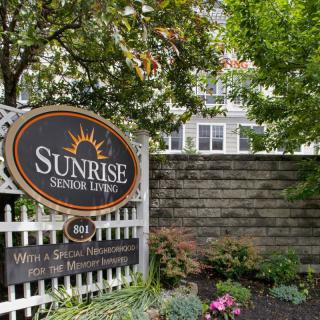
 Seniors and Modern Transportation: Exploring Uber, Lyft, and Other Ride-Hailing Options
 Comprehensive Guide to Qualifying for Home Health Care Services
 Powerful Realities of Elder Abuse and the Most Effective Ways to Report It