For more information about senior living options: (866) 208-4318
3.9 from 36 reviews
5 stars
25
4 stars
1
3 stars
0
2 stars
1
1 stars
9
New Broadview Home For Adults Costs & Pricing
New Broadview Home For Adults offers competitive pricing for its residents compared to the broader market in Richmond County and the state of New York. Specifically, the cost for a semi-private room at New Broadview is $3,100 per month, significantly lower than both the county average of $3,787 and the state average of $4,389. This positions New Broadview as an attractive option for individuals seeking affordable adult living arrangements without compromising on quality. However, when it comes to studio accommodations, New Broadview's monthly fee of $6,200 is considerably higher than both Richmond County's average of $4,514 and New York state's average of $4,532. This disparity may lead potential residents to weigh their options carefully between different room types and facilities based on their specific financial situations and care needs.
Floor plans
New Broadview Home For Adults
Richmond County
New York
Semi-Private
$3,100
$3,787
$4,389
Studio
$6,200
$4,514
$4,532
Assisted Living communities with a similar price nearby
Residents and families repeatedly describe staff as attentive, caring, and responsive to needs.
Across many reviews, residents and family members highlight administrators and caregivers who stay involved, answer questions, and follow through. Several people specifically call out casework and day-to-day help as what makes the experience feel supportive. A few negative reviews dispute that responsiveness, saying calls aren’t returned or that care quality declined after management changes.
common10 reviews mention this
Recreation keeps residents engaged
A steady schedule of activities is a frequent reason residents say they feel busy and included.
Multiple reviews mention recreation coordinators planning activities and residents staying engaged through the week. People cite arts and social options, exercise or similar programming, and day-to-day opportunities to participate. This lines up with the community’s listed activity programming, including groups and scheduled events.
common4 reviews mention this
Food quality is a mixed point
Dining comes up often, with some residents praising meals and others raising complaints.
Some reviewers describe the kitchen and meals positively, including comments about a newly hired chef and outstanding food. Other reviews are less favorable, saying the food quality wasn’t good at times. The community also offers restaurant-style dining along with meals and dietary options such as low/no sodium and no sugar.
differentiator5 reviews mention this
Water and boardwalk views
Water and boardwalk access are a recurring perk residents mention.
Several reviews highlight being right by the beach or boardwalk, and others mention rooms overlooking the water. Families describe the outdoor proximity as something residents can enjoy during warmer months, including taking walks nearby. These remarks connect with the community’s location-focused appeal rather than any single indoor amenity.
caveat3 reviews mention this
Pricing fairness raises concerns
Pricing is a recurring concern, even while some reviews mention affordability.
A resident review says rent is tied to income and increases can come with the same level of services, calling out gaps in cleanliness and food quality alongside the cost concerns. Another review describes the community as affordable with competitive rates, suggesting experiences vary. The listing’s pricing range also sits below county and state benchmarks for both unit types shown.
How we summarize
Counts show how many written reviews mention each theme; a review can touch several themes, and only frequently mentioned themes are displayed.
Features
Types of Care
Assisted Living
Amenities
Activities on-site
Air-conditioning
Bath tubs
Beautician on-site
Cable or satellite TV
Devotional services off-site
Indoor common areas
Transportation
Newark International (9 miles away)
John F Kennedy International (15 miles away)
LaGuardia (16 miles away)
Care Services
Ambulatory care
Diabetic care
High acuity care
Incontinence care
Medication management
Dining
Low / no sodium
Meals provided
No Sugar
Professional chef
Restaurant style dining
Activities
Activities on-site
Art classes
BBQs or picnics
Day trips and outings
Devotional activities offsite
Karaoke
Live dance or theater performances
Live musical performances
Quilting or sewing club
Stretching classes
Tai Chi
Trivia games
Yoga / chair yoga
Nearby Places of Interest
This part of Staten Island, New York, offers a variety of amenities that may appeal to seniors looking for a comfortable and convenient living environment. The proximity to healthcare facilities such as NYU Langone Hospital Brooklyn and Maimonides Medical Center ensures access to quality medical care. In addition, there are several parks nearby including Clove Lakes Park and Silver Lake Park, providing opportunities for outdoor recreation and relaxation. The abundance of restaurants and cafes like Precious Island Dim Sum and Starbucks offer convenient dining options. Access to public transportation via MTA Subway stations makes it easy to explore the city. Overall, this area provides a balance of healthcare services, recreational activities, dining options, and transportation accessibility that may be appealing for senior living.
New Broadview Home For Adults offers competitive pricing for its residents compared to the broader market in Richmond County and the state of New York. Specifically, the cost for a semi-private room at New Broadview is $3,100 per month, significantly lower than both the county average of $3,787 and the state average of $4,389. This positions New Broadview as an attractive option for individuals seeking affordable adult living arrangements without compromising on quality. However, when it comes to studio accommodations, New Broadview's monthly fee of $6,200 is considerably higher than both Richmond County's average of $4,514 and New York state's average of $4,532. This disparity may lead potential residents to weigh their options carefully between different room types and facilities based on their specific financial situations and care needs.
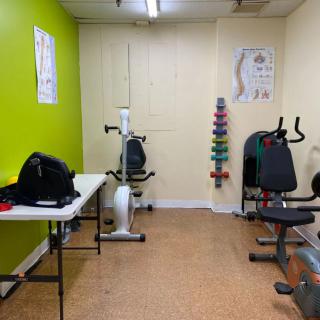
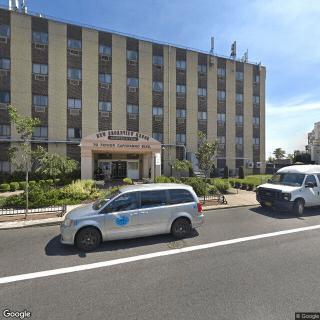
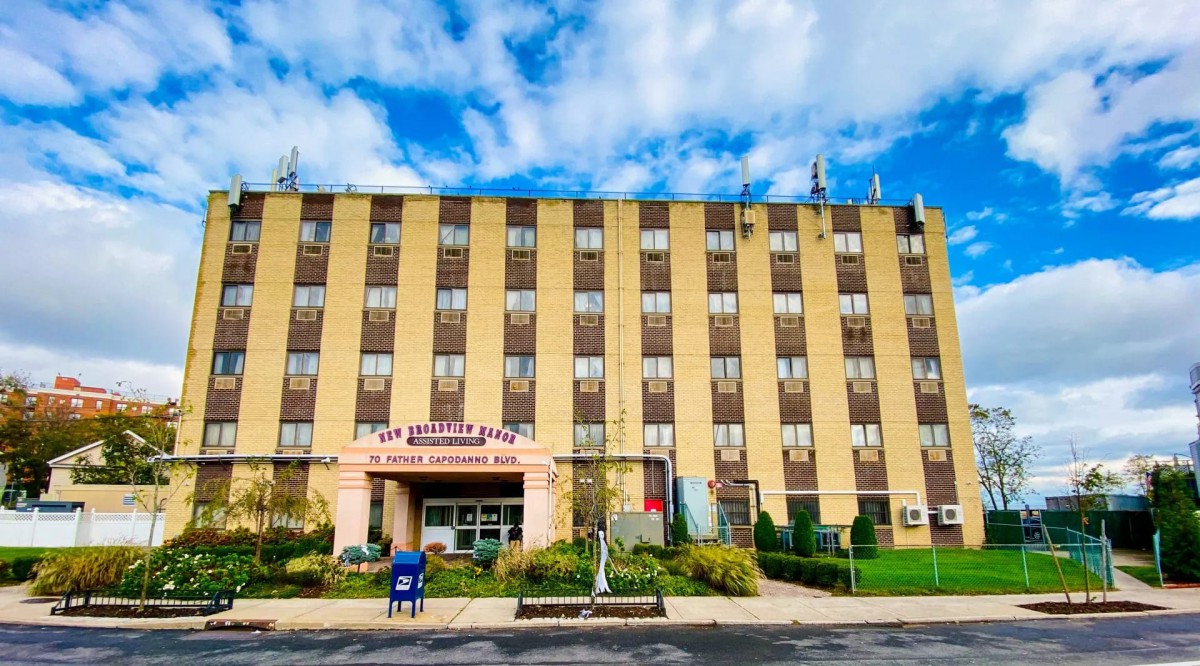
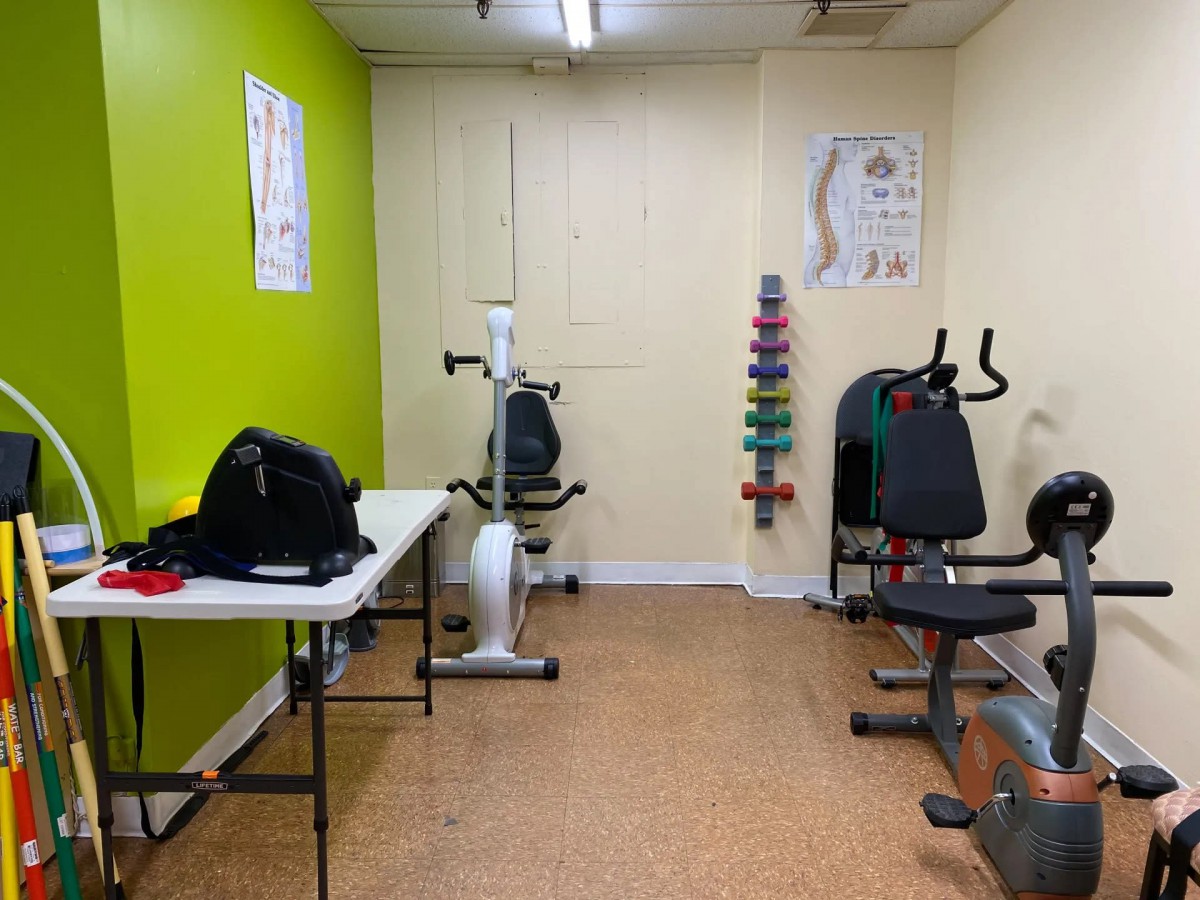
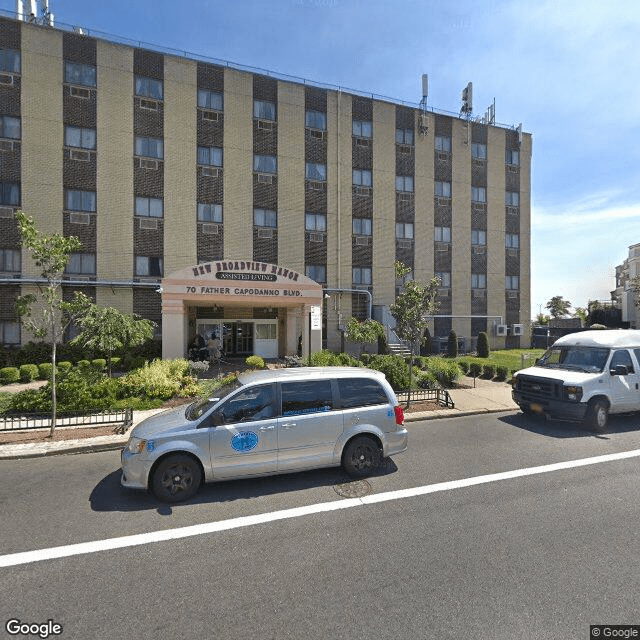
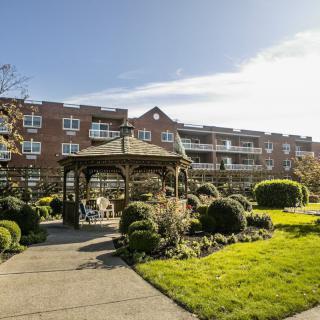
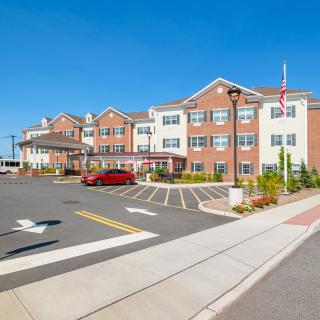
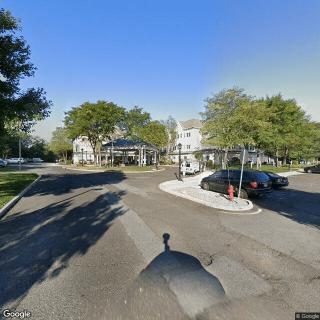
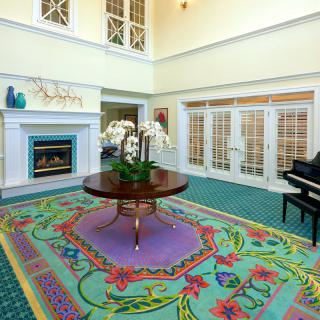
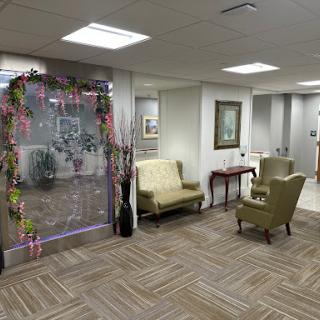
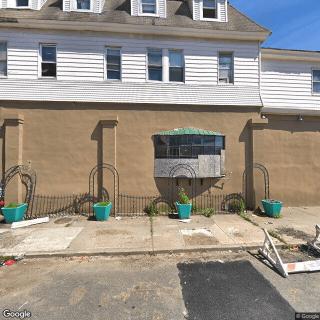
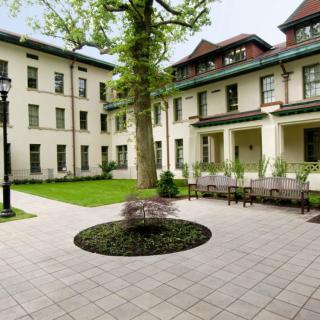
New Broadview Home For Adults on seniors.fyi includes 3 photos including images showing exercise equipment, building, urban, architecture, exterior, exercise room, interior, and more.
Nearby Communities
New Broadview Manor
Staten Island, NY
3.7 from 31 reviews
Clean, well-maintained environment with engaged staff and active social programs.
Carmel Richmond Nursing Home
Staten Island, NY
4.2 from 120 reviews
Comprehensive skilled nursing care in a serene Staten Island setting with nearby amenities.
Carmel Richmond Healthcare And Rehab Center
Staten Island, NY
4 from 113 reviews
Clean, well-maintained facility with friendly, caring staff and solid therapy and nutritious meals.
New Vanderbilt Rehabilitation And Care Center
Staten Island, NY
Extensive amenities and comprehensive care services (salon, computer center, restaurant-style dining with dietary options, fitness and wellness programs, private rooms, and 24/7 supervision with medication management).
Sunrise of Staten Island
Staten Island, NY
4.2 from 98 reviews
$4,800 to $9,150 / month
Caring, attentive staff in a clean, welcoming environment with good dining and activities.
Richmond Center For Rehab And Specialty Healthcare
Staten Island, NY
3.2 from 124 reviews
Friendly staff and clean, well-equipped environment.
Island Shores Senior Residence
Staten Island, NY
2.8 from 40 reviews
$2,200 to $2,800 / month
Affordable independent living with friendly staff and a variety of activities.
Park Lane at Sea View
Staten Island, NY
4.2 from 71 reviews
$1,700 / month
Beautiful location with pristine upkeep and an excellent, well-equipped kitchen.
Harbor Terrace
Staten Island, NY
4.4 from 89 reviews
$1,650 / month
Affordable $1,650/mo studio with diabetic care and access to nearby hospitals and amenities.
Assisted living for adults with disabilities has transformed to provide personalized care and support services aimed at improving residents' quality of life while balancing independence and assistance. However, low-income individuals often face challenges in affording these services, requiring navigation of various financial resources and advocacy for better policies and solutions.
Assisted living facilities provide support for older adults needing help with daily activities without extensive medical care, but their costs can be high and vary by location and services offered. Families often seek various funding options and financial strategies to manage these expenses effectively while considering future needs and potential price increases.
The article discusses assisted living expenses, the importance of long-term care insurance in covering these costs, and various financing options, highlighting the need for careful policy review and early planning to address potential needs. It also clarifies common misconceptions about Medicare and private health insurance limitations regarding long-term care coverage.
Get PricingAsk A QuestionSchedule A TourContact Senior Advisor
By clicking submit, you agree to our Partner's Terms of Use. You
also consent to receive calls and texts, which may be autodialed, from our Partner. Your consent is not a condition to
using our Partner's service. Please visit our Partner's Privacy Policy for information about their privacy practices.


 Assisted Living
 Activities on-site
 Air-conditioning
 Bath tubs
 Beautician on-site
 Cable or satellite TV
 Devotional services off-site
 Indoor common areas
 Newark International (9 miles away)
 Ambulatory care
 Diabetic care
 High acuity care
 Incontinence care
 Medication management
 Low / no sodium
 Art classes
 BBQs or picnics
 Day trips and outings
 Karaoke
 Live dance or theater performances
 Live musical performances
 Quilting or sewing club
 Stretching classes
 Trivia games
 Clean, well-maintained environment with engaged staff and active social programs.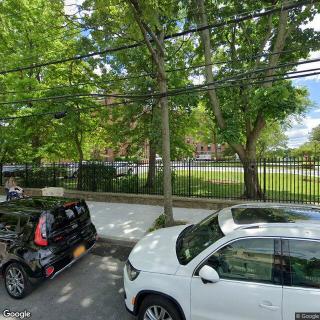


 Comprehensive Supportive Living Arrangements for Adults with Disabilities
 Funding and Affording Assisted Living: A Thorough Overview
 Assisted Living Expenses and Long-Term Care Insurance: A Comprehensive Exploration