Elderwood At North Creek

Save

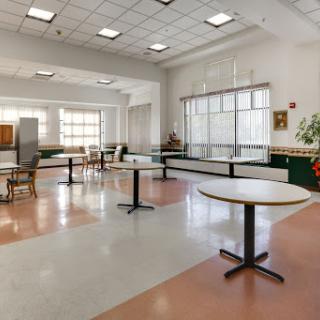
  • Interior

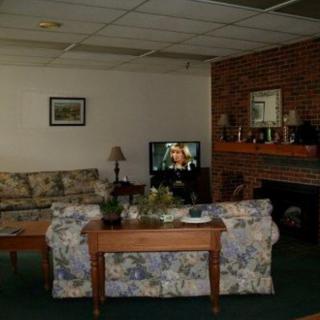
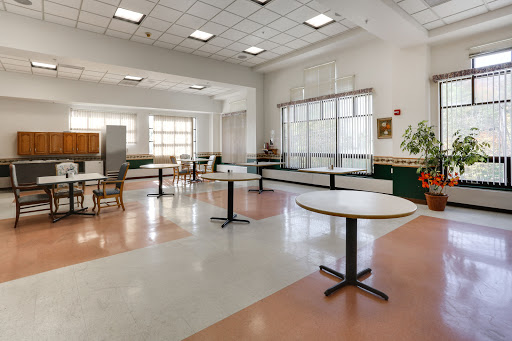
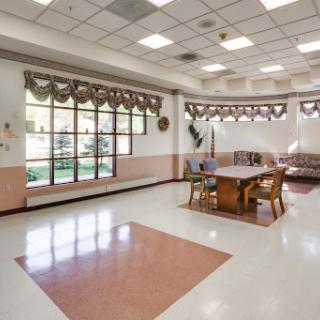
    A spacious and well-lit room featuring multiple tables and chairs, designed for gatherings or activities.
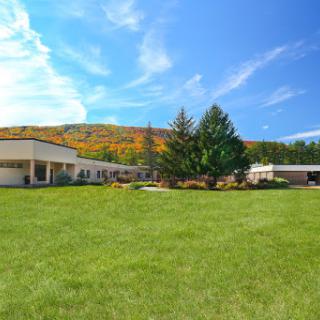
  • Outdoors

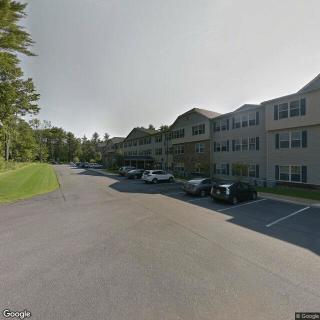
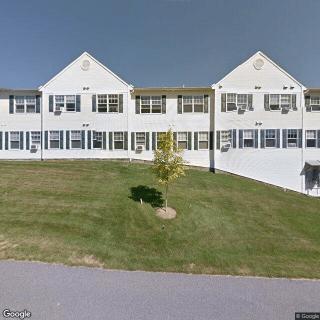
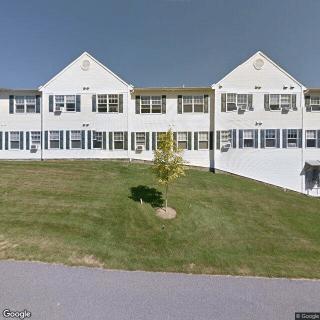
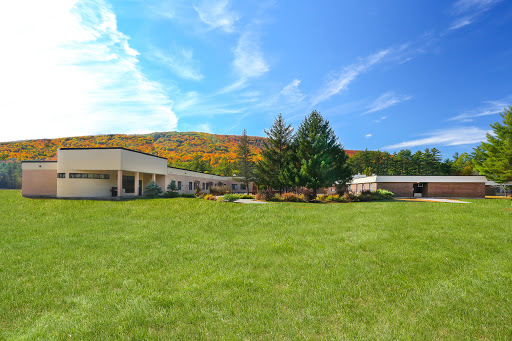
    A peaceful outdoor view featuring a well-maintained building surrounded by lush greenery and a clear blue sky.
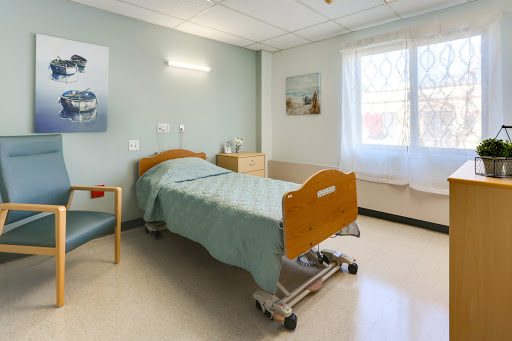
  • Bedroom

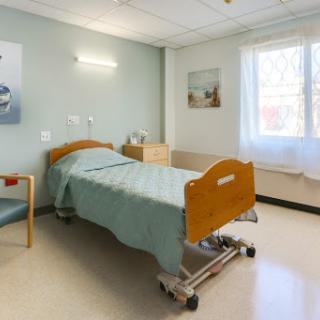
    A well-lit and clean hospital patient room featuring a bed, chair, and soft-colored walls.
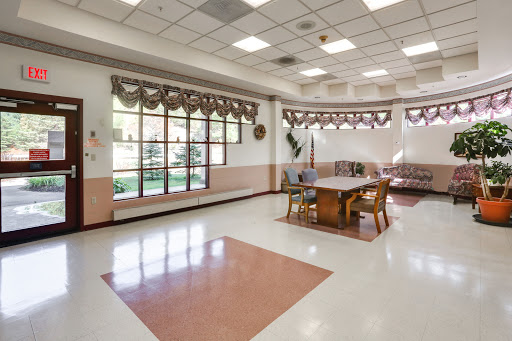
  • Windows

    A spacious community room featuring a table and chairs, well-lit with natural light from the windows.
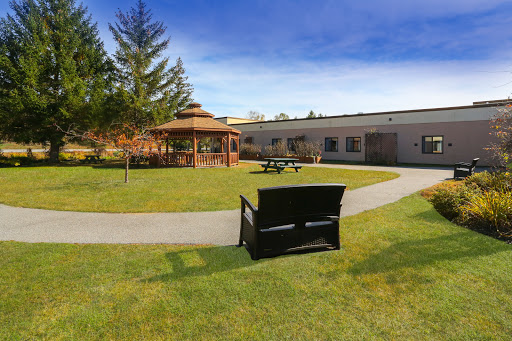
  • Landscaping

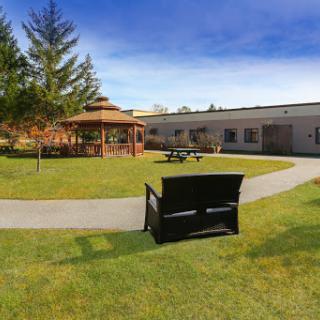
    A serene garden with a gazebo, bench, and well-maintained grass under a clear blue sky.
  • Garden

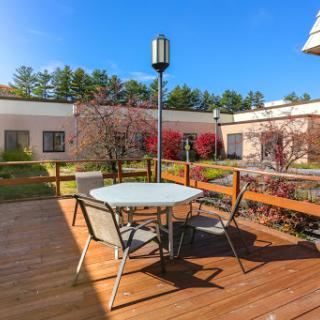
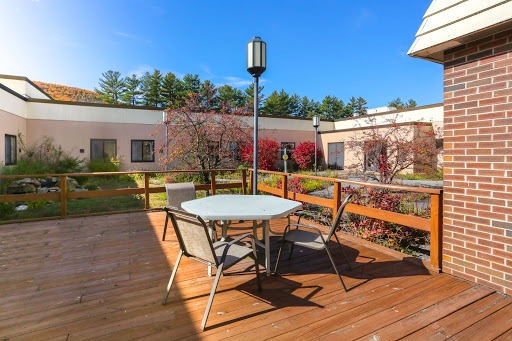
    A serene outdoor patio area with a table and chairs, surrounded by blooming trees under a clear blue sky.
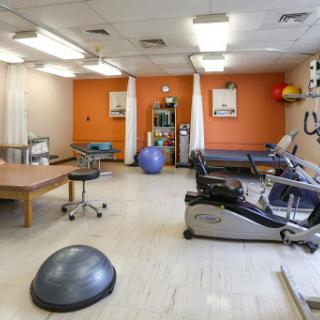
  • Exercise Equipment

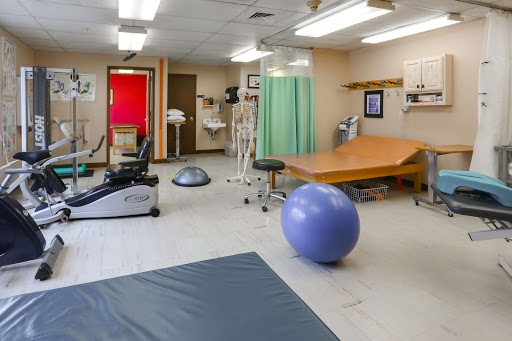
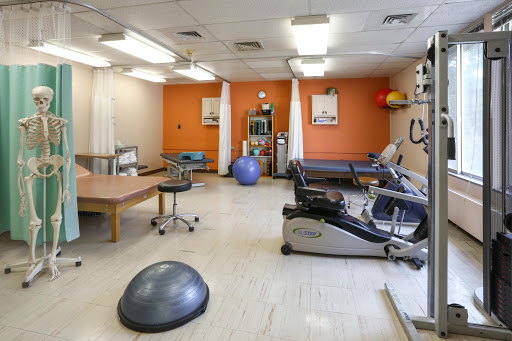
    A well-equipped physical therapy room designed for rehabilitation and exercise.
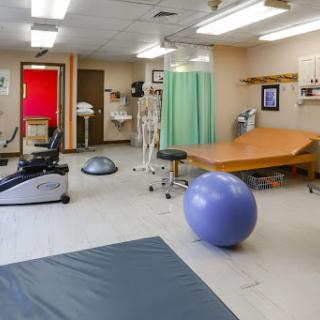
  • Gym

    An overview of a physical therapy room equipped for rehabilitation and exercise.
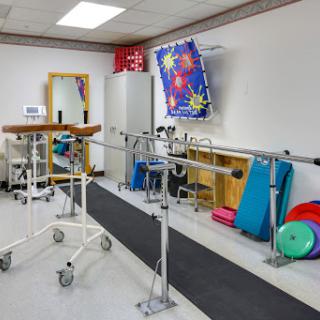
  • Mirrors

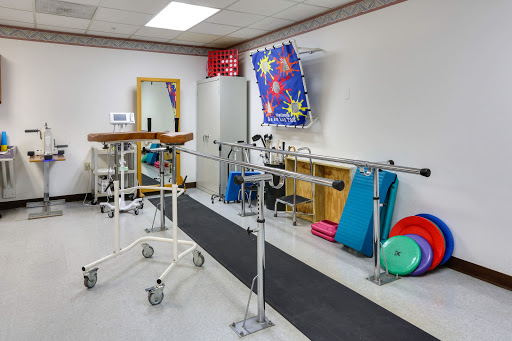
    A well-equipped physical therapy room featuring balance bars, exercise mats, and a walking track to aid rehabilitation.

Elderwood At North Creek

112 Ski Bowl Road, North Creek, NY 12853

For more information about senior living options: (844) 490-3973

2.1 from 10 reviews
5 stars
2
4 stars
1
3 stars
0
2 stars
0
1 stars
7

Skilled Nursing Facility

Overall Review of Elderwood At North Creek

Pros

  • pro The nurses and staff are very friendly and provide wonderful care to the residents.
  • pro A few staff members are amazing with hospice residents.
  • pro There is some great staff at the facility.
  • pro A carnival for residents with families invited was a lot of fun, and the residents had a great time.
  • pro Yvonne is awesome as the resident assistant.
  • pro Tammy, Karen, and Ilene are praised for their care.
  • pro The resident is 102 years old and remains sharp.

Cons

  • pro The facility refused the patient's pain medication intended to maintain baseline pain.
  • pro The nursing staff would not address the issues presented to them.
  • pro The reviewers were disgusted with the treatment their sister received and removed her from the facility.
  • pro There are horrible staff members among the staff, with some being amazing and others horrible.
  • pro The staff were uncaring.
  • pro Elderwood nursing does not take care of residents; they allow Alzheimer's patients to escape and residents stay in soiled, dirty clothes for days.

Review

What unfolds across these accounts is a complex picture of Elderwood, one that contains moments of genuine care and warmth, shadowed by serious concerns about safety, responsiveness, and overall quality of treatment. Several families describe a facility that, at its best, functions as a comforting home for aging loved ones, but at its worst reveals gaps in pain management, attention, and follow-through that can leave relatives emboldened to speak out in frustration and anger.

One of the most forceful critiques centers on pain management and responsiveness. A family member recounts a distressing experience in which their sister was denied pain medication that was intended to keep her baseline discomfort under control. The frustration is palpable: the staff allegedly did not address the issues they raised, and the family ultimately removed their sister from the facility. The wording is stark - calling the place irresponsible and subpar - accompanied by a sense of betrayal and fear that important comfort measures were neglected when they were most needed. In this account, the emotional weight of watching a loved one suffer while seeking relief becomes a defining memory of the stay at Elderwood.

Against that strongly negative backdrop, other reviews acknowledge a broader spectrum of care, noting that "there is some great staff, then there are some horrible staff." The sentiment is that a few individuals stand out for compassion, particularly with hospice residents, while others disappoint with a lack of empathy or engagement. One reviewer even summarizes her impression with stark brevity: "Staff non caring." Yet, even in the face of such criticism, there are also hints of genuine allegiance and disappointment tempered by tempered hope - an indication that the experience inside Elderwood can vary dramatically from room to room and shift with different shifts, different days, and different staff members.

Amid the criticisms, droplets of praise appear that illuminate the care that does work well. A lengthy, affectionate tribute describes an elderly mother who has lived at Elderwood for about eight years and reached the age of 102, still remarkably lucid. The reviewer recalls a recent "carnival" for residents, with families invited and staff going above and beyond - dressed as clowns, creating a joyful and communal atmosphere. Names surface in gratitude: Tammy, Karen, Ilene, and Yvonne, the latter singled out as "awesome" and described as the best resident assistant. The tone of this note is warm and celebratory, emphasizing that on some occasions, the facility's environment can be bright, engaging, and deeply supportive for residents and families alike. The message is that Elderwood can nurture moments of happiness and intergenerational connection that leave a lasting positive impression.

Other accounts emphasize the human side of daily care, praising the nurses and staff for their friendliness and the loving care they provide to residents. One reviewer highlights a long-term placement of their mother-in-law, who had surgery outside and then returned, with the family convinced that the hospital's treatment was improved by the care she received upon return to Elderwood. The positive sentiment extends to recognition of past challenges under previous ownership - the "escape artist" incident - while noting that current security measures have been put in place and appear to function effectively. The overarching message here is one of relief and gratitude: Elderwood, at its best, offers a stable, compassionate environment in which families feel their loved ones are treated with dignity and affection.

That gratitude resurfaces in a heartfelt thank-you to the staff, especially during a loved one's last days. The reviewer writes, "Thanks for all that you do for our family members, especially now in my mother-in-law's last days when care and comfort are most important." This sentiment reinforces a common thread in long-term elder care: when a patient nears the end of life, compassionate, attentive caregiving becomes the most meaningful and most remembered portion of the experience. It is in these moments that families feel the difference between adequate care and care that truly honors a life.

Nevertheless, not all voices converge on a positive note. A separate, stark critique asserts that "Elderwood nursing does not take care of their residents" and charging them with allowing Alzheimer's patients to escape and leaving residents in soiled clothes for days. This account presents the most severe accusations, painting a picture of neglect and safety failures that threaten the very core of resident well-being. It stands in clear contrast to the more celebratory narratives and serves as a potent reminder that, for some families, the risks and real-world consequences of lapses in supervision and cleanliness are not abstract concerns but daily, frightening realities.

Taken together, these reviews reveal a facility whose performance seems to oscillate between moments of exceptional, person-centered care and episodes of troubling gaps in safety, responsiveness, and basic dignity. The positive stories emphasize warmth, personalized attention, and the kind of interactions that brighten a resident's day - events like festive gatherings, staff going above and beyond, and the relief that comes with seeing a loved one return home from hospital care to a nurturing environment. They remind readers that Elderwood has staff capable of delivering truly meaningful care, and that the facility can be a source of comfort and stability in the long arc of aging and serious illness.

Conversely, the negative accounts underscore significant, unresolved concerns about pain management, resident safety, and consistent staff engagement. They describe real-world consequences: children and siblings forced to extract loved ones from facilities they believe are failing to meet basic care standards, and the fear that soiled clothing and unattended needs become a normal, tolerated state. The mention of a fixed security incident suggests progress and reform, but the persistence of other complaints indicates that improvements may be uneven and insufficient for some residents and families.

In the end, the picture that emerges is not one of a single, uniform experience, but of a facility that can be a lifeline of compassion and comfort for some residents while presenting serious, sometimes life-altering concerns for others. The variance points to a need for ongoing oversight, consistent staffing standards, transparent communication with families, and a steadfast commitment to safety, dignity, and timely symptom management. For families considering Elderwood, the stories counsel a careful, personalized evaluation: visit with questions ready about pain control, fall and safety protocols, staff availability and responsiveness, and the daily routines that shape a resident's quality of life. As with any long-term care facility, the real measure lies not only in policy and promise but in the day-to-day moments when a staff member's kindness, attentiveness, and competence make the difference between fear and peace for those who rely on their care.

Features

Housing

  • 82 resident community capacity 82 resident community capacity

Types of Care

  • Skilled Nursing Facility Skilled Nursing FacilitySkilled Nursing Facilities are crucial for seniors as they provide round-the-clock medical care, rehabilitation services, and assistance with daily activities. These facilities ensure that seniors receive the specialized care they need to maintain their health and well-being as they age.

Amenities

  • Air-conditioning Air-conditioningAir conditioning is important for seniors as they are more vulnerable to heat-related illnesses and may have underlying health conditions that make it difficult for them to regulate their body temperature. It helps to keep them comfortable, safe, and healthy in hot weather.
  • Beauty salon Beauty salonBeauty salons are important for seniors because they provide a space for them to feel pampered, socialize, and maintain their personal grooming and hygiene. Regular visits to a beauty salon can help boost seniors' self-esteem and overall well-being.
  • Cable or satellite TV Cable or satellite TVCable or satellite TV is important for seniors because it provides entertainment, news, and companionship, helping to combat loneliness and boredom. It also offers a wide range of programming options tailored to different interests and preferences.
  • Computer center Computer centerA computer center is essential for seniors as it provides access to technology, communication tools, and resources that can enhance their daily lives. It allows them to stay connected with loved ones, engage in online activities, and learn new skills, ultimately promoting socialization and mental stimulation.
  • Dining room Dining roomDining rooms are important for seniors as they provide a space for socialization, connection, and nutritious meals. They offer opportunities for residents to bond over shared meals, foster a sense of community, and promote healthy eating habits. Dining rooms also ensure that seniors have access to well-balanced meals tailored to their dietary needs and preferences.
  • Fitness room Fitness roomHaving a fitness room in a senior living community is essential for seniors to stay active, maintain their physical health, and improve their overall well-being. Regular exercise can help prevent falls, reduce the risk of chronic diseases, and promote mental sharpness. It also provides social opportunities for residents to connect with others and enjoy a sense of community.
  • Fully furnished Fully furnishedFully furnished senior living communities are important for seniors because they provide convenience, comfort, and a hassle-free moving experience. Seniors can easily settle into their new living space without the stress of having to buy and move furniture. This allows them to focus on enjoying their new home and community.
  • Gaming room Gaming roomGaming rooms are important for seniors as they provide a fun and engaging environment for socializing, cognitive stimulation, and physical activity. Games can improve memory, problem-solving skills, and overall mental well-being while fostering friendships and reducing feelings of isolation.
  • Garden GardenGardens are important for seniors as they provide a peaceful and therapeutic environment for relaxation, physical activity, and socialization. Being in nature has been shown to reduce stress, improve mood, and promote overall well-being. Gardens also offer opportunities for seniors to engage in gardening activities, which can improve mobility, flexibility, and cognitive function. Additionally, gardens create a sense of community and connection with others who share a passion for plants and outdoor spaces.
  • Housekeeping services Housekeeping servicesHousekeeping services are important for seniors because they help maintain a clean and safe living environment, promote independence, and reduce the risk of accidents or illnesses. Additionally, having assistance with household chores can alleviate physical strain and allow seniors to focus on other aspects of their well-being.
  • Kitchenette KitchenetteKitchenettes are important for seniors living in senior living communities because they provide the convenience and independence of being able to prepare simple meals and snacks in the comfort of their own living space. This can help promote a sense of autonomy and well-being for seniors, allowing them to maintain some level of control over their dietary choices and daily routines.
  • Move-in coordination Move-in coordinationMove-in coordination is important for seniors because it helps ease the transition into their new living environment. It ensures that all logistics, such as packing, organizing movers, and setting up utilities are taken care of, allowing seniors to focus on settling in and adjusting to their new home. Having a smooth move-in process can alleviate stress and anxiety, making the transition smoother and more enjoyable for seniors.
  • Outdoor space Outdoor spaceOutdoor spaces are important for seniors as they provide opportunities for physical activity, social interaction, exposure to natural light and fresh air, and a sense of connection to nature. Having access to outdoor spaces can improve overall well-being and quality of life for older adults living in senior communities.
  • Private bathrooms Private bathroomsPrivate bathrooms are important for seniors in senior living communities because they provide independence, dignity, and comfort. Having a private bathroom allows seniors to maintain their personal hygiene routines without the need for assistance, promoting a sense of autonomy and privacy. Additionally, private bathrooms help prevent the spread of infections and provide a safe and clean environment for seniors to navigate safely.
  • Restaurant-style dining Restaurant-style diningRestaurant-style dining is important for seniors because it allows them to enjoy delicious, nutritious meals in a social and upscale setting. This enhances their dining experience, promotes healthy eating habits, and fosters socialization with fellow residents, ultimately contributing to their overall well-being and quality of life.
  • Small library Small librarySmall libraries are important for seniors as they provide access to a variety of reading materials, including books, newspapers, and magazines. This can help stimulate their minds, keep them engaged, and provide a sense of community through book clubs and other social activities. Additionally, reading has been shown to improve cognitive function and overall mental well-being in older adults.
  • Telephone TelephoneTelephones are important for seniors as they provide a lifeline for communication with loved ones, emergency services, and healthcare providers. They offer a sense of security and independence, enabling seniors to stay connected and access assistance when needed.
  • Wellness center Wellness centerWellness centers are important for seniors because they offer a variety of programs and services that promote physical, mental, and emotional well-being. These centers provide opportunities for exercise, socialization, education, and relaxation, helping seniors maintain their overall health and quality of life.
  • Wi-Fi/high-speed internet available Wi-Fi/high-speed internet availableWi-Fi/high-speed internet is important for seniors to stay connected with loved ones, access online resources, and participate in virtual activities to combat feelings of loneliness and isolation. It also allows them to easily manage healthcare needs, access entertainment, and engage in lifelong learning opportunities.

Transportation

  • Community operated transportation Community operated transportationCommunity operated transportation is crucial for seniors as it provides them with the means to access essential services, social activities, and medical appointments. It allows seniors to maintain their independence and quality of life by ensuring they can participate in activities outside of their homes. Additionally, community-operated transportation services offer a safe and reliable way for seniors to travel without having to rely on family or friends for assistance.
  • Transportation arrangement Transportation arrangementTransportation arrangements are crucial for seniors as they may face challenges with driving, mobility, or access to public transportation. Having reliable transportation services ensures that seniors can easily attend appointments, social activities, and maintain their independence and quality of life.
  • Transportation arrangement (non-medical) Transportation arrangement (non-medical)Transportation arrangements are essential for seniors as they provide access to essential services, activities, and social interactions outside the home. This service helps maintain independence, mobility, and overall well-being for seniors who may have limited transportation options.
  • Transportation to doctors appointments Transportation to doctors appointmentsTransportation to doctors appointments is crucial for seniors as it ensures they have access to necessary medical care and support, promoting their health and well-being. It allows them to receive timely treatment, monitor existing conditions, and address any new health concerns efficiently. Additionally, transportation services can help seniors maintain their independence and quality of life by enabling them to stay connected with their healthcare providers.

Care Services

  • 12-16 hour nursing 12-16 hour nursing12-16 hour nursing care is crucial for seniors in order to ensure around-the-clock monitoring, timely medication administration, and prompt response to any health concerns or emergencies. This level of care helps to promote the overall well-being and safety of seniors living in senior living communities.
  • 24-hour call system 24-hour call system24-hour call systems are important for seniors because they provide peace of mind and immediate assistance in case of emergencies. This technology ensures that help is always available, promoting safety and security for elderly individuals living alone or in assisted living facilities.
  • 24-hour supervision 24-hour supervision24-hour supervision is important for seniors to ensure their safety, well-being, and access to immediate assistance in case of emergencies or health issues. This constant support provides peace of mind for both seniors and their loved ones, allowing them to age in place with dignity and security.
  • Activities of daily living assistance Activities of daily living assistanceActivities of daily living assistance are important for seniors because they provide essential support with tasks such as eating, bathing, dressing, and mobility. This assistance helps seniors maintain their independence, dignity, and overall quality of life as they age.
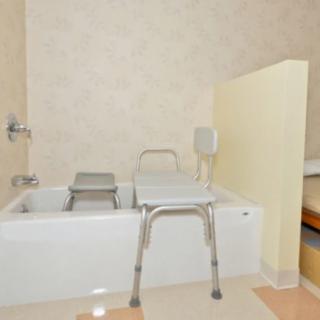
  • Assistance with bathing Assistance with bathingAssistance with bathing is crucial for seniors as it helps maintain personal hygiene, prevents infections, and ensures their overall well-being and comfort. It also provides a sense of dignity and independence for seniors who may struggle with this task on their own.
  • Assistance with dressing Assistance with dressingAssistance with dressing is important for seniors because it helps maintain their independence, promotes personal hygiene, prevents accidents and injuries, and improves overall quality of life. This service ensures that seniors can continue to dress comfortably and confidently, despite any physical limitations they may have.
  • Assistance with transfers Assistance with transfersAssistance with transfers is crucial for seniors as it helps prevent falls and injuries, maintains their independence, and ensures they can safely navigate their living environment. It also provides peace of mind for both seniors and their loved ones.
  • Diabetes diet Diabetes dietA diabetes diet is crucial for seniors as it helps manage blood sugar levels, reduce risks of complications, and improve overall health and well-being. By following a balanced and nutritious diet tailored to their specific needs, seniors can better control their diabetes and enhance their quality of life.
  • Meal preparation and service Meal preparation and serviceMeal preparation and service are crucial for seniors as they may have limited mobility or energy to cook nutritious meals. Having access to healthy and convenient food options can ensure they are getting the proper nutrition needed to maintain their overall health and well-being.
  • Medication management Medication managementMedication management is crucial for seniors to ensure they are taking the right medications at the correct dosages and times. This helps prevent adverse drug interactions, reduces the risk of medication errors, and promotes overall health and well-being. Proactive management also allows for adjustments as needed based on changing health conditions or new prescriptions.
  • Mental wellness program Mental wellness programMental wellness programs are essential for seniors as they promote cognitive stimulation, emotional support, and social engagement. These programs help prevent isolation, depression, and cognitive decline, ultimately enhancing the overall quality of life for older adults.
  • Special dietary restrictions Special dietary restrictionsSpecial dietary restrictions are important for seniors because age-related changes in metabolism and health conditions can make it difficult for their bodies to process certain foods. By following a diet tailored to their specific needs, seniors can maintain their overall health and well-being, manage chronic conditions, and reduce the risk of complications such as malnutrition or food interactions with medications.

Dining

  • Diabetes diet Diabetes dietA diabetes diet is crucial for seniors as it helps manage blood sugar levels, reduce risks of complications, and improve overall health and well-being. By following a balanced and nutritious diet tailored to their specific needs, seniors can better control their diabetes and enhance their quality of life.
  • Special dietary restrictions Special dietary restrictionsSpecial dietary restrictions are important for seniors because age-related changes in metabolism and health conditions can make it difficult for their bodies to process certain foods. By following a diet tailored to their specific needs, seniors can maintain their overall health and well-being, manage chronic conditions, and reduce the risk of complications such as malnutrition or food interactions with medications.

Activities

  • Community-sponsored activities Community-sponsored activitiesCommunity-sponsored activities are important for seniors as they provide opportunities for social interaction, mental stimulation, and physical activity. These activities can help improve overall well-being, combat loneliness and isolation, and promote a sense of belonging and purpose among older adults.
  • Concierge services Concierge servicesConcierge services are essential for seniors as they provide assistance with daily tasks and errands, enhance their quality of life by offering convenience and personalized care, and promote a sense of safety and security.
  • Fitness programs Fitness programsFitness programs are crucial for seniors as they help improve strength, flexibility, balance, and overall well-being. Staying active can reduce the risk of chronic diseases, improve mental health, and enhance quality of life in older adults.
  • Planned day trips Planned day tripsPlanned day trips are important for seniors because they offer opportunities for socialization, mental stimulation, and physical activity. They provide a change of scenery and help seniors stay engaged and connected to their community, promoting overall well-being and quality of life.
  • Resident-run activities Resident-run activitiesResident-run activities are important for seniors as they encourage social interaction, creativity, and a sense of autonomy. These activities empower seniors to stay engaged and active in their community while fostering meaningful connections with their peers.
  • Scheduled daily activities Scheduled daily activitiesScheduled daily activities are important for seniors because they provide structure, socialization, mental stimulation, and physical activity. Engaging in regular activities can improve overall well-being and quality of life for seniors living in a community setting.

Description

Elderwood At North Creek in North Creek, NY is a vibrant and welcoming assisted living community that offers a wide range of amenities and care services for its residents.

Residents can enjoy the convenience of having a beauty salon right on-site, as well as access to cable or satellite TV in their fully furnished apartments. Community operated transportation is available for those who need assistance getting around, including transportation to doctors' appointments.

For those who enjoy staying connected and engaged, there is a computer center with Wi-Fi/high-speed internet access and a gaming room for entertainment. The community also features a small library where residents can relax with a good book.

Meals at Elderwood At North Creek are served in a spacious dining room, offering restaurant-style dining with special dietary restrictions taken into consideration. Professional housekeeping services ensure that residents' living spaces are always clean and comfortable.

The community also values physical well-being, with a fitness room and outdoor space for exercise and relaxation. A wellness center is available for mental wellness programs and assistance with activities of daily living.

Care services provided include 24-hour call systems and supervision for added peace of mind. Assistance with bathing, dressing, transfers, medication management, diabetes diets, meal preparation, and service are also offered.

Residents can look forward to an active social life at Elderwood At North Creek, with concierge services available to help plan day trips and resident-run activities scheduled daily. Nearby cafes, parks, pharmacies, restaurants, and places of worship provide opportunities for outings and connection with the local community.

Overall, Elderwood At North Creek provides a supportive environment where seniors can receive personalized care while enjoying an array of amenities and engaging activities.

Nearby Places of Interest

Restaurants

  • Hey Days 267 (0.2 miles)
  • barVino (0.2 miles)
  • Marsha's Family Restaurant (0.2 miles)
  • becks TAVERN (0.9 miles)
  • The Log House Restaurant (5.9 miles)
  • The Owl at Twilight (6 miles)
  • Sporty's Iron Duke Saloon (6.3 miles)

Cafes

  • Cafe Sarah (0.2 miles)
  • Cafe Adirondack (8.8 miles)
  • Luck E Star Cafe (17.1 miles)
  • Lookout Cafe (23.7 miles)

Pharmacies

  • Walgreens (0.3 miles)
  • Walgreens (10.2 miles)
  • Schroon Lake Pharmacy (14.9 miles)
  • Walgreens (17.6 miles)
  • House Calls Pharmacy (18.1 miles)
  • Walgreens (24.4 miles)

Parks

  • Riverfront Park (0.3 miles)
  • North Creek/johnsburg Dog Park (0.5 miles)
  • Minerva Lake Campground (6.3 miles)
  • Minerva Park & Playground (7.9 miles)
  • Rogers Memorial Park (19.5 miles)
  • Buck Mountain Trailhead (22.3 miles)
  • Adirondack Park (22.3 miles)

Places of Worship

  • Calvary Bible Church (4.4 miles)
  • Saint Joseph Parish (5.8 miles)
  • Saint Josephs Catholic Church (5.8 miles)
  • Minerva Baptist Church (8 miles)
  • Word Of Life Ranch (9.6 miles)
  • Sonrise Lutheran Church (9.8 miles)
  • Priory of St Benedict (10 miles)

Physicians

  • Hudson Headwaters Health Network (15 miles)
  • Warrensburg Health Center (18.1 miles)

Frequently Asked Questions

Where is Elderwood At North Creek?
What photos are available for Elderwood At North Creek in North Creek, New York?

Nearby Communities

Related Resources

  • tax implications of parent living with youNavigating the Tax Landscape of Caregiving: Credits, Deductions, and Beyond

    Caregiving for an aging parent entails emotional and financial responsibilities accompanied by significant tax implications, including potential benefits from claiming them as dependents and deductions for medical expenses and caregiving costs. Caregivers must understand eligibility requirements, maintain thorough documentation, and consider consulting a tax professional to navigate these complexities effectively.

  • low impact exercises for seniorsHighly Beneficial Low-Impact Exercises for Senior Living Residents

    Low-impact exercises are vital for seniors as they promote health, independence, and social interaction while reducing joint strain. These adaptable activities, guided by healthcare professionals, enhance strength, flexibility, and emotional well-being.

  • is home health care tax deductibleIs In-Home Healthcare Tax Deductible? Your Comprehensive Guide
    The guide details the tax deductibility of in-home healthcare expenses according to IRS guidelines, differentiating between medically necessary services and non-medical assistance, while emphasizing the need for proper documentation and itemization requirements. It also highlights state-level variations, the importance of record-keeping, and encourages seeking professional tax help to understand evolving regulations.