United Hebrew Geriatric Center in New Rochelle, NY

Save

  • Interior

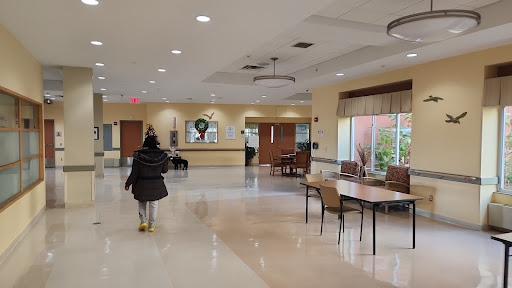
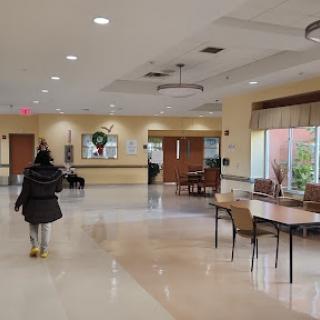
    A spacious lobby area with tables and chairs, featuring warm lighting.
  • Building

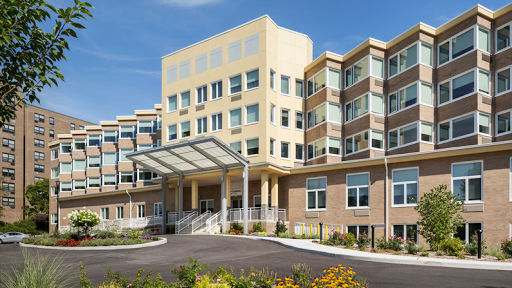
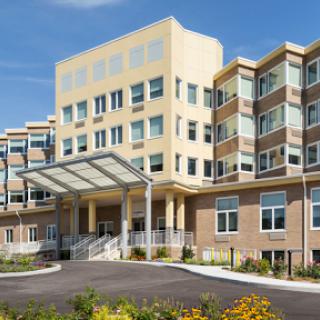
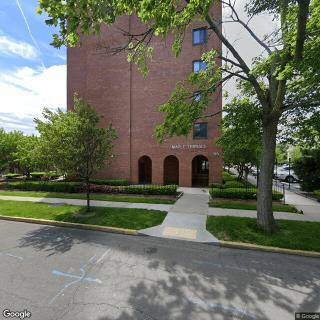
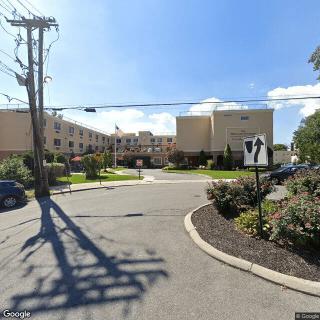
    Exterior view of United Hebrew health facility with sign and surrounding plants.
  • Architecture

    A modern healthcare facility with a welcoming entrance.
  • Trees

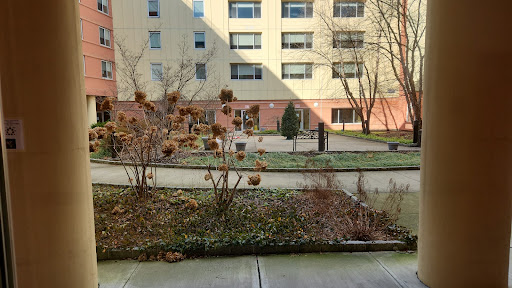
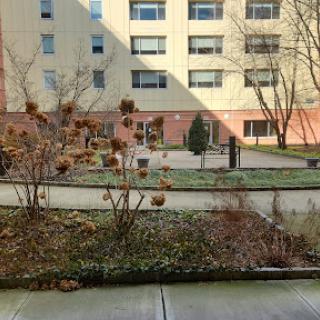
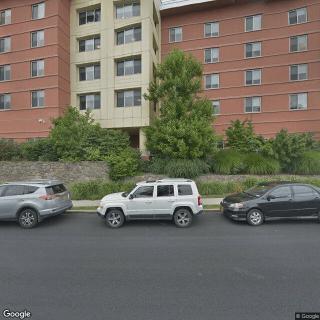
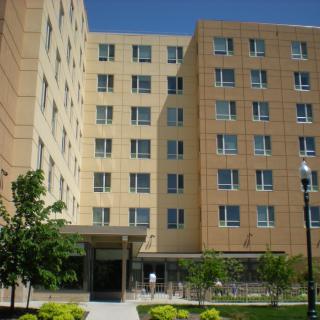
    A view of a landscaped area with shrubs and trees in front of an apartment building.
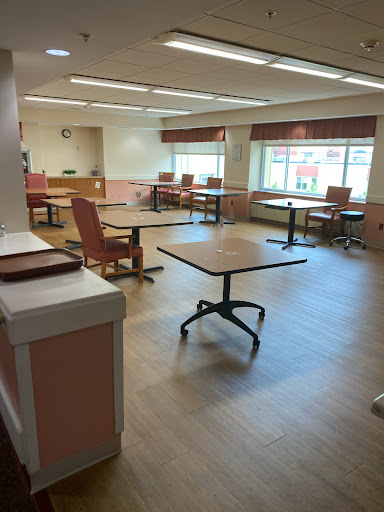
  • Windows

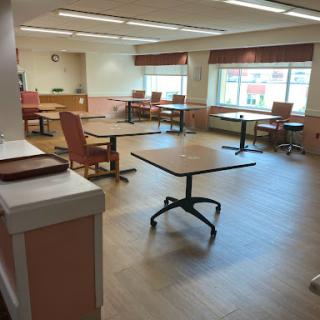
    A spacious and bright room with tables and chairs, designed for gatherings or activities.
  • Landscaping

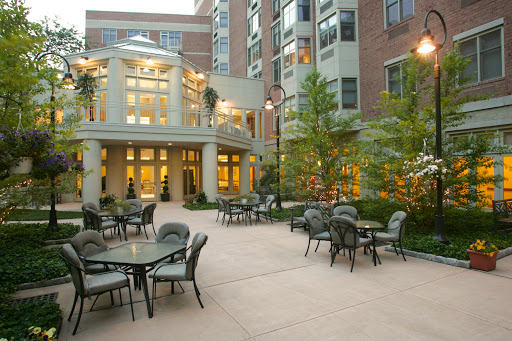
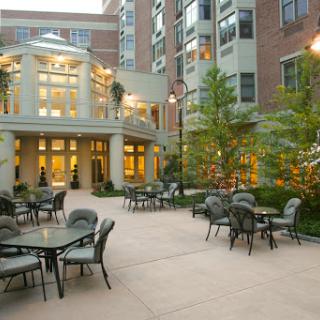
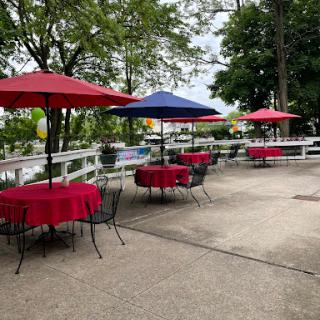
    A serene courtyard with outdoor seating surrounded by modern architecture and lush landscaping.
  • Outdoor

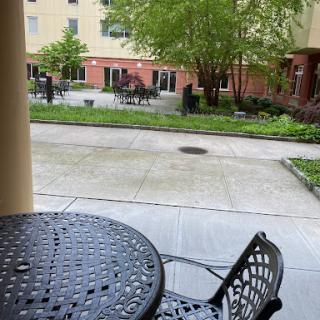
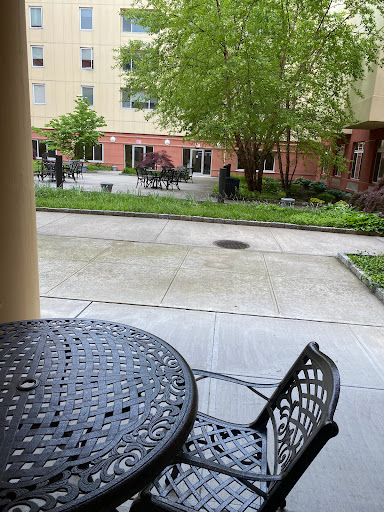
    A quiet courtyard scene featuring a table and chairs surrounded by greenery and nearby buildings.
  • Urban

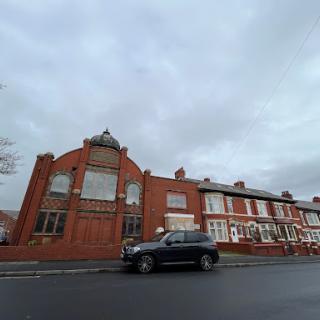
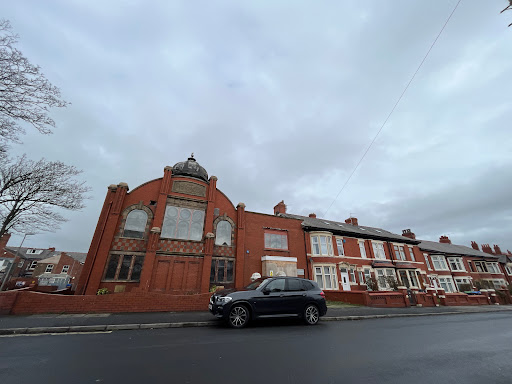
    A view of a distinctive building adjacent to residential homes on a cloudy day.
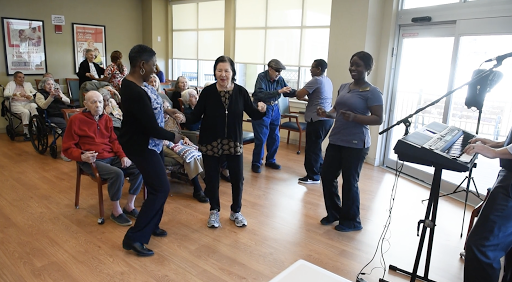
  • Exercise

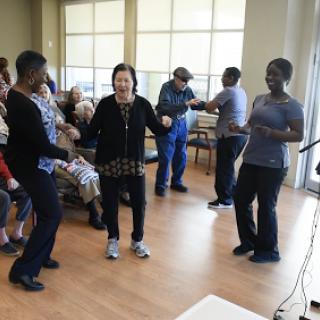
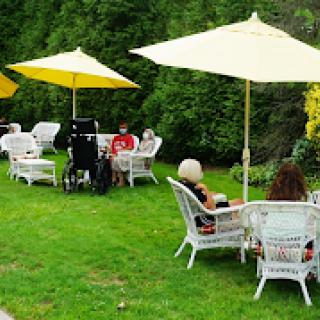
    Seniors engaging in a joyful dance activity, promoting social interaction and movement.

United Hebrew Geriatric Center in New Rochelle, NY

Information last verified:

391 Pelham Road, New Rochelle, NY 10805

For more information about senior living options: (844) 490-3973

3.7 from 89 reviews
5 stars
52
4 stars
8
3 stars
2
2 stars
6
1 stars
21

Overall Review of United Hebrew Geriatric Center

Pros

  • pro The housekeeping and kitchen staff are described as working very hard.
  • pro Some nurse’s aides are exceptional.
  • pro A male nurse on the third floor is extremely capable and genuinely cares.
  • pro The doctors, physical therapists, and occupational therapists are excellent and professional.
  • pro The facility is spotless, bright, and clean, with no odor.
  • pro The staff are friendly, caring, and quick to respond.
  • pro The rehabilitation program is well planned and effective, helping residents regain function.
  • pro The facility offers abundant activities and enthusiastic staff, creating a welcoming, supportive environment.

Cons

  • pro The nursing staff were dismissive and blamed the patient for their medical needs.
  • pro Some of the nurses and aides were lazy, standing around gossiping and doing nothing.
  • pro Some of the rooms stank of urine and feces as you walked the hallways.
  • pro The facility was severely understaffed, and it could take an hour or more to respond to a call bell.
  • pro The administrators were inept and the staff’s coordination was chaotic and inconsistent.
  • pro The food was inedible and patients often did not receive the items they ordered.
  • pro There were roaches in the bathrooms and the floors were sticky.
  • pro The facility failed to inform families about care updates or emergency transfers.

Review

United Hebrew Geriatric Center in New Rochelle is best suited for families prioritizing rehab-to-home potential, with a clear emphasis on skilled therapy, medical oversight, and a campus that feels bright and welcoming. For an older adult who needs aggressive physical and occupational therapy after a surgery or illness, UHGC offers daily therapy pathways and close medical attention that can translate into meaningful gains and a real shot at returning home. The facility’s strengths also appeal to families who value a clean, well-kept environment, accessible recreation, and a social-work-driven approach to adapting care as needs evolve. In short, this community works best when therapy is the centerpiece and the family can stay highly engaged with staff to steer the care plan.

Those who may want to consider alternatives include families facing persistent concerns about staffing consistency, communication gaps, and discharge planning. Several reviews describe periods of understaffing, slow call-bell responses, and aides who seem overwhelmed or inattentive. For families with a loved one requiring near-constant supervision, predictable routines, or highly meticulous medical follow-through, UHGC can feel unstable at times. Dementia care, long-term placement, or situations where a steady, highly coordinated team is nonnegotiable may demand exploring other options with more uniform floor-to-floor staffing and tighter administrative follow-through.

The strongest case for UHGC rests on the rehab-to-home track record when therapy is consistently available and well coordinated. Therapists affiliated with Burke are repeatedly praised for their professionalism and practical, goal-oriented approach, helping patients regain mobility and independence. The medical team, doctors, nurses, and advanced practice staff, are frequently described as capable and compassionate, with social workers and recreational staff delivering meaningful engagement that helps residents feel connected. The facility’s cleanliness and overall upkeep are a tangible asset; bright rooms, polished floors, and attractive common areas contribute to a sense of dignity and optimism that matters as recovery unfolds. When these elements align, residents often leave with clearer discharge goals and a believable path to return home.

Yet the ongoing cons cannot be dismissed. A recurring theme across reviews is uneven staffing levels that affect response times and the quality of daily care. Instances of rude or inattentive behavior, inconsistent adherence to medical orders, and lapses in basic comfort, such as timely assistance with daily needs or even cleanliness in some rooms, underscore risk factors that families must weigh. Discharge planning can be fragmented, with reports of missing equipment or delayed coordination for outpatient therapy after leaving the facility. The dining and laundry experiences also show variability, from well-regarded meals to complaints about salt levels, inconsistent menu execution, or lost clothing. Taken together, these fissures point to a care environment that can be excellent in the right unit but falters when understaffing or communication gaps widen.

The offset between the positives and the negatives hinges on active family involvement and unit-specific realities. Where therapy is reliable, staff is cooperative, and administrators communicate clearly, UHGC demonstrates what a high-functioning subacute rehab and post-acute setting can be. When families can advocate for their loved ones, tracking therapy schedules, requesting floor-specific nurse contacts, and confirming discharge plans early, care quality improves markedly. Conversely, when oversight relaxes or when the floor shifts to a less responsive team, even strong clinical care can feel undermined by delays, confusion, and lapses in basic daily needs. The implication is plain: UHGC can deliver outstanding outcomes, but success depends on choosing the right moment, the right unit, and sustained family engagement.

For families planning a stay, several concrete steps sharpen the odds of a positive experience. Insist on a floor-by-floor tour to observe clinical staff dynamics and call-bell responsiveness in real time. Speak with the head of physical therapy and the unit social worker about discharge planning timelines and post-discharge coordination, ensuring a realistic rehab-to-home trajectory. Request direct lines of communication with a nurse liaison for daily updates and escalation protocols if concerns arise. Clarify equipment needs at discharge (wheelchairs, commodes, ongoing therapy schedules) and confirm how laundry and dietary preferences will be managed. Finally, set expectations about maintenance of dignity and comfort, bathroom assistance, timely hydration, and consistent skin checks, so that the care plan remains patient-centered rather than driven by bed turnover.

The bottom line is that United Hebrew Geriatric Center remains a compelling option for rehab-focused care when the team is aligned, staffing is adequate, and families stay actively involved. It is not the universal solution for every elder with complex needs; it is best approached as a strong, therapy-forward facility with excellent potential, tempered by realities of variation between units and shifts. Families who can commit to careful onboarding, ongoing oversight, and proactive discharge planning will find UHGC offers genuine value: a clean, engaging environment paired with skilled therapists, responsive medical care, and a supportive community that, under the right conditions, helps residents reclaim independence and hope. For those who cannot tolerate inconsistent staffing or frequent administrative gaps, exploring alternatives with a more uniform daily rhythm and guaranteed level of supervision is a prudent, safety-minded move.

Features

Housing

  • 296 resident community capacity 296 resident community capacity

Types of Care

  • Skilled Nursing Facility Skilled Nursing FacilitySkilled Nursing Facilities are crucial for seniors as they provide round-the-clock medical care, rehabilitation services, and assistance with daily activities. These facilities ensure that seniors receive the specialized care they need to maintain their health and well-being as they age.

Amenities

  • Air-conditioning Air-conditioningAir conditioning is important for seniors as they are more vulnerable to heat-related illnesses and may have underlying health conditions that make it difficult for them to regulate their body temperature. It helps to keep them comfortable, safe, and healthy in hot weather.
  • Beauty salon Beauty salonBeauty salons are important for seniors because they provide a space for them to feel pampered, socialize, and maintain their personal grooming and hygiene. Regular visits to a beauty salon can help boost seniors' self-esteem and overall well-being.
  • Cable or satellite TV Cable or satellite TVCable or satellite TV is important for seniors because it provides entertainment, news, and companionship, helping to combat loneliness and boredom. It also offers a wide range of programming options tailored to different interests and preferences.
  • Computer center Computer centerA computer center is essential for seniors as it provides access to technology, communication tools, and resources that can enhance their daily lives. It allows them to stay connected with loved ones, engage in online activities, and learn new skills, ultimately promoting socialization and mental stimulation.
  • Dining room Dining roomDining rooms are important for seniors as they provide a space for socialization, connection, and nutritious meals. They offer opportunities for residents to bond over shared meals, foster a sense of community, and promote healthy eating habits. Dining rooms also ensure that seniors have access to well-balanced meals tailored to their dietary needs and preferences.
  • Fitness room Fitness roomHaving a fitness room in a senior living community is essential for seniors to stay active, maintain their physical health, and improve their overall well-being. Regular exercise can help prevent falls, reduce the risk of chronic diseases, and promote mental sharpness. It also provides social opportunities for residents to connect with others and enjoy a sense of community.
  • Fully furnished Fully furnishedFully furnished senior living communities are important for seniors because they provide convenience, comfort, and a hassle-free moving experience. Seniors can easily settle into their new living space without the stress of having to buy and move furniture. This allows them to focus on enjoying their new home and community.
  • Gaming room Gaming roomGaming rooms are important for seniors as they provide a fun and engaging environment for socializing, cognitive stimulation, and physical activity. Games can improve memory, problem-solving skills, and overall mental well-being while fostering friendships and reducing feelings of isolation.
  • Garden GardenGardens are important for seniors as they provide a peaceful and therapeutic environment for relaxation, physical activity, and socialization. Being in nature has been shown to reduce stress, improve mood, and promote overall well-being. Gardens also offer opportunities for seniors to engage in gardening activities, which can improve mobility, flexibility, and cognitive function. Additionally, gardens create a sense of community and connection with others who share a passion for plants and outdoor spaces.
  • Housekeeping services Housekeeping servicesHousekeeping services are important for seniors because they help maintain a clean and safe living environment, promote independence, and reduce the risk of accidents or illnesses. Additionally, having assistance with household chores can alleviate physical strain and allow seniors to focus on other aspects of their well-being.
  • Kitchenette KitchenetteKitchenettes are important for seniors living in senior living communities because they provide the convenience and independence of being able to prepare simple meals and snacks in the comfort of their own living space. This can help promote a sense of autonomy and well-being for seniors, allowing them to maintain some level of control over their dietary choices and daily routines.
  • Move-in coordination Move-in coordinationMove-in coordination is important for seniors because it helps ease the transition into their new living environment. It ensures that all logistics, such as packing, organizing movers, and setting up utilities are taken care of, allowing seniors to focus on settling in and adjusting to their new home. Having a smooth move-in process can alleviate stress and anxiety, making the transition smoother and more enjoyable for seniors.
  • Outdoor space Outdoor spaceOutdoor spaces are important for seniors as they provide opportunities for physical activity, social interaction, exposure to natural light and fresh air, and a sense of connection to nature. Having access to outdoor spaces can improve overall well-being and quality of life for older adults living in senior communities.
  • Private bathrooms Private bathroomsPrivate bathrooms are important for seniors in senior living communities because they provide independence, dignity, and comfort. Having a private bathroom allows seniors to maintain their personal hygiene routines without the need for assistance, promoting a sense of autonomy and privacy. Additionally, private bathrooms help prevent the spread of infections and provide a safe and clean environment for seniors to navigate safely.
  • Restaurant-style dining Restaurant-style diningRestaurant-style dining is important for seniors because it allows them to enjoy delicious, nutritious meals in a social and upscale setting. This enhances their dining experience, promotes healthy eating habits, and fosters socialization with fellow residents, ultimately contributing to their overall well-being and quality of life.
  • Small library Small librarySmall libraries are important for seniors as they provide access to a variety of reading materials, including books, newspapers, and magazines. This can help stimulate their minds, keep them engaged, and provide a sense of community through book clubs and other social activities. Additionally, reading has been shown to improve cognitive function and overall mental well-being in older adults.
  • Telephone TelephoneTelephones are important for seniors as they provide a lifeline for communication with loved ones, emergency services, and healthcare providers. They offer a sense of security and independence, enabling seniors to stay connected and access assistance when needed.
  • Wellness center Wellness centerWellness centers are important for seniors because they offer a variety of programs and services that promote physical, mental, and emotional well-being. These centers provide opportunities for exercise, socialization, education, and relaxation, helping seniors maintain their overall health and quality of life.
  • Wi-Fi/high-speed internet available Wi-Fi/high-speed internet availableWi-Fi/high-speed internet is important for seniors to stay connected with loved ones, access online resources, and participate in virtual activities to combat feelings of loneliness and isolation. It also allows them to easily manage healthcare needs, access entertainment, and engage in lifelong learning opportunities.

Transportation

  • LaGuardia (10 miles away) LaGuardia (10 miles away)
  • Westchester Cty (12 miles away) Westchester Cty (12 miles away)
  • John F Kennedy International (18 miles away) John F Kennedy International (18 miles away)
  • Newark International (25 miles away) Newark International (25 miles away)
  • Community operated transportation Community operated transportationCommunity operated transportation is crucial for seniors as it provides them with the means to access essential services, social activities, and medical appointments. It allows seniors to maintain their independence and quality of life by ensuring they can participate in activities outside of their homes. Additionally, community-operated transportation services offer a safe and reliable way for seniors to travel without having to rely on family or friends for assistance.
  • Transportation arrangement Transportation arrangementTransportation arrangements are crucial for seniors as they may face challenges with driving, mobility, or access to public transportation. Having reliable transportation services ensures that seniors can easily attend appointments, social activities, and maintain their independence and quality of life.
  • Transportation arrangement (non-medical) Transportation arrangement (non-medical)Transportation arrangements are essential for seniors as they provide access to essential services, activities, and social interactions outside the home. This service helps maintain independence, mobility, and overall well-being for seniors who may have limited transportation options.
  • Transportation to doctors appointments Transportation to doctors appointmentsTransportation to doctors appointments is crucial for seniors as it ensures they have access to necessary medical care and support, promoting their health and well-being. It allows them to receive timely treatment, monitor existing conditions, and address any new health concerns efficiently. Additionally, transportation services can help seniors maintain their independence and quality of life by enabling them to stay connected with their healthcare providers.

Care Services

  • 12-16 hour nursing 12-16 hour nursing12-16 hour nursing care is crucial for seniors in order to ensure around-the-clock monitoring, timely medication administration, and prompt response to any health concerns or emergencies. This level of care helps to promote the overall well-being and safety of seniors living in senior living communities.
  • 24-hour call system 24-hour call system24-hour call systems are important for seniors because they provide peace of mind and immediate assistance in case of emergencies. This technology ensures that help is always available, promoting safety and security for elderly individuals living alone or in assisted living facilities.
  • 24-hour supervision 24-hour supervision24-hour supervision is important for seniors to ensure their safety, well-being, and access to immediate assistance in case of emergencies or health issues. This constant support provides peace of mind for both seniors and their loved ones, allowing them to age in place with dignity and security.
  • Activities of daily living assistance Activities of daily living assistanceActivities of daily living assistance are important for seniors because they provide essential support with tasks such as eating, bathing, dressing, and mobility. This assistance helps seniors maintain their independence, dignity, and overall quality of life as they age.
  • Assistance with bathing Assistance with bathingAssistance with bathing is crucial for seniors as it helps maintain personal hygiene, prevents infections, and ensures their overall well-being and comfort. It also provides a sense of dignity and independence for seniors who may struggle with this task on their own.
  • Assistance with dressing Assistance with dressingAssistance with dressing is important for seniors because it helps maintain their independence, promotes personal hygiene, prevents accidents and injuries, and improves overall quality of life. This service ensures that seniors can continue to dress comfortably and confidently, despite any physical limitations they may have.
  • Assistance with transfers Assistance with transfersAssistance with transfers is crucial for seniors as it helps prevent falls and injuries, maintains their independence, and ensures they can safely navigate their living environment. It also provides peace of mind for both seniors and their loved ones.
  • Diabetes diet Diabetes dietA diabetes diet is crucial for seniors as it helps manage blood sugar levels, reduce risks of complications, and improve overall health and well-being. By following a balanced and nutritious diet tailored to their specific needs, seniors can better control their diabetes and enhance their quality of life.
  • Meal preparation and service Meal preparation and serviceMeal preparation and service are crucial for seniors as they may have limited mobility or energy to cook nutritious meals. Having access to healthy and convenient food options can ensure they are getting the proper nutrition needed to maintain their overall health and well-being.
  • Medication management Medication managementMedication management is crucial for seniors to ensure they are taking the right medications at the correct dosages and times. This helps prevent adverse drug interactions, reduces the risk of medication errors, and promotes overall health and well-being. Proactive management also allows for adjustments as needed based on changing health conditions or new prescriptions.
  • Mental wellness program Mental wellness programMental wellness programs are essential for seniors as they promote cognitive stimulation, emotional support, and social engagement. These programs help prevent isolation, depression, and cognitive decline, ultimately enhancing the overall quality of life for older adults.
  • Special dietary restrictions Special dietary restrictionsSpecial dietary restrictions are important for seniors because age-related changes in metabolism and health conditions can make it difficult for their bodies to process certain foods. By following a diet tailored to their specific needs, seniors can maintain their overall health and well-being, manage chronic conditions, and reduce the risk of complications such as malnutrition or food interactions with medications.

Dining

  • Diabetes diet Diabetes dietA diabetes diet is crucial for seniors as it helps manage blood sugar levels, reduce risks of complications, and improve overall health and well-being. By following a balanced and nutritious diet tailored to their specific needs, seniors can better control their diabetes and enhance their quality of life.
  • Special dietary restrictions Special dietary restrictionsSpecial dietary restrictions are important for seniors because age-related changes in metabolism and health conditions can make it difficult for their bodies to process certain foods. By following a diet tailored to their specific needs, seniors can maintain their overall health and well-being, manage chronic conditions, and reduce the risk of complications such as malnutrition or food interactions with medications.

Activities

  • Community-sponsored activities Community-sponsored activitiesCommunity-sponsored activities are important for seniors as they provide opportunities for social interaction, mental stimulation, and physical activity. These activities can help improve overall well-being, combat loneliness and isolation, and promote a sense of belonging and purpose among older adults.
  • Concierge services Concierge servicesConcierge services are essential for seniors as they provide assistance with daily tasks and errands, enhance their quality of life by offering convenience and personalized care, and promote a sense of safety and security.
  • Fitness programs Fitness programsFitness programs are crucial for seniors as they help improve strength, flexibility, balance, and overall well-being. Staying active can reduce the risk of chronic diseases, improve mental health, and enhance quality of life in older adults.
  • Planned day trips Planned day tripsPlanned day trips are important for seniors because they offer opportunities for socialization, mental stimulation, and physical activity. They provide a change of scenery and help seniors stay engaged and connected to their community, promoting overall well-being and quality of life.
  • Resident-run activities Resident-run activitiesResident-run activities are important for seniors as they encourage social interaction, creativity, and a sense of autonomy. These activities empower seniors to stay engaged and active in their community while fostering meaningful connections with their peers.
  • Scheduled daily activities Scheduled daily activitiesScheduled daily activities are important for seniors because they provide structure, socialization, mental stimulation, and physical activity. Engaging in regular activities can improve overall well-being and quality of life for seniors living in a community setting.

Description

The United Hebrew Geriatric Center in New Rochelle, NY is a vibrant assisted living community that offers a wide range of amenities and care services to cater to the individual needs of its residents. The community boasts a variety of amenities such as a beauty salon, cable or satellite TV, a computer center, and a fully furnished environment to create a comfortable and convenient living space.

Residents at United Hebrew Geriatric Center can enjoy delicious meals served in a restaurant-style dining room with special dietary restrictions taken into consideration. Additionally, the community offers housekeeping services to ensure that each resident's living space is kept clean and organized. For recreational activities, there are multiple spaces available including a gaming room, small library, fitness room, and outdoor areas for residents to relax and socialize.

The care services provided by the community are comprehensive and focused on promoting the well-being of its residents. A 24-hour call system ensures that assistance is readily available when needed, while supervision is provided round-the-clock for added peace of mind. Trained staff members assist with activities of daily living such as bathing, dressing, and transfers.

United Hebrew Geriatric Center also provides transportation arrangements for both non-medical needs as well as transportation to doctors' appointments. Medication management is offered to ensure that residents' medications are properly administered. The community also features specialized programs for mental wellness and diabetes diet management.

Residents can stay engaged through various planned activities such as fitness programs, resident-run activities, scheduled daily activities, and even day trips organized by the community. In addition to these offerings within the community itself, there are several cafes, parks, pharmacies, restaurants nearby which provide easy access to essential amenities.

Overall, United Hebrew Geriatric Center offers a supportive and stimulating environment where seniors can thrive both physically and mentally with personalized care services tailored to meet their needs while enjoying an array of amenities designed for comfort and convenience.

Nearby Places of Interest

Cafes

  • Cafe Zeppieri (0.5 miles)
  • Starbucks (5.2 miles)
  • State Of The Art Coffee (5.5 miles)
  • Starbucks (6.4 miles)
  • Starbucks (6.6 miles)
  • Starbucks (7.9 miles)
  • Starbucks (8.4 miles)

Pharmacies

  • CVS Pharmacy (0.7 miles)
  • CVS Pharmacy (2.7 miles)
  • Walgreens (3.1 miles)
  • CVS Pharmacy (3.2 miles)
  • Value Drugs Eastchester (4.3 miles)
  • CVS Pharmacy (4.4 miles)
  • Walgreens (4.5 miles)

Hospitals

  • Montefiore New Rochelle Hospital (1.2 miles)
  • St Barnabas Hospital (6.6 miles)
  • Bronx VA Medical Center (7 miles)
  • NewYork-Presbyterian Allen Hospital (7.2 miles)
  • St Vincent's Hospital-Westchester (7.3 miles)
  • Burke Rehabilitation Hospital (8.4 miles)
  • St Francis Hospital (8.5 miles)

Transportation

  • Pelham Station (1.9 miles)
  • Metro North - Larchmont Train Station (2.7 miles)
  • Metro North - Mt Vernon East Train Station (2.9 miles)
  • Metro North - Bronxville Train Station (4.2 miles)
  • MTA Subway - Parkchester (6.2 miles)
  • Metro North - Harrison Train Station (6.3 miles)
  • MTA Fordham Metro-North Station (6.3 miles)

Parks

  • Manor Park (2.3 miles)
  • Memorial Park (2.9 miles)
  • Rye Town Park (6.6 miles)
  • Riverdale Park (7.1 miles)
  • Allenwood Park (7.6 miles)
  • Inwood Hill Park (7.6 miles)
  • Uniontown Playground (7.7 miles)

Restaurants

  • McDonald's (2.6 miles)
  • Last Stop Bar & Grill (3.8 miles)
  • Serafina (5.2 miles)
  • Roosters Market (8.1 miles)
  • Harvest on Hudson (8.9 miles)
  • Toku Modern Asian (8.9 miles)
  • Burger King (9.4 miles)

Theaters

  • AMC Bay Plaza Cinema 13 (3.2 miles)
  • Alamo Drafthouse Yonkers (6.4 miles)
  • AMC Port Chester 14 (9.3 miles)

Places of Worship

  • The Riverdale Minyan (7 miles)

Physicians

  • North Shore Gastroenterology Associates PC (7.8 miles)
  • HSS Westchester (8.3 miles)
  • Westmed Medical Group (8.9 miles)
  • Dickstein Cancer Treatment Center (9 miles)
  • Digestive Disease & Nutrition Center of Westchester (9.1 miles)
  • Weill Cornell Psychiatry at NewYork-Presbyterian Westchester Division (9.2 miles)
  • Morgan Stanley Children's Hospital (9.4 miles)

Frequently Asked Questions

Where is United Hebrew Geriatric Center?
What photos are available for United Hebrew Geriatric Center in New Rochelle, New York?

Nearby Communities

  • United Hebrew Geriatrics Ctr

    United Hebrew Geriatrics Ctr

    New Rochelle, NY

    3.9 from 60 reviews
     

    pro Convenient access to healthcare, pharmacies, dining, and transit nearby.
  • Willow Gardens Memory Care

    Willow Gardens Memory Care

    New Rochelle, NY

    3.7 from 9 reviews
    $3,800 / month

    pro Affordable memory-care with comprehensive services (24/7 supervision, memory-care programming, meals, transportation, wellness).

  • Willow Towers

    Willow Towers

    New Rochelle, NY

    4.5 from 24 reviews
    $5,475 to $7,875 / month

    pro Comprehensive care options with friendly, attentive staff and engaging activities.

  • Glen Island Center For Nursing And Rehabilitation

    Glen Island Center For Nursing And Rehabilitation

    New Rochelle, NY

    4.5 from 120 reviews
     

    pro Caring nursing and activity staff with engaging programs.

  • Bayberry Nursing Home

    Bayberry Nursing Home

    New Rochelle, NY

    4.1 from 20 reviews
     

    pro Intimate 60-bed setting with attentive, compassionate staff.

  • Maple Terrace Senior Apts

    Maple Terrace Senior Apts

    New Rochelle, NY

    3 from 2 reviews
     

    pro Excellent location with nearby amenities and healthcare.

  • Garito Manor Senior Residence

    Garito Manor Senior Residence

    New Rochelle, NY

    3.8 from 25 reviews
    $1,339 to $1,722 / month

    pro Friendly staff, clean facility, and a variety of resident activities with transportation options.

  • Westchester Center for Rehab & Nursing

    Westchester Center for Rehab & Nursing

    Mount Vernon, NY

    4.4 from 106 reviews
    $8,550 to $9,150 / month

    pro Quiet residential setting with attentive staff and rehabilitative programs.

  • Regeis Care Center

    Regeis Care Center

    Bronx, NY

    3.6 from 17 reviews
     

    pro Caring staff, pleasant atmosphere, clean facility, and strong rehab support.

Related Resources

  • home care aideHome Health Care Aides: Understanding Their Role and Supporting Your Family

    Home health care aides provide vital medical and non-medical support to individuals at home, assisting with daily living activities and promoting emotional well-being, while the demand for these services increases due to an aging population. Families benefit from in-home care's flexibility and cost-effectiveness but face challenges like scheduling consistency and caregiver turnover.

  • uti in elderlyUrinary Tract Infections in Older Adults: Comprehensive Insights on Symptoms, Treatment, and Prevention

    Older adults with urinary tract infections (UTIs) often present atypical symptoms, complicating diagnosis due to factors like incomplete bladder emptying and chronic health conditions that increase their susceptibility. Effective management involves prompt treatment with antibiotics, hydration, and preventive strategies while minimizing antibiotic resistance and focusing on holistic care approaches.

  • 602 formCalifornia's Form 602A: An In-Depth Examination of Senior Care Assessment
    California's Form 602A is a vital tool for evaluating the health needs of seniors seeking residential care, detailing their medical conditions and daily living requirements to ensure proper service alignment. This standardized form enhances communication among physicians, families, and facilities, serving as a regulatory measure for admissions and ongoing care while adapting to changing healthcare practices.