For more information about senior living options: (866) 208-4318
4.4 from 27 reviews
5 stars
22
4 stars
0
3 stars
2
2 stars
0
1 stars
3
Willow Towers Costs & Pricing
Willow Towers offers competitive pricing for its accommodations when compared to both Westchester County and broader New York state averages. For instance, the monthly rate for a studio apartment at Willow Towers is $5,475, which slightly exceeds Westchester County's average of $5,326 but is considerably higher than the statewide average of $4,532. Similarly, the one-bedroom units at Willow Towers are priced at $5,875, again surpassing the county's rate of $5,559 and significantly exceeding the state average of $4,307. The two-bedroom options reflect a similar trend, with a monthly cost of $7,875 that stands above Westchester's average of $6,750 and the state's more affordable rate of $4,786. Overall, while Willow Towers may be positioned at a premium within its local context and compared to state figures, this investment reflects its unique offerings and amenities tailored for discerning residents seeking quality living.
Floor plans
Willow Towers
Westchester County
New York
Studio
$5,475
$5,326
$4,532
1 Bedroom
$5,875
$5,559
$4,307
2 Bedrooms
$7,875
$6,750
$4,786
Assisted Living communities with a similar price nearby
Residents highlight consistently good food and menu variety, matching restaurant-style dining the community offers.
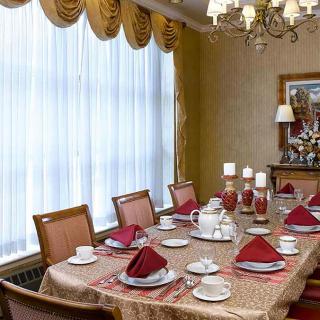
Food comes up repeatedly in positive feedback, with residents describing it as good and noting the menu positively. This aligns with the way the community lists its dining setup as restaurant-style, rather than a basic cafeteria approach. Reviews also mention enjoying the dining areas on site, reinforcing that meals are part of day-to-day life here.
common17 reviews mention this
Staff care and responsiveness
Residents and families commonly describe the care team as kind, attentive, and responsive to day-to-day needs.
Across many reviews, families describe staff as caring, friendly, and supportive, with attention to changing health concerns. Multiple reviewers also mention cleanliness and smooth interactions during visits, alongside responsiveness to questions and concerns. Some reviews specifically describe medical knowledge and hands-on support, including nursing and physician involvement, as part of what made visits reassuring.
differentiator3 reviews mention this
Memory care has dedicated leadership
Memory care reviewers specifically credit engaged care managers and unit leadership with resident-focused support.
Several reviews point to memory care leadership and care managers as a positive part of life on the Phoenix unit. Residents’ experiences are described as interactive and personalized, including staff helping with daily comfort and supporting family communication. One reviewer also highlights a memory care director enabling a resident photo experience that included care team support.
caveat3 reviews mention this
Cleanliness concerns in Phoenix unit
A few reviewers raise serious concerns about hygiene and cleanliness in the memory care setting.
While many other reviews describe the building as clean, a small group reports problems they observed on the Phoenix unit. These reviews describe unsanitary conditions and pest issues, along with concerns about residents’ personal cleanliness and comfort. They also describe difficulty getting concerns addressed through communication with leadership.
caveat3 reviews mention this
Pricing feels high for the value
Some families feel the cost is high relative to the care experience they expected.
A few reviews characterize the community as expensive, with at least one describing the pricing as not matching the level of care they experienced. Another reviewer says it is very expensive but frames it as comparable to the local market for the type of care. Pricing context is also reflected in the listed rates, which sit about slightly above the county and meaningfully above the state benchmark across unit types.
How we summarize
Counts show how many written reviews mention each theme; a review can touch several themes, and only frequently mentioned themes are displayed.
Features
Housing
150 resident community capacity
1-bedroom apartments
2-bedroom apartments
Studio apartments
Types of Care
Assisted Living
Independent Living
Memory Care
Respite Care
Skilled Nursing Facility
Pets
Cats allowed
Dogs allowed
Amenities
Activities on-site
Air-conditioning
Beautician on-site
Beauty salon
Cable or satellite TV
Cafe
Computer center
Devotional services off-site
Dining room
Fitness room
Fully furnished
Gaming room
Garden
Housekeeping services
Indoor common areas
Kitchenette
Laundry
Move-in coordination
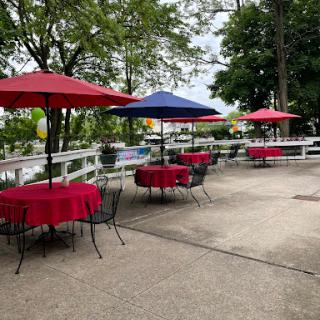
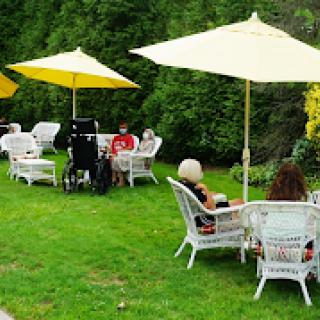
Outdoor space
Private bathrooms
Respite or short term stays offered
Restaurant-style dining
Small library
Telephone
Wellness center
Wheelchair accessible showers
Wi-Fi/high-speed internet available
Transportation
LaGuardia (10 miles away)
Westchester Cty (12 miles away)
John F Kennedy International (18 miles away)
Newark International (25 miles away)
Community operated transportation
Transportation & parking
Transportation arrangement
Transportation arrangement (non-medical)
Transportation to doctors appointments
Care Services
12-16 hour nursing
24-hour call system
24-hour supervision
Activities of daily living assistance
Ambulatory care
Assistance with bathing
Assistance with dressing
Assistance with transfers
Diabetes diet
Diabetic care
Hospice care
Meal preparation and service
Medication management
Mental wellness program
Physical therapy
Psychiatric care
Special dietary restrictions
Dining
Diabetes diet
Meals provided
Special dietary restrictions
Activities
Activities off-site
Activities on-site
Arts and crafts
Book club
Community-sponsored activities
Concierge services
Cooking club
Devotional activities offsite
Educational speakers / life long learning
Fitness programs
Games
Live musical performances
Planned day trips
Religious services
Resident-run activities
Scheduled daily activities
Tai Chi
Languages Spoken
English
Nearby Places of Interest
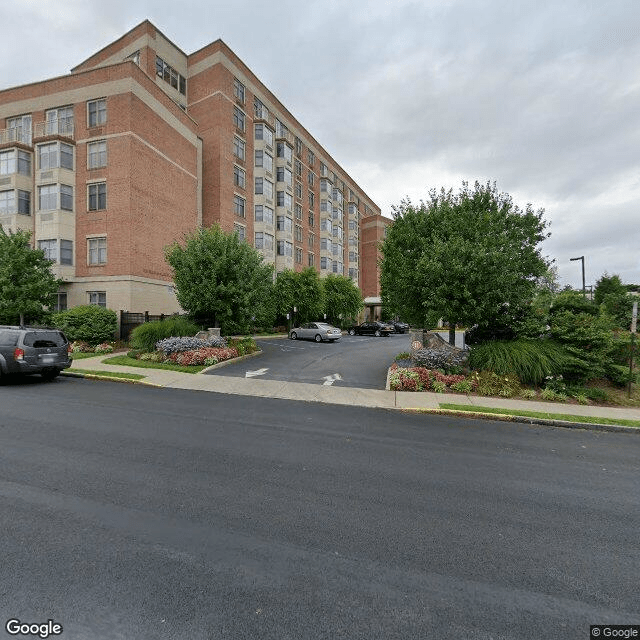
Located in the bustling city of New Rochelle, this neighborhood boasts a variety of amenities that cater to senior living. With several cafes like Cafe Zeppieri and State Of The Art Coffee nearby, residents can enjoy a leisurely cup of coffee with friends or family. Nearby pharmacies such as CVS Pharmacy and Walgreens make it convenient for seniors to access their medications and healthcare needs. In terms of healthcare facilities, Montefiore New Rochelle Hospital is just a short distance away, providing easy access to medical care. Transportation options are plentiful with several train stations in close proximity, making it easy for seniors to get around the city. Additionally, there are parks, restaurants, theaters, places of worship, and reputable medical facilities like Westmed Medical Group and HSS Westchester in the area, ensuring that seniors have everything they need for a comfortable and fulfilling lifestyle.
Cafes
Cafe Zeppieri (0.4 miles)
Starbucks (5.1 miles)
State Of The Art Coffee (5.4 miles)
Starbucks (6.3 miles)
Starbucks (6.5 miles)
Starbucks (8 miles)
Starbucks (8.3 miles)
Pharmacies
CVS Pharmacy (0.7 miles)
CVS Pharmacy (2.6 miles)
Walgreens (3 miles)
CVS Pharmacy (3.1 miles)
Value Drugs Eastchester (4.2 miles)
CVS Pharmacy (4.3 miles)
Walgreens (4.5 miles)
Hospitals
Montefiore New Rochelle Hospital (1.1 miles)
St Barnabas Hospital (6.6 miles)
Bronx VA Medical Center (7 miles)
NewYork-Presbyterian Allen Hospital (7.2 miles)
St Vincent's Hospital-Westchester (7.2 miles)
Burke Rehabilitation Hospital (8.3 miles)
St Francis Hospital (8.6 miles)
Transportation
Pelham Station (1.8 miles)
Metro North - Larchmont Train Station (2.6 miles)
Metro North - Mt Vernon East Train Station (2.9 miles)
Metro North - Bronxville Train Station (4.1 miles)
MTA Subway - Parkchester (6.2 miles)
Metro North - Harrison Train Station (6.2 miles)
MTA Fordham Metro-North Station (6.4 miles)
Parks
Manor Park (2.2 miles)
Memorial Park (2.8 miles)
Rye Town Park (6.6 miles)
Riverdale Park (7.1 miles)
Inwood Hill Park (7.6 miles)
Uniontown Playground (7.6 miles)
Allenwood Park (7.7 miles)
Restaurants
McDonald's (2.7 miles)
Last Stop Bar & Grill (3.8 miles)
Serafina (5.1 miles)
Roosters Market (8.1 miles)
Harvest on Hudson (8.8 miles)
Toku Modern Asian (9 miles)
Bartaco (9.5 miles)
Theaters
AMC Bay Plaza Cinema 13 (3.3 miles)
Alamo Drafthouse Yonkers (6.3 miles)
AMC Port Chester 14 (9.3 miles)
Places of Worship
The Riverdale Minyan (7 miles)
Physicians
North Shore Gastroenterology Associates PC (7.9 miles)
HSS Westchester (8.2 miles)
Westmed Medical Group (8.8 miles)
Dickstein Cancer Treatment Center (8.9 miles)
Digestive Disease & Nutrition Center of Westchester (9 miles)
Weill Cornell Psychiatry at NewYork-Presbyterian Westchester Division (9.1 miles)
Willow Towers offers competitive pricing for its accommodations when compared to both Westchester County and broader New York state averages. For instance, the monthly rate for a studio apartment at Willow Towers is $5,475, which slightly exceeds Westchester County's average of $5,326 but is considerably higher than the statewide average of $4,532. Similarly, the one-bedroom units at Willow Towers are priced at $5,875, again surpassing the county's rate of $5,559 and significantly exceeding the state average of $4,307. The two-bedroom options reflect a similar trend, with a monthly cost of $7,875 that stands above Westchester's average of $6,750 and the state's more affordable rate of $4,786. Overall, while Willow Towers may be positioned at a premium within its local context and compared to state figures, this investment reflects its unique offerings and amenities tailored for discerning residents seeking quality living.
Willow Towers' comprehensive memory care services are meticulously designed to support residents coping with dementia or Alzheimer's disease, addressing their unique needs at every stage. The 24-hour supervision ensures a safe environment where trained staff can provide immediate assistance and reassurance, reducing anxiety for both residents and their families. Personalized support with activities of daily living, including bathing and dressing, promotes independence while ensuring dignity and comfort. Assistance with transfers helps prevent falls, a common concern for individuals with cognitive impairments. Meal preparation and service cater to dietary needs while fostering a routine that encourages familiarity and social interaction during mealtimes. Medication management is crucial in preventing confusion and ensuring adherence to prescribed regimens. Furthermore, the mental wellness program focuses on cognitive stimulation through engaging activities tailored to individual preferences, while physical therapy enhances mobility and overall health, facilitating an improved quality of life for residents facing the challenges posed by dementia.
"Memory Care Pathways: A Holistic Guide to Dementia Support" outlines the complexities of dementia and its various types, emphasizing early detection, patient-centered care strategies, caregiver support, and long-term care options while addressing legal and financial considerations to enhance the quality of life for individuals with dementia and their families.
Sundown syndrome, or sundowning, is a phenomenon in dementia patients characterized by increased confusion and agitation during late afternoon and evening, influenced by factors like disrupted circadian rhythms and fatigue. Effective caregiver strategies include establishing routines and managing environmental light while addressing caregiver stress through support services.
Delirium is a rapidly onset, reversible cognitive disturbance often caused by acute medical issues, while dementia is a gradual and irreversible decline due to chronic neurodegenerative diseases. Accurate differentiation between the two is essential for appropriate treatment and management in older adults.
Get PricingAsk A QuestionSchedule A TourContact Senior Advisor
By clicking submit, you agree to our Partner's Terms of Use. You
also consent to receive calls and texts, which may be autodialed, from our Partner. Your consent is not a condition to
using our Partner's service. Please visit our Partner's Privacy Policy for information about their privacy practices.

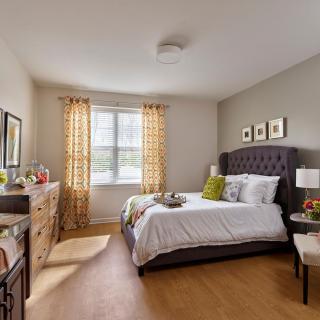
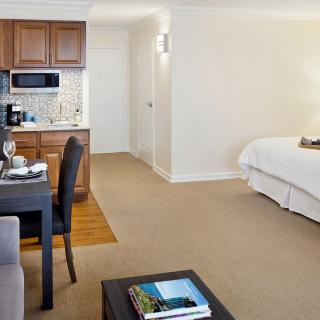
 150 resident community capacity
 1-bedroom apartments
 Assisted Living
 Independent Living
 Memory Care
 Respite Care
 Skilled Nursing Facility
 Cats allowed
 Dogs allowed
 Activities on-site
 Air-conditioning
 Beautician on-site
 Cable or satellite TV
 Cafe
Cafe Computer center
 Devotional services off-site
 Dining room
 Fitness room
 Fully furnished
 Gaming room
 Garden
 Housekeeping services
 Indoor common areas
 Kitchenette
 Laundry
 Move-in coordination
 Outdoor space
 Private bathrooms
 Restaurant-style dining
 Small library
 Telephone
 Wellness center
 Wheelchair accessible showers
 Wi-Fi/high-speed internet available
 LaGuardia (10 miles away)
 Community operated transportation
 12-16 hour nursing
 24-hour call system
 Ambulatory care
 Assistance with bathing
 Assistance with dressing
 Assistance with transfers
 Diabetes diet
 Diabetic care
 Hospice care
 Medication management
 Mental wellness program
 Physical therapy
 Psychiatric care
 Special dietary restrictions
 Arts and crafts
 Book club
 Concierge services
 Cooking club
 Educational speakers / life long learning
 Games
Games Live musical performances
 Planned day trips
 English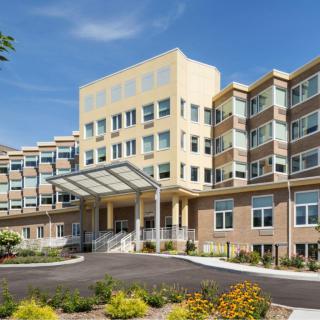
 Affordable memory-care with comprehensive services (24/7 supervision, memory-care programming, meals, transportation, wellness).
 Memory Care Pathways: A Holistic Guide to Dementia Support
 Comprehending Evening Confusion in Dementia: Causes, Manifestations, and Support
 Delirium and Dementia: Unraveling the Key Differences