Nassau Rehabilitation & Nursing Center Costs & Pricing
Nassau Rehabilitation & Nursing Center offers competitive pricing for its various room types compared to both Nassau County and the wider New York state averages. For a studio, residents can expect to pay $3,200, significantly lower than the county's average of $6,045 and the state's average of $4,532. Private rooms are priced between $3,500 and $3,900, which still presents a favorable option when compared to Nassau County's average of $5,742 and New York's average of $5,159. The 1-bedroom accommodations at Nassau Rehabilitation & Nursing Center are available for $3,900, aligning more closely with state pricing but remaining notably below Nassau County's higher average of $6,764. This pricing structure not only highlights the center's value in providing quality care but also positions it as an attractive choice within the regional landscape for long-term care options.
Floor plans
Nassau Rehabilitation & Nursing Center
Nassau County
New York
Studio
$3,200
$6,045
$4,532
Private
$3,500 to $3,900
$5,742
$5,159
1 Bedroom
$3,900
$6,764
$4,307
Skilled Nursing Facilities with a similar price nearby
Overall Review of Nassau Rehabilitation & Nursing Center
common26 reviews mention this
Cleanliness is consistently noted
Residents and visitors repeatedly describe the facility as clean and well kept.
Many reviews emphasize that the building is clean, including the rooms, bathrooms, and overall atmosphere. Visitors also mention that they did not notice odors and that housekeeping standards stood out during their visits. A smaller number of reviews raise specific cleanliness and maintenance problems (such as soiled items or broken conditions), which suggests quality can vary by situation.
common34 reviews mention this
Staff kindness and helpfulness stand out
Across reviews, people describe the staff as polite, friendly, and willing to help.
A large share of reviewers say staff members were courteous, approachable, and attentive during their visits or a loved one’s stay. Several also describe professionalism and teamwork across departments, including front desk, nurses, and aides. At the same time, a few reviews include sharper complaints about care responsiveness and how staff handled calls for help.
caveat7 reviews mention this
Call-button and response time concerns
Some reviews describe delays or gaps when help was needed.
While many reviews are positive about care and communication, several mention times when getting assistance took too long or felt unreliable. Examples include difficulty reaching a nurse by phone and a call button that did not lead to timely help. A separate set of complaints also describes issues with basic support needs, including food left uneaten and soiled items, which residents and families link to staffing responsiveness.
common6 reviews mention this
Recreation and activities get praise
Reviews frequently highlight activities and recreation as a bright spot.
Several reviewers say residents are engaged in activities, and one calls out the recreation department as outstanding. Others describe a more social environment where staff support participation. There are also diet-related comments that suggest daily routines can be tailored differently for individual needs, even when the overall activity presence is appreciated.
caveat5 reviews mention this
Food is mixed, with diet needs noted
Food experiences range from pleased to dissatisfied depending on needs.
Some reviews mention meals positively or describe that family members were happy with what was served. Others specifically complain about food quality, including concerns about puréed options and a feeling that meals were not provided when needed. The community also indicates support for special diets, which aligns with these diet-specific expectations showing up in feedback.
How we summarize
Counts show how many written reviews mention each theme; a review can touch several themes, and only frequently mentioned themes are displayed.
Features
Housing
280 resident community capacity
Types of Care
Skilled Nursing Facility
Amenities
Air-conditioning
Beauty salon
Cable or satellite TV
Computer center
Dining room
Fitness room
Fully furnished
Gaming room
Garden
Housekeeping services
Kitchenette
Move-in coordination
Outdoor space
Private bathrooms
Restaurant-style dining
Small library
Telephone
Wellness center
Wi-Fi/high-speed internet available
Transportation
John F Kennedy International (10 miles away)
LaGuardia (15 miles away)
Community operated transportation
Transportation arrangement
Transportation arrangement (non-medical)
Transportation to doctors appointments
Care Services
12-16 hour nursing
24-hour call system
24-hour supervision
Activities of daily living assistance
Assistance with bathing
Assistance with dressing
Assistance with transfers
Diabetes diet
Meal preparation and service
Medication management
Mental wellness program
Special dietary restrictions
Dining
Diabetes diet
Special dietary restrictions
Activities
Community-sponsored activities
Concierge services
Fitness programs
Planned day trips
Resident-run activities
Scheduled daily activities
Nearby Places of Interest
Pharmacies
CVS Pharmacy (0 miles)
Walgreens (0.6 miles)
CVS Pharmacy (2.2 miles)
CVS Pharmacy (2.5 miles)
Walgreens (2.6 miles)
CVS Pharmacy (3.3 miles)
Walgreens (3.5 miles)
Parks
Coes Neck Park (1.4 miles)
Hempstead Lake State Park (2.1 miles)
Eisenhower Park (3.1 miles)
Newbridge Road Park (5.2 miles)
Newbridge Dog Park (5.4 miles)
Oceanside Park (5.5 miles)
Restaurants
McDonald's (1.4 miles)
Marriott Concierge Lounge (2.2 miles)
Sonic Drive-In (2.7 miles)
Grand Lux Cafe (2.8 miles)
Vincent's Clam Bar (3.1 miles)
Shake Shack (3.1 miles)
Dave & Buster's (3.3 miles)
Theaters
AMC Roosevelt Field 8 (2.9 miles)
AMC DINE-IN Levittown 1 (6.2 miles)
Regal Westbury Imax & RPX (6.2 miles)
Physicians
Winthrop Professional Building (3.2 miles)
Long Island Pediatrics (3.3 miles)
South Nassau Communities Hospital (3.4 miles)
Prohealth Baldwin Harbour Pediatrics (4.2 miles)
Orlin & Cohen Orthopedic Group (4.4 miles)
2 Pro Health Plaza (5.8 miles)
Caring Pediatric Associates (5.9 miles)
Hospitals
Winthrop University Hospital (3.2 miles)
Winthrop University Hospital New Life Center (3.2 miles)
Kaur Rupinder P Do South Nassau Family Medicine Oceanside (3.5 miles)
Nassau University Medical Center (3.6 miles)
Division of Vascular/Interventional Radiology at Long Island Jewish Medical Center (6.2 miles)
Nassau Rehabilitation & Nursing Center offers competitive pricing for its various room types compared to both Nassau County and the wider New York state averages. For a studio, residents can expect to pay $3,200, significantly lower than the county's average of $6,045 and the state's average of $4,532. Private rooms are priced between $3,500 and $3,900, which still presents a favorable option when compared to Nassau County's average of $5,742 and New York's average of $5,159. The 1-bedroom accommodations at Nassau Rehabilitation & Nursing Center are available for $3,900, aligning more closely with state pricing but remaining notably below Nassau County's higher average of $6,764. This pricing structure not only highlights the center's value in providing quality care but also positions it as an attractive choice within the regional landscape for long-term care options.
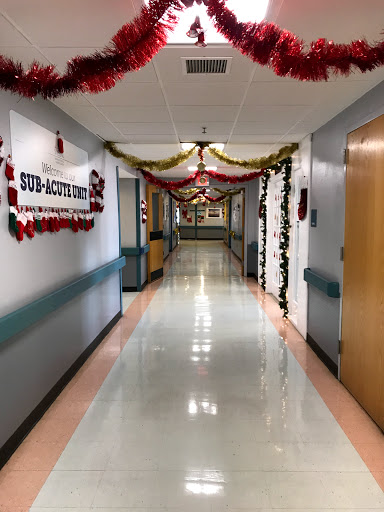
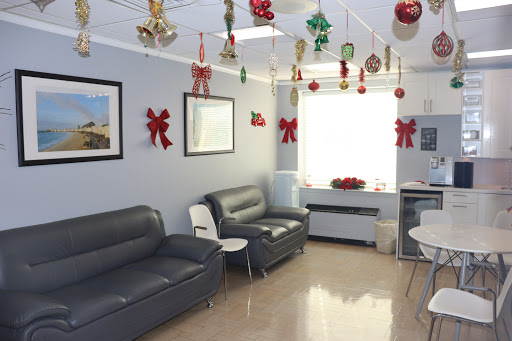
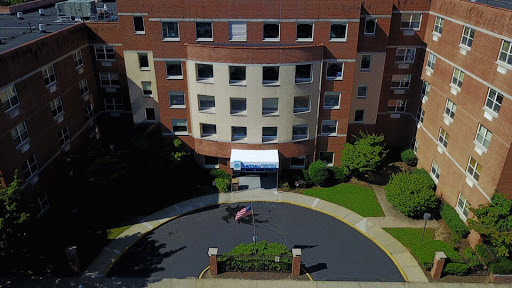
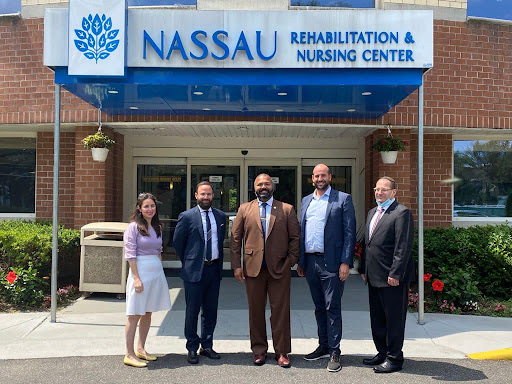
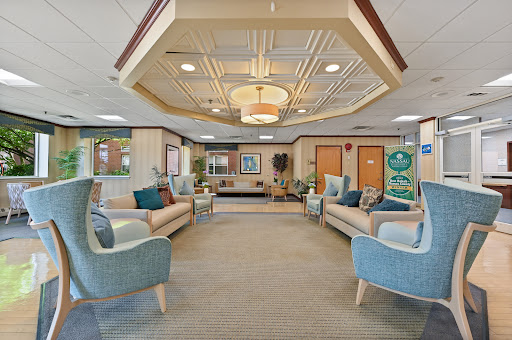
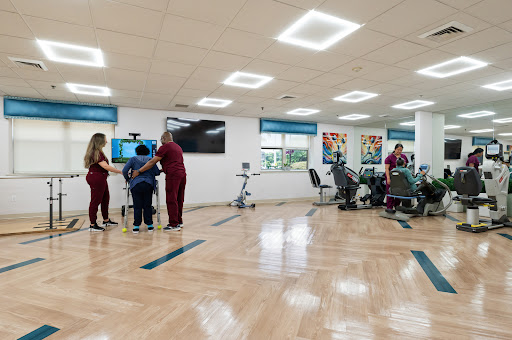
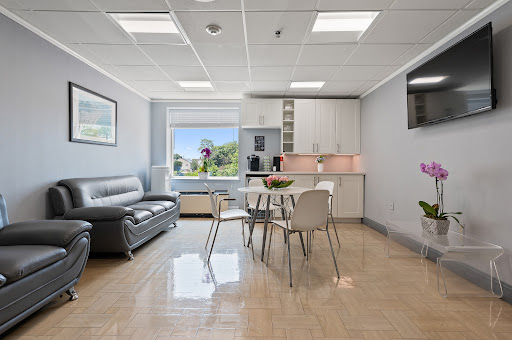
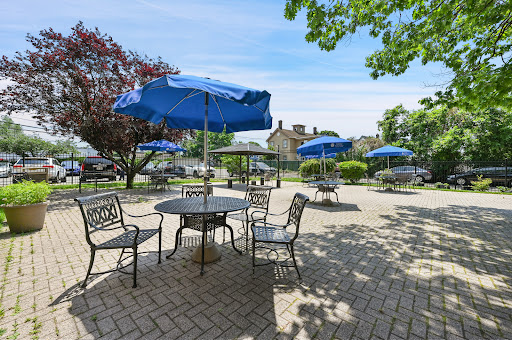
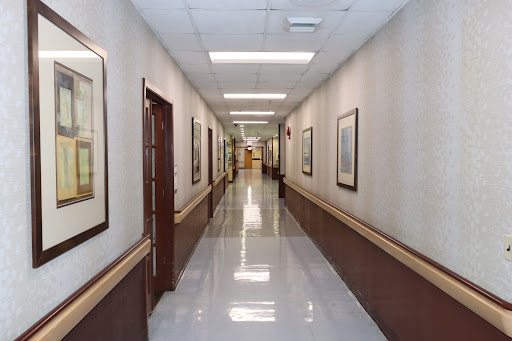
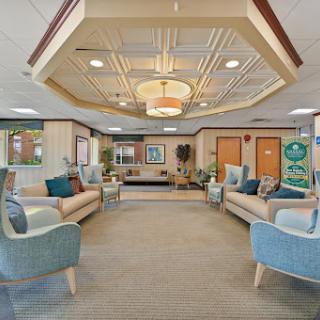
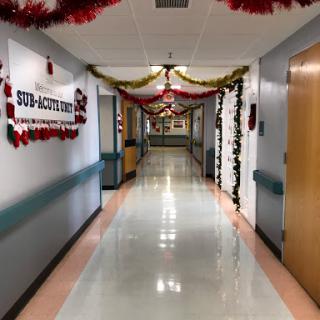
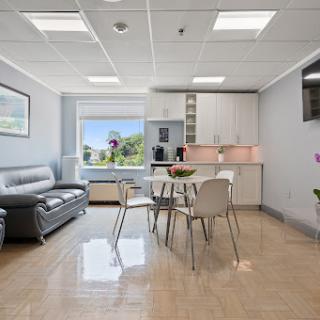
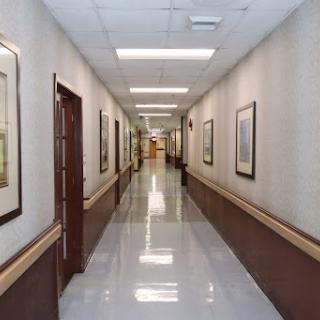
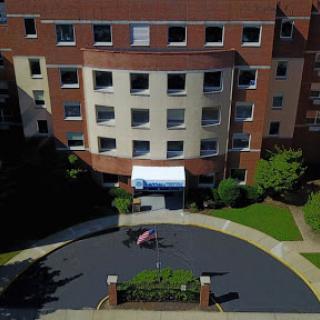
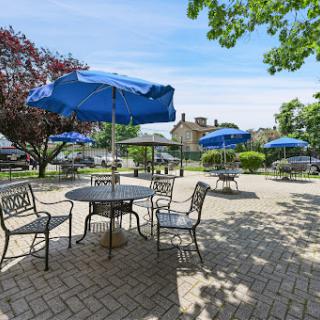
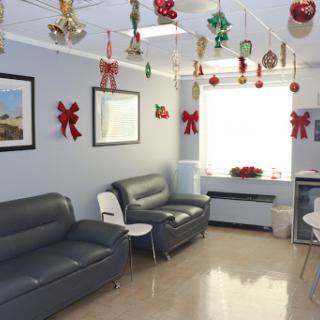
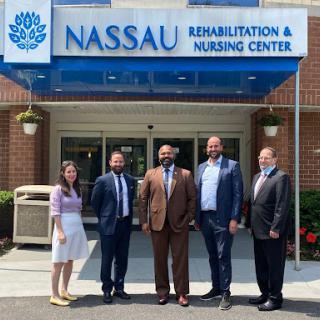
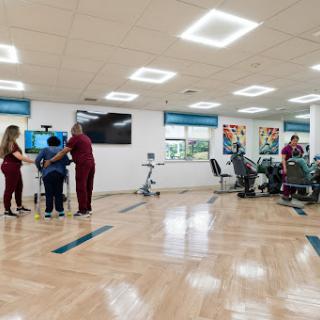
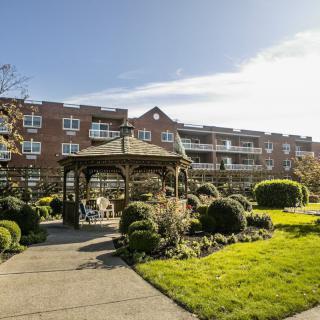
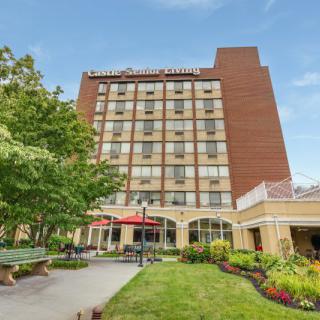
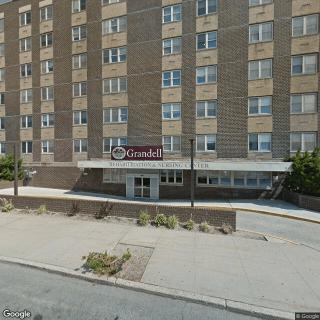
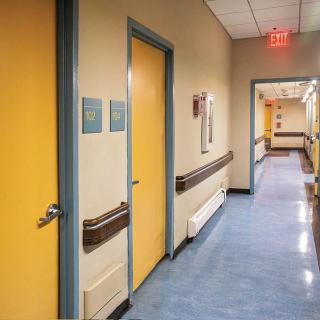
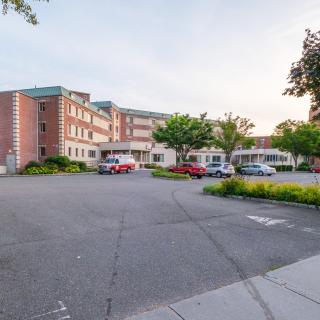
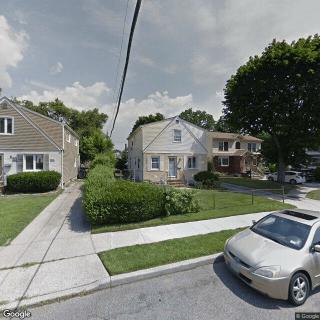
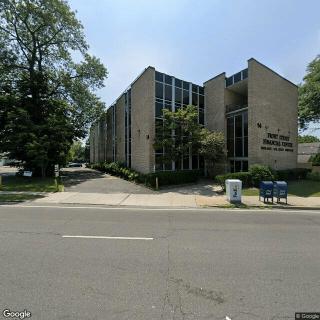
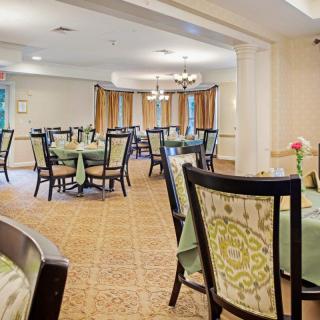
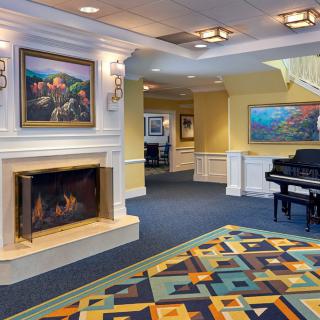
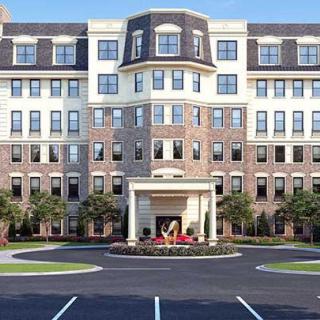
Nassau Rehabilitation & Nursing Center on seniors.fyi includes 10 photos including images showing interior, decor, lighting, outdoor, landscaping, hallway, building, waiting area, and more.
Nearby Communities
Mayfair Care Center
Hempstead, NY
2.7 from 84 reviews
Caring administrator and attentive night nurse.
Hempstead Park Nursing Home
Hempstead, NY
3.8 from 97 reviews
Transparent family updates on residents' health status (COVID-19 communications).
Island Assisted Living
Hempstead, NY
4.4 from 114 reviews
Caring, professional staff in a clean, active community.
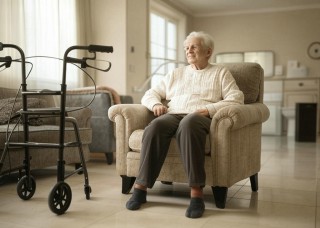
The article highlights eight essential assistive devices that improve the independence and safety of older adults, addressing issues related to mobility, balance, vision, hearing, and dexterity. It emphasizes the importance of proper selection guided by healthcare professionals to enhance seniors' quality of life while allowing them to age in place.
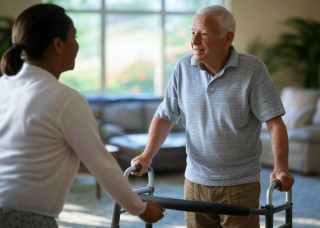
The article offers detailed guidance on the financial complexities of nursing home care, covering costs, payment methods, and alternative funding strategies while emphasizing the importance of proactive planning and legal considerations for individuals and families making care decisions.
The article emphasizes the critical role of supportive employee benefits for caregivers, advocating for flexible scheduling, paid leave, and mental health services to ease their challenges while enhancing employee well-being and organizational loyalty. It also highlights the importance of strong leadership in promoting these initiatives to foster a sustainable workplace culture that values caregivers.
Living Room, Kitchen, Natural Light, and Dining Table
Landscaping
Windows
Building
Architecture and Urban
Trees, Patio, Seating, and Umbrellas
Lighting
Outdoor
Lobby, Waiting Area, and Spacious
Flag
Wall Art
Healthcare
Hallway
Physical Therapy and Therapy Room
Get PricingAsk A QuestionSchedule A TourContact Senior Advisor
By clicking submit, you agree to our Partner's Terms of Use. You
also consent to receive calls and texts, which may be autodialed, from our Partner. Your consent is not a condition to
using our Partner's service. Please visit our Partner's Privacy Policy for information about their privacy practices.



 280 resident community capacity
 Skilled Nursing Facility
 Air-conditioning
 Beauty salon
 Cable or satellite TV
 Computer center
 Dining room
 Fitness room
 Fully furnished
 Gaming room
 Garden
 Housekeeping services
 Kitchenette
 Move-in coordination
 Outdoor space
 Private bathrooms
 Restaurant-style dining
 Small library
 Telephone
 Wellness center
 Wi-Fi/high-speed internet available
 John F Kennedy International (10 miles away)
 Community operated transportation
 12-16 hour nursing
 24-hour call system
 Activities of daily living assistance
 Assistance with bathing
 Assistance with dressing
 Assistance with transfers
 Diabetes diet
 Medication management
 Mental wellness program
 Special dietary restrictions
 Concierge services
 Planned day trips
 Caring administrator and attentive night nurse.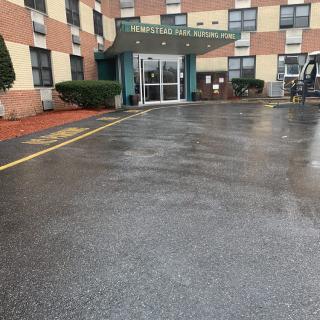

 8 Essential Assistive Devices for Older Adults
 Navigating the Financial Road to Nursing Home Care: In-Depth Guidance and Resources
 Supportive Employee Benefits That Help Caregivers Attain Better Work-Life Harmony