For more information about senior living options: (866) 208-4318
2.7 from 84 reviews
5 stars
30
4 stars
5
3 stars
1
2 stars
5
1 stars
43
Overall Review of Mayfair Care Center
common10 reviews mention this
Social work and administration support
Families describe strong support from specific social workers and administrators.
Several reviews highlight communication and follow-through from social work and administrative staff. Residents’ families mention timely responses to questions, help coordinating medication and care needs, and advocacy during transitions. A number of reviews also call out particular individuals by name, describing them as professional, attentive, and responsive. On the downside, some other reviews focus more on facility-level communication problems, but the positive experiences with casework and leadership are a consistent thread in the feedback.
caveat18 reviews mention this
Care responsiveness is inconsistent
Multiple reviews complain about staffing and care that feels uneven.
A recurring concern in the reviews is that care and attention can lag, with some reviewers describing delays when residents need help. Several reviews also mention communication issues, including problems getting answers on the phone or receiving information. A few reviewers describe getting stuck without proper support for basic needs, while others say physical therapy and related care didn’t keep pace with expectations. At the same time, there are also multiple positive reviews about staff being attentive and on time, suggesting the experience varies across units, timing, or resident needs.
caveat4 reviews mention this
Dining quality draws mixed feedback
Food quality comes up as a concern for some residents and families.
While the community offers restaurant-style dining, several reviews describe dining as only fair or not meeting expectations. Some residents’ families mention meals that weren’t the right fit, or food that felt overly carby, while others describe dinners being missed or handled poorly. One reviewer also specifically mentions that food was “horrible,” even though dietary accommodations like special dietary restrictions are part of the dining approach described in the community’s care and dining information. Overall, dining satisfaction appears uneven in the reviews.
caveat16 reviews mention this
Facility cleanliness and maintenance vary
Reviews vary widely on cleanliness and upkeep.
Some reviews praise the building as clean and well maintained, including comments about daily cleaning and keeping common areas tidy. However, many other reviews raise serious cleanliness and maintenance concerns, including unpleasant odors, dirty rooms, and complaints about the physical condition of the facility. A few reviewers also connect the upkeep concerns with broader concerns about care quality. Together, the feedback suggests cleanliness and maintenance are a common point of disagreement across experiences.
common2 reviews mention this
Local convenience for errands and outings
Nearby pharmacies and parks can make errands and short outings easier.
The area around Mayfair includes nearby pharmacies and parks, which can support everyday needs for families and residents. Reviews mention trips and recreation support as part of the broader experience, and the nearby conveniences align with that day-to-day practicality. While the reviews don’t quantify distances themselves, the location list shows multiple options within a few miles.
How we summarize
Counts show how many written reviews mention each theme; a review can touch several themes, and only frequently mentioned themes are displayed.
Features
Housing
200 resident community capacity
Types of Care
Memory Care
Skilled Nursing Facility
Amenities
Air-conditioning
Beautician on-site
Beauty salon
Cable or satellite TV
Computer center
Dining room
Fitness room
Fully furnished
Gaming room
Garden
Guasts at mealtime
Housekeeping services
Kitchenette
Laundry
Move-in coordination
Outdoor space
Private bathrooms
Restaurant-style dining
Small library
Telephone
Wellness center
Wi-Fi/high-speed internet available
Transportation
John F Kennedy International (9 miles away)
LaGuardia (14 miles away)
Community operated transportation
Transportation arrangement
Transportation arrangement (non-medical)
Transportation to doctors appointments
Care Services
12-16 hour nursing
24-hour call system
24-hour supervision
Activities of daily living assistance
Assistance with bathing
Assistance with dressing
Assistance with transfers
Diabetes diet
Meal preparation and service
Medication management
Mental wellness program
Special dietary restrictions
Dining
Diabetes diet
Room service
Special dietary restrictions
Activities
Community-sponsored activities
Concierge services
Fitness programs
Live musical performances
Planned day trips
Resident-run activities
Scheduled daily activities
Nearby Places of Interest
Pharmacies
CVS Pharmacy (0.2 miles)
Walgreens (0.7 miles)
CVS Pharmacy (2.2 miles)
CVS Pharmacy (2.3 miles)
Walgreens (2.5 miles)
CVS Pharmacy (3.4 miles)
Walgreens (3.6 miles)
Parks
Coes Neck Park (1.3 miles)
Hempstead Lake State Park (2 miles)
Eisenhower Park (3.2 miles)
Newbridge Road Park (5.2 miles)
Oceanside Park (5.4 miles)
Newbridge Dog Park (5.4 miles)
Restaurants
McDonald's (1.5 miles)
Marriott Concierge Lounge (2.3 miles)
Sonic Drive-In (2.9 miles)
Grand Lux Cafe (2.9 miles)
Vincent's Clam Bar (3.2 miles)
Shake Shack (3.2 miles)
Dave & Buster's (3.4 miles)
Theaters
AMC Roosevelt Field 8 (3.1 miles)
AMC DINE-IN Levittown 1 (6.3 miles)
Regal Westbury Imax & RPX (6.4 miles)
Physicians
Long Island Pediatrics (3.1 miles)
Winthrop Professional Building (3.2 miles)
South Nassau Communities Hospital (3.3 miles)
Prohealth Baldwin Harbour Pediatrics (4.1 miles)
Orlin & Cohen Orthopedic Group (4.2 miles)
2 Pro Health Plaza (5.8 miles)
Caring Pediatric Associates (6 miles)
Transportation
LIRR - Rockville Centre Station (3.2 miles)
LIRR - Westbury Station (4.1 miles)
LIRR New Hyde Park Station (4.2 miles)
LIRR - Merrick Station (4.2 miles)
Lynbrook LIRR Station (4.3 miles)
LIRR- Centre Ave (4.3 miles)
LIRR - Floral Park Station (5 miles)
Hospitals
Winthrop University Hospital (3.3 miles)
Winthrop University Hospital New Life Center (3.3 miles)
Kaur Rupinder P Do South Nassau Family Medicine Oceanside (3.3 miles)
Nassau University Medical Center (3.8 miles)
Division of Vascular/Interventional Radiology at Long Island Jewish Medical Center (6.2 miles)
Mayfair Care Center's features are meticulously designed to support residents with dementia and Alzheimer's disease by ensuring safety, dignity, and overall well-being. The 24-hour supervision provides constant monitoring, which is crucial for individuals who may wander or require immediate assistance. Activities of daily living assistance promotes independence while addressing the physical challenges these individuals often face; services like bathing and dressing enhance personal hygiene and self-esteem. Assistance with transfers ensures safe mobility, reducing the risk of falls or injury. Meal preparation and service cater to dietary needs while encouraging social interaction during mealtimes, creating a comforting atmosphere. Medication management prevents medication errors and ensures that residents receive their prescribed therapies on time, which is vital for managing symptoms. Finally, a mental wellness program engages residents cognitively and emotionally, fostering connections that enrich their lives despite the challenges posed by memory-related conditions. Together, these features create a holistic environment that prioritizes both safety and quality of life for those in their care.
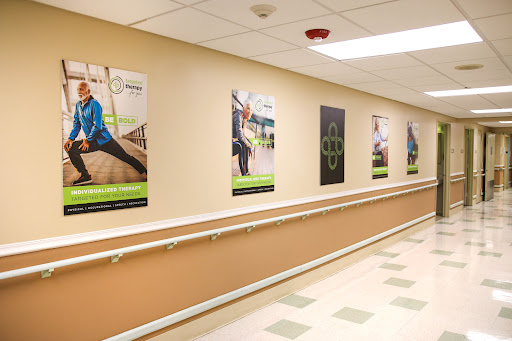
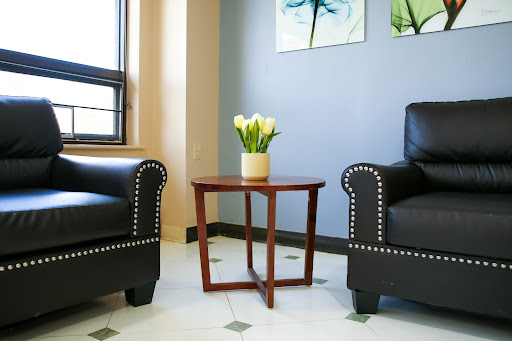
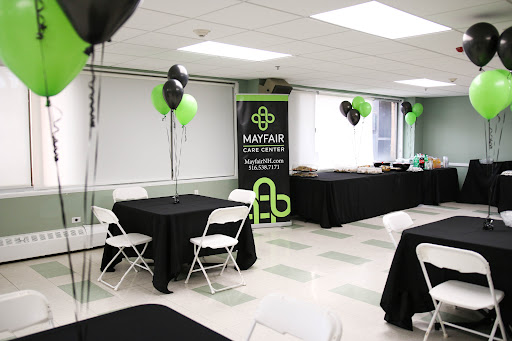
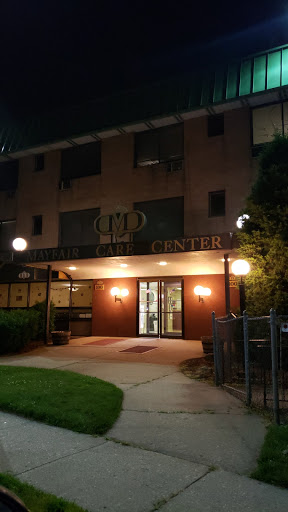
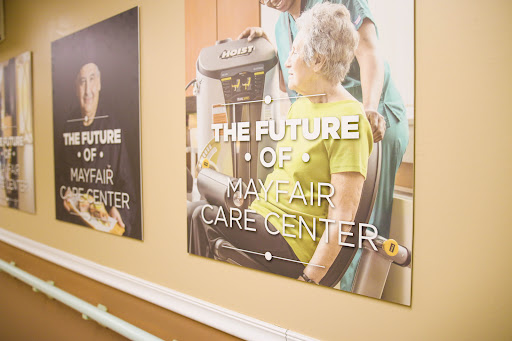
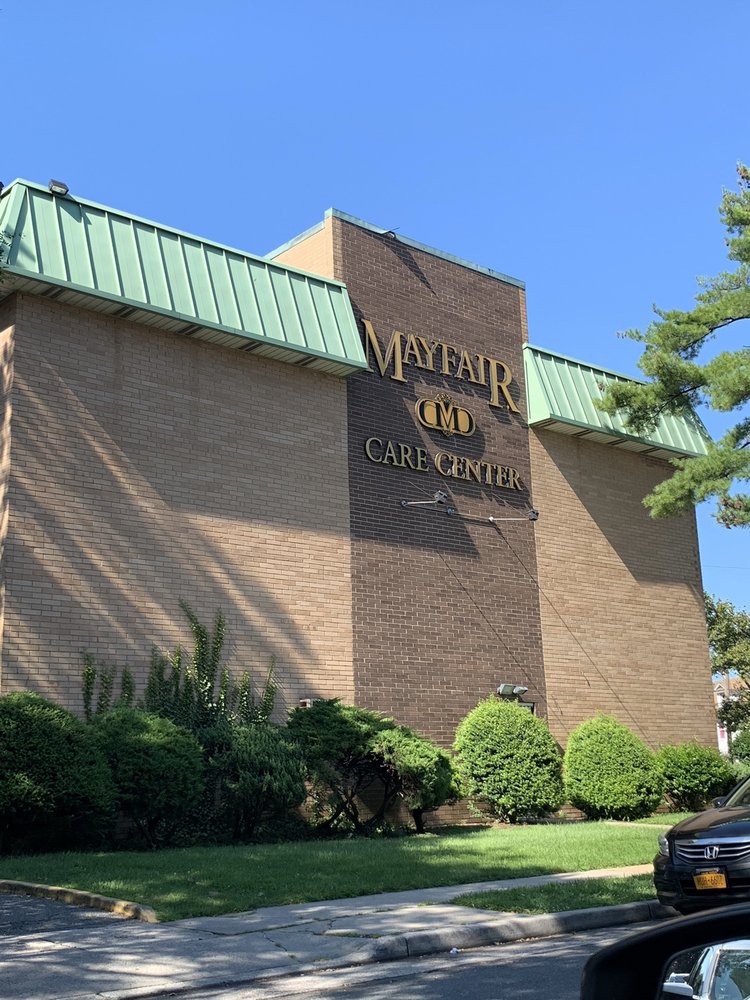
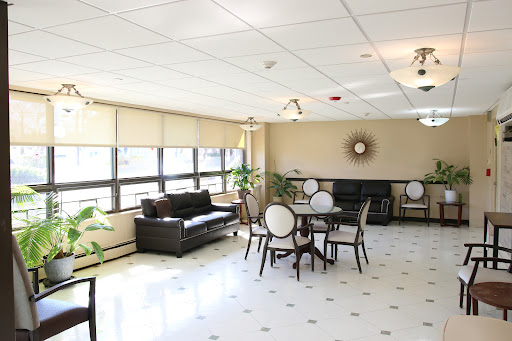
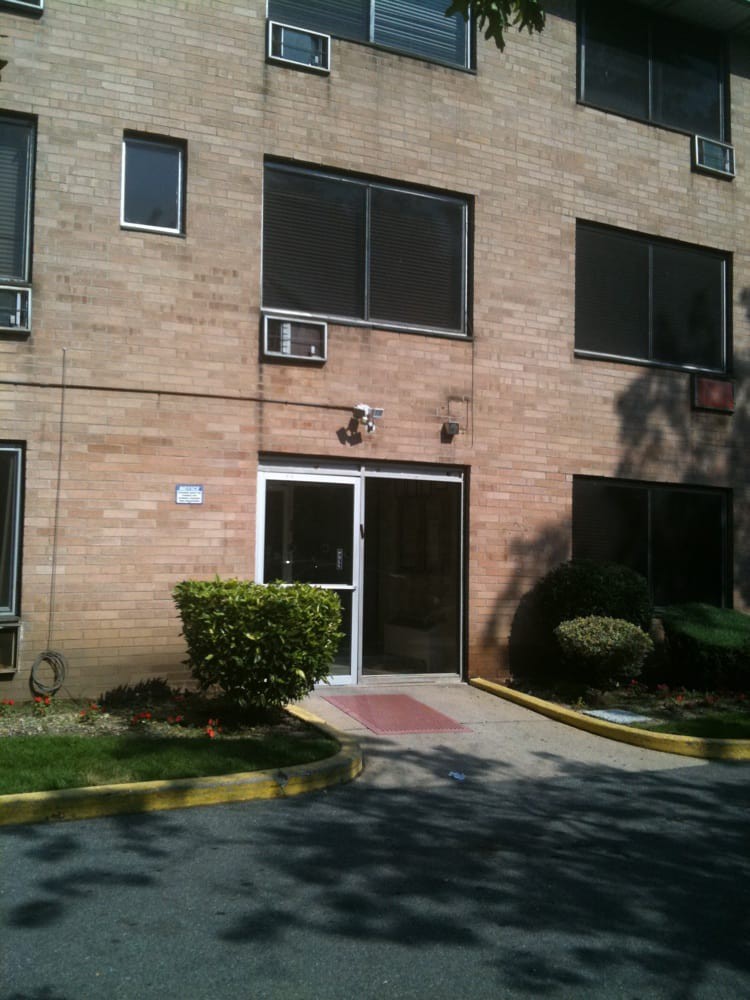
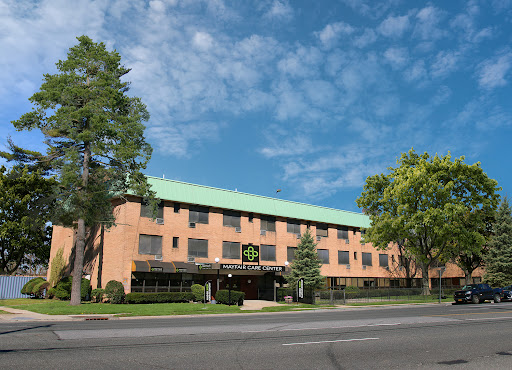
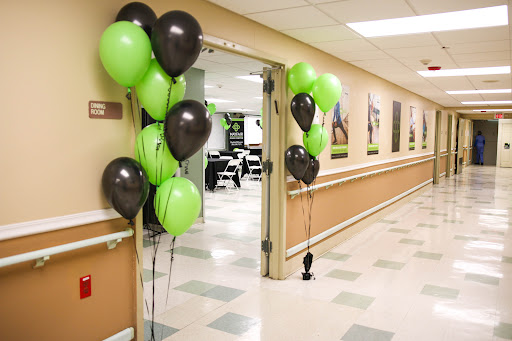
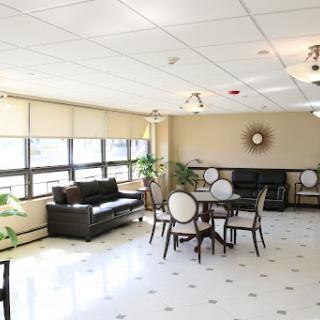
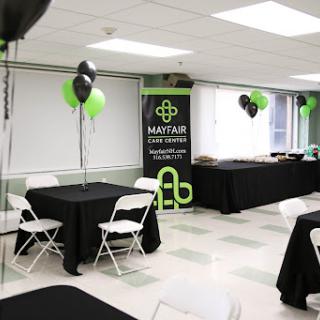
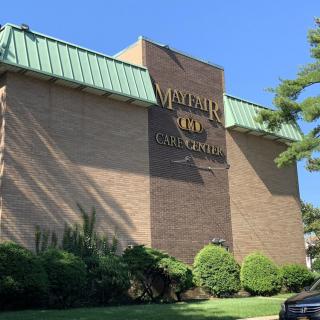
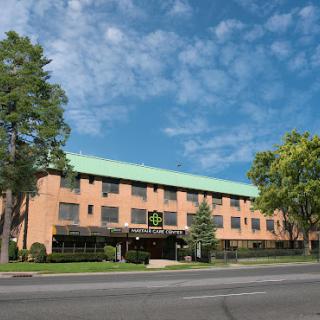
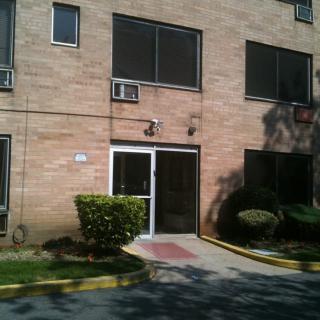
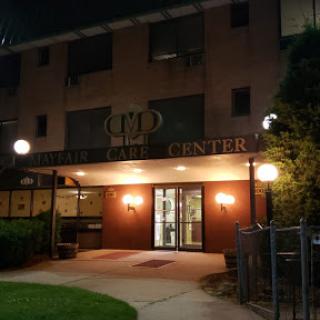
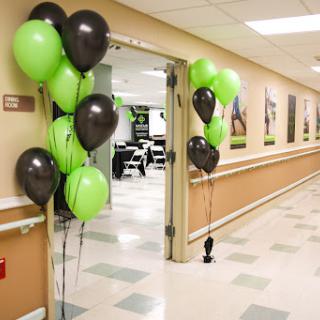
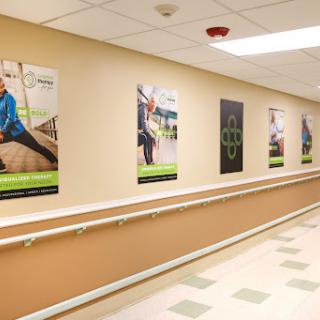
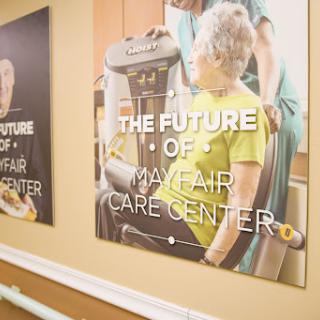
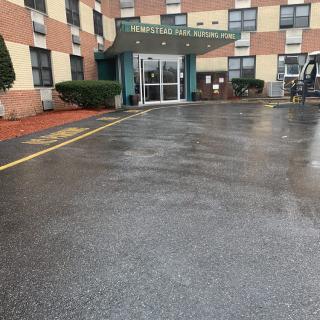
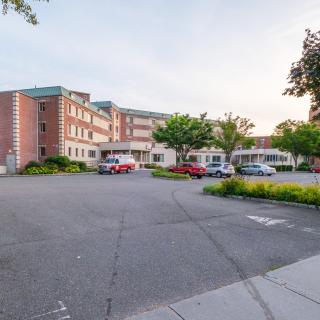
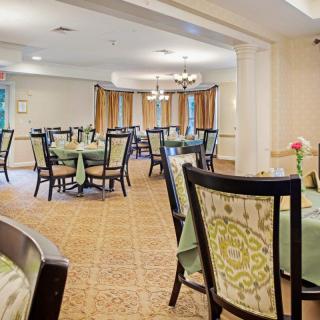
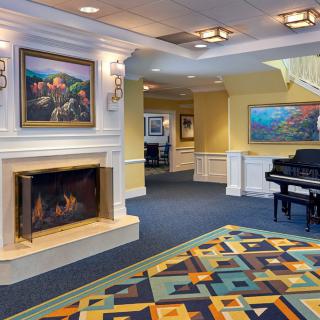
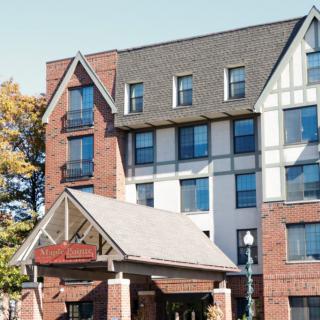
Mayfair Care Center on seniors.fyi includes 12 photos including images showing building, interior, exterior, hallway, decor, landscaping, rehabilitation, trees, and more.
Nearby Communities
Nassau Rehabilitation & Nursing Center
Hempstead, NY
4.6 from 120 reviews
$3,200 to $3,900 / month
Competitive pricing relative to Nassau County and New York state averages, with private rooms and 1-bedroom options plus extensive on-site amenities (private baths, dining, wellness center, transportation).
Dementia encompasses progressive neurological disorders that impair cognitive functions and can lead to paranoia due to cognitive decline and emotional changes. The article discusses the triggers of paranoia in dementia, caregiver strategies for managing it, and the importance of distinguishing between dementia-related paranoia and other psychiatric conditions.
Memory care activities are essential for improving the quality of life of seniors with cognitive impairments, as they stimulate cognitive function, promote well-being, and encourage social interaction through tailored strategies. These activities combine structured exercises with spontaneous tasks, sensory engagement, physical workouts, creative pursuits, and intergenerational interactions to enhance emotional connection and a sense of purpose.
Transitioning from assisted living to memory care is driven by an individual's cognitive decline and specific needs, requiring careful evaluation of indicators like increased confusion and wandering. The process involves consulting medical professionals, researching suitable communities, considering financial and legal aspects, and ensuring effective communication for personalized care plans.
Get PricingAsk A QuestionSchedule A TourContact Senior Advisor
By clicking submit, you agree to our Partner's Terms of Use. You
also consent to receive calls and texts, which may be autodialed, from our Partner. Your consent is not a condition to
using our Partner's service. Please visit our Partner's Privacy Policy for information about their privacy practices.



 200 resident community capacity
 Memory Care
 Skilled Nursing Facility
 Air-conditioning
 Beautician on-site
 Cable or satellite TV
 Computer center
 Dining room
 Fitness room
 Fully furnished
 Gaming room
 Garden
 Housekeeping services
 Kitchenette
 Laundry
 Move-in coordination
 Outdoor space
 Private bathrooms
 Restaurant-style dining
 Small library
 Telephone
 Wellness center
 Wi-Fi/high-speed internet available
 John F Kennedy International (9 miles away)
 Community operated transportation
 12-16 hour nursing
 24-hour call system
 Activities of daily living assistance
 Assistance with bathing
 Assistance with dressing
 Assistance with transfers
 Diabetes diet
 Medication management
 Mental wellness program
 Special dietary restrictions
 Concierge services
 Live musical performances
 Planned day trips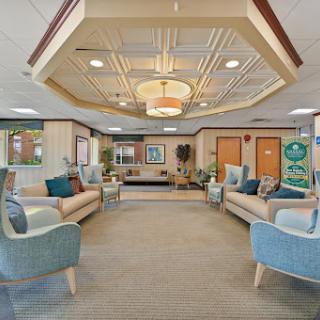
 Competitive pricing relative to Nassau County and New York state averages, with private rooms and 1-bedroom options plus extensive on-site amenities (private baths, dining, wellness center, transportation).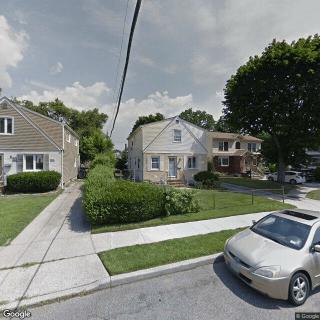

 Dementia, Paranoia, and Caregiver Guidance: Understanding the Connection
 Engaging Memory Care Activities That Enhance Quality of Life
 When to Transition from Assisted Living to Memory Care: Key Indicators, Steps, and Finding the Right Community