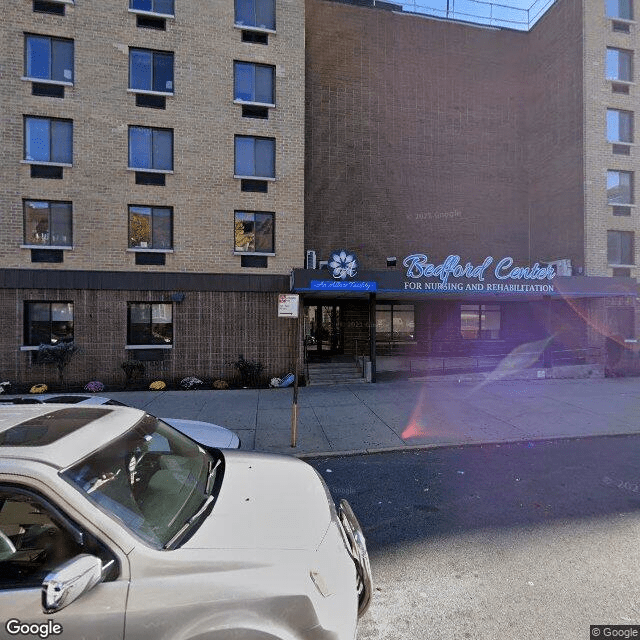
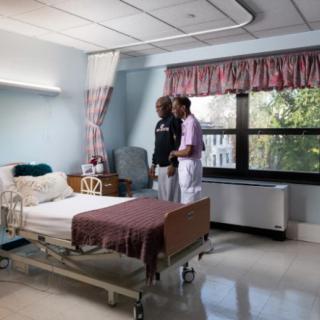
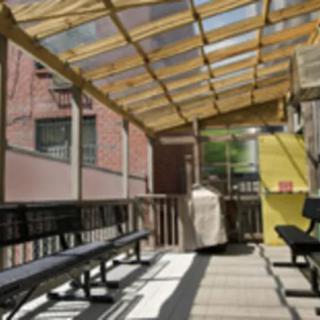
Keser Nursing and Rehabilitation Center, Inc in Brooklyn, NY
Save
Information last verified:
40 Heyward St, Brooklyn, NY 11211
For more information about senior living options: (844) 490-3973
Keser Nursing and Rehabilitation Center in Brooklyn is best suited for families seeking a rehab-focused stay where intensive physical therapy and a culturally attuned environment are the priorities. The center’s strongest selling points sit in the rehab arena: dedicated PT/OT teams that many families describe as expert and persistent, in-house medical oversight that supports continuity of care, and a home-like feel reinforced by religious and community programming. For families who value a facility that can blend medical recovery with Jewish cultural services and kosher dining, Keser presents a coherent, purpose-built option. The atmosphere is often praised as clean, welcoming, and staff-driven, with a clear emphasis on getting residents back to daily routines.
That said, there are clear reasons some families should consider alternatives. Several reviewers flag fluctuating staffing levels and uneven attention on certain shifts, which can affect responsiveness and consistency of care. Privacy and control concerns recur in several accounts, including mentions of on-site cameras and restrictions that can feel intrusive. There are also distressing allegations around property damage, alleged theft, and miscommunications that point to gaps in accountability. For families whose loved ones require non-religious programming, non-Kosher meals, or a facility with less emphasis on cultural services, Keser may not align with those needs. Finally, questions about billing practices and discharge planning appear in a portion of reviews, suggesting a prudent diligence when evaluating financial and transition processes.
On the positive side, the pros largely center on rehab outcomes and attentive nursing support. Families repeatedly highlight the rehab team’s dedication and progress, with therapists who push for real functional gains and a willingness to extend sessions when needed. In-house physicians and a cohesive nursing staff translate to smoother daily care and quicker adjustments to treatment plans. The facility’s religious life, minyanim, Kiddush, and kosher meals, offers a meaningful sense of community for residents who value that structure, and multilingual social workers and interpreters help families navigate paperwork and appointments. The combination of clean facilities, accessible family spaces, and ongoing social engagement creates a practical, therapeutic environment for recovery.
The main drawbacks do what they can to offset the obvious strengths, but not always fully. Where rehab quality shines, inconsistencies in staffing and perceived gaps in on-the-spot attentiveness can undercut the experience. Privacy concerns and the impression that personal conversations are monitored leave some families uneasy about long-term comfort and dignity. Allegations of property loss or misbilling are not uniformly experienced, but they are persistent enough to warrant careful due diligence. Dining quality is described as variable, with some residents needing external meal options, which can erode the perceived value of the included food service. Taken together, the strengths in therapy and care are substantial, but they do not erase all risk factors or frustrations noted by families.
For families weighing decisions, the calculus is clear. If recovery goals center on aggressive rehabilitation, reliable nursing oversight, and a culturally supportive environment that helps residents feel at home, Keser stands out as a strong candidate. The facility’s ability to orient care around Jewish practices, languages, and family engagement is not a cosmetic feature but a core operating principle that accelerates comfort and cooperation in the rehab process. However, if concerns about staffing consistency, privacy, billing transparency, or non-religious preferences weigh heavily, it is essential to explore alternatives or demand detailed assurances before admission. A thoughtful approach includes speaking with the administrator, requesting current staffing ratios by shift, and reviewing recent incident, billing, and discharge records.
In practical terms, prospective families should schedule a thorough in-person assessment and tour that focuses on three questions: what is the current staffing pattern on the units most similar to the loved one’s care needs, how quickly are call bells answered during peak hours, and what is the process for discharge planning and post-acute follow-up? Ask for a recent patient-to-nurse ratio, request to meet the social worker who would coordinate language or cultural needs, and verify the availability of private room options and family visitation policies. If the answers align with recovery goals, cultural preferences, and transparent finance, Keser becomes a compelling, actionable choice. If not, it is prudent to keep exploring until a facility genuinely matches the family’s priorities and expectations.
Keser Nursing and Rehabilitation Center, Inc is an assisted living community located in Brooklyn, NY. Situated in a bustling neighborhood, this center offers a variety of amenities and services to cater to the needs of its residents.
With three cafes nearby, residents can enjoy a cup of coffee or grab a quick bite with friends and family. Additionally, there are 23 parks nearby providing opportunities for leisurely walks, picnics, or outdoor activities.
The convenience of having 41 pharmacies in close proximity ensures that residents have easy access to their medications and medical supplies. In case of emergencies or specialized care requirements, four hospitals are also located nearby for prompt medical attention.
For dining options, there are six restaurants nearby offering a range of cuisines to cater to different tastes. Residents have the opportunity to explore various culinary experiences without venturing far from home.
Transportation is made easy with 20 transportation options available nearby. This allows residents to conveniently access the community as well as explore the surrounding areas for entertainment or shopping purposes.
In terms of recreational activities, three theaters nearby provide opportunities for residents to enjoy movies, plays, and live performances without having to travel too far.
Overall, Keser Nursing and Rehabilitation Center provides residents with a vibrant community surrounded by various amenities and services that enhance their overall well-being and quality of life.
Located in the vibrant borough of Brooklyn, this particular neighborhood offers a range of amenities that cater to senior living. With several pharmacies including Duane Reade and CVS nearby, accessing medication and healthcare essentials is convenient. The area is also home to various cafes like The West and East One Coffee Roasters, perfect for socializing or enjoying a cup of coffee. For nature enthusiasts, there are numerous parks such as Herbert Von King Park and Fort Greene Park within close proximity. Transportation options include multiple subway stations and the LIRR, providing easy access to the rest of New York City. Additionally, a variety of restaurants like Kimbap Lab and Katz's Deli offer diverse dining options. For entertainment, there are theaters like Alamo Drafthouse Downtown Brooklyn and hospitals such as NewYork-Presbyterian Brooklyn Methodist Hospital and VA Medical Center nearby for healthcare needs. Overall, this neighborhood provides a well-rounded environment for seniors seeking convenience, comfort, and accessibility in their daily lives.
Keser Nursing and Rehabilitation Center, Inc is located at 40 Heyward St, Brooklyn, NY 11211 in Kings County, New York
Older adults with urinary tract infections (UTIs) often present atypical symptoms, complicating diagnosis due to factors like incomplete bladder emptying and chronic health conditions that increase their susceptibility. Effective management involves prompt treatment with antibiotics, hydration, and preventive strategies while minimizing antibiotic resistance and focusing on holistic care approaches.
California's Form 602A: An In-Depth Examination of Senior Care Assessment

California's Form 602A is a vital tool for evaluating the health needs of seniors seeking residential care, detailing their medical conditions and daily living requirements to ensure proper service alignment. This standardized form enhances communication among physicians, families, and facilities, serving as a regulatory measure for admissions and ongoing care while adapting to changing healthcare practices.
Comprehensive Look at Senior Blood Pressure Charts: Normal and Elevated Levels by Age
The overview of blood pressure management for seniors emphasizes the importance of monitoring and interpreting blood pressure readings, noting that normal ranges can vary due to age-related factors and individual health conditions. It highlights tailored guidelines for systolic and diastolic levels, the necessity of early detection and consistent management to prevent serious health complications, and advocates for personalized care strategies that incorporate lifestyle changes and medication adherence.