For more information about senior living options: (866) 208-4318
3.1 from 50 reviews
5 stars
22
4 stars
5
3 stars
1
2 stars
2
1 stars
20
Overall Review of Dr Susan Smith Mckinney Nursing And Rehab Center
common37 reviews mention this
Staff care feels uneven
Residents describe both attentive, respectful care and serious lapses in how patients are treated.
Many reviews highlight caring, respectful staff members, with families praising therapists, nurses, and other team members for professionalism and good day-to-day support. Several residents also describe strong rehabilitation help, cleanliness while visiting, and staff who manage problems quickly. At the same time, other reviewers report neglect, harsh or unprofessional behavior, and unsafe conditions like being left without help for long stretches. The result is a consistently mixed picture of staffing quality and reliability.
caveat7 reviews mention this
Communication is a frequent issue
Several families struggle to reach the facility or get clear answers.
Multiple reviews complain that calls go unanswered or that messages do not get returned, making it hard to confirm a loved one’s status. A few families also describe difficulty coordinating with social work or supervisors about discharge planning, including concerns about delays and getting the right home-care choice. Some reviewers say they receive inconsistent answers when trying to reach their family member. Overall, timely communication appears to be a recurring frustration.
common9 reviews mention this
Cleanliness gets strong praise
Many reviewers specifically call out the facility’s cleanliness and upkeep.
Several residents and families describe the building as clean and well kept, including reduced concerns about odors during visits. Others add praise for maintenance and housekeeping, and a number of reviews connect the clean environment with feeling comfortable about care. A smaller set of reviewers raise cleanliness-related safety concerns, including complaints about how rooms and related items were handled. So while cleanliness is often praised, there are also notable exceptions.
differentiator9 reviews mention this
Rehab therapy is decisive
Therapy support is described as either a turning point or a major shortcoming.
Some reviews credit the therapy team with real progress, including walking again and feeling mentally ready for rehabilitation work. Families also describe therapists as kind, patient, and engaged, and they mention rehabilitation steps toward discharge. Other reviewers describe the opposite experience, saying therapy was inadequate or not delivered as ordered, and that progress stalled. There are also concerns in a few accounts about infection and treatment management during the rehab stay, which further affects how people evaluate the rehab program.
common2 reviews mention this
Nearby hospitals and transit
The surrounding area includes hospitals and public transit within a few miles.
Several nearby options include hospitals and transportation, which can matter for care coordination and getting to appointments. Reviews vary widely on overall communication and follow-through, so having nearby access may be especially important for families trying to stay informed and involved. For everyday convenience, nearby pharmacies and parks are also listed within a few miles.
How we summarize
Counts show how many written reviews mention each theme; a review can touch several themes, and only frequently mentioned themes are displayed.
The guide outlines the eligibility criteria for home health care services, emphasizing clinical requirements, insurance options, and application processes. It distinguishes between Medicare's strict and Medicaid's flexible qualifications while addressing challenges families may face in securing necessary care at home.
Elder abuse affects many older adults worldwide and includes physical, emotional, neglectful, and financial harm, with about one in six individuals over 60 experiencing abuse annually. Prevention and intervention strategies focus on awareness, support for caregivers, and mandatory reporting, while recovery necessitates comprehensive support for both physical and emotional needs.
The guide details ten essential responsibilities of senior caregivers, including personal care, mobility assistance, medication management, and emotional support, while emphasizing the importance of safety, nutrition, and maintaining a safe living environment to enhance seniors' quality of life and independence.
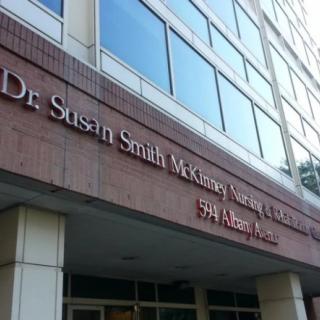
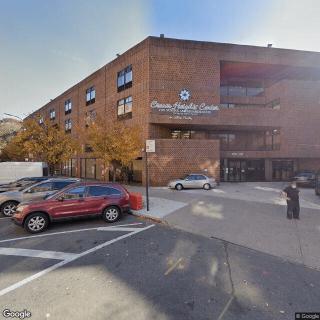
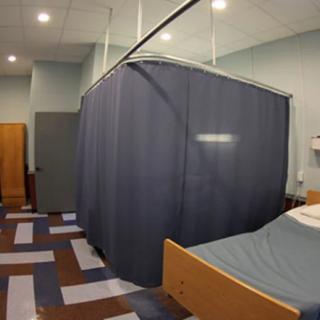
Dr Susan Smith Mckinney Nursing And Rehab Center photos
×
Building
Building, Entrance, and Facility
Get PricingAsk A QuestionSchedule A TourContact Senior Advisor
By clicking submit, you agree to our Partner's Terms of Use. You
also consent to receive calls and texts, which may be autodialed, from our Partner. Your consent is not a condition to
using our Partner's service. Please visit our Partner's Privacy Policy for information about their privacy practices.


 320 resident community capacity
 Skilled Nursing Facility
 Air-conditioning
 Beauty salon
 Cable or satellite TV
 Computer center
 Dining room
 Fitness room
 Fully furnished
 Gaming room
 Garden
 Housekeeping services
 Kitchenette
 Move-in coordination
 Outdoor space
 Private bathrooms
 Restaurant-style dining
 Small library
 Telephone
 Wellness center
 Wi-Fi/high-speed internet available
 John F Kennedy International (9 miles away)
 Community operated transportation
 12-16 hour nursing
 24-hour call system
 Activities of daily living assistance
 Assistance with bathing
 Assistance with dressing
 Assistance with transfers
 Diabetes diet
 Medication management
 Mental wellness program
 Special dietary restrictions
 Concierge services
 Planned day trips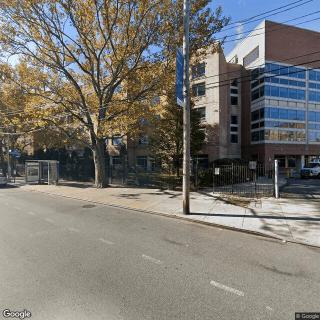
 Strong access to nearby amenities and healthcare.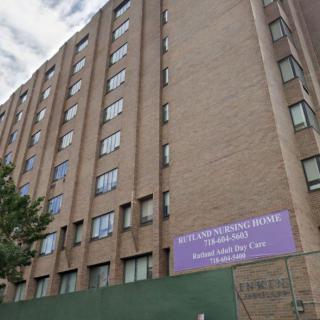




 Comprehensive Guide to Qualifying for Home Health Care Services
 Powerful Realities of Elder Abuse and the Most Effective Ways to Report It
 Ten Vital Duties of a Senior Caregiver: A Comprehensive Guide