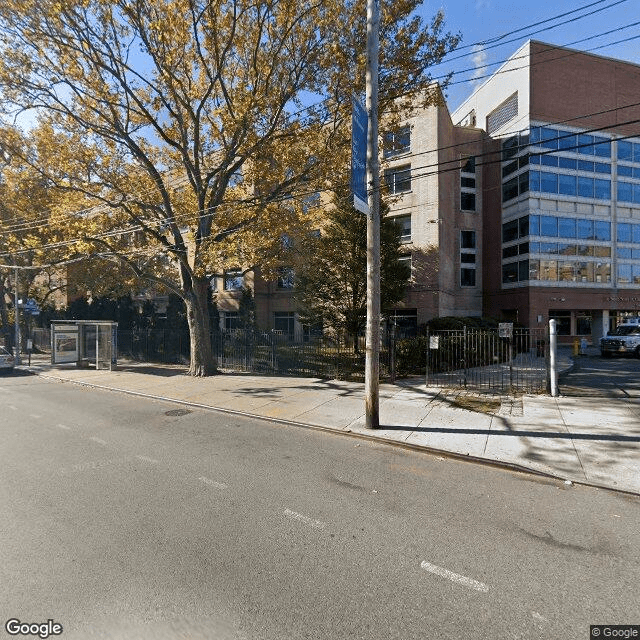
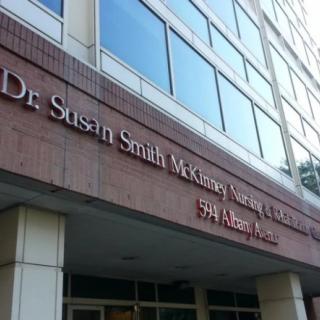
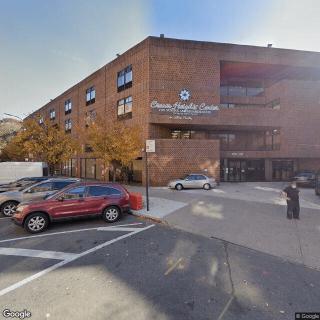
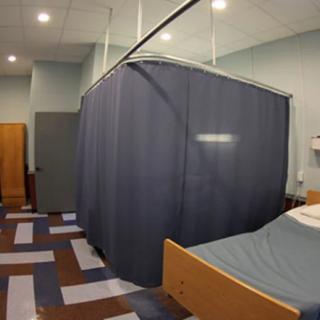
Dr Susan Smith McKinney Nursing & Rehab Ctr
Save
594 Albany Ave, Brooklyn, NY 11203
For more information about senior living options: (844) 490-3973
What level of care are you interested in?

Assisted Living

Memory Care

Independent Living

Skilled Nursing Facility

Continuing Care Retirement Community (CCRC)CCRC

Other
This facility is a mixed bag of experiences that leaves a strong impression on anyone who walks through its doors. On one hand, there are glowing memories of compassionate rehab care and a few staff members who truly shine. On the other hand, there are repeated and well-documented complaints about patient privacy violations, disrespectful conduct, and a pattern of communication failures that make families feel left in the dark. The tension between these two worlds creates a sense of confusion and distrust that can be hard to shake.
Several reviewers paint a troubling picture of day-to-day operations that border on invasive and unprofessional. Allegations include EVS staff on the 4th floor harassing patients, and claims that staff go through patients' belongings - a serious breach of privacy and dignity. One account highlights a tall nurse aide from Jamaica on the 3rd floor who allegedly talks to patients with little to no respect. Add to this a repeated accusation that staff, including management, are rifling through patient belongings, and the call for accountability becomes hard to ignore. A nursing supervisor is described as someone who should be terminated immediately, signaling a broader concern about the culture and leadership at the facility.
Communication, or the lack thereof, appears to be a chronic pain point. Numerous reviews report that no one answers the phone, or that calls are bounced around without results. The hospital's social workers, admissions, and nursing departments are said to receive calls all day with little to no response. In some cases, families feel stonewalled or misinformed, only to be given inconsistent answers by different staff members. The frustration isn't limited to administrative lines; some families describe grim scenarios where loved ones wait without timely updates, leaving them to fear for safety or well-being.
Amid the complaints, there are also bright spots that many reviewers remember with gratitude. The rehabilitation team is repeatedly praised for their professionalism and warmth. One account describes therapists who introduced themselves immediately, prepared patients mentally for the work ahead, and pushed them to their limits in a supportive, respectful way. The same reviewer emphasizes that the entire rehab staff could remember each patient's name and treat everyone with care, even if they weren't directly assigned to them. A five-star endorsement is offered to the staff member Susan Smith McKinney in one testimonial, capturing a moment of appreciation amid broader concerns. There are also affirmations about the facility's cleanliness and the quality of meals on certain days, suggesting that when things go right, the experience can be genuinely reassuring.
Personal stories underscore the high stakes of these issues. A dramatic account of a devastating fall and severe injuries highlights the importance of effective therapy and mental readiness as part of the rehabilitation journey. That reviewer frames the rehab experience as life-changing, with therapists who were kind and patient and who helped them regain the ability to walk. Yet elsewhere, a contrasting tale recounts a different chapter: prolonged neglect, delayed or absent therapy services, and a sense that loved ones were not receiving adequate attention. In such narratives, therapy decline and inconsistent care correlate with deteriorating health outcomes, painting a stark opposition to the more uplifting rehab narratives.
Infection control and medical missteps also surface in several reviews. A great-aunt's experience raises alarms about mismanaged infections and delayed treatment, with reports of fungal versus bacterial misdiagnoses and a cascade of problems that culminated in septic complications. The care environment is described as unsanitary in critical moments - mask hygiene, room cleaning, and overall infection prevention are highlighted as urgent concerns. The emotional weight of these experiences is compounded by anecdotes about families discovering their loved ones in situations that felt unsafe or inadequately managed, reinforcing the perceived need for systemic changes.
Discrimination and prejudice are invoked in some of the more charged reviews, describing a sense that patients outside certain cultural or racial contexts faced barriers to care. A specific incident involves a patient's perception that care was declined for a parent because of race or neighborhood dynamics, coupled with troubling statements about the hospital "not wanting black patients." While these accounts reflect a painful and controversial perspective, they contribute to the overall impression that equity and inclusion require more robust safeguards and clearer, compassion-driven practices.
Taken together, the reviews present a facility whose reputation is built on moments of exceptional care and professionalism, counterbalanced by alarming reports of privacy violations, neglect, and communication breakdowns. The rehab team's strengths offer a hopeful counterpoint to the more troubling threads of patient abuse allegations, phone barriers, and perceived discrimination. For anyone considering care here, the messages are clear: there are dedicated, skilled clinicians who can make a real difference in rehabilitation and recovery, but there are systemic problems that urgently need addressing - privacy protections, respectful conduct, reliable communication, consistent therapy access, and a strong commitment to equity and patient safety.
If you or a loved one is connected to this facility, it may be wise to prepare for multiple potential experiences: to advocate actively for respectful treatment and privacy, to document communications and care plans, and to seek leverage through patient advocates or family liaisons when navigating calls, bed availability, and discharge decisions. For those who value rehabilitation staff and a generally clean environment, there are nonetheless compelling reasons to push for organizational improvements and greater accountability at every level. The overarching message is that improvement is essential, and families deserve transparent updates, consistent care, and a culture that treats patients with the dignity and respect they deserve.
The Dr Susan Smith McKinney Nursing & Rehab Center in Brooklyn, NY is an assisted living community that provides comprehensive care for its residents. Located in a vibrant neighborhood, this facility offers a range of amenities and services to ensure the comfort and well-being of its residents.
Within close proximity to the center, there are three cafes where residents can enjoy a cup of coffee or tea with friends or family. These cafes provide a cozy atmosphere for socialization and relaxation.
For those who enjoy outdoor activities, there are 14 parks nearby where residents can take leisurely strolls, engage in exercise routines, or simply bask in the beauty of nature. These parks offer tranquility and opportunities for recreational activities.
In terms of healthcare needs, the Dr Susan Smith McKinney Nursing & Rehab Center is advantageously located near 38 pharmacies. This ensures convenient access to medications and medical supplies for the residents. Additionally, there is one physician situated nearby who can provide medical consultations and check-ups as necessary.
Residents have various dining options with six restaurants in close proximity to the facility. Whether craving local cuisine or international flavors, these restaurants cater to diverse culinary preferences.
Transportation is also readily available with 20 transportation options nearby. This allows residents to easily access shopping centers, entertainment venues, or any other desired destinations within the vicinity.
For those interested in cultural experiences, two theaters are situated near the center. Residents have the opportunity to enjoy live performances such as plays, musicals, and concerts without having to travel far.
Lastly, having four hospitals nearby ensures that immediate medical attention is accessible when needed. This proximity offers peace of mind both for residents and their families knowing that emergency care is conveniently available.
With its prime location surrounded by various amenities and services tailored towards supporting a fulfilling lifestyle for its residents, the Dr Susan Smith McKinney Nursing & Rehab Center provides a welcoming environment where individuals can find comfort, quality care, and an engaging community.
This part of Brooklyn, New York, offers a convenient location with easy access to several hospitals and pharmacies within a short distance. The area is also well-connected with multiple subway stations nearby, providing reliable transportation options. For leisure and recreation, there are several parks and theaters in the vicinity, offering opportunities for outdoor activities and entertainment. Additionally, there are various cafes and restaurants to enjoy dining experiences. In terms of healthcare services, there are reputable physicians and optical centers available for regular check-ups and medical needs. Overall, this neighborhood provides a mix of amenities that cater to a comfortable senior living experience.
Dr Susan Smith McKinney Nursing & Rehab Ctr is located at 594 Albany Ave, Brooklyn, NY 11203 in Kings County, New York
A Detailed Exploration of Living Wills and Advance Directives
The article examines living wills and advance directives, highlighting their significance in expressing healthcare preferences for those unable to communicate due to illness or incapacity. It discusses their historical development, legal components, limitations, practical drafting advice, and the importance of clear communication among families and healthcare professionals regarding end-of-life decisions.
Comprehensive Guide to Medicare Coverage for Hospice Care

Hospice care focuses on providing comfort and support for individuals nearing the end of life, with Medicare Part A covering services like nursing care and counseling for patients with a terminal illness and a life expectancy of six months or less. While most hospice services are low-cost for eligible patients, families should be aware that certain expenses, such as room and board, may not be covered.
Caring for Those Who Care: Recognizing, Understanding, and Overcoming Caregiver Burnout
Caregiver burnout is a common issue resulting from the intense physical, emotional, and mental demands of caregiving, leading to symptoms like fatigue and social withdrawal. To prevent burnout, caregivers should recognize early warning signs and implement self-care strategies, seek support, and prioritize their own well-being alongside that of those they care for.