

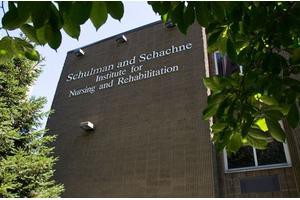
555 Rockaway Parkway, Brooklyn, NY 11212
For more information about senior living options: (866) 208-4318
Overall Review of Schulman And Schachne Inst For Nursing & Rehab
Pros
 The staff was wonderful, they always made sure she was comfortable.
- Everyone we interacted with was so kind, they made us relax knowing she was in such good care.
- The staff were prompt every time we have a concern or we need something.
- She was well taken care of.
Cons
 The reviewer believed the facility is not suitable for a loved one.
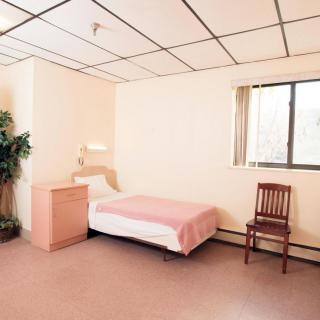
- Rooms were in poor condition with roaches visible.
- There was little or no personal grooming for residents.
- Staff were not communicative with family about the patient’s care.
- The reviewer questioned the facility’s 5-star rating as undeserved.
Review
The Schulman and Schachne Institute for Nursing & Rehab in Brooklyn is best suited for families that prize a compassionate, hands-on caregiving approach, especially when hospice support or long-term, serious-illness care is needed. In this setting, the daily work of nursing staff, aides, and care teams becomes the core value, delivering steady, human-centered attention that can bring real comfort during difficult times. For loved ones who rely on consistent bedside care, predictable routines, and caregivers who project calm and warmth, this community can feel like a reliable anchor. The environment favors sustaining dignity and ease of daily living over showroom perfection, and that dynamic matters when comfort and reassurance take priority.
Those who should consider alternatives are families with a hard line on facility upkeep and hygiene. Several comments point to rooms that show wear and even roaches, signaling maintenance and pest-control issues that can undermine a resident’s sense of dignity. If pristine spaces, meticulous housekeeping, and flawless grooming standards are non-negotiable, this may not meet those expectations. Likewise, if consistent, proactive communication with family across all shifts is essential to peace of mind, the variability in updates can be a real drawback. In short, households chasing a more transparent, uniformly managed operation should explore other options.
On the plus side, the staff’s warmth and responsiveness stand out in meaningful ways. Multiple accounts describe caregivers who are kind, attentive, and available around the clock, with particular emphasis on comfort and reassurance for residents facing serious illness or recovery. The nursing team, especially those involved in hospice and post-acute care, provides a steady presence that can lessen anxiety for families during trying moments. When a resident’s needs are urgent or nuanced, the willingness of staff to respond promptly and with empathy translates into tangible daily relief and a sense of dependable support.
Yet the strongest criticisms cluster around the physical environment and the consistency of communication. Reports of subpar room conditions, visible pests, and insufficient grooming routines raise legitimate safety and comfort concerns. Add to that instances where families feel out of the loop regarding care plans or changes, and trust can become fractured even when individual caregivers are capable. The reality is a facility that can deliver extraordinary human warmth in care, but sometimes fall short on the outer shell and the systems that keep families aligned with ongoing treatment decisions. These gaps do not negate the care, but they do temper its overall reliability.
The pros offset the cons only to a practical degree. For families prioritizing a compassionate, steady caregiving presence, the emotional and daily-care benefits can significantly reduce stress and provide continuity during difficult periods. However, the environmental shortcomings and variable communication dampen the overall confidence in long-term residency, especially for those managing complex medical needs or transitioning from hospital to home care. The prudent path is to verify housekeeping standards, pest-control protocols, and daily grooming practices, while demanding structured, regular updates from the care leadership. When those assurances are in place, the staff’s empathetic approach becomes a meaningful, stabilizing factor.
Bottom line: this community is a solid match for families seeking compassionate, reliable nursing and hospice-aligned care, with the clear caveat that environmental upkeep and consistent family communication require upfront verification. For households insisting on immaculate rooms, pristine hygiene, and always-on, transparent updates, it would be wise to consider alternatives. Prospective residents should arrange comprehensive tours that scrutinize room conditions, housekeeping routines, and pest-control practices, plus a candid discussion with nursing leadership about care plans and communication cadence. If confidence is established in those areas, the caring staff can make a genuine, meaningful difference; if not, exploring options with stronger environmental standards and more uniform communication is the prudent choice.
 448 resident community capacity
 Skilled Nursing Facility
 Air-conditioning
 Beauty salon
 Cable or satellite TV
 Computer center
 Dining room
 Fitness room
 Fully furnished
 Gaming room
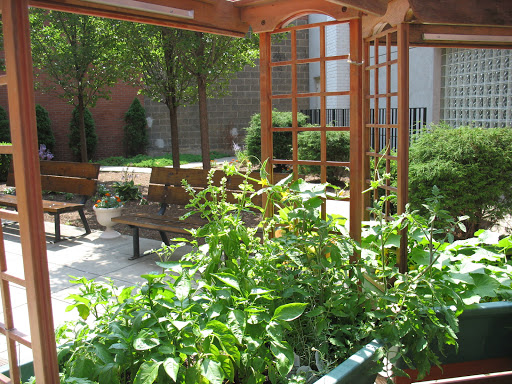
 Garden
 Housekeeping services
 Kitchenette
 Move-in coordination
 Outdoor space
 Private bathrooms
 Restaurant-style dining
 Small library
 Telephone
 Wellness center
 Wi-Fi/high-speed internet available
 John F Kennedy International (7 miles away)
 Community operated transportation
 12-16 hour nursing
 24-hour call system
 Activities of daily living assistance
 Assistance with bathing
 Assistance with dressing
 Assistance with transfers
 Diabetes diet
 Medication management
 Mental wellness program
 Special dietary restrictions
 Concierge services
 Planned day trips


 A Detailed Exploration of Living Wills and Advance Directives
 Comprehensive Guide to Medicare Coverage for Hospice Care
 Caring for Those Who Care: Recognizing, Understanding, and Overcoming Caregiver Burnout