Bay Park Center For Nursing And Rehab

801 Co Op City Boulevard, Bronx, NY 10475

For more information about senior living options: (844) 490-3973

2.7 from 50 reviews
5 stars
18
4 stars
2
3 stars
1
2 stars
3
1 stars
26

Skilled Nursing Facility

Overall Review of Bay Park Center For Nursing And Rehab

Pros

  • pro The reviewer was grateful for the level of professionalism shown to their brother from day one until his passing and would highly recommend the facility.
  • pro The reviewer stated that the staff were very kind and the activities were amazing, and that it felt like a family.
  • pro The reviewer described the staff as professional, nice, kind, and helpful and would recommend the facility.
  • pro One reviewer simply stated that the staff were "Awesome staff."
  • pro A reviewer thanked social worker Joan Bryan for her support throughout difficult years.

Cons

  • pro The reviews describe the facility as horrible, dirty, and unsanitary, with rooms left in filth and a strong odor.
  • pro The nursing staff are labeled as atrocious, incompetent, and lacking basic bedside manners.
  • pro Administration is criticized as ineffective, with calls for a revamp and even shutdown of the place.
  • pro Residents are said to be left in excrement and to develop skin breakdown due to neglect.
  • pro Verbal abuse, theft of personal belongings, and safety hazards by staff are reported by residents and families.
  • pro Response to call bells is repeatedly slow or non-existent, with some patients left unattended when needing oxygen or assistance.
  • pro Social workers are described as unresponsive and unhelpful, failing to assist with discharge planning, housing, or finances.
  • pro The facility is accused of prioritizing bottom-line concerns over patient care, including stopping therapies prematurely.
  • pro Safety concerns include doors being locked from the outside, security gaps, and residents being placed at risk.

Review

A chorus of distress runs through many firsthand accounts of care at this facility, painting a picture of a place where safety, respect, and basic medical oversight are repeatedly called into question. The sentiment ranges from outright outrage to wary hope, with several families and former residents describing conditions that feel dangerous or dehumanizing. Across the reviews, there are repeated denunciations of neglect, poor hygiene, and a culture that seems to place administrative convenience or reputation over the daily well?being of residents. A number of people urged authorities to intervene, with some explicitly calling for the facility to be shut down or renamed, and others pleading for external oversight and accountability.

The most persistent and painful theme centers on daily care and living conditions. Several reviewers describe residents "laying in excrement," developing bedsores, or suffering deteriorating skin integrity because they aren't being moved, cleaned, or checked in a timely way. Rooms are described as unsanitary and sometimes dirty, with reports of odors, dirty floors, and laundry that is lost or not returned. There are alarming anecdotes of dehydration and weight loss, with one account stating that a patient went from 110 pounds to 97 pounds while in rehab. The fear is not only about immediate discomfort but about preventable complications that arise when basic needs - hydration, nutrition, personal hygiene, and timely assistance - are unmet.

Staff behavior and interpersonal treatment emerge as another core concern. The reviews describe a wide spectrum of bedside manners, from employees who are praised for kindness and professionalism to others who are described as rude, dismissive, or otherwise disrespectful. Some accounts specifically call out "incompetent" care, a lack of urgency when patients press call buttons, and an overall sense that staff do not communicate or coordinate well. The sentiment of hostility toward residents and visitors runs through several narratives, with callers recounting rude exchanges, unexplained refusals to provide information, and a pattern of buck-passing when issues are raised. There are even allegations of theft and mismanagement at the bedside, including phones and other belongings going missing, and situations where family members are treated as if they were residents themselves in the moment of contact.

Medical oversight and rehabilitation care are described as inconsistent or abruptly halted in ways that jeopardize recovery. Reviews complain that therapy can "stop after initial months" and not be restarted, leaving residents without critical support as they try to regain or maintain function after surgeries. Social workers, who are supposed to help with finances, housing, and discharge planning, are frequently described as unresponsive or unavailable. In some cases, families report energy spent attempting to move a loved one to a different facility or to obtain appropriate services, only to feel that the system is unaccommodating or indifferent. There are also troubling anecdotes about medical orders not being followed, and about residents not receiving necessary fluids or IV support when ill, contributing to a sense that medical care is reactive rather than proactive.

Security, safety, and ethics come up repeatedly in the stories. Instances of doors being locked, residents being left unattended, or being in situations where they could be locked into a room raise concerns about fire safety and basic protection. Hallways and common areas sometimes feel inaccessible or unsafe, and residents' possessions - phones, personal belongings - are reported as easily stolen. Several reviews mention aggressive or traumatic incidents, including falls, unexplained bruises, or being left to use the bathroom in diapers due to lack of assistance. The emotional weight of these episodes is compounded by perceptions of inconsistent responses from administration and a sense that accountability is elusive.

Administrative leadership and the overarching governance of the facility appear to be a major source of frustration for critics. Some reviewers call for a comprehensive revamp of administration, or even closure of the facility, with explicit mentions of the need for external agencies to intervene. There are complaints about communication gaps, "pass the buck" attitudes, and a perception that the facility is more focused on appearance or bottom-line concerns than on patient care. Names of administrators and staff are cited by some as either the problem or the exception to a broader pattern, with occasional praise for individuals who are seen as genuinely caring or competent. In several entries, reviewers urge state oversight, hoping for investigations by NYS and for the institution to be held to higher standards.

Amid the harsh critiques, there are a few positive notes that appear as counterpoints within the overall narrative. Some reviewers recount positive experiences, such as professional conduct in certain staff members, helpful social workers, or moments when care felt more humane and person-centered. A couple of families express gratitude for specific individuals who provided meaningful support during difficult times, and one note praises activities that gave a sense of family and community within the facility. These voices acknowledge that not every interaction is negative and that some staff members do strive to deliver compassionate care, even within a system that many feel is badly broken.

Taken together, the collection of reviews presents a stark and urgent call for action. Families describe a pattern of neglect, safety concerns, and inconsistent medical oversight that leaves residents vulnerable and anxious. The calls to regulators, to the facility's leadership, and to fellow families are clear: improve staffing levels and training, ensure timely and respectful care, guard residents' safety and dignity, and establish robust channels for accountability and escalation when problems arise. For loved ones considering placement, these accounts underscore the importance of proactive visitation, independent checks, and thorough questions about therapy plans, care coordination, and safety protocols. The overarching message is a plea to protect residents from harm and to restore trust in a place that should be a refuge in difficult times.

Features

Housing

  • 480 resident community capacity 480 resident community capacity

Types of Care

  • Skilled Nursing Facility Skilled Nursing FacilitySkilled Nursing Facilities are crucial for seniors as they provide round-the-clock medical care, rehabilitation services, and assistance with daily activities. These facilities ensure that seniors receive the specialized care they need to maintain their health and well-being as they age.

Amenities

  • Air-conditioning Air-conditioningAir conditioning is important for seniors as they are more vulnerable to heat-related illnesses and may have underlying health conditions that make it difficult for them to regulate their body temperature. It helps to keep them comfortable, safe, and healthy in hot weather.
  • Beauty salon Beauty salonBeauty salons are important for seniors because they provide a space for them to feel pampered, socialize, and maintain their personal grooming and hygiene. Regular visits to a beauty salon can help boost seniors' self-esteem and overall well-being.
  • Cable or satellite TV Cable or satellite TVCable or satellite TV is important for seniors because it provides entertainment, news, and companionship, helping to combat loneliness and boredom. It also offers a wide range of programming options tailored to different interests and preferences.
  • Computer center Computer centerA computer center is essential for seniors as it provides access to technology, communication tools, and resources that can enhance their daily lives. It allows them to stay connected with loved ones, engage in online activities, and learn new skills, ultimately promoting socialization and mental stimulation.
  • Dining room Dining roomDining rooms are important for seniors as they provide a space for socialization, connection, and nutritious meals. They offer opportunities for residents to bond over shared meals, foster a sense of community, and promote healthy eating habits. Dining rooms also ensure that seniors have access to well-balanced meals tailored to their dietary needs and preferences.
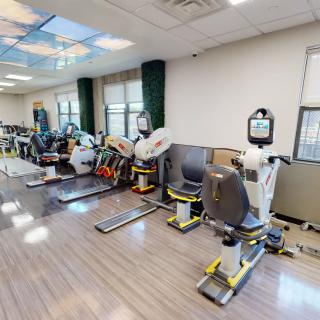
  • Fitness room Fitness roomHaving a fitness room in a senior living community is essential for seniors to stay active, maintain their physical health, and improve their overall well-being. Regular exercise can help prevent falls, reduce the risk of chronic diseases, and promote mental sharpness. It also provides social opportunities for residents to connect with others and enjoy a sense of community.
  • Fully furnished Fully furnishedFully furnished senior living communities are important for seniors because they provide convenience, comfort, and a hassle-free moving experience. Seniors can easily settle into their new living space without the stress of having to buy and move furniture. This allows them to focus on enjoying their new home and community.
  • Gaming room Gaming roomGaming rooms are important for seniors as they provide a fun and engaging environment for socializing, cognitive stimulation, and physical activity. Games can improve memory, problem-solving skills, and overall mental well-being while fostering friendships and reducing feelings of isolation.
  • Garden GardenGardens are important for seniors as they provide a peaceful and therapeutic environment for relaxation, physical activity, and socialization. Being in nature has been shown to reduce stress, improve mood, and promote overall well-being. Gardens also offer opportunities for seniors to engage in gardening activities, which can improve mobility, flexibility, and cognitive function. Additionally, gardens create a sense of community and connection with others who share a passion for plants and outdoor spaces.
  • Housekeeping services Housekeeping servicesHousekeeping services are important for seniors because they help maintain a clean and safe living environment, promote independence, and reduce the risk of accidents or illnesses. Additionally, having assistance with household chores can alleviate physical strain and allow seniors to focus on other aspects of their well-being.
  • Kitchenette KitchenetteKitchenettes are important for seniors living in senior living communities because they provide the convenience and independence of being able to prepare simple meals and snacks in the comfort of their own living space. This can help promote a sense of autonomy and well-being for seniors, allowing them to maintain some level of control over their dietary choices and daily routines.
  • Move-in coordination Move-in coordinationMove-in coordination is important for seniors because it helps ease the transition into their new living environment. It ensures that all logistics, such as packing, organizing movers, and setting up utilities are taken care of, allowing seniors to focus on settling in and adjusting to their new home. Having a smooth move-in process can alleviate stress and anxiety, making the transition smoother and more enjoyable for seniors.
  • Outdoor space Outdoor spaceOutdoor spaces are important for seniors as they provide opportunities for physical activity, social interaction, exposure to natural light and fresh air, and a sense of connection to nature. Having access to outdoor spaces can improve overall well-being and quality of life for older adults living in senior communities.
  • Private bathrooms Private bathroomsPrivate bathrooms are important for seniors in senior living communities because they provide independence, dignity, and comfort. Having a private bathroom allows seniors to maintain their personal hygiene routines without the need for assistance, promoting a sense of autonomy and privacy. Additionally, private bathrooms help prevent the spread of infections and provide a safe and clean environment for seniors to navigate safely.
  • Restaurant-style dining Restaurant-style diningRestaurant-style dining is important for seniors because it allows them to enjoy delicious, nutritious meals in a social and upscale setting. This enhances their dining experience, promotes healthy eating habits, and fosters socialization with fellow residents, ultimately contributing to their overall well-being and quality of life.
  • Small library Small librarySmall libraries are important for seniors as they provide access to a variety of reading materials, including books, newspapers, and magazines. This can help stimulate their minds, keep them engaged, and provide a sense of community through book clubs and other social activities. Additionally, reading has been shown to improve cognitive function and overall mental well-being in older adults.
  • Telephone TelephoneTelephones are important for seniors as they provide a lifeline for communication with loved ones, emergency services, and healthcare providers. They offer a sense of security and independence, enabling seniors to stay connected and access assistance when needed.
  • Wellness center Wellness centerWellness centers are important for seniors because they offer a variety of programs and services that promote physical, mental, and emotional well-being. These centers provide opportunities for exercise, socialization, education, and relaxation, helping seniors maintain their overall health and quality of life.
  • Wi-Fi/high-speed internet available Wi-Fi/high-speed internet availableWi-Fi/high-speed internet is important for seniors to stay connected with loved ones, access online resources, and participate in virtual activities to combat feelings of loneliness and isolation. It also allows them to easily manage healthcare needs, access entertainment, and engage in lifelong learning opportunities.

Transportation

  • LaGuardia (7 miles away) LaGuardia (7 miles away)
  • Westchester Cty (14 miles away) Westchester Cty (14 miles away)
  • John F Kennedy International (17 miles away) John F Kennedy International (17 miles away)
  • Newark International (22 miles away) Newark International (22 miles away)
  • Community operated transportation Community operated transportationCommunity operated transportation is crucial for seniors as it provides them with the means to access essential services, social activities, and medical appointments. It allows seniors to maintain their independence and quality of life by ensuring they can participate in activities outside of their homes. Additionally, community-operated transportation services offer a safe and reliable way for seniors to travel without having to rely on family or friends for assistance.
  • Transportation arrangement Transportation arrangementTransportation arrangements are crucial for seniors as they may face challenges with driving, mobility, or access to public transportation. Having reliable transportation services ensures that seniors can easily attend appointments, social activities, and maintain their independence and quality of life.
  • Transportation arrangement (non-medical) Transportation arrangement (non-medical)Transportation arrangements are essential for seniors as they provide access to essential services, activities, and social interactions outside the home. This service helps maintain independence, mobility, and overall well-being for seniors who may have limited transportation options.
  • Transportation to doctors appointments Transportation to doctors appointmentsTransportation to doctors appointments is crucial for seniors as it ensures they have access to necessary medical care and support, promoting their health and well-being. It allows them to receive timely treatment, monitor existing conditions, and address any new health concerns efficiently. Additionally, transportation services can help seniors maintain their independence and quality of life by enabling them to stay connected with their healthcare providers.

Care Services

  • 12-16 hour nursing 12-16 hour nursing12-16 hour nursing care is crucial for seniors in order to ensure around-the-clock monitoring, timely medication administration, and prompt response to any health concerns or emergencies. This level of care helps to promote the overall well-being and safety of seniors living in senior living communities.
  • 24-hour call system 24-hour call system24-hour call systems are important for seniors because they provide peace of mind and immediate assistance in case of emergencies. This technology ensures that help is always available, promoting safety and security for elderly individuals living alone or in assisted living facilities.
  • 24-hour supervision 24-hour supervision24-hour supervision is important for seniors to ensure their safety, well-being, and access to immediate assistance in case of emergencies or health issues. This constant support provides peace of mind for both seniors and their loved ones, allowing them to age in place with dignity and security.
  • Activities of daily living assistance Activities of daily living assistanceActivities of daily living assistance are important for seniors because they provide essential support with tasks such as eating, bathing, dressing, and mobility. This assistance helps seniors maintain their independence, dignity, and overall quality of life as they age.
  • Assistance with bathing Assistance with bathingAssistance with bathing is crucial for seniors as it helps maintain personal hygiene, prevents infections, and ensures their overall well-being and comfort. It also provides a sense of dignity and independence for seniors who may struggle with this task on their own.
  • Assistance with dressing Assistance with dressingAssistance with dressing is important for seniors because it helps maintain their independence, promotes personal hygiene, prevents accidents and injuries, and improves overall quality of life. This service ensures that seniors can continue to dress comfortably and confidently, despite any physical limitations they may have.
  • Assistance with transfers Assistance with transfersAssistance with transfers is crucial for seniors as it helps prevent falls and injuries, maintains their independence, and ensures they can safely navigate their living environment. It also provides peace of mind for both seniors and their loved ones.
  • Diabetes diet Diabetes dietA diabetes diet is crucial for seniors as it helps manage blood sugar levels, reduce risks of complications, and improve overall health and well-being. By following a balanced and nutritious diet tailored to their specific needs, seniors can better control their diabetes and enhance their quality of life.
  • Meal preparation and service Meal preparation and serviceMeal preparation and service are crucial for seniors as they may have limited mobility or energy to cook nutritious meals. Having access to healthy and convenient food options can ensure they are getting the proper nutrition needed to maintain their overall health and well-being.
  • Medication management Medication managementMedication management is crucial for seniors to ensure they are taking the right medications at the correct dosages and times. This helps prevent adverse drug interactions, reduces the risk of medication errors, and promotes overall health and well-being. Proactive management also allows for adjustments as needed based on changing health conditions or new prescriptions.
  • Mental wellness program Mental wellness programMental wellness programs are essential for seniors as they promote cognitive stimulation, emotional support, and social engagement. These programs help prevent isolation, depression, and cognitive decline, ultimately enhancing the overall quality of life for older adults.
  • Special dietary restrictions Special dietary restrictionsSpecial dietary restrictions are important for seniors because age-related changes in metabolism and health conditions can make it difficult for their bodies to process certain foods. By following a diet tailored to their specific needs, seniors can maintain their overall health and well-being, manage chronic conditions, and reduce the risk of complications such as malnutrition or food interactions with medications.

Dining

  • Diabetes diet Diabetes dietA diabetes diet is crucial for seniors as it helps manage blood sugar levels, reduce risks of complications, and improve overall health and well-being. By following a balanced and nutritious diet tailored to their specific needs, seniors can better control their diabetes and enhance their quality of life.
  • Special dietary restrictions Special dietary restrictionsSpecial dietary restrictions are important for seniors because age-related changes in metabolism and health conditions can make it difficult for their bodies to process certain foods. By following a diet tailored to their specific needs, seniors can maintain their overall health and well-being, manage chronic conditions, and reduce the risk of complications such as malnutrition or food interactions with medications.

Activities

  • Community-sponsored activities Community-sponsored activitiesCommunity-sponsored activities are important for seniors as they provide opportunities for social interaction, mental stimulation, and physical activity. These activities can help improve overall well-being, combat loneliness and isolation, and promote a sense of belonging and purpose among older adults.
  • Concierge services Concierge servicesConcierge services are essential for seniors as they provide assistance with daily tasks and errands, enhance their quality of life by offering convenience and personalized care, and promote a sense of safety and security.
  • Fitness programs Fitness programsFitness programs are crucial for seniors as they help improve strength, flexibility, balance, and overall well-being. Staying active can reduce the risk of chronic diseases, improve mental health, and enhance quality of life in older adults.
  • Planned day trips Planned day tripsPlanned day trips are important for seniors because they offer opportunities for socialization, mental stimulation, and physical activity. They provide a change of scenery and help seniors stay engaged and connected to their community, promoting overall well-being and quality of life.
  • Resident-run activities Resident-run activitiesResident-run activities are important for seniors as they encourage social interaction, creativity, and a sense of autonomy. These activities empower seniors to stay engaged and active in their community while fostering meaningful connections with their peers.
  • Scheduled daily activities Scheduled daily activitiesScheduled daily activities are important for seniors because they provide structure, socialization, mental stimulation, and physical activity. Engaging in regular activities can improve overall well-being and quality of life for seniors living in a community setting.

Description

The Bay Park Center For Nursing And Rehab in Bronx, NY is a vibrant and well-equipped assisted living community that offers a wide range of amenities and care services to ensure the comfort and well-being of its residents.

For their convenience and enjoyment, residents have access to a beauty salon, cable or satellite TV, a gaming room, a small library, and Wi-Fi/high-speed internet. The community also provides transportation services such as community-operated transportation and transportation arrangements for non-medical purposes. Residents can take advantage of the computer center to stay connected with loved ones or engage in personal interests.

There are ample dining options available at Bay Park Center. Residents can have their meals served in the restaurant-style dining room, which offers delicious cuisine while accommodating special dietary restrictions. Meal preparation and service are provided by the community according to each resident's needs.

To promote an active lifestyle, various activities are organized on a regular basis. These include fitness programs and scheduled daily activities for physical well-being as well as planned day trips and resident-run activities for socialization and entertainment. Concierge services are also available to assist with any resident needs or inquiries.

The care services at Bay Park Center are designed to provide round-the-clock support for residents' health needs. A 24-hour call system is in place for emergencies, ensuring that assistance is always readily available. Trained staff members offer assistance with activities of daily living such as bathing, dressing, and transfers. Medication management helps residents stay on track with their prescribed medications while maintaining mental wellness.

Located conveniently in Bronx, NY, the community offers easy access to nearby amenities including cafes, parks, pharmacies, restaurants, places of worship, theaters, and hospitals. Transportation arrangements can be made for medical appointments when needed.

At Bay Park Center For Nursing And Rehab in Bronx, NY residents will find a comfortable and engaging environment where they can receive personalized care while enjoying numerous amenities and activities tailored to their preferences.

Nearby Places of Interest

Restaurants

  • McDonald's (0.4 miles)
  • Last Stop Bar & Grill (2 miles)
  • Serafina (6.4 miles)
  • McDonald's (7.4 miles)
  • Kura Revolving Sushi Bar (7.4 miles)
  • The River Palm Terrace (7.7 miles)
  • Harlem Kebab Grill (7.9 miles)

Theaters

  • AMC Bay Plaza Cinema 13 (0.9 miles)
  • Alamo Drafthouse Yonkers (7.1 miles)

Transportation

  • Metro North - Mt Vernon East Train Station (2.3 miles)
  • Pelham Station (2.5 miles)
  • MTA Fordham Metro-North Station (3.4 miles)
  • MTA Subway - Parkchester (3.6 miles)
  • MTA Subway - Fordham Rd (3.8 miles)
  • Metro North - Bronxville Train Station (4.2 miles)
  • Metro North - Riverdale Station (4.7 miles)

Pharmacies

  • Walgreens (2.3 miles)
  • CVS Pharmacy (2.4 miles)
  • CVS Pharmacy (3.8 miles)
  • Rite Aid (3.8 miles)
  • CVS Pharmacy (4.3 miles)
  • Value Drugs Eastchester (5 miles)
  • CVS Pharmacy (5.2 miles)

Hospitals

  • Montefiore New Rochelle Hospital (3.2 miles)
  • St Barnabas Hospital (3.7 miles)
  • Bronx VA Medical Center (4.1 miles)
  • NewYork-Presbyterian Allen Hospital (4.4 miles)
  • Russ Berrie Medical Science Pavilion (6.4 miles)
  • Milstein Hospital Building (6.5 miles)
  • Manhattan Psychiatric Center (8.2 miles)

Cafes

  • Cafe Zeppieri (3.3 miles)
  • Starbucks (6.3 miles)
  • Starbucks (7.1 miles)
  • Starbucks (7.7 miles)
  • State Of The Art Coffee (8.1 miles)
  • Starbucks (8.2 miles)
  • Kuppi Coffee Company (8.8 miles)

Places of Worship

  • The Riverdale Minyan (4.5 miles)

Parks

  • Riverdale Park (4.6 miles)
  • Inwood Hill Park (4.8 miles)
  • Manor Park (5.1 miles)
  • Memorial Park (5.4 miles)
  • J. Hood Wright Park (6.3 miles)
  • Flat Rock Brook Nature Center (7.3 miles)
  • St Nicholas Park (7.3 miles)

Physicians

  • Morgan Stanley Children's Hospital (6.5 miles)
  • Park Medical Group PA (7.7 miles)
  • North Shore Gastroenterology Associates PC (8.4 miles)

Frequently Asked Questions

Where is Bay Park Center For Nursing And Rehab?

Nearby Communities

Related Resources

  • what to say to someone who is grievingCompassionate Conversations: How to Comfort Someone Who Is Grieving

    The article highlights the importance of empathy and open communication when comforting someone who is grieving, noting that grief is unique to each individual and emphasizing the need for sincere expressions of condolence, active listening, and ongoing support. It also addresses cultural differences in mourning practices and encourages tailored approaches to provide effective comfort.

  • home care aideHome Health Care Aides: Understanding Their Role and Supporting Your Family

    Home health care aides provide vital medical and non-medical support to individuals at home, assisting with daily living activities and promoting emotional well-being, while the demand for these services increases due to an aging population. Families benefit from in-home care's flexibility and cost-effectiveness but face challenges like scheduling consistency and caregiver turnover.

  • uti in elderlyUrinary Tract Infections in Older Adults: Comprehensive Insights on Symptoms, Treatment, and Prevention

    Older adults with urinary tract infections (UTIs) often present atypical symptoms, complicating diagnosis due to factors like incomplete bladder emptying and chronic health conditions that increase their susceptibility. Effective management involves prompt treatment with antibiotics, hydration, and preventive strategies while minimizing antibiotic resistance and focusing on holistic care approaches.