Laconia Nursing Home

Save

  • Interior

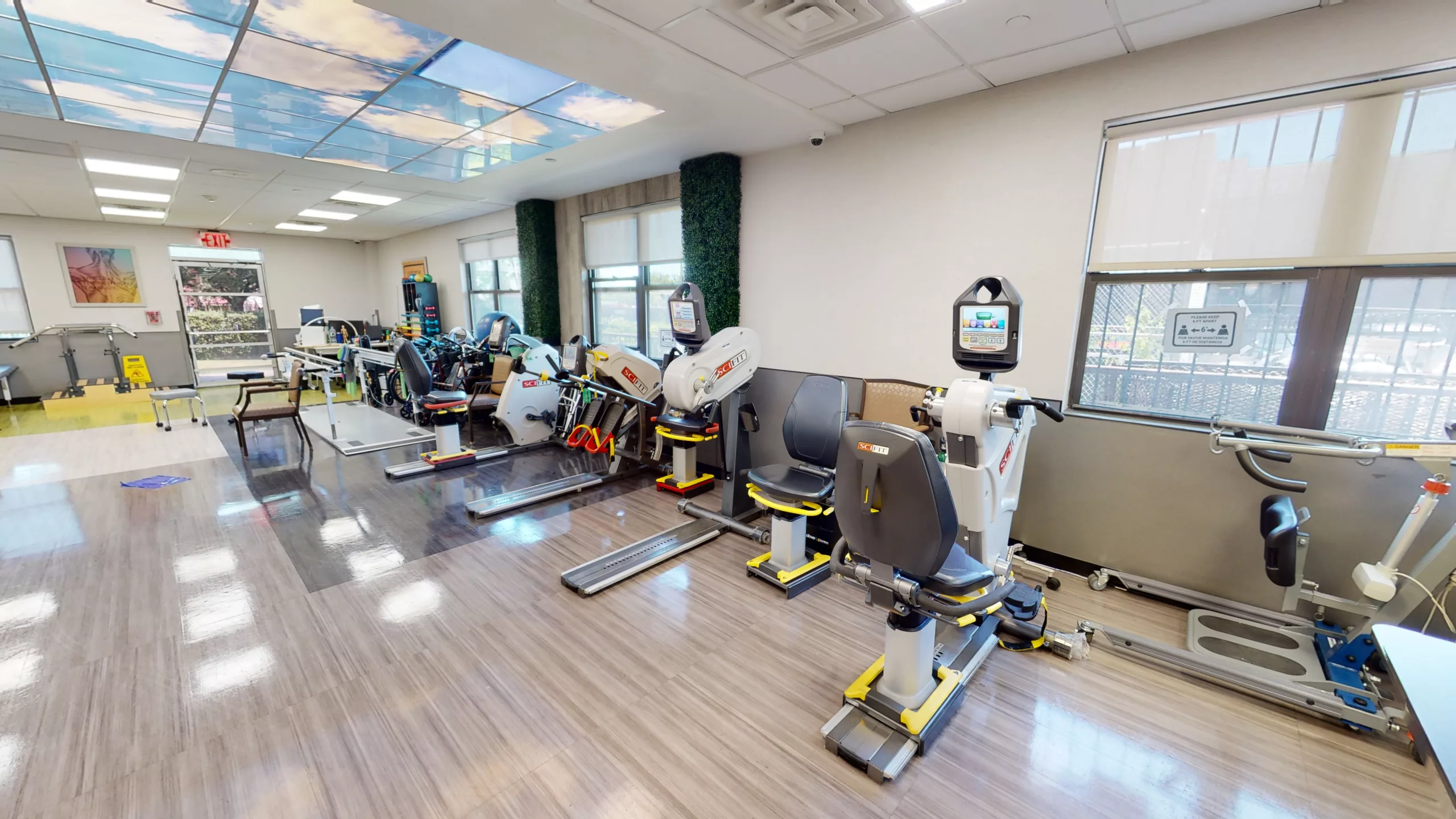
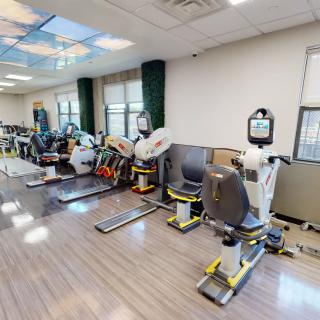
    A well-equipped fitness center with various exercise machines and treadmills.
  • Bedroom

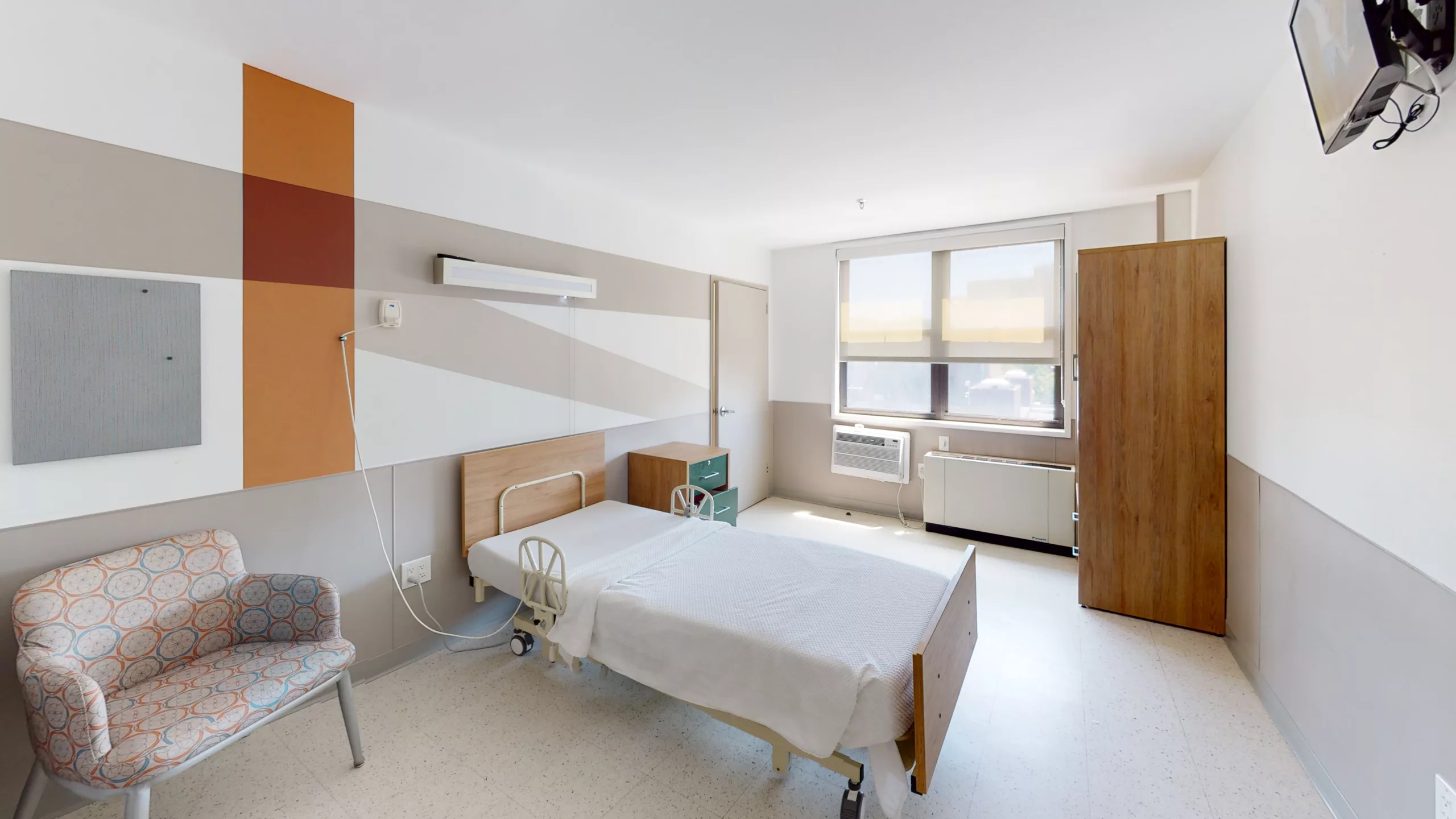
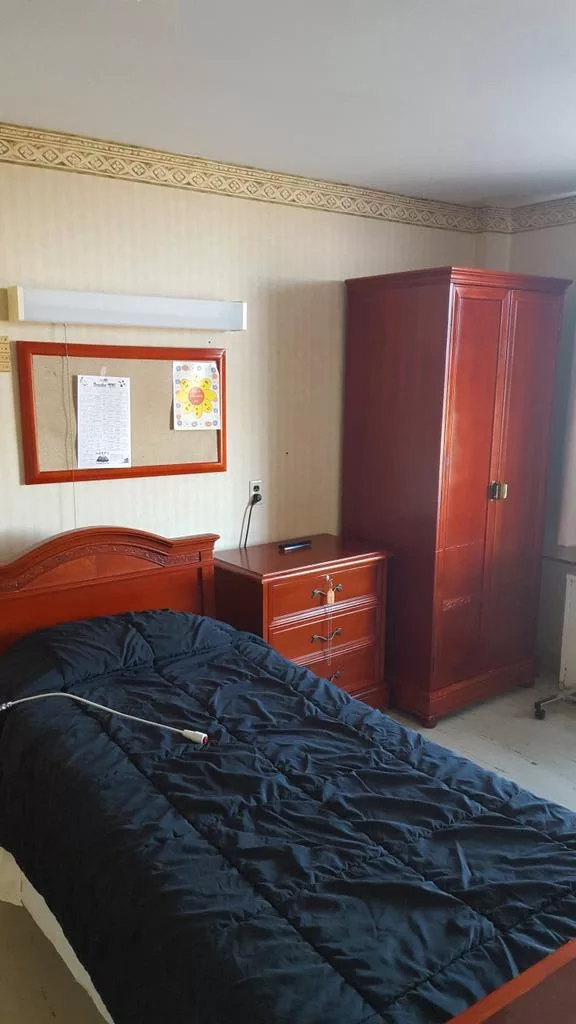
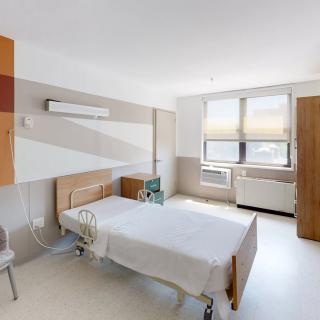
    A clean and bright hospital room with a single bed and large window.
  • Windows

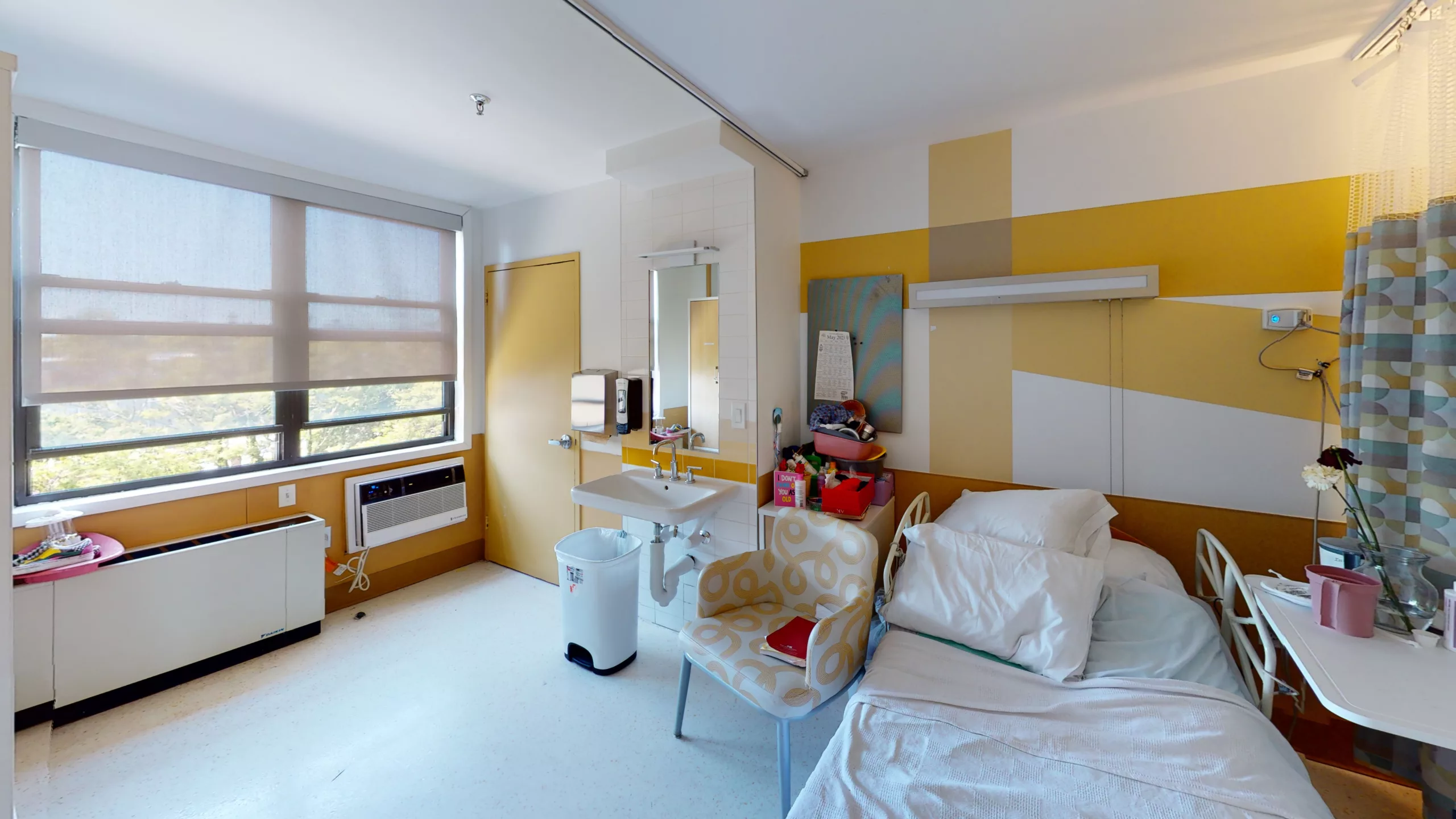
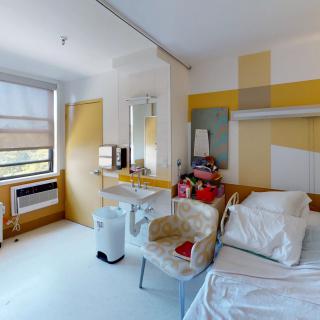
    A clean and modern hospital room with a bed, sink, and window.
  • Lighting

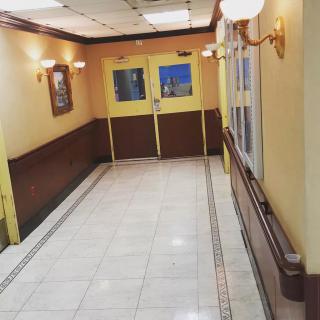
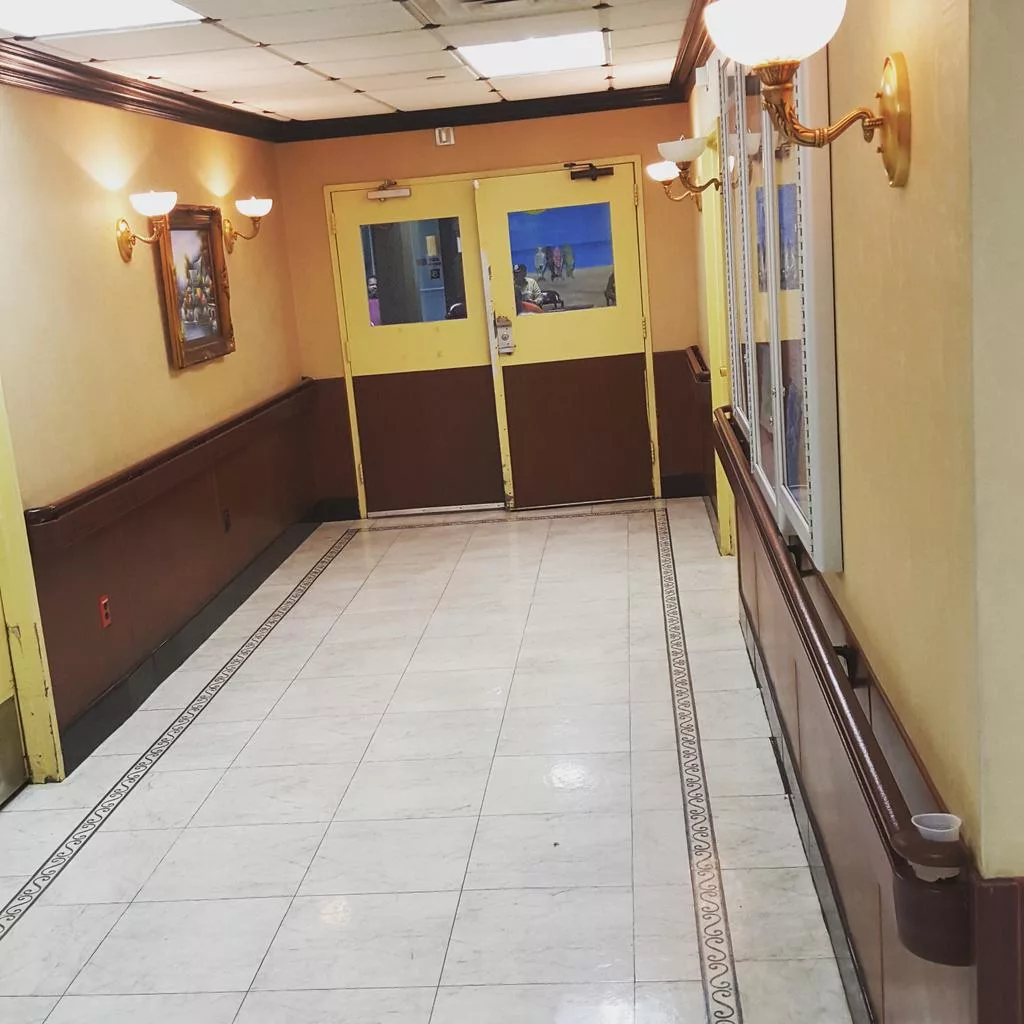
    An empty hallway with tiled floors and wall lights leading to double doors.
  • Hallway

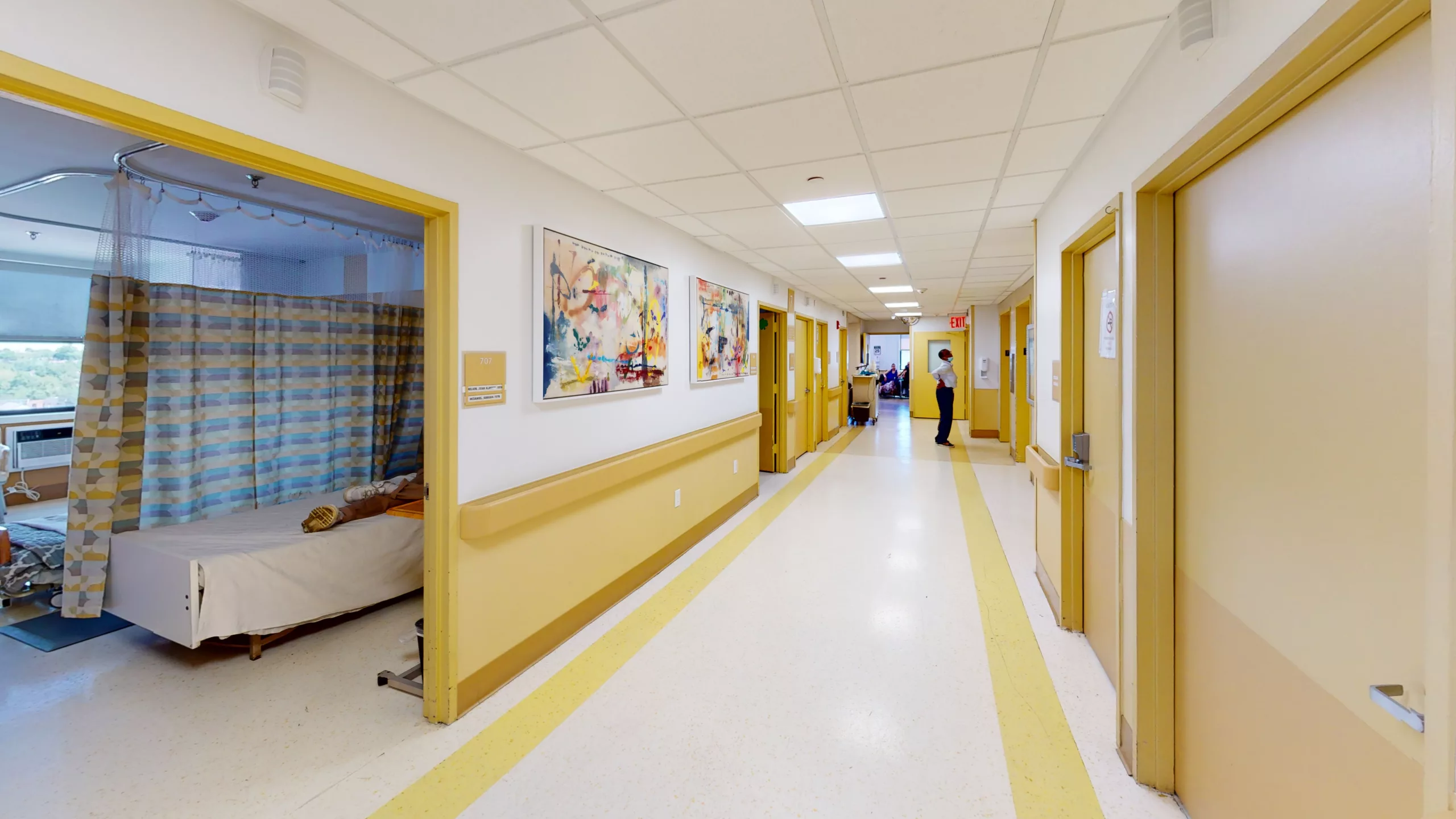
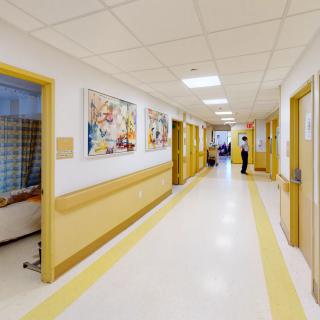
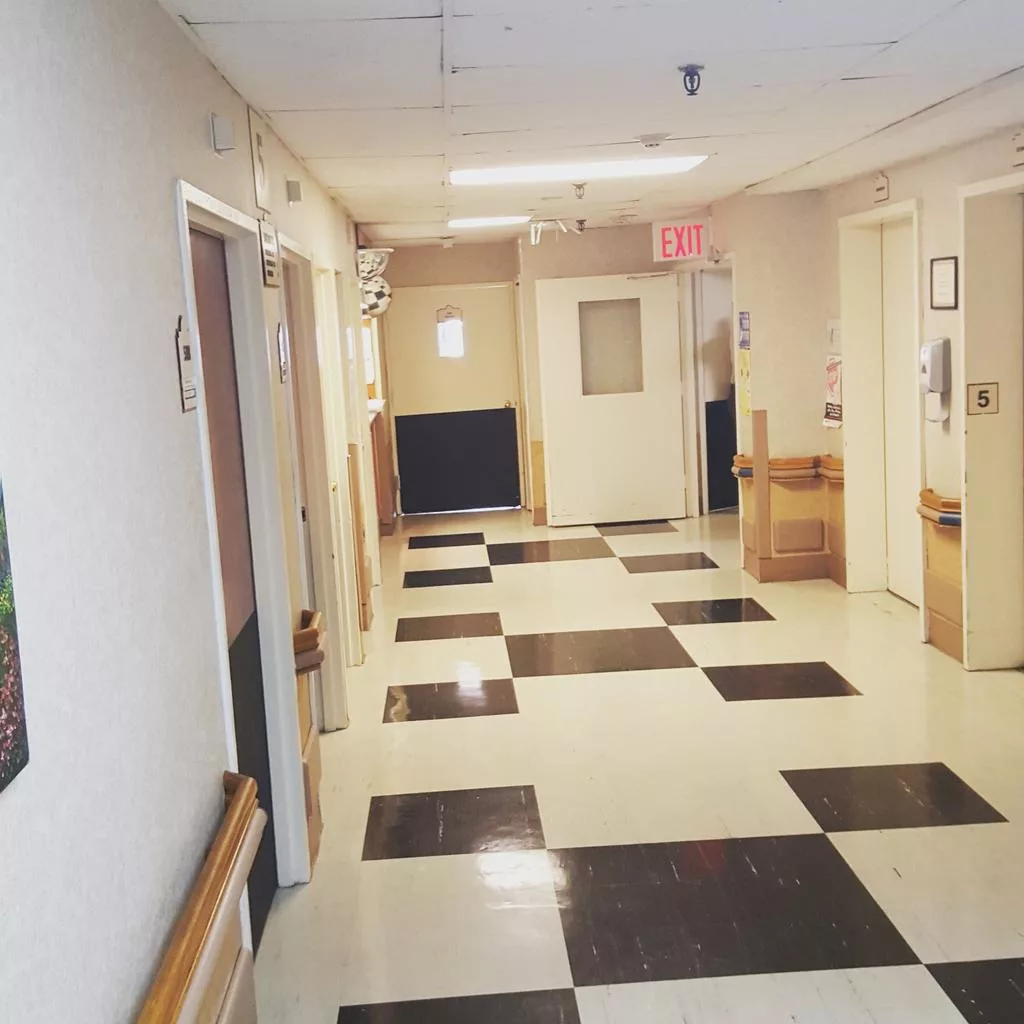
    A clean and well-lit hospital corridor with doors on either side.
  • Lighting Fixtures

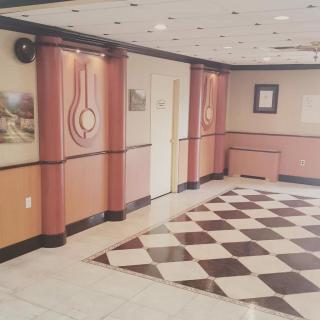
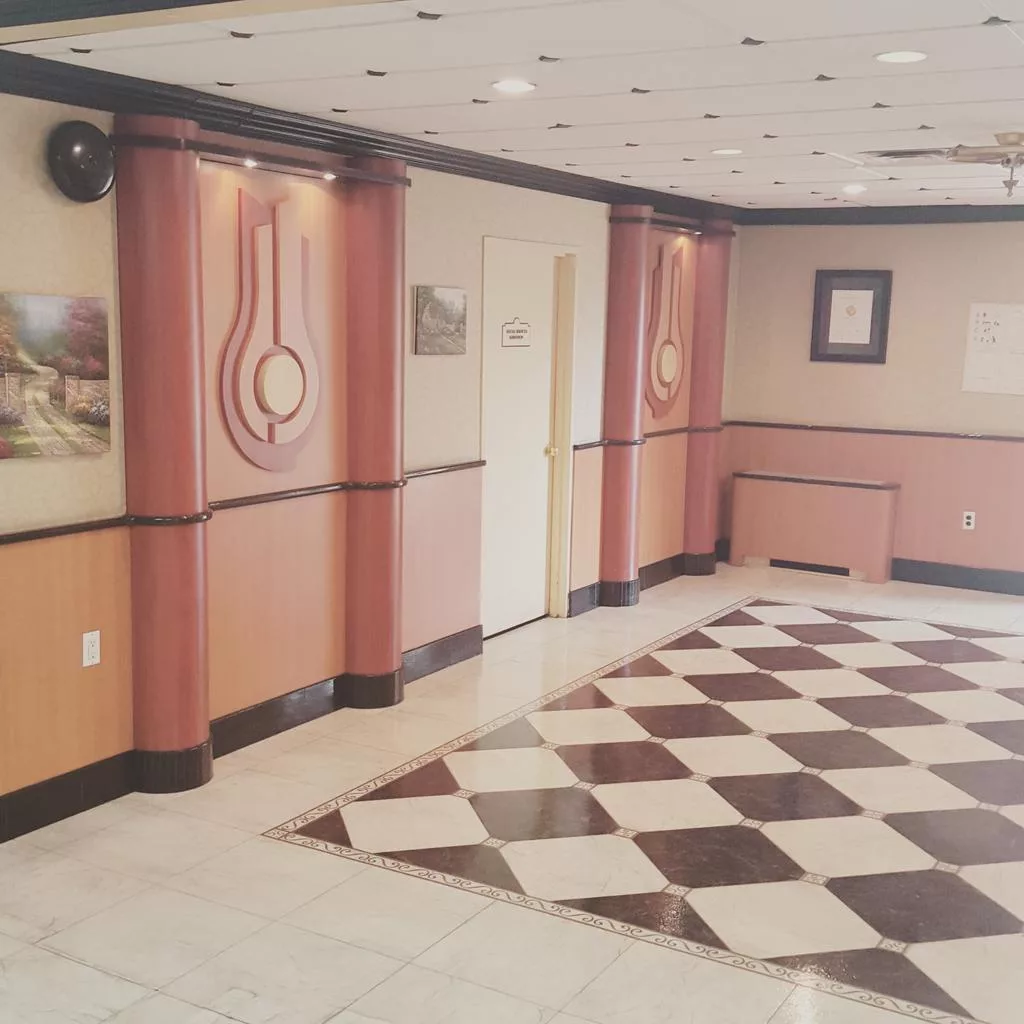
    An interior hallway with checkered flooring and decorative wall elements.
  • Doors

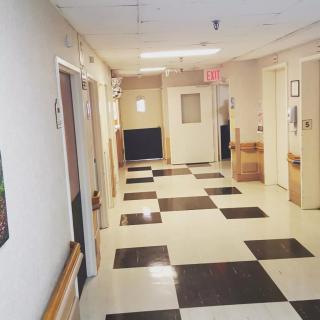
    A hospital corridor with checkered flooring and several doors along the walls.

Laconia Nursing Home

1050 East 230Th Street, Bronx, NY 10466

For more information about senior living options: (844) 490-3973

4.1 from 41 reviews
5 stars
30
4 stars
2
3 stars
1
2 stars
0
1 stars
8

Skilled Nursing Facility

Overall Review of Laconia Nursing Home

Pros

  • pro The staff at Laconia are described as going above and beyond for residents in every role.
  • pro Mr. Berger is seen as a strong advocate for residents.
  • pro Ava the social worker helps resolve issues and supports residents in pursuing goals like education.
  • pro The Nursing Supervisors are hands-on and involve residents in their care decisions.
  • pro Communication with staff is easy and responsive, helping meet residents' needs.
  • pro Several CNAs are described as friendly, respectful, and attentive, contributing to consistent daily care.
  • pro The Rehab team is described as consistent and healing.
  • pro In-house doctors and respiratory therapy provide convenient on-site care.
  • pro The facility is clean, well-maintained, and has a welcoming, home-like atmosphere.
  • pro Activities are engaging and help foster community and joy among residents.
  • pro The staff are portrayed as compassionate and attentive, giving families peace of mind.
  • pro Snacks are provided in the afternoon and evening, adding to resident comfort.

Cons

  • pro The staff are described as awful and abusive, and allegedly allowed the reviewer's father to deteriorate.
  • pro The facility nearly killed the reviewer's father; he returned cyanotic and in dire condition, requiring emergency hospital care.
  • pro Clothes were missing after the father's hospitalization and placement.
  • pro The reviewer warned others not to place family there, stating that they could die.
  • pro CNAs were abusive and neglectful, especially on the 5th floor.
  • pro The food was horrible, and staff often took long to respond to calls (15 minutes or more).
  • pro The director was dismissive of complaints about food and care, showing a lack of concern.
  • pro There were claims of delayed changes for bed-bound residents, with changes happening only after long delays.

Review

Laconia Nursing Home stands out in a landscape of facilities where life with chronic illness often means navigating a maze of hospital stays, long-term care, and the day-to-day realities of aging. For one resident who has spent decades in and out of hospitals since the age of 21, Laconia represents a rare constant: a place where the staff - from the business office to the nurses and CNAs, and even maintenance - consistently go above and beyond. The narrator describes a culture of cheer and compassion, where cleanliness and meeting needs feel like the baseline, not a luxury. When misunderstandings arise, trusted leaders - administrator Mr. Berger and social worker Ava - step in to mediate and reconcile, underscoring a management approach that prioritizes advocacy for residents. In this view, care decisions feel collaborative, with the nursing supervisors staying hands-on and inviting patients to participate in their own care plans. The person notes that once a routine with a CNA is established, the staff can meet needs often without prompting, and particular aides are singled out for their skill and empathy.

Within the same facility, the appreciation for individual caregivers is richly detailed. The overnight shift is highlighted for comfort and competence, especially one CNA who knows exactly how to help with routine personal care so residents feel clean and dignified. Multiple CNAs are named with affection for their approach: Brown, Dougless, Diane, Davis, April, and others on the floor are described as friendly, regular faces who blend humor with reliable care. The narrator emphasizes a culture where teamwork among CNAs feels seamless, and where a nurse-led rehab team maintains consistency and a healing presence. The staff's ability to listen and include residents in decisions is repeatedly praised, and there is particular gratitude for staff who are also students or pursuing further education - like Vanessa, who is studying nursing - and Nyoka and Bella, who treat residents with respect and kindness. Beyond direct caregiving, in-house doctors and respiratory therapy add to a sense of convenience and comprehensive care, with the implication that residents can rely on medical oversight without leaving the facility.

Another user, writing from the perspective of a family member, describes Laconia as a blessing for their loved one and their broader family. They paint a picture of warmth, professionalism, and sustained attention that makes residents feel comfortable and cared for. The facility is described as clean, well-maintained, and with a welcoming atmosphere that gives the impression of home. The activities program is highlighted as engaging, with staff encouraging participation and helping residents build a sense of community and joy. For this reviewer, the peace of mind that comes from knowing a loved one is in capable, compassionate hands shapes every visit and every interaction, reinforcing the sense that Laconia can be a stabilizing force for families navigating the complexities of chronic illness and aging.

Yet the tapestry of experiences at Laconia is not one-note. A separate, highly charged account details a father who nearly died while under the facility's care on Father's Day. The reviewer alleges cyanosis, dangerously low oxygen levels, feces on arrival, and a frightening delay before hospitalization could reverse the crisis. The family narrative claims the staff were abusive and neglectful and suggests that critical deterioration occurred over weeks while the father was supposedly monitored. The story includes missing clothes, a sense of ongoing risk, and a token Father's Day certificate that only amplifies the sting of the nurse's apparent failure. This account concludes with a stark warning: only with cautionary vigilance should families place their loved ones at Laconia. It is a devastating counterpoint to the more uniformly positive impressions elsewhere in the pool of reviews.

Further accusations touch on systemic problems that a few families felt were not adequately addressed. One reviewer asserts that a state rating discrepancy exists - the facility receiving a poor rating from the state even as some observers dispute that assessment. The most pointed complaints center on CNA conduct on the fifth floor, where alleged abuse and neglect are described in chilling detail. The reviewer claims to have witnessed harm and deterioration, with bed-bound residents changed only once in the morning and then not again for hours. Concerns include a perception that the management is slow to hire better CNAs, subpar food, and a doctor who speaks condescendingly and fails to coordinate appropriate specialists. These comments reflect deep distrust and fear about how care is administered and supervised, and they starkly contrast with the more positive narratives of routine care and staff warmth.

Interwoven with these serious concerns are more practical troubles that color day-to-day life for residents. Several reviewers mention inconsistent food quality and long waits for assistance, with one resident noting particularly unsatisfactory breakfasts and a director who seemed unconcerned about specific complaints. Yet even here, there is nuance: other comments acknowledge that the physical therapy and the rehab environment can be a strong positive factor, and some residents point to the living spaces as clean and organized, with dedicated staff who are committed to helping patients recover or maintain function. The overall sentiment is that the experience at Laconia can feel like a spectrum - from moments of genuine warmth and competence to episodes that leave families shaken and seeking redress.

Taken together, the reviews paint a facility that is deeply human - a place where love for residents, advocacy from leadership, and a team-oriented caregiving approach can produce life-changing support for people with chronic illness. The most consistent thread is the presence of advocates who fight for residents' needs when misunderstandings arise: Mr. Berger as a steadfast administrator and Ava as a responsive social worker, ready to assist with admissions, care plans, and even educational goals for residents pursuing online college courses. The rehab program appears to be robust, with tangible healing momentum and a sense of continuity that makes residents feel known and supported. The negative accounts, while stark and alarming, remind readers that even facilities lauded for compassion can struggle with safety lapses, communication gaps, and the emotional toll of seeing loved ones suffer. They underscore the reality that care quality can fluctuate depending on shift, supervision, and the specific caregivers involved.

In the end, Laconia Nursing Home emerges as a place of strong devotion and high expectations on one hand, and of significant risk and complaint on the other. For residents who have spent years navigating health challenges, the facility can offer a family-like environment, engaged staff, and practical resources that make daily life more bearable and meaningful. At the same time, the more alarming experiences serve as a cautionary tale about the importance of vigilant oversight, transparent reporting, and consistent, respectful care - reminding families to stay engaged, ask questions, and advocate loudly when safety or dignity feels compromised. The mix of heartfelt praise, steadfast advocacy, and grave concerns creates a complex portrait of a center that can be a lifeline for some and a source of fear for others, depending on who is cared for, when, and by whom.

Features

Housing

  • 240 resident community capacity 240 resident community capacity

Types of Care

  • Skilled Nursing Facility Skilled Nursing FacilitySkilled Nursing Facilities are crucial for seniors as they provide round-the-clock medical care, rehabilitation services, and assistance with daily activities. These facilities ensure that seniors receive the specialized care they need to maintain their health and well-being as they age.

Amenities

  • Air-conditioning Air-conditioningAir conditioning is important for seniors as they are more vulnerable to heat-related illnesses and may have underlying health conditions that make it difficult for them to regulate their body temperature. It helps to keep them comfortable, safe, and healthy in hot weather.
  • Beauty salon Beauty salonBeauty salons are important for seniors because they provide a space for them to feel pampered, socialize, and maintain their personal grooming and hygiene. Regular visits to a beauty salon can help boost seniors' self-esteem and overall well-being.
  • Cable or satellite TV Cable or satellite TVCable or satellite TV is important for seniors because it provides entertainment, news, and companionship, helping to combat loneliness and boredom. It also offers a wide range of programming options tailored to different interests and preferences.
  • Computer center Computer centerA computer center is essential for seniors as it provides access to technology, communication tools, and resources that can enhance their daily lives. It allows them to stay connected with loved ones, engage in online activities, and learn new skills, ultimately promoting socialization and mental stimulation.
  • Dining room Dining roomDining rooms are important for seniors as they provide a space for socialization, connection, and nutritious meals. They offer opportunities for residents to bond over shared meals, foster a sense of community, and promote healthy eating habits. Dining rooms also ensure that seniors have access to well-balanced meals tailored to their dietary needs and preferences.
  • Fitness room Fitness roomHaving a fitness room in a senior living community is essential for seniors to stay active, maintain their physical health, and improve their overall well-being. Regular exercise can help prevent falls, reduce the risk of chronic diseases, and promote mental sharpness. It also provides social opportunities for residents to connect with others and enjoy a sense of community.
  • Fully furnished Fully furnishedFully furnished senior living communities are important for seniors because they provide convenience, comfort, and a hassle-free moving experience. Seniors can easily settle into their new living space without the stress of having to buy and move furniture. This allows them to focus on enjoying their new home and community.
  • Gaming room Gaming roomGaming rooms are important for seniors as they provide a fun and engaging environment for socializing, cognitive stimulation, and physical activity. Games can improve memory, problem-solving skills, and overall mental well-being while fostering friendships and reducing feelings of isolation.
  • Garden GardenGardens are important for seniors as they provide a peaceful and therapeutic environment for relaxation, physical activity, and socialization. Being in nature has been shown to reduce stress, improve mood, and promote overall well-being. Gardens also offer opportunities for seniors to engage in gardening activities, which can improve mobility, flexibility, and cognitive function. Additionally, gardens create a sense of community and connection with others who share a passion for plants and outdoor spaces.
  • Housekeeping services Housekeeping servicesHousekeeping services are important for seniors because they help maintain a clean and safe living environment, promote independence, and reduce the risk of accidents or illnesses. Additionally, having assistance with household chores can alleviate physical strain and allow seniors to focus on other aspects of their well-being.
  • Kitchenette KitchenetteKitchenettes are important for seniors living in senior living communities because they provide the convenience and independence of being able to prepare simple meals and snacks in the comfort of their own living space. This can help promote a sense of autonomy and well-being for seniors, allowing them to maintain some level of control over their dietary choices and daily routines.
  • Move-in coordination Move-in coordinationMove-in coordination is important for seniors because it helps ease the transition into their new living environment. It ensures that all logistics, such as packing, organizing movers, and setting up utilities are taken care of, allowing seniors to focus on settling in and adjusting to their new home. Having a smooth move-in process can alleviate stress and anxiety, making the transition smoother and more enjoyable for seniors.
  • Outdoor space Outdoor spaceOutdoor spaces are important for seniors as they provide opportunities for physical activity, social interaction, exposure to natural light and fresh air, and a sense of connection to nature. Having access to outdoor spaces can improve overall well-being and quality of life for older adults living in senior communities.
  • Private bathrooms Private bathroomsPrivate bathrooms are important for seniors in senior living communities because they provide independence, dignity, and comfort. Having a private bathroom allows seniors to maintain their personal hygiene routines without the need for assistance, promoting a sense of autonomy and privacy. Additionally, private bathrooms help prevent the spread of infections and provide a safe and clean environment for seniors to navigate safely.
  • Restaurant-style dining Restaurant-style diningRestaurant-style dining is important for seniors because it allows them to enjoy delicious, nutritious meals in a social and upscale setting. This enhances their dining experience, promotes healthy eating habits, and fosters socialization with fellow residents, ultimately contributing to their overall well-being and quality of life.
  • Small library Small librarySmall libraries are important for seniors as they provide access to a variety of reading materials, including books, newspapers, and magazines. This can help stimulate their minds, keep them engaged, and provide a sense of community through book clubs and other social activities. Additionally, reading has been shown to improve cognitive function and overall mental well-being in older adults.
  • Telephone TelephoneTelephones are important for seniors as they provide a lifeline for communication with loved ones, emergency services, and healthcare providers. They offer a sense of security and independence, enabling seniors to stay connected and access assistance when needed.
  • Wellness center Wellness centerWellness centers are important for seniors because they offer a variety of programs and services that promote physical, mental, and emotional well-being. These centers provide opportunities for exercise, socialization, education, and relaxation, helping seniors maintain their overall health and quality of life.
  • Wi-Fi/high-speed internet available Wi-Fi/high-speed internet availableWi-Fi/high-speed internet is important for seniors to stay connected with loved ones, access online resources, and participate in virtual activities to combat feelings of loneliness and isolation. It also allows them to easily manage healthcare needs, access entertainment, and engage in lifelong learning opportunities.

Transportation

  • LaGuardia (8 miles away) LaGuardia (8 miles away)
  • Westchester Cty (14 miles away) Westchester Cty (14 miles away)
  • John F Kennedy International (18 miles away) John F Kennedy International (18 miles away)
  • Newark International (22 miles away) Newark International (22 miles away)
  • Community operated transportation Community operated transportationCommunity operated transportation is crucial for seniors as it provides them with the means to access essential services, social activities, and medical appointments. It allows seniors to maintain their independence and quality of life by ensuring they can participate in activities outside of their homes. Additionally, community-operated transportation services offer a safe and reliable way for seniors to travel without having to rely on family or friends for assistance.
  • Transportation arrangement Transportation arrangementTransportation arrangements are crucial for seniors as they may face challenges with driving, mobility, or access to public transportation. Having reliable transportation services ensures that seniors can easily attend appointments, social activities, and maintain their independence and quality of life.
  • Transportation arrangement (non-medical) Transportation arrangement (non-medical)Transportation arrangements are essential for seniors as they provide access to essential services, activities, and social interactions outside the home. This service helps maintain independence, mobility, and overall well-being for seniors who may have limited transportation options.
  • Transportation to doctors appointments Transportation to doctors appointmentsTransportation to doctors appointments is crucial for seniors as it ensures they have access to necessary medical care and support, promoting their health and well-being. It allows them to receive timely treatment, monitor existing conditions, and address any new health concerns efficiently. Additionally, transportation services can help seniors maintain their independence and quality of life by enabling them to stay connected with their healthcare providers.

Care Services

  • 12-16 hour nursing 12-16 hour nursing12-16 hour nursing care is crucial for seniors in order to ensure around-the-clock monitoring, timely medication administration, and prompt response to any health concerns or emergencies. This level of care helps to promote the overall well-being and safety of seniors living in senior living communities.
  • 24-hour call system 24-hour call system24-hour call systems are important for seniors because they provide peace of mind and immediate assistance in case of emergencies. This technology ensures that help is always available, promoting safety and security for elderly individuals living alone or in assisted living facilities.
  • 24-hour supervision 24-hour supervision24-hour supervision is important for seniors to ensure their safety, well-being, and access to immediate assistance in case of emergencies or health issues. This constant support provides peace of mind for both seniors and their loved ones, allowing them to age in place with dignity and security.
  • Activities of daily living assistance Activities of daily living assistanceActivities of daily living assistance are important for seniors because they provide essential support with tasks such as eating, bathing, dressing, and mobility. This assistance helps seniors maintain their independence, dignity, and overall quality of life as they age.
  • Assistance with bathing Assistance with bathingAssistance with bathing is crucial for seniors as it helps maintain personal hygiene, prevents infections, and ensures their overall well-being and comfort. It also provides a sense of dignity and independence for seniors who may struggle with this task on their own.
  • Assistance with dressing Assistance with dressingAssistance with dressing is important for seniors because it helps maintain their independence, promotes personal hygiene, prevents accidents and injuries, and improves overall quality of life. This service ensures that seniors can continue to dress comfortably and confidently, despite any physical limitations they may have.
  • Assistance with transfers Assistance with transfersAssistance with transfers is crucial for seniors as it helps prevent falls and injuries, maintains their independence, and ensures they can safely navigate their living environment. It also provides peace of mind for both seniors and their loved ones.
  • Diabetes diet Diabetes dietA diabetes diet is crucial for seniors as it helps manage blood sugar levels, reduce risks of complications, and improve overall health and well-being. By following a balanced and nutritious diet tailored to their specific needs, seniors can better control their diabetes and enhance their quality of life.
  • Meal preparation and service Meal preparation and serviceMeal preparation and service are crucial for seniors as they may have limited mobility or energy to cook nutritious meals. Having access to healthy and convenient food options can ensure they are getting the proper nutrition needed to maintain their overall health and well-being.
  • Medication management Medication managementMedication management is crucial for seniors to ensure they are taking the right medications at the correct dosages and times. This helps prevent adverse drug interactions, reduces the risk of medication errors, and promotes overall health and well-being. Proactive management also allows for adjustments as needed based on changing health conditions or new prescriptions.
  • Mental wellness program Mental wellness programMental wellness programs are essential for seniors as they promote cognitive stimulation, emotional support, and social engagement. These programs help prevent isolation, depression, and cognitive decline, ultimately enhancing the overall quality of life for older adults.
  • Special dietary restrictions Special dietary restrictionsSpecial dietary restrictions are important for seniors because age-related changes in metabolism and health conditions can make it difficult for their bodies to process certain foods. By following a diet tailored to their specific needs, seniors can maintain their overall health and well-being, manage chronic conditions, and reduce the risk of complications such as malnutrition or food interactions with medications.

Dining

  • Diabetes diet Diabetes dietA diabetes diet is crucial for seniors as it helps manage blood sugar levels, reduce risks of complications, and improve overall health and well-being. By following a balanced and nutritious diet tailored to their specific needs, seniors can better control their diabetes and enhance their quality of life.
  • Special dietary restrictions Special dietary restrictionsSpecial dietary restrictions are important for seniors because age-related changes in metabolism and health conditions can make it difficult for their bodies to process certain foods. By following a diet tailored to their specific needs, seniors can maintain their overall health and well-being, manage chronic conditions, and reduce the risk of complications such as malnutrition or food interactions with medications.

Activities

  • Community-sponsored activities Community-sponsored activitiesCommunity-sponsored activities are important for seniors as they provide opportunities for social interaction, mental stimulation, and physical activity. These activities can help improve overall well-being, combat loneliness and isolation, and promote a sense of belonging and purpose among older adults.
  • Concierge services Concierge servicesConcierge services are essential for seniors as they provide assistance with daily tasks and errands, enhance their quality of life by offering convenience and personalized care, and promote a sense of safety and security.
  • Fitness programs Fitness programsFitness programs are crucial for seniors as they help improve strength, flexibility, balance, and overall well-being. Staying active can reduce the risk of chronic diseases, improve mental health, and enhance quality of life in older adults.
  • Planned day trips Planned day tripsPlanned day trips are important for seniors because they offer opportunities for socialization, mental stimulation, and physical activity. They provide a change of scenery and help seniors stay engaged and connected to their community, promoting overall well-being and quality of life.
  • Resident-run activities Resident-run activitiesResident-run activities are important for seniors as they encourage social interaction, creativity, and a sense of autonomy. These activities empower seniors to stay engaged and active in their community while fostering meaningful connections with their peers.
  • Scheduled daily activities Scheduled daily activitiesScheduled daily activities are important for seniors because they provide structure, socialization, mental stimulation, and physical activity. Engaging in regular activities can improve overall well-being and quality of life for seniors living in a community setting.

Description

Laconia Nursing Home in Bronx, NY offers a range of amenities and care services to ensure the comfort and well-being of its residents. With a focus on providing a homely environment, the facility provides fully furnished private rooms with private bathrooms. Residents have access to various communal spaces, including a beauty salon, gaming room, small library, fitness room, and outdoor garden.

Meals at Laconia Nursing Home are served restaurant-style in a dining room setting, with special dietary restrictions accommodated for those with specific needs. The facility also offers additional care services such as assistance with daily activities like bathing, dressing, and transfers. Medication management is provided to ensure proper healthcare.

Residents can enjoy a variety of recreational activities tailored to their preferences. The community organizes scheduled daily activities and resident-run events to encourage social interaction and engagement. Additionally, fitness programs and planned day trips cater to the physical and mental well-being of residents.

Convenience is another highlight at Laconia Nursing Home. Transportation arrangements are available for non-medical purposes as well as for doctors' appointments. A computer center equipped with Wi-Fi/high-speed internet allows residents to stay connected with their loved ones or engage in personal interests. Housekeeping services contribute to maintaining cleanliness within the community.

The location of Laconia Nursing Home offers easy access to several amenities in the surrounding area. Cafes, parks, pharmacies, restaurants, places of worship, theaters, and hospitals are all conveniently located nearby.

Overall, Laconia Nursing Home provides comprehensive care services along with an array of amenities designed to enhance the quality of life for its residents in Bronx, NY.

Nearby Places of Interest

Restaurants

  • Last Stop Bar & Grill (1 miles)
  • McDonald's (1.1 miles)
  • Serafina (6.1 miles)
  • McDonald's (6.6 miles)
  • Kura Revolving Sushi Bar (6.6 miles)
  • The River Palm Terrace (7 miles)
  • Harlem Kebab Grill (7.5 miles)

Theaters

  • AMC Bay Plaza Cinema 13 (1.9 miles)
  • Alamo Drafthouse Yonkers (6.7 miles)

Transportation

  • Metro North - Mt Vernon East Train Station (1.9 miles)
  • Pelham Station (2.6 miles)
  • MTA Fordham Metro-North Station (2.9 miles)
  • MTA Subway - Fordham Rd (3.2 miles)
  • Metro North - Riverdale Station (3.6 miles)
  • Metro North - Bronxville Train Station (3.7 miles)
  • MTA Subway - Parkchester (3.8 miles)

Pharmacies

  • Rite Aid (2.7 miles)
  • Walgreens (3 miles)
  • CVS Pharmacy (3.1 miles)
  • CVS Pharmacy (3.3 miles)
  • CVS Pharmacy (4.5 miles)
  • Value Drugs Eastchester (4.7 miles)
  • CVS Pharmacy (4.9 miles)

Hospitals

  • St Barnabas Hospital (3.3 miles)
  • Bronx VA Medical Center (3.3 miles)
  • NewYork-Presbyterian Allen Hospital (3.5 miles)
  • Montefiore New Rochelle Hospital (3.6 miles)
  • Russ Berrie Medical Science Pavilion (5.8 miles)
  • Milstein Hospital Building (5.9 miles)
  • Manhattan Psychiatric Center (8 miles)

Places of Worship

  • The Riverdale Minyan (3.4 miles)

Parks

  • Riverdale Park (3.5 miles)
  • Inwood Hill Park (3.9 miles)
  • J. Hood Wright Park (5.6 miles)
  • Memorial Park (5.7 miles)
  • Manor Park (5.8 miles)
  • Flat Rock Brook Nature Center (6.3 miles)
  • Uniontown Playground (6.7 miles)

Cafes

  • Cafe Zeppieri (4.1 miles)
  • Starbucks (6.1 miles)
  • Starbucks (6.6 miles)
  • Starbucks (7.4 miles)
  • Kuppi Coffee Company (8.2 miles)
  • State Of The Art Coffee (8.5 miles)
  • Starbucks (8.8 miles)

Physicians

  • Morgan Stanley Children's Hospital (5.9 miles)
  • Park Medical Group PA (6.5 miles)

Frequently Asked Questions

Where is Laconia Nursing Home?
What photos are available for Laconia Nursing Home in Bronx, New York?

Nearby Communities

Related Resources

  • anticipatory griefRecognizing the Journey: Understanding and Navigating Anticipatory Grief

    Anticipatory grief is an emotional response to the impending loss of a loved one, characterized by complex emotions such as sadness and anger, and involves navigating stages similar to those identified by Kübler-Ross. Coping strategies are vital for managing this process, emphasizing compassionate communication, self-care, and support groups while recognizing the cultural influences on grieving.

  • adult day careEncouraging Participation in Adult Day Care: A Guide to Supporting a Hesitant Parent

    Adult day care programs offer essential support and activities for older adults, yet many hesitate to participate due to concerns about independence and stigma. To alleviate these apprehensions, families should facilitate open discussions, explore financial resources, suggest trial visits, and collaborate with healthcare providers to highlight the benefits of such services for both the participants and their caregivers.

  • living will definitionComprehensive Exploration of Living Wills and Other Advance Directives
    Living wills and advance directives are crucial legal documents that outline an individual's healthcare preferences when they cannot make decisions themselves, enhancing patient autonomy and alleviating family stress during medical crises. The article emphasizes the need for these documents to be personalized, legally valid, and regularly updated, while also encouraging communication about end-of-life wishes among family members and healthcare providers.