For more information about senior living options: (866) 208-4318
4.1 from 71 reviews
5 stars
50
4 stars
6
3 stars
2
2 stars
1
1 stars
12
Amber Court of Pelham Gardens Costs & Pricing
Amber Court of Pelham Gardens offers competitive pricing for its residential options, particularly in the context of Bronx County and the broader New York state. For a semi-private room, residents can expect to pay $3,800 per month, which is notably lower than both the county average of $4,602 and the state average of $4,389. This presents an attractive option for those seeking affordability without sacrificing quality care. In contrast, the monthly cost for a studio room at Amber Court is $4,300. While this is slightly higher than the Bronx County average of $3,209, it remains competitive when compared to the New York state average of $4,532. Overall, Amber Court provides valuable choices that cater to various needs while remaining mindful of budget considerations in a fluctuating market.
Floor plans
Amber Court of Pelham Gardens
Bronx County
New York
Semi-Private
$3,800
$4,602
$4,389
Studio
$4,300
$3,209
$4,532
Assisted Living communities with a similar price nearby
Many reviews describe staff who are kind, helpful, and quick to answer concerns.
A large number of residents’ family members and visitors say the staff treated them warmly and helped them through the transition. Several reviewers specifically call out individual employees for professionalism and for resolving practical needs like paperwork questions and medication confusion. Even in reviews that are otherwise critical, there are mentions of at least some staff members being compassionate or reliable.
caveat3 reviews mention this
Cleanliness is a mixed picture
Some residents’ families report cleanliness problems like dust, odors, or unsanitary conditions.
While multiple reviews describe the facility as clean and well-kept, a smaller set of reviews raise concerns about cleanliness. These include a very dusty room for a resident with respiratory conditions and complaints about odors in elevators and hallways. Another review also directly describes the facility as unsanitary.
common4 reviews mention this
Care support includes daily help
Reviews point to day-to-day support, including help with medications and daily routines.
Some reviewers describe support that helps with the medical and practical side of living there, including assistance when medication is confusing. Others mention day-to-day check-ins, exercises, and help with routine needs. There are also negative accounts, including complaints about medication being changed without notice and about medical attention during certain periods.
caveat3 reviews mention this
Meals are praised and criticized
Dining reviews are split, with some families praising meals and others saying the food is poor.
Several reviews mention regular meals in the dining setting and describe the food as good. Others report the opposite, with a review calling the food horrible and noting dissatisfaction with what residents are being served. One of the critical reviews also groups food complaints with broader service concerns.
caveat4 reviews mention this
Communication can fall short
A recurring concern is difficulty getting timely, compassionate responses.
Some reviews criticize the front desk or reception experience as dismissive when families try to coordinate. Others describe case management or communication delays, including messages not being delivered and the same call-back responses without resolution. One review also describes ongoing billing and lack of follow-through after repeated attempts to reach the office.
How we summarize
Counts show how many written reviews mention each theme; a review can touch several themes, and only frequently mentioned themes are displayed.
Features
Housing
200 resident community capacity
Studio apartments
Types of Care
Assisted Living
Respite Care
Amenities
Activities off-site
Activities on-site
Air-conditioning
Bath tubs
Beautician on-site
Beauty salon
Cable or satellite TV
Computer center
Devotional services on-site
Dining room
Fitness room
Fully furnished
Gaming room
Garden
Guest parking
Housekeeping services
Indoor common areas
Kitchenette
Laundry
Move-in coordination
Outdoor common areas
Outdoor space
Party space
Private bathrooms
Restaurant-style dining
Small library
TV room
Telephone
Wellness center
Wi-Fi/high-speed internet available
Transportation
LaGuardia (6 miles away)
John F Kennedy International (16 miles away)
Westchester Cty (16 miles away)
Newark International (21 miles away)
Community operated transportation
Transportation & parking
Transportation arrangement
Transportation arrangement (non-medical)
Transportation to doctors appointments
Care Services
12-16 hour nursing
24-hour call system
24-hour supervision
Activities of daily living assistance
Ambulatory care
Assistance with bathing
Assistance with dressing
Assistance with transfers
Diabetes diet
Diabetic care
Meal preparation and service
Medication management
Mental wellness program
Personal care assistants
Physical therapy
Special dietary restrictions
Dining
Diabetes diet
Guest meals
Low / no sodium
Meals provided
No Sugar
Professional chef
Restaurant style dining
Special dietary restrictions
Vegetarian
Activities
Activities off-site
Activities on-site
Art classes
Arts and crafts
Book club
Community-sponsored activities
Concierge services
Cooking classes
Cooking club
Day trips and outings
Devotional activities on-site
Educational speakers / life long learning
Fitness programs
Games
Gardening club
Karaoke
Live musical performances
Planned day trips
Religious services
Resident-run activities
Scheduled daily activities
Stories
Stretching classes
Tai Chi
Trivia games
Yoga / chair yoga
Videos
Nearby Places of Interest
This section of the Bronx, New York offers a variety of amenities and services that cater to seniors looking for a comfortable and convenient living environment. With multiple pharmacies located within a few miles, easy access to hospitals such as St Barnabas Hospital and NewYork-Presbyterian Allen Hospital, and a selection of cafes and restaurants for dining options, residents will have all their essential needs met. The proximity to parks like Inwood Hill Park and Riverdale Park also provides opportunities for outdoor activities and relaxation. Additionally, the availability of public transportation options such as the MTA Subway and Metro-North stations ensures easy travel around the city. Overall, this area presents a diverse range of resources that make it an attractive choice for seniors seeking a vibrant community with accessible amenities.
Theaters
AMC Bay Plaza Cinema 13 (0.6 miles)
Pharmacies
Walgreens (1 miles)
CVS Pharmacy (2.5 miles)
CVS Pharmacy (3.6 miles)
Rite Aid (3.9 miles)
CVS Pharmacy (4.4 miles)
CVS Pharmacy (5.3 miles)
CVS Pharmacy (5.8 miles)
Restaurants
McDonald's (1.8 miles)
Last Stop Bar & Grill (3.1 miles)
Harlem Kebab Grill (6.9 miles)
McDonald's (6.9 miles)
Kura Revolving Sushi Bar (7 miles)
The River Palm Terrace (7.2 miles)
Taco Bell (7.4 miles)
Transportation
MTA Subway - Parkchester (2.4 miles)
MTA Fordham Metro-North Station (3 miles)
MTA Subway - Fordham Rd (3.3 miles)
Metro North - Mt Vernon East Train Station (3.6 miles)
Pelham Station (3.8 miles)
MTA Subway - Inwood/207th St (4.5 miles)
MTA Subway - Dyckman St (4.8 miles)
Hospitals
St Barnabas Hospital (3 miles)
Bronx VA Medical Center (3.8 miles)
NewYork-Presbyterian Allen Hospital (4.2 miles)
Montefiore New Rochelle Hospital (4.4 miles)
Russ Berrie Medical Science Pavilion (5.7 miles)
Milstein Hospital Building (5.9 miles)
Manhattan Psychiatric Center (7 miles)
Cafes
Cafe Zeppieri (4.3 miles)
Starbucks (7.4 miles)
Starbucks (7.7 miles)
Kuppi Coffee Company (8 miles)
Parks
Inwood Hill Park (4.6 miles)
Riverdale Park (4.9 miles)
J. Hood Wright Park (5.7 miles)
Manor Park (6.1 miles)
Randall's Island Park (6.4 miles)
St Nicholas Park (6.5 miles)
Memorial Park (6.5 miles)
Places of Worship
The Riverdale Minyan (4.7 miles)
Physicians
Morgan Stanley Children's Hospital (5.8 miles)
North Shore Gastroenterology Associates PC (7.7 miles)
Amber Court of Pelham Gardens offers competitive pricing for its residential options, particularly in the context of Bronx County and the broader New York state. For a semi-private room, residents can expect to pay $3,800 per month, which is notably lower than both the county average of $4,602 and the state average of $4,389. This presents an attractive option for those seeking affordability without sacrificing quality care. In contrast, the monthly cost for a studio room at Amber Court is $4,300. While this is slightly higher than the Bronx County average of $3,209, it remains competitive when compared to the New York state average of $4,532. Overall, Amber Court provides valuable choices that cater to various needs while remaining mindful of budget considerations in a fluctuating market.
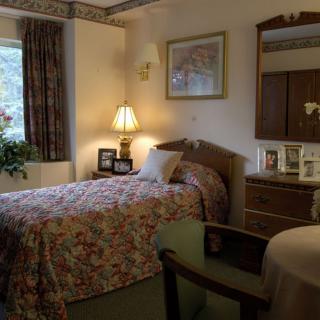
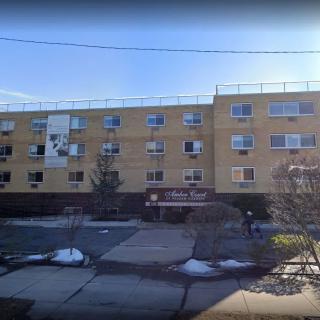
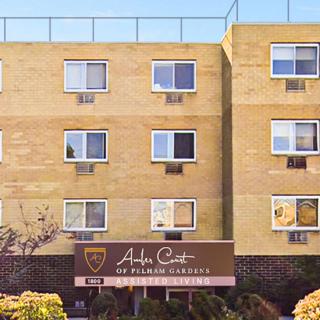
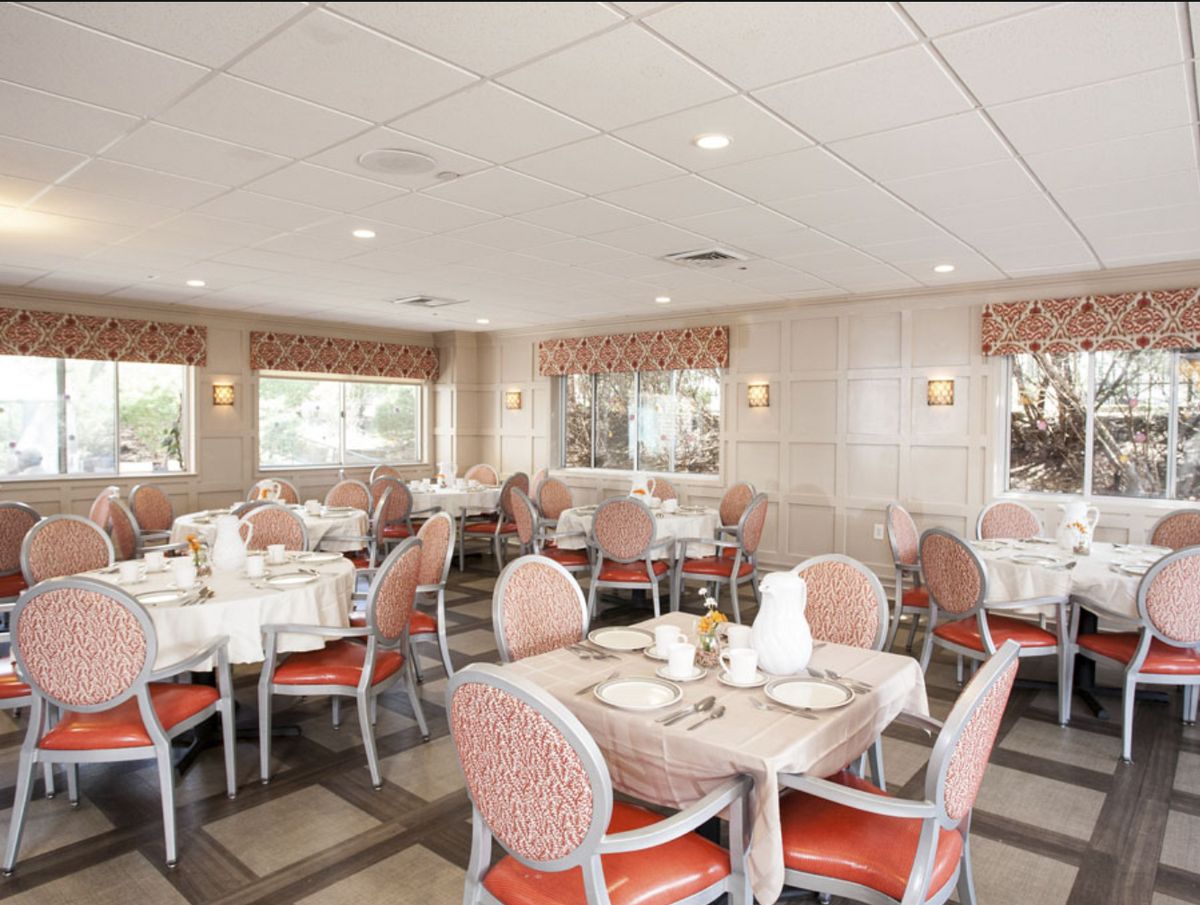
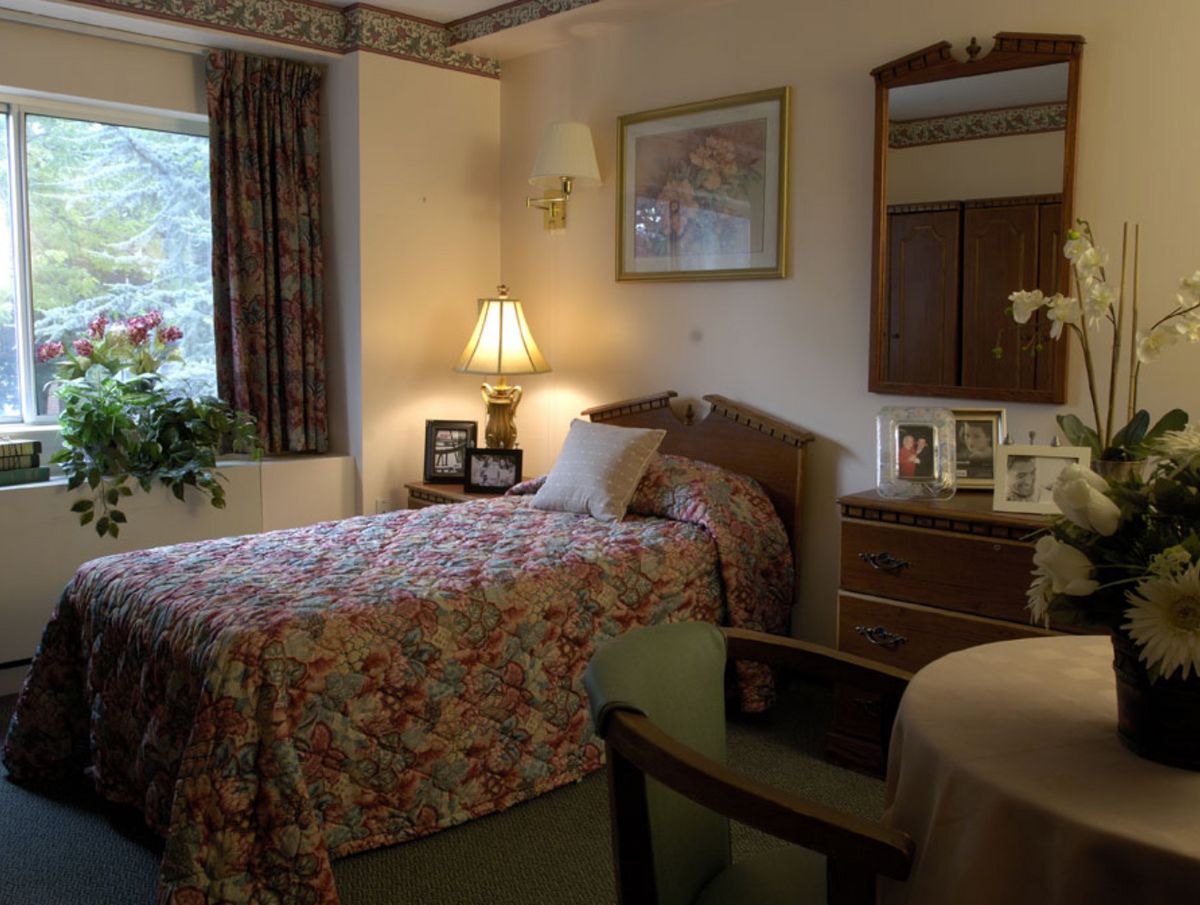
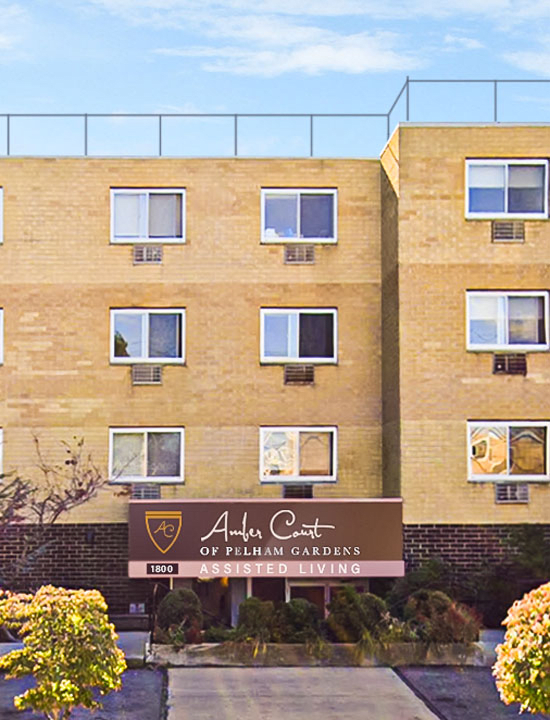
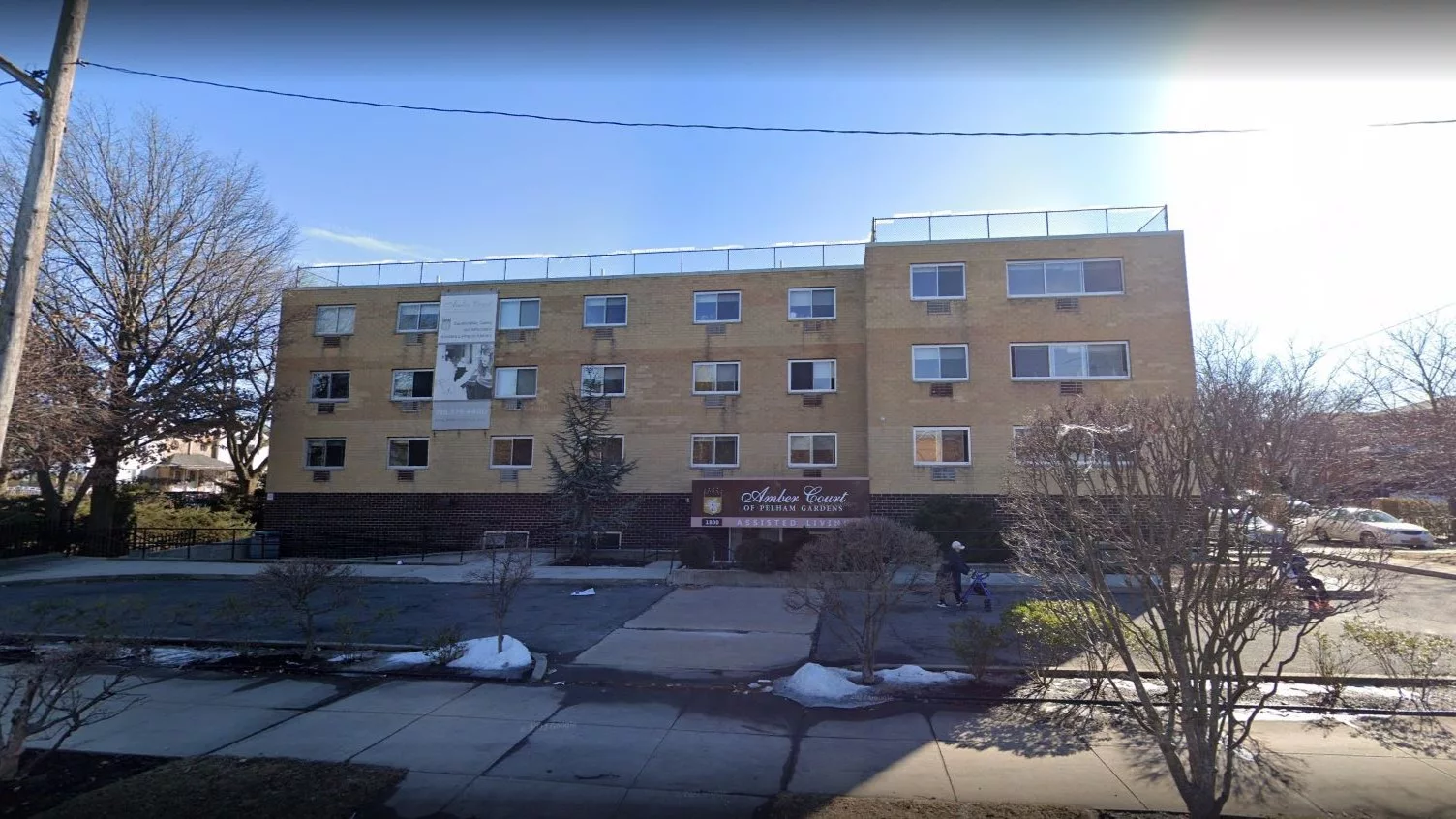
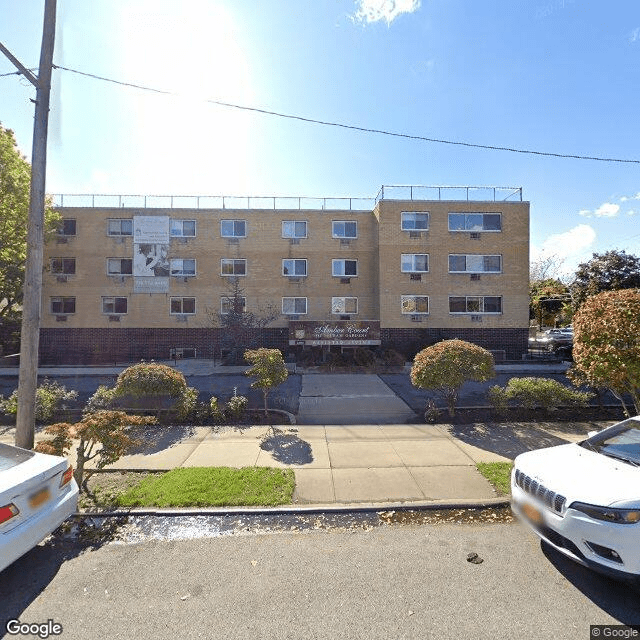
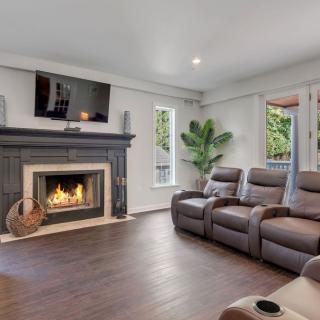
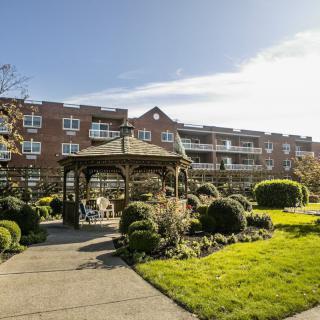
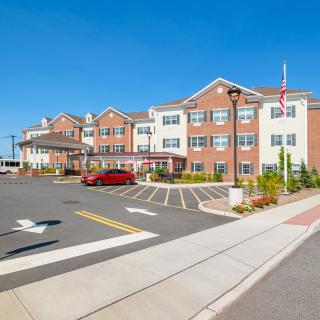
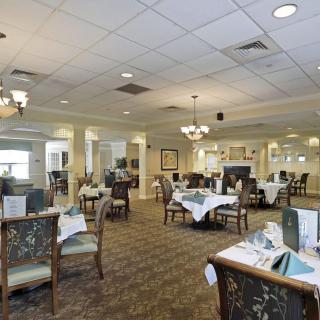
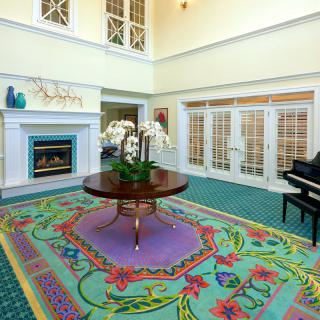
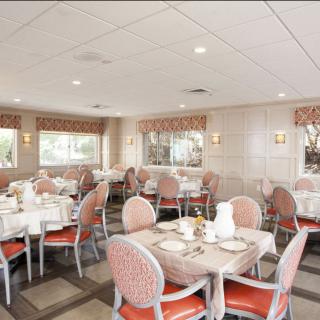
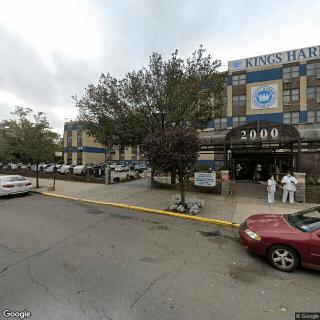
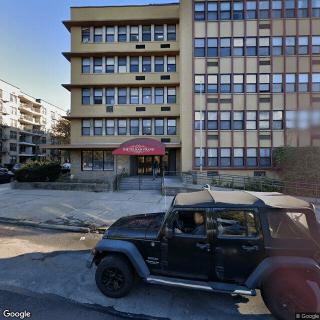
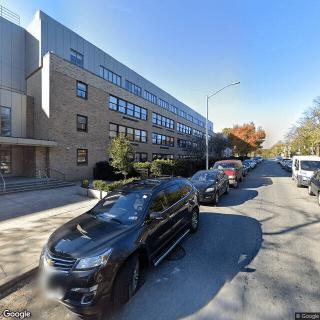
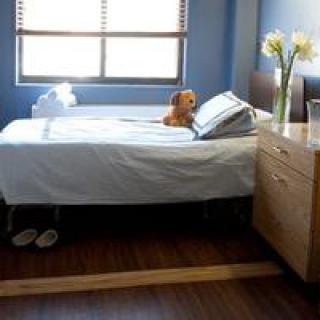
Amber Court of Pelham Gardens on seniors.fyi includes 5 photos including images showing windows, urban, dining, interior, bedroom, apartment building, architecture, building, and more.
Nearby Communities
Gold Crest Care Center
Bronx, NY
4.4 from 142 reviews
Exceptional care with warm, compassionate staff and excellent dining in a clean, home-like environment.
Kings Harbor Multicare Center
Bronx, NY
4.7 from 129 reviews
Some staff provide compassionate, home-like care.
Kings Harbor Multi- Care Ctr
Bronx, NY
4.8 from 103 reviews
Security measures and incident-responsive management.
Plummer Pavillion
Bronx, NY
$1,500 to $2,500 / month
Affordable rents with independent living and on-site spiritual amenities.
Premier Health
Bronx, NY
5 from 2 reviews
Close to numerous amenities and hospitals.
East Haven Nursing & Rehabilitation Center
Bronx, NY
3.7 from 94 reviews
Positive notes on staff dedication and rehab program.
Regeis Care Center
Bronx, NY
3.5 from 22 reviews
Caring staff, pleasant atmosphere, clean facility, and strong rehab support.
Morningside Nursing and Rehabilitation Center
Bronx, NY
4.4 from 119 reviews
Caring staff that improves quality of life and provides families peace of mind.
Wayne Center For Nursing & Rehabilitation
Bronx, NY
4.5 from 116 reviews
Clean, homey environment with attentive staff, good communication, and solid therapy plus on-site amenities.
Transitioning from assisted living to memory care is driven by an individual's cognitive decline and specific needs, requiring careful evaluation of indicators like increased confusion and wandering. The process involves consulting medical professionals, researching suitable communities, considering financial and legal aspects, and ensuring effective communication for personalized care plans.
Assisted living provides moderate support for seniors seeking independence, while memory care offers specialized support for individuals with dementia or cognitive impairments through structured routines and trained staff. Key differences include care approaches, environment security measures, staff training levels, activity types, and cost considerations.
Assisted living communities offer diverse activities beyond traditional games to enhance seniors' physical health, cognitive well-being, emotional enrichment, and social connections, including fitness classes, creative expression, and intergenerational interactions. These enriching programs foster community bonds and support residents' independence and happiness.
Get PricingAsk A QuestionSchedule A TourContact Senior Advisor
By clicking submit, you agree to our Partner's Terms of Use. You
also consent to receive calls and texts, which may be autodialed, from our Partner. Your consent is not a condition to
using our Partner's service. Please visit our Partner's Privacy Policy for information about their privacy practices.

 200 resident community capacity
 Studio apartments
 Assisted Living
 Respite Care
 Activities off-site
 Air-conditioning
 Bath tubs
 Beautician on-site
 Cable or satellite TV
 Computer center
 Devotional services on-site
 Dining room
 Fitness room
 Fully furnished
 Gaming room
 Garden
 Guest parking
 Housekeeping services
 Indoor common areas
 Kitchenette
 Laundry
 Move-in coordination
 Outdoor common areas
 Party space
 Private bathrooms
 Restaurant-style dining
 Small library
 Telephone
 Wellness center
 Wi-Fi/high-speed internet available
 LaGuardia (6 miles away)
 Community operated transportation
 12-16 hour nursing
 24-hour call system
 Ambulatory care
 Assistance with bathing
 Assistance with dressing
 Assistance with transfers
 Diabetes diet
 Diabetic care
 Medication management
 Mental wellness program
 Physical therapy
 Special dietary restrictions
 Art classes
 Book club
 Concierge services
 Cooking classes
 Day trips and outings
 Educational speakers / life long learning
 Games
Games Karaoke
 Live musical performances
 Trivia games
 Exceptional care with warm, compassionate staff and excellent dining in a clean, home-like environment.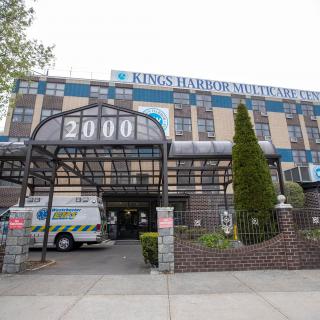
 When to Transition from Assisted Living to Memory Care: Key Indicators, Steps, and Finding the Right Community
 Assisted Living and Memory Care: Understanding Their Core Differences
 Beyond the Bingo Hall: 50+ Enriching Activities for Seniors in Assisted Living