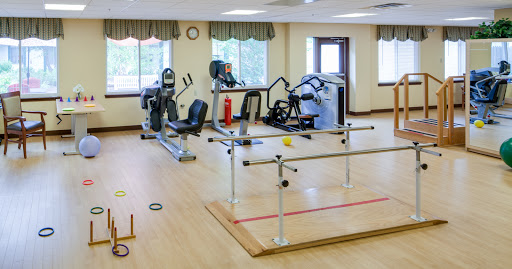
Rehab and medical support are a core part of the experience, including therapy and hospice coordination.
Multiple residents and families describe ongoing medical and rehab support after serious events like surgery, stroke, and transitions from the hospital. Several reviews specifically call out nursing plus rehab therapy (PT/OT) helping patients regain independence. Others mention hospice care being handled alongside the facility, with staff working to support both the patient and family during that stage.
caveat4 reviews mention this
Staff communication is uneven
Families report that communication and responsiveness can be inconsistent at times.
Some families say they struggled to get responses after leaving messages and weren’t updated on a patient’s plan. Others describe gaps in follow-through on care needs, including items being misplaced and concerns that staff did not respond appropriately. There are also reviews noting improvement after management contact, but the overall feedback includes enough friction around responsiveness that it stands out.
caveat4 reviews mention this
Food quality draws mixed reviews
Food quality is a recurring concern, with some residents describing dryness or meals they did not order.
A number of reviews point to problems with meals, including dry food and meals arriving late or not matching what was ordered. Several residents also describe the food negatively when explaining their overall rating. A smaller set of reviews says the food was good, but the negative comments are frequent enough to make dining a frequent topic.
caveat4 reviews mention this
Facility needs more updating
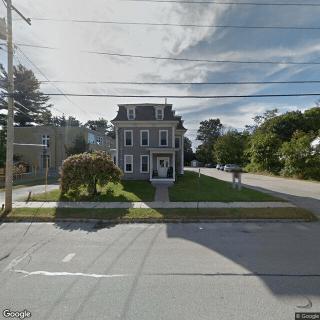
Residents and families describe the building as outdated and in need of repairs.
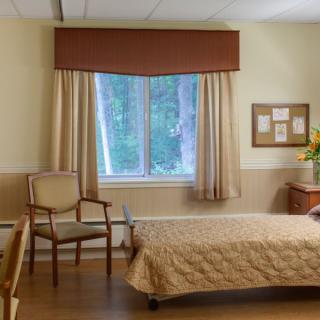
Several reviews describe the facility as old, with specific complaints about room condition such as broken closet doors, failing heaters, and the surrounding areas needing updates. One review also contrasts the rehab experience with the rest of the property. In a few cases, cleanliness is mentioned alongside the need for maintenance, reinforcing that condition is a recurring concern.
common17 reviews mention this
Caring, attentive staff is praised
Residents and families frequently describe staff as caring, kind, and attentive to daily needs.
Across many reviews, families and residents say the staff treats people with dignity and compassion and works hard even during busy periods. Multiple comments highlight nurses and aides as attentive, responsive, and helpful with day-to-day care. Several reviews also emphasize safety and communication from staff members, even when other aspects of the experience vary.
How we summarize
Counts show how many written reviews mention each theme; a review can touch several themes, and only frequently mentioned themes are displayed.
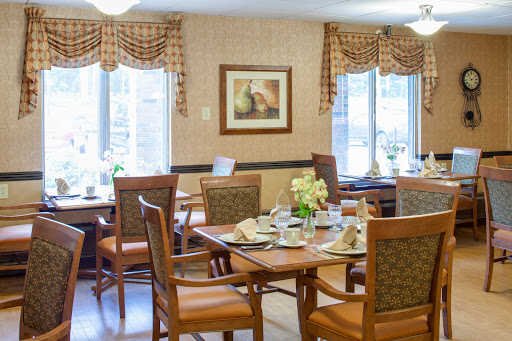
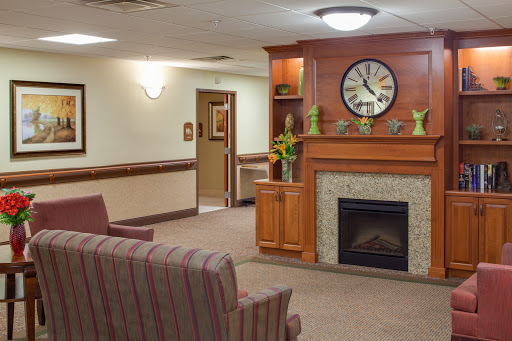
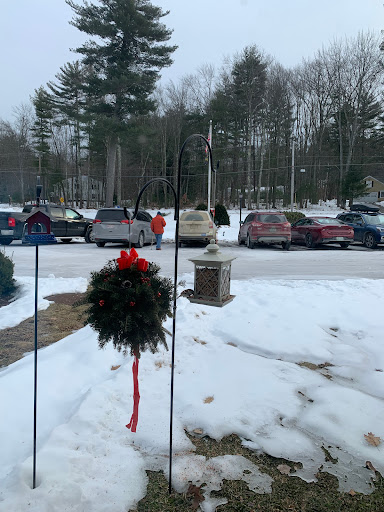
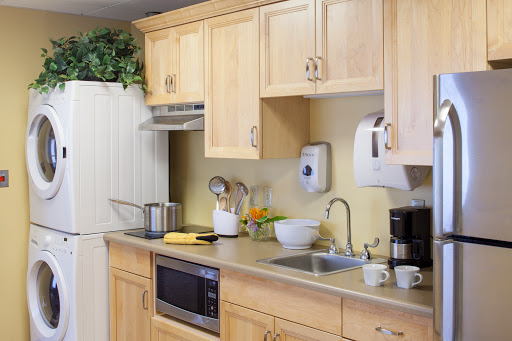
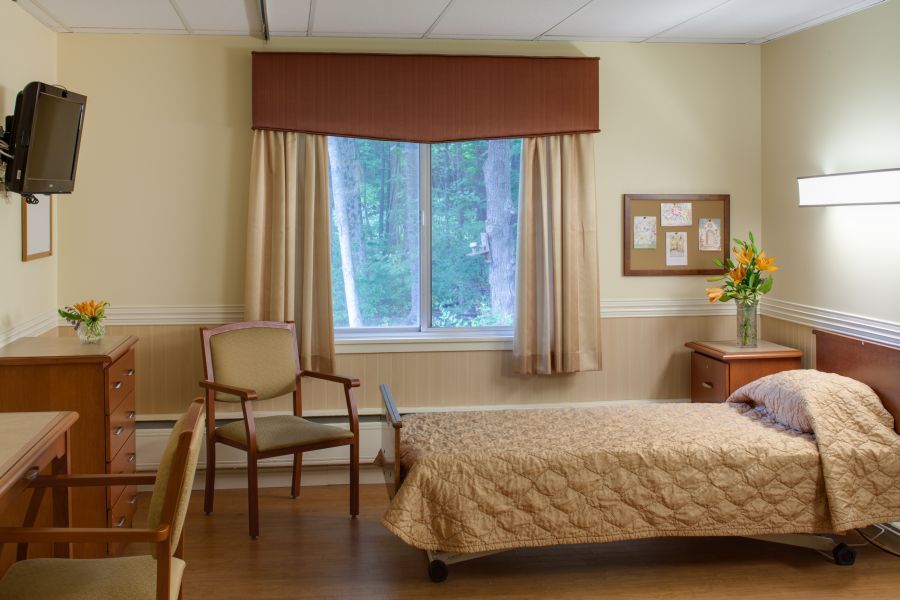
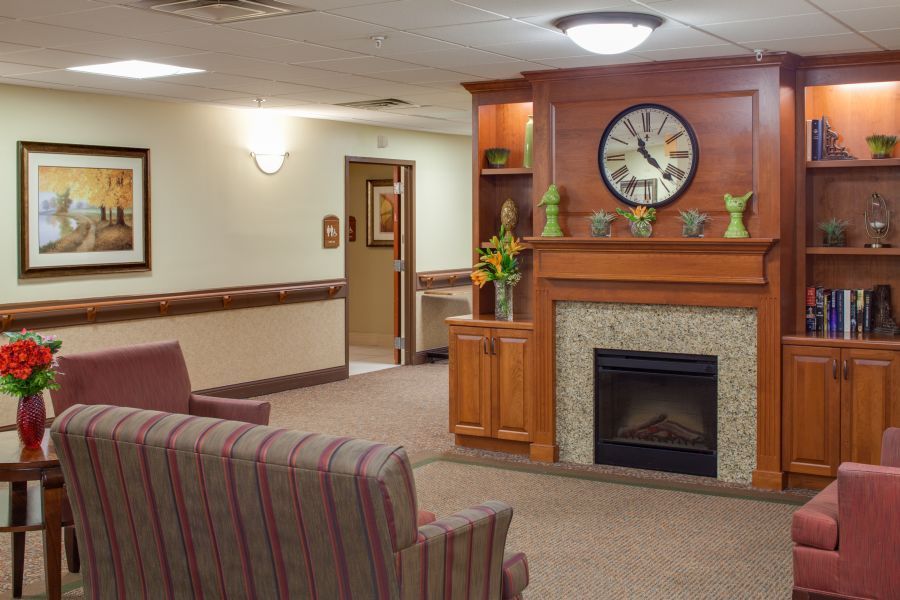
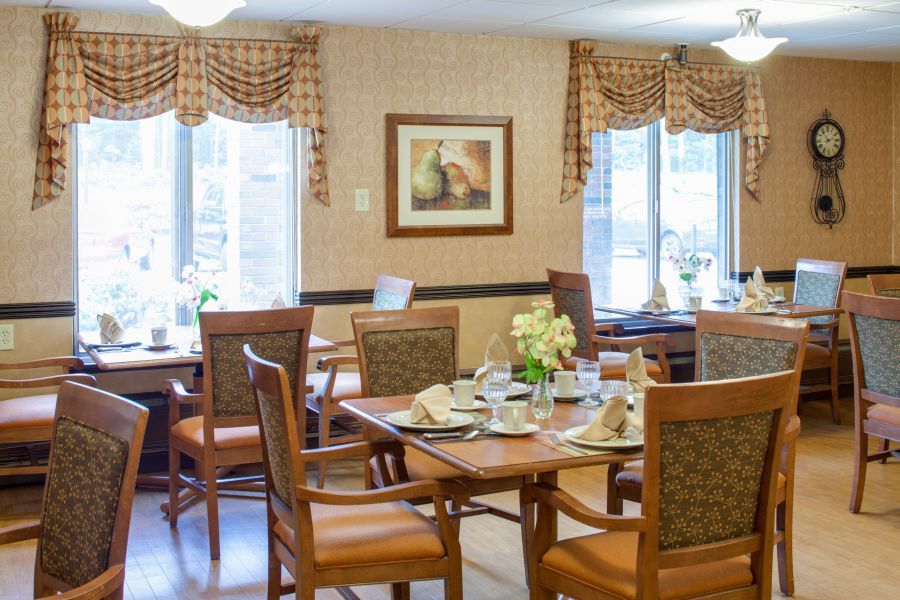
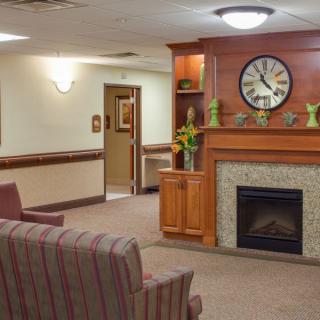
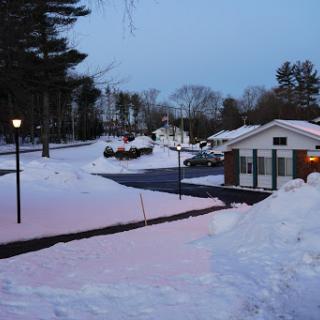
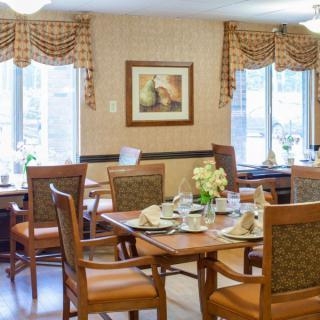
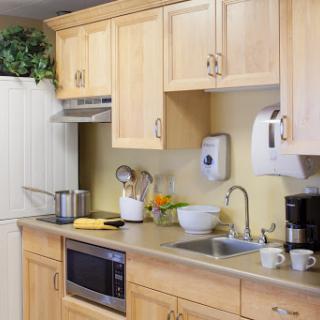
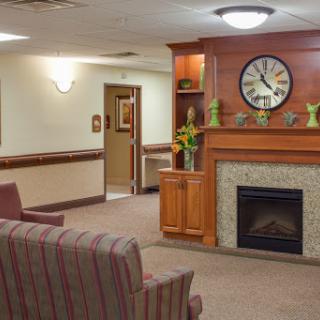
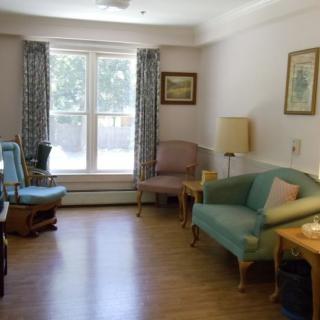
Rochester Manor on seniors.fyi includes 10 photos including images showing interior, decor, bedroom, windows, dining, trees, lounge, fireplace, and more.
Nearby Communities
Colonial Hill Center
Rochester, NH
3 from 49 reviews
Some staff are caring and the facility is well-maintained.
Colonial Hill of Rochester Care and Rehabilit
Rochester, NH
3.4 from 49 reviews
$9,672 to $12,772 / month
Offers respite stays with strong access to nearby pharmacies, dining, worship, and healthcare resources.
Lincoln Terrace
Rochester, NH
4.2 from 18 reviews
$3,000 to $4,500 / month
Friendly, home-like environment with helpful staff and affordable memory care options.
Desiree's Place
Rochester, NH
4 from 5 reviews
$2,400 to $6,290 / month
24/7 supervision with ADL support and on-site amenities (salon, dining, Wi?Fi) plus engaging activities.
Studley Home II
Rochester, NH
5 from 5 reviews
Small 25-unit community with 24/7 supervision, daily living support, medication management, and restaurant-style dining in kitchenette-equipped apartments.
Studley Home I
Rochester, NH
5 from 5 reviews
Small, intimate assisted living with comprehensive daily living support and diabetes-friendly dining.
Watson Fields
Dover, NH
4.2 from 19 reviews
$7,200 to $8,200 / month
Caring staff in a clean, welcoming environment with strong family communication.
The Residence At Silver Square
Dover, NH
4.5 from 93 reviews
$4,670 to $8,135 / month
Caring, attentive staff in a welcoming, well-maintained setting with good dining.
California's Form 602A is a vital tool for evaluating the health needs of seniors seeking residential care, detailing their medical conditions and daily living requirements to ensure proper service alignment. This standardized form enhances communication among physicians, families, and facilities, serving as a regulatory measure for admissions and ongoing care while adapting to changing healthcare practices.
The overview of blood pressure management for seniors emphasizes the importance of monitoring and interpreting blood pressure readings, noting that normal ranges can vary due to age-related factors and individual health conditions. It highlights tailored guidelines for systolic and diastolic levels, the necessity of early detection and consistent management to prevent serious health complications, and advocates for personalized care strategies that incorporate lifestyle changes and medication adherence.
Dogs can greatly improve the lives of older adults by offering emotional support and encouraging physical activity, with factors such as size, temperament, and grooming needs being crucial in selecting a suitable breed. Senior dogs often make ideal companions for this demographic, promoting social connections and requiring care routines that align with seniors' capabilities.
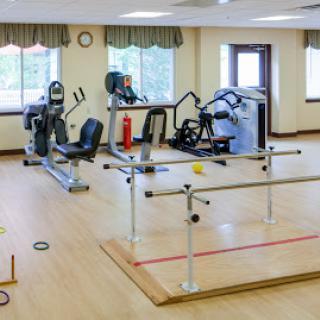
Exercise Equipment, Gym, Rehabilitation, Physical Therapy, Exercise, and Workout Space
Seating
Get PricingAsk A QuestionSchedule A TourContact Senior Advisor
By clicking submit, you agree to our Partner's Terms of Use. You
also consent to receive calls and texts, which may be autodialed, from our Partner. Your consent is not a condition to
using our Partner's service. Please visit our Partner's Privacy Policy for information about their privacy practices.



 21 resident community capacity
 Skilled Nursing Facility
 Beauty salon
 Cable or satellite TV
 Dining room
 Fully furnished
 Garden
 Housekeeping services
 Kitchenette
 Move-in coordination
 Outdoor space
 Telephone
 Wi-Fi/high-speed internet available
 24-hour call system
 Activities of daily living assistance
 Assistance with bathing
 Assistance with dressing
 Assistance with transfers
 Diabetes diet
 Meal preparation and service
 Medication management
 Mental wellness program
 Special dietary restrictions
 Transportation arrangement (medical)
 Transportation to doctors appointments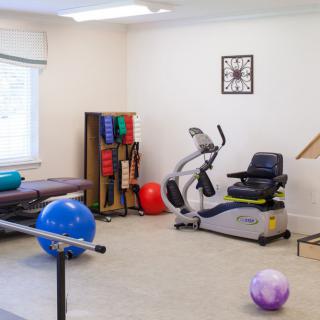
 Some staff are caring and the facility is well-maintained.



 California's Form 602A: An In-Depth Examination of Senior Care Assessment
 Comprehensive Look at Senior Blood Pressure Charts: Normal and Elevated Levels by Age
 Top Canine Companions for Older Adults