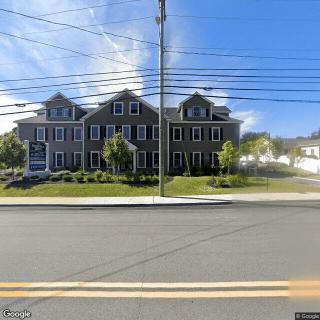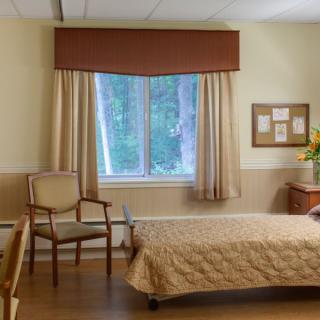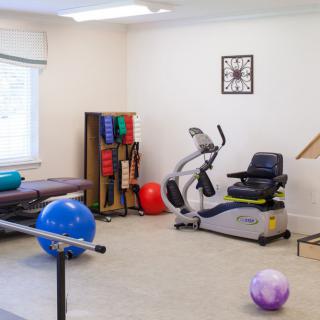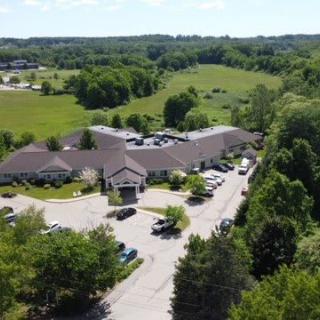
Desiree's Place in Rochester, NH

Save
Desiree's Place

Desiree's Place in Rochester, NH

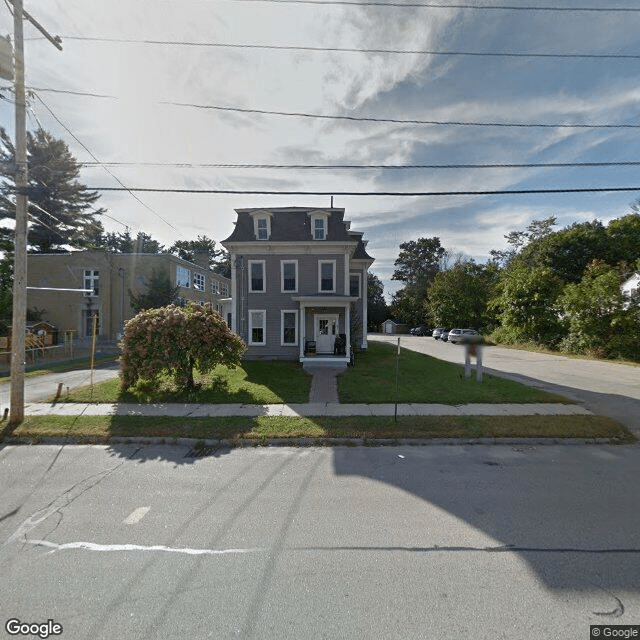
93 Charles Street, Rochester, NH 03867

For more information about senior living options: (844) 490-3973

4 from 5 reviews
5 stars
2
4 stars
2
3 stars
0
2 stars
1
1 stars
0

Assisted Living Board and Care Home

Desiree's Place Costs & Pricing

At Desiree's Place, the monthly costs for accommodations offer a competitive alternative to both Strafford County and the wider New Hampshire area. For a private room, residents can expect to pay between $2,400 and $5,806, significantly lower than the county average of $5,150 and the state average of $5,170. Semi-private rooms are similarly priced, ranging from $2,400 to $4,839 - again undercutting Strafford County's average of $4,651 and New Hampshire's state average of $4,881. However, for those interested in studio apartments, Desiree's Place presents a higher cost at $6,290 compared to the county's average of $5,296 and the state's average of $5,346. Overall, while Desiree's Place remains competitively priced for private and semi-private options, it does stand out with its premium pricing on studio accommodations.

Floor plansDesiree's PlaceStrafford CountyNew Hampshire
Private$2,400 to $5,806$5,150$5,170
Semi-Private$2,400 to $4,839$4,651$4,881
Studio$6,290$5,296$5,346

Overall Review of Desiree's Place

Pros

  • pro They treat her very well.
  • pro They take good care of her and saved her life.
  • pro The staff and residents are loved.

Cons

  • pro The doctor had no clue about her prognosis.
  • pro The six-month prognosis was wrong.
  • pro The reviewer believes the doctor's assessment was off.

Review

Desiree's Place in Rochester, NH is best suited for seniors who want a warm, tightly knit community with hands-on, compassionate caregiving. The strongest signals from the lived experience center on attentive staff who form meaningful bonds with residents and respond with genuine care. The affection and steady support described point to a environment where daily life is conducted with a caregiver's mindset rather than a distant, procedural approach. In particular, for families facing serious health challenges, the ability of staff to intervene thoughtfully and to offer steady reassurance can feel life-affirming and practically indispensable. This is a setting where the emotional and social fabric of small-town senior living blends with vigilant, personalized attention.

Those who should consider alternatives are residents whose needs extend beyond a high-touch, relational model. A community that earns praise for staff warmth may struggle for families seeking extensive medical specialization, complex wound care, or robust on-site clinical oversight. If memory care requires highly structured cognitive therapies, if round-the-clock nursing demands are aggressive, or if a broader array of therapeutic services and activities is non-negotiable, other options with larger medical staffs or more extensive therapy programs may deliver a closer fit. A single lower-rated review in the mix hints that some residents may experience gaps or inconsistencies that could matter to families with exacting standards, so due diligence is essential.

The principal advantages hinge on the humanity of care and the daily sense of community. The most compelling testimony centers on staff who treat residents well and create a sense of belonging among peers, residents, and families alike. When a facility can make life's more fragile chapters feel navigable - and when it can demonstrate practical impact, as in cases where care contributes to meaningful improvements in health or quality of life - the value becomes tangible. In Desiree's Place, the combination of loving staff and a people-centered atmosphere often translates into dependable, heartfelt assistance that can offset the friction of aging and illness.

That said, a practical evaluator should acknowledge what is less visible in the praise. The existence of a lower rating in the overall mix signals that not every resident may experience the same level of satisfaction, and the specific concerns are not detailed in the available accounts. This suggests potential variability in day-to-day responsiveness, consistency of routines, or breadth of on-site medical support. While the overall sentiment leans positive, these murmurings matter for decision-makers who must balance emotional reassurance with predictable service quality and access to medical resources. In such cases, asking pointed questions about staffing ratios, on-call medical coverage, and the scope of activities can clarify whether the pros reliably outweigh the cons for a given situation.

For families navigating a decision, the takeaway is clear. Desiree's Place excels for seniors who prize a family-like feel, steady, compassionate caregivers, and a community where residents themselves contribute to a supportive social network. It is less ideal for those whose care demands require highly specialized medical programs or extensive clinical acuity on site. The recommendation is to pursue a rigorous on-site assessment: tour with a critical eye on staff availability during peak hours, request a transparent outline of daily schedules, verify access to medical professionals, and speak with current residents and families about consistency of care. When those pieces align, this community can be a strong match; when alignment falters, alternatives with more expansive clinical infrastructure may be warranted.

In the end, Desiree's Place presents a candid value proposition: a nurturing, people-first environment where dedicated staff can meaningfully improve daily life and, in some cases, even health outcomes. For decision-makers prioritizing warmth, connection, and reliable daily care, it stands out as a solid, practical choice. For those whose criteria tilt toward advanced medical complexity or specialized programming, it is prudent to compare with options that offer broader clinical depth. The next steps are concrete and prudent: arrange firsthand visits, interrogate staffing and medical coverage specifics, and gather direct input from residents and families to confirm that the hoped-for balance between heart and clinical assurance is achieved.

Features

Housing

  • 22 resident community capacity 22 resident community capacity

Types of Care

  • Assisted Living Assisted LivingAssisted living facilities provide crucial support and care for seniors who may need help with daily tasks such as medication management, bathing, and meal preparation. These communities offer a safe and comfortable environment where seniors can maintain their independence while receiving the assistance they need to thrive in their golden years.
  • Board and Care Home Board and Care HomeBoard and care homes provide a smaller, more intimate setting for seniors who require assistance with daily tasks but do not need the level of care offered by a nursing home. They offer personalized care, meals, and social activities in a homelike environment, ensuring that seniors receive individualized attention and support in their golden years.

Amenities

  • Beautician on-site Beautician on-siteHaving a beautician on-site at a senior living community is important for seniors as it allows them to easily access grooming and personal care services, boosting their self-esteem and overall well-being. It also provides convenience and helps seniors maintain their sense of independence and personal style.
  • Beauty salon Beauty salonBeauty salons are important for seniors because they provide a space for them to feel pampered, socialize, and maintain their personal grooming and hygiene. Regular visits to a beauty salon can help boost seniors' self-esteem and overall well-being.
  • Cable or satellite TV Cable or satellite TVCable or satellite TV is important for seniors because it provides entertainment, news, and companionship, helping to combat loneliness and boredom. It also offers a wide range of programming options tailored to different interests and preferences.
  • Devotional services on-site Devotional services on-siteDevotional services on-site provide seniors with spiritual support and a sense of community, as well as an opportunity for reflection and guidance during their senior living experience. This can promote emotional well-being and connection to others, leading to a more fulfilling and enriching lifestyle in their later years.
  • Dining room Dining roomDining rooms are important for seniors as they provide a space for socialization, connection, and nutritious meals. They offer opportunities for residents to bond over shared meals, foster a sense of community, and promote healthy eating habits. Dining rooms also ensure that seniors have access to well-balanced meals tailored to their dietary needs and preferences.
  • Fully furnished Fully furnishedFully furnished senior living communities are important for seniors because they provide convenience, comfort, and a hassle-free moving experience. Seniors can easily settle into their new living space without the stress of having to buy and move furniture. This allows them to focus on enjoying their new home and community.
  • Garden GardenGardens are important for seniors as they provide a peaceful and therapeutic environment for relaxation, physical activity, and socialization. Being in nature has been shown to reduce stress, improve mood, and promote overall well-being. Gardens also offer opportunities for seniors to engage in gardening activities, which can improve mobility, flexibility, and cognitive function. Additionally, gardens create a sense of community and connection with others who share a passion for plants and outdoor spaces.
  • Housekeeping services Housekeeping servicesHousekeeping services are important for seniors because they help maintain a clean and safe living environment, promote independence, and reduce the risk of accidents or illnesses. Additionally, having assistance with household chores can alleviate physical strain and allow seniors to focus on other aspects of their well-being.
  • Indoor common areas Indoor common areasIndoor common areas are crucial for seniors as they provide a space for socialization, recreation, and community engagement, promoting overall well-being and reducing feelings of isolation and loneliness.
  • Kitchenette KitchenetteKitchenettes are important for seniors living in senior living communities because they provide the convenience and independence of being able to prepare simple meals and snacks in the comfort of their own living space. This can help promote a sense of autonomy and well-being for seniors, allowing them to maintain some level of control over their dietary choices and daily routines.
  • Move-in coordination Move-in coordinationMove-in coordination is important for seniors because it helps ease the transition into their new living environment. It ensures that all logistics, such as packing, organizing movers, and setting up utilities are taken care of, allowing seniors to focus on settling in and adjusting to their new home. Having a smooth move-in process can alleviate stress and anxiety, making the transition smoother and more enjoyable for seniors.
  • Outdoor common areas Outdoor common areasOutdoor common areas are important for seniors as they provide a space for socialization, physical activity, and relaxation. Being outside in nature can improve mood and overall well-being, while also encouraging movement and engagement with others. These spaces can help combat feelings of isolation and promote a sense of community among residents.
  • Outdoor space Outdoor spaceOutdoor spaces are important for seniors as they provide opportunities for physical activity, social interaction, exposure to natural light and fresh air, and a sense of connection to nature. Having access to outdoor spaces can improve overall well-being and quality of life for older adults living in senior communities.
  • Private PrivatePrivacy is important for seniors as it allows them to maintain their independence, dignity, and sense of control over their own lives. It also gives them the space and freedom to relax, reflect, and engage in activities that bring them joy and fulfillment. Creating private spaces within senior living facilities is crucial for promoting overall well-being and quality of life.
  • Telephone TelephoneTelephones are important for seniors as they provide a lifeline for communication with loved ones, emergency services, and healthcare providers. They offer a sense of security and independence, enabling seniors to stay connected and access assistance when needed.
  • Wi-Fi/high-speed internet available Wi-Fi/high-speed internet availableWi-Fi/high-speed internet is important for seniors to stay connected with loved ones, access online resources, and participate in virtual activities to combat feelings of loneliness and isolation. It also allows them to easily manage healthcare needs, access entertainment, and engage in lifelong learning opportunities.

Care Services

  • 24-hour call system 24-hour call system24-hour call systems are important for seniors because they provide peace of mind and immediate assistance in case of emergencies. This technology ensures that help is always available, promoting safety and security for elderly individuals living alone or in assisted living facilities.
  • 24-hour supervision 24-hour supervision24-hour supervision is important for seniors to ensure their safety, well-being, and access to immediate assistance in case of emergencies or health issues. This constant support provides peace of mind for both seniors and their loved ones, allowing them to age in place with dignity and security.
  • Activities of daily living assistance Activities of daily living assistanceActivities of daily living assistance are important for seniors because they provide essential support with tasks such as eating, bathing, dressing, and mobility. This assistance helps seniors maintain their independence, dignity, and overall quality of life as they age.
  • Assistance with bathing Assistance with bathingAssistance with bathing is crucial for seniors as it helps maintain personal hygiene, prevents infections, and ensures their overall well-being and comfort. It also provides a sense of dignity and independence for seniors who may struggle with this task on their own.
  • Assistance with dressing Assistance with dressingAssistance with dressing is important for seniors because it helps maintain their independence, promotes personal hygiene, prevents accidents and injuries, and improves overall quality of life. This service ensures that seniors can continue to dress comfortably and confidently, despite any physical limitations they may have.
  • Assistance with transfers Assistance with transfersAssistance with transfers is crucial for seniors as it helps prevent falls and injuries, maintains their independence, and ensures they can safely navigate their living environment. It also provides peace of mind for both seniors and their loved ones.
  • Coordination with health care providers Coordination with health care providersCoordination with health care providers is crucial for seniors to ensure proper medical care, medication management, and overall well-being. This collaboration helps prevent overlapping treatments, track progress more effectively, and provide comprehensive support tailored to individual needs.
  • Diabetes diet Diabetes dietA diabetes diet is crucial for seniors as it helps manage blood sugar levels, reduce risks of complications, and improve overall health and well-being. By following a balanced and nutritious diet tailored to their specific needs, seniors can better control their diabetes and enhance their quality of life.
  • High acuity care High acuity careHigh acuity care is important for seniors because it provides specialized medical attention and support for individuals with complex medical needs. This level of care ensures that seniors receive the appropriate treatment and assistance to maintain their health and quality of life as they age.
  • Meal preparation and service Meal preparation and serviceMeal preparation and service are crucial for seniors as they may have limited mobility or energy to cook nutritious meals. Having access to healthy and convenient food options can ensure they are getting the proper nutrition needed to maintain their overall health and well-being.
  • Medication management Medication managementMedication management is crucial for seniors to ensure they are taking the right medications at the correct dosages and times. This helps prevent adverse drug interactions, reduces the risk of medication errors, and promotes overall health and well-being. Proactive management also allows for adjustments as needed based on changing health conditions or new prescriptions.
  • Mental wellness program Mental wellness programMental wellness programs are essential for seniors as they promote cognitive stimulation, emotional support, and social engagement. These programs help prevent isolation, depression, and cognitive decline, ultimately enhancing the overall quality of life for older adults.
  • Special dietary restrictions Special dietary restrictionsSpecial dietary restrictions are important for seniors because age-related changes in metabolism and health conditions can make it difficult for their bodies to process certain foods. By following a diet tailored to their specific needs, seniors can maintain their overall health and well-being, manage chronic conditions, and reduce the risk of complications such as malnutrition or food interactions with medications.
  • Transportation arrangement (medical) Transportation arrangement (medical)Transportation arrangements for medical purposes are essential for seniors as they may have difficulty driving themselves to appointments or accessing public transportation. Having reliable and safe transportation options ensures that seniors can receive timely medical care and maintain their health and well-being.
  • Transportation to doctors appointments Transportation to doctors appointmentsTransportation to doctors' appointments is crucial for seniors as it ensures they have access to necessary medical care and support for their health needs. Without reliable transportation, seniors may struggle to attend important appointments, leading to potential delays in treatment and health complications. Providing transportation services helps seniors maintain their overall well-being and quality of life.
Dining

  • Diabetes diet Diabetes dietA diabetes diet is crucial for seniors as it helps manage blood sugar levels, reduce risks of complications, and improve overall health and well-being. By following a balanced and nutritious diet tailored to their specific needs, seniors can better control their diabetes and enhance their quality of life.
  • Meals provided Meals provided"Meals provided" are crucial for seniors in assisted living communities as it ensures they have access to nutritious, balanced meals without the stress of meal planning and preparation. This can help promote overall health and well-being for seniors who may have limited mobility or cognitive abilities.
  • Special dietary restrictions Special dietary restrictionsSpecial dietary restrictions are important for seniors because age-related changes in metabolism and health conditions can make it difficult for their bodies to process certain foods. By following a diet tailored to their specific needs, seniors can maintain their overall health and well-being, manage chronic conditions, and reduce the risk of complications such as malnutrition or food interactions with medications.

Activities

  • Community-sponsored activities Community-sponsored activitiesCommunity-sponsored activities are important for seniors as they provide opportunities for social interaction, mental stimulation, and physical activity. These activities can help improve overall well-being, combat loneliness and isolation, and promote a sense of belonging and purpose among older adults.
  • Devotional activities on-site Devotional activities on-siteDevotional activities on-site provide seniors with a sense of community, spiritual fulfillment, and emotional support, promoting overall well-being and a positive sense of purpose in their lives.
  • Scheduled daily activities Scheduled daily activitiesScheduled daily activities are important for seniors because they provide structure, socialization, mental stimulation, and physical activity. Engaging in regular activities can improve overall well-being and quality of life for seniors living in a community setting.

Description

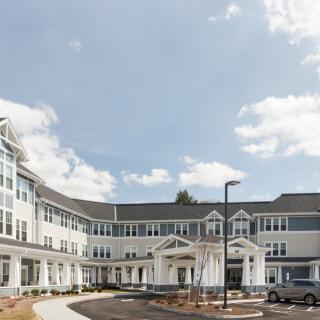
Desiree's Place in Rochester, NH, is a welcoming and vibrant assisted living community designed to provide residents with the support and care they need while fostering an environment that encourages independence and engagement. Our Board and Care Home offers a variety of amenities aimed at enhancing the quality of life for our residents.

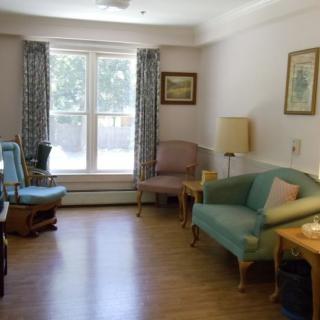
At Desiree's Place, residents can enjoy a range of features including beautifully furnished private rooms, cozy indoor common areas, and inviting outdoor spaces where they can relax or socialize with friends. We prioritize comfort with housekeeping services that maintain a clean environment, as well as access to Wi-Fi/high-speed internet for staying connected. Residents can indulge in pampering sessions at our on-site beauty salon or participate in devotional services tailored to their spiritual needs.

Culinary experiences are crafted around individual preferences and dietary restrictions, ensuring that meals are both nutritious and delicious. Our dedicated staff prepares meals daily and accommodates special dietary requirements with ease. Additionally, scheduled activities encourage social interaction and personal fulfillment, from organized recreational programs to devotional pursuits.

Care at Desiree's Place is comprehensive, our team provides 24-hour supervision alongside personalized assistance with activities of daily living such as bathing, dressing, and transfers. We coordinate seamlessly with health care providers to ensure our residents receive appropriate medical care while also offering diabetes-friendly meal options and medication management.

Our strategic location enhances convenience; there are several nearby cafes for casual outings, five pharmacies for prescription needs, and sixteen physicians within close proximity. For those looking for dining options or places of worship, there are eighteen restaurants and three places nearby that cater to diverse tastes and beliefs. Furthermore, we facilitate transportation arrangements for medical appointments or other essential trips.

With its commitment to mental wellness through structured programs and dedicated care services, Desiree's Place stands out as a nurturing community where residents can thrive in their golden years while enjoying companionship in a safe setting.

Nearby Places of Interest

This part of Rochester, New Hampshire is a bustling and convenient area for senior living. With a variety of restaurants such as KFC, China Palace Restaurant, and Wild Willy's Burgers nearby, you'll have plenty of dining options to choose from. There are also several reputable physicians and medical facilities in close proximity, including Frisbie Rehab Services and Rochester Infectious Disease. For transportation needs, U-Haul Moving & Storage is conveniently located within a short distance. In terms of pharmacies, Walgreens and Rite Aid are easily accessible for any medication needs. Additionally, there are two hospitals nearby - Frisbie Memorial Hospital and Wentworth-Douglass Hospital - providing quality healthcare services. For leisurely activities, cafes like Aroma Joe's offer a cozy place to relax with a cup of coffee. Nearby places of worship such as Our Lady of the Holy Rosary Church cater to spiritual needs. The area also boasts several parks including Town of Farmington and Guppey Park for outdoor enjoyment and relaxation. Overall, this part of Rochester offers a balanced mix of amenities and services suitable for seniors looking for a comfortable living environment.

Restaurants

  • KFC (0.2 miles)
  • China Palace Restaurant (0.3 miles)
  • My Cielo Taqueria (0.4 miles)
  • Lilac City Grille (0.6 miles)
  • Revolution Taproom & Grill (0.6 miles)
  • Wild Willy's Burgers (0.7 miles)
  • IHOP (1.1 miles)

Physicians

  • Frisbie Rehab Services (0.3 miles)
  • Rochester Infectious Disease (0.8 miles)
  • Surgical Associates of Rochester (0.8 miles)
  • Rochester Obstetrics & Gyn (0.8 miles)
  • Tolla Daniel De H DDS MD PA (0.9 miles)
  • Rochester Eye Care Associates (1 miles)
  • Seacoast Dental Implant & Oral Surgery Center (1.1 miles)

Transportation

  • U-Haul Moving & Storage (0.3 miles)
  • U-Haul Moving & Storage (8.1 miles)

Pharmacies

  • Walgreens (0.3 miles)
  • Rite Aid (1.4 miles)
  • Pharmacy Hannaford (1.6 miles)
  • Hannaford Pharmacy (1.7 miles)
  • Rite Aid (3.1 miles)
  • Rite Aid (6.1 miles)
  • Care Pharmacy (6.1 miles)

Hospitals

  • Frisbie Memorial Hospital (0.7 miles)
  • Wentworth-Douglass Hospital (7.7 miles)

Cafes

  • Aroma Joe's (0.8 miles)
  • Aroma Joes (2.6 miles)
  • Aroma Joes (6 miles)
  • Aroma Joe's Coffee (6.3 miles)
  • Starbucks (6.8 miles)
  • Panera Bread (7.2 miles)

Places of Worship

  • Our Lady of the Holy Rosary Church (0.8 miles)
  • Christian Fellowship USA (3.1 miles)
  • Next Level Church (3.6 miles)

Parks

  • Town of Farmington (6.3 miles)
  • Guppey Park (8.5 miles)
  • Bellamy Park (9.1 miles)

Frequently Asked Questions

How much does it cost to live at Desiree's Place in Rochester, NH?
Where is Desiree's Place?

Nearby Communities

  • Lincoln Terrace

    Lincoln Terrace

    Rochester, NH

    4.2 from 18 reviews
    $3,000 to $4,500 / month

    pro Friendly, home-like environment with helpful staff and affordable memory care options.

  • Gafney Home

    Gafney Home

    Rochester, NH

    2 from 1 review
     

    pro Specialized diabetic care with engaging activities and easy access to nearby healthcare and dining.

  • Studley Home

    Studley Home

    Rochester, NH

    5 from 10 reviews
     

    pro Caring staff with a warm, home-like atmosphere and engaging activities.

  • Rochester Manor

    Rochester Manor

    Rochester, NH

    4.2 from 53 reviews
     

    pro Fully furnished apartments with 24/7 supervision, personalized ADL support, comprehensive amenities (dining, housekeeping, Wi-Fi, outdoor spaces) and a mental wellness program.

  • Colonial Hill Center

    Colonial Hill Center

    Rochester, NH

    3 from 49 reviews
     

    pro Some staff are caring and the facility is well-maintained.

  • Colonial Hill of Rochester Care and Rehabilit

    Colonial Hill of Rochester Care and Rehabilit

    Rochester, NH

    3.2 from 43 reviews
    $9,672 to $12,772 / month

    pro Offers respite stays with strong access to nearby pharmacies, dining, worship, and healthcare resources.

  • Watson Fields

    Watson Fields

    Dover, NH

    4.5 from 16 reviews
    $7,200 to $8,200 / month

    pro Caring staff in a clean, welcoming environment with strong family communication.

  • The Residence At Silver Square

    The Residence At Silver Square

    Dover, NH

    4.5 from 82 reviews
    $4,670 to $8,135 / month

    pro Caring, attentive staff in a welcoming, well-maintained setting with good dining.

  • Berwick Estates

    Berwick Estates

    South Berwick, ME

    2.6 from 9 reviews
     

    pro Caring staff and engaging activities.

Related Resources

  • aid and attendance vaAn Extensive Exploration of the VA Aid and Attendance Benefit

    The VA Aid and Attendance benefit provides financial support to veterans needing assistance with daily living due to medical conditions or disabilities, augmenting standard VA pensions for services like in-home care. Eligibility is based on service duration, wartime status, income, and medical needs, with a detailed application process required to access funds for caregiving and home modifications.

  • senior move managementSenior Transition Services: Understanding Their Role, Cost, and Importance

    Senior move management services assist older adults in the relocation process by providing emotional support and organizational help, addressing unique challenges like downsizing and moving from long-term homes. These specialists collaborate with real estate agents and manage logistics, making the transition smoother for seniors and their families.

  • independent living vs assisted livingExploring the Path to Senior Living: A Comprehensive Look at Independent Living and Assisted Living

    The article examines senior housing options, detailing the distinctions between independent living and assisted living, along with the emerging "independent assisted living" model that blends both approaches. It highlights the importance of assessing individual needs, preferences, and financial factors in making informed decisions about suitable living arrangements for seniors.