For more information about senior living options: (866) 208-4318
3.4 from 49 reviews
5 stars
24
4 stars
6
3 stars
1
2 stars
1
1 stars
17
Colonial Hill of Rochester Care and Rehabilit Costs & Pricing
At Colonial Hill of Rochester Care and Rehabilitation, the costs for care reflect a significant investment in quality services. For a semi-private room, residents can expect to pay $9,672 per month, which is substantially higher than the county average of $4,651 and the statewide average of $4,881 in New Hampshire. In terms of private accommodations, Colonial Hill charges $12,772 monthly, again surpassing both Strafford County's average of $5,150 and the state's average of $5,170. These figures suggest that while Colonial Hill offers premium care and amenities that justify its pricing, potential residents should consider their budget relative to local alternatives.
Floor plans
Colonial Hill of Rochester Care and Rehabilit
Strafford County
New Hampshire
Semi-Private
$9,672
$4,651
$4,881
Private
$12,772
$5,150
$5,170
Skilled Nursing Facilities with a similar price nearby
Overall Review of Colonial Hill of Rochester Care and Rehabilit
common20 reviews mention this
Staff are caring and responsive
Residents and families consistently describe staff as caring, attentive, and easy to reach.
Many reviewers describe staff as kind, patient, and responsive during rehab and longer stays. Several mention quick help when they call for assistance, as well as communication that helped families feel comfortable. A few negative reviews also acknowledge there are some good staff members among broader concerns, which suggests experiences varied by person or unit.
common10 reviews mention this
Facility stays clean and sanitary
Reviews repeatedly point to a clean, sanitary facility.
Multiple reviews describe the building as clean and sanitary, and several families say their loved ones were kept clean and well cared for day to day. Some comments mention specific hygiene issues, like poor cleaning after spills or inadequate supplies, which contrasts with the more positive cleanliness feedback. Overall, cleaning quality shows up often enough that it seems to be a noticeable part of the resident experience.
differentiator5 reviews mention this
Rehab therapy helps residents progress
Therapy experiences—especially physical therapy—are frequently described as encouraging and effective.
Several reviewers highlight physical therapy and other therapy support as a key part of their rehab progress. Comments describe learning exercises for after discharge and being motivated by therapists during recovery. A few negative reviews focus more on medical and safety concerns than therapy itself, but the overall theme of therapy support comes through clearly in the reviews.
caveat7 reviews mention this
Food is generally good, but mixed
Food quality is mentioned often, with reports ranging from good to served cold.
Some residents and families say the food is good and that meals support comfort during the stay. Others report problems such as food being served cold or needing improvement. Taken together, dining appears to vary by visit or unit rather than being consistently praised or consistently criticized.
caveat6 reviews mention this
Safety and care lapses worry families
Some reviews raise serious concerns about safety checks and care follow-through.
A number of negative reviews describe incidents that suggest care lapses, including falls or being found in unsafe positions and concerns about monitoring. Others mention oxygen interruptions, aspiration, or delays in basic assistance such as waiting for help or bedpan care. While some reviewers are very positive about staff, these safety-focused reports are direct and recurring in the negative feedback.
How we summarize
Counts show how many written reviews mention each theme; a review can touch several themes, and only frequently mentioned themes are displayed.
At Colonial Hill of Rochester Care and Rehabilitation, the costs for care reflect a significant investment in quality services. For a semi-private room, residents can expect to pay $9,672 per month, which is substantially higher than the county average of $4,651 and the statewide average of $4,881 in New Hampshire. In terms of private accommodations, Colonial Hill charges $12,772 monthly, again surpassing both Strafford County's average of $5,150 and the state's average of $5,170. These figures suggest that while Colonial Hill offers premium care and amenities that justify its pricing, potential residents should consider their budget relative to local alternatives.
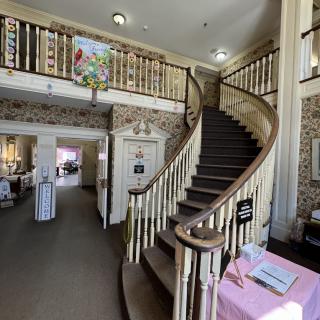
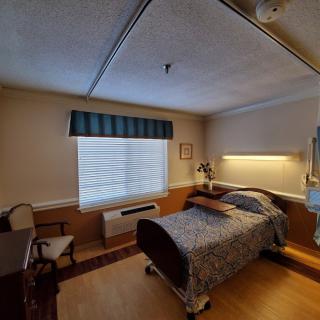
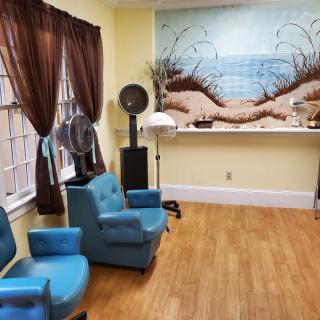
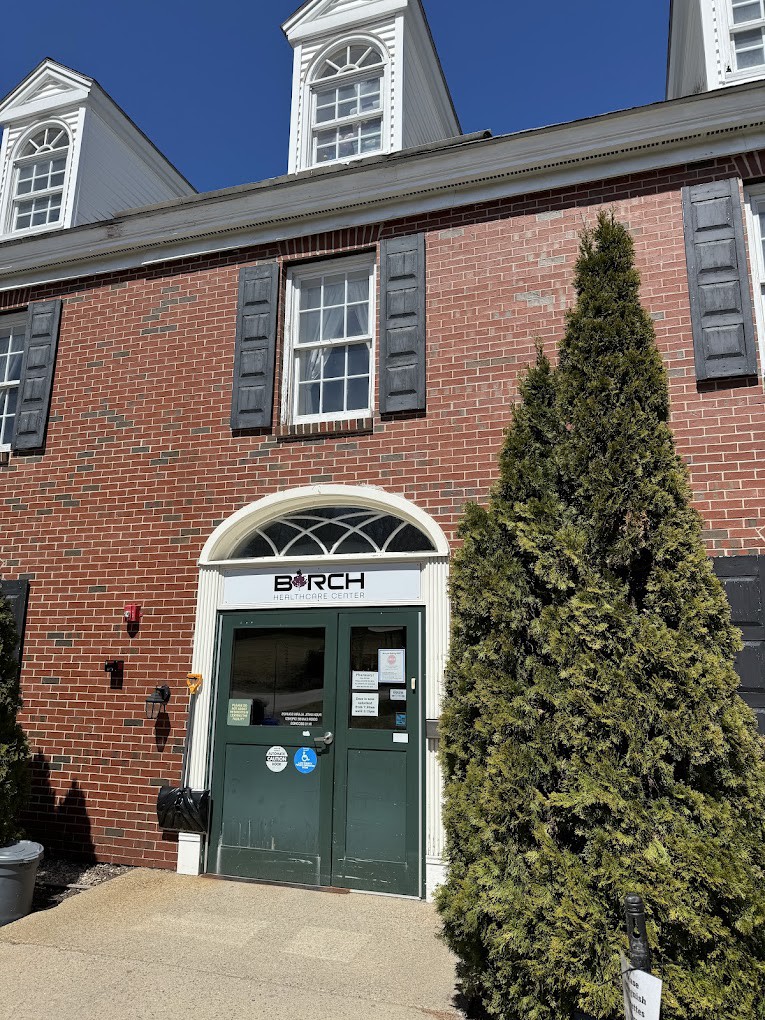
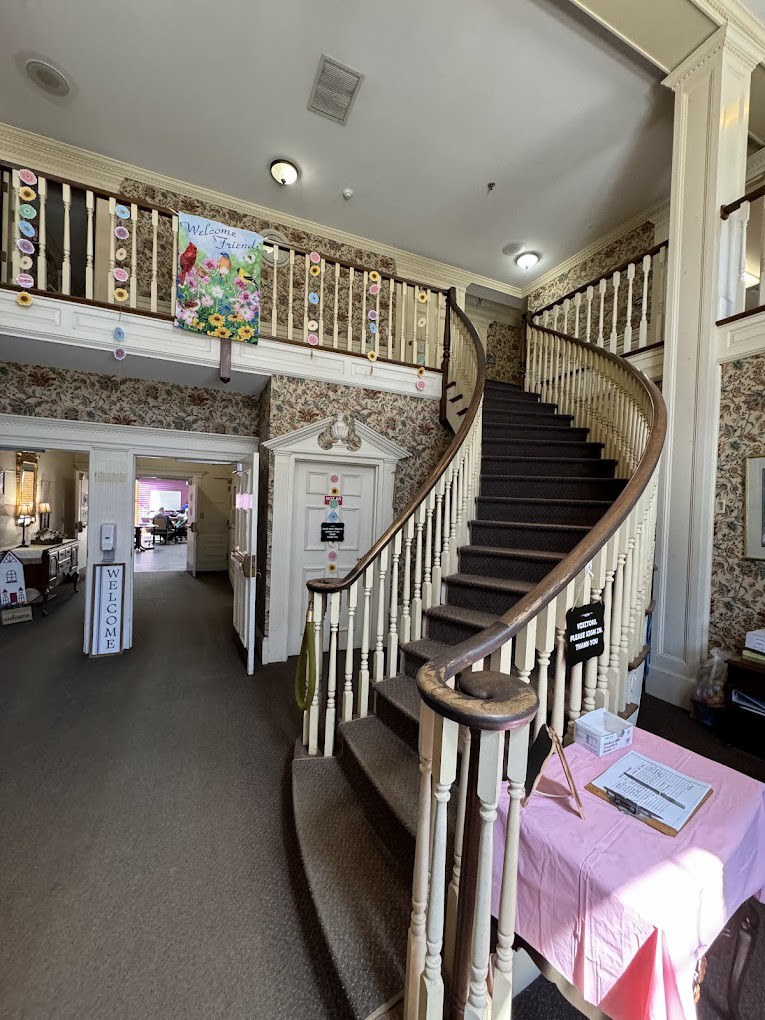
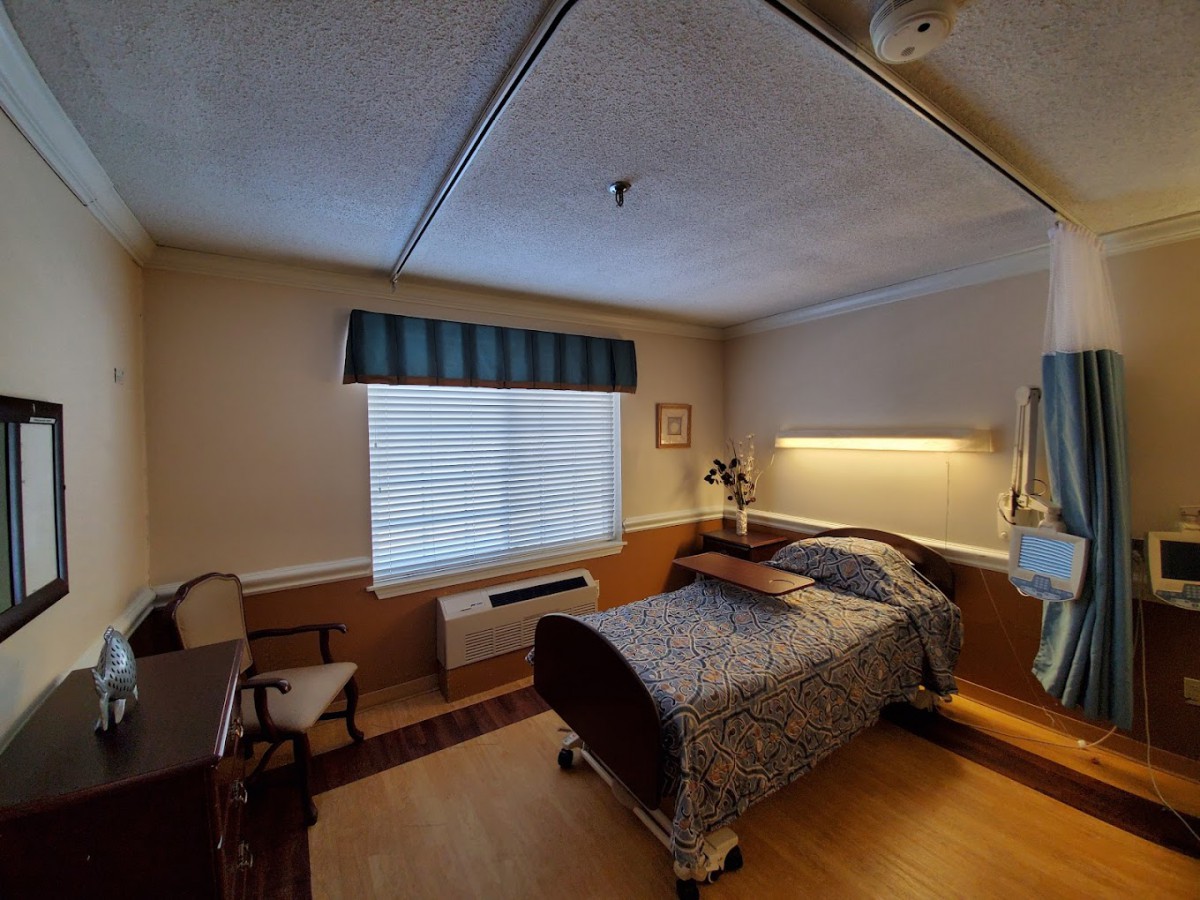
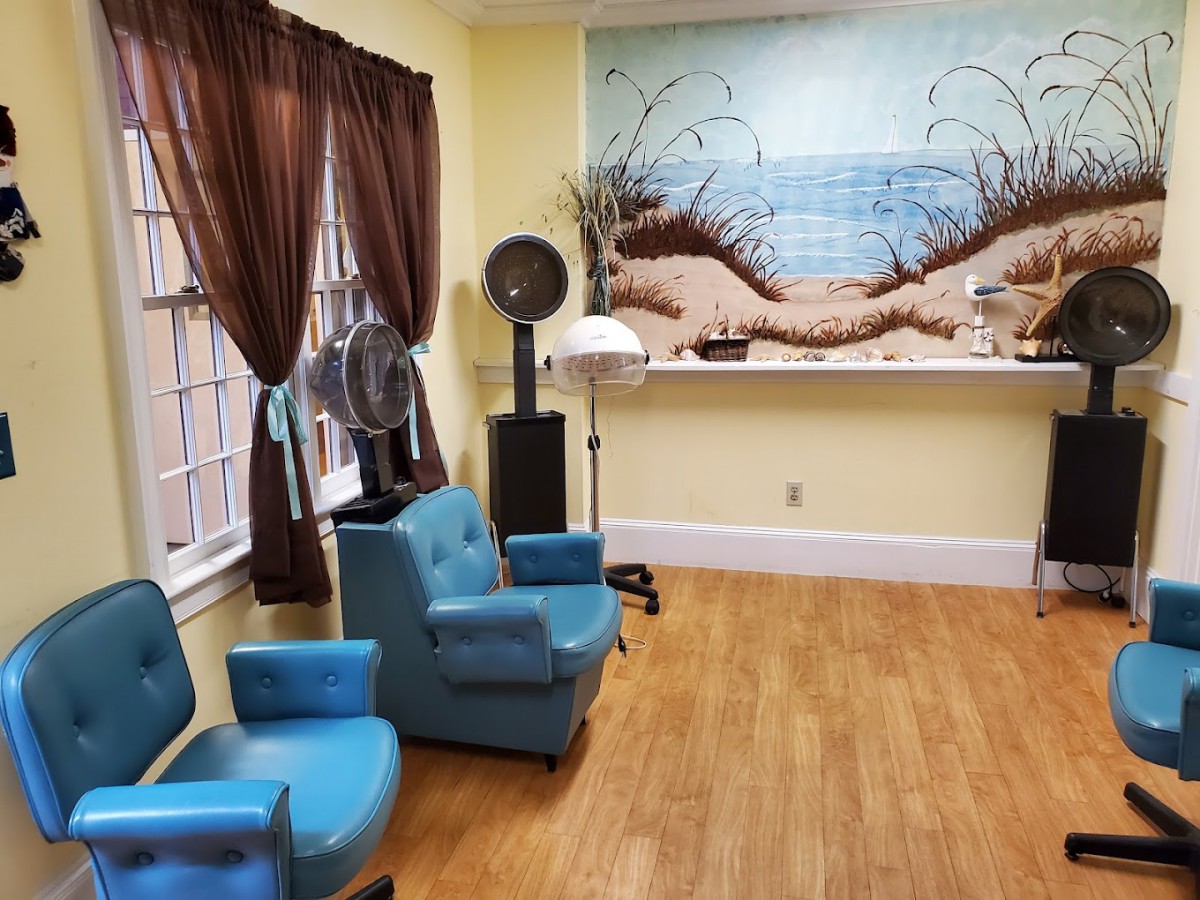
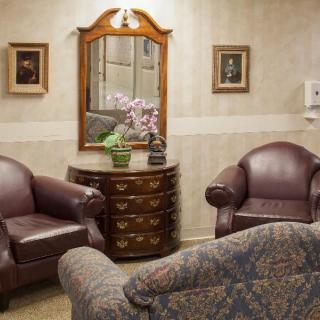
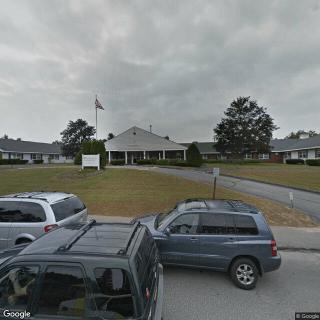
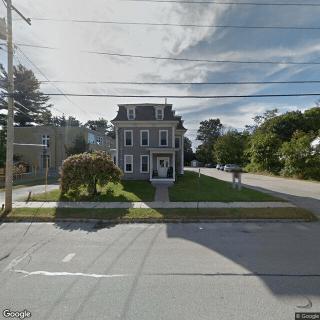
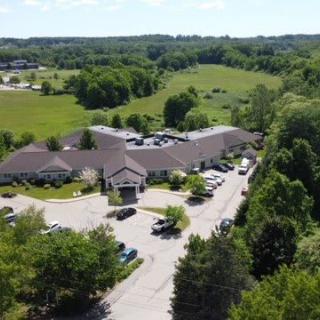
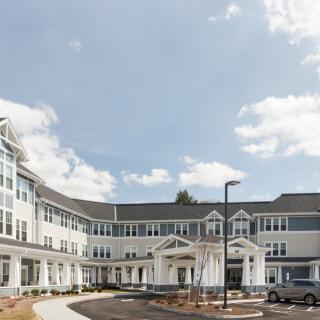
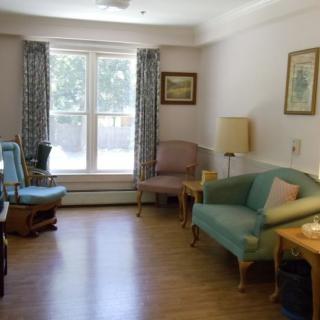
Colonial Hill of Rochester Care and Rehabilit on seniors.fyi includes 5 photos including images showing interior, bedroom, entrance, windows, architecture, salon, vintage, building, and more.
Nearby Communities
Colonial Hill Center
Rochester, NH
3 from 49 reviews
Some staff are caring and the facility is well-maintained.
Rochester Manor
Rochester, NH
4.1 from 65 reviews
Fully furnished apartments with 24/7 supervision, personalized ADL support, comprehensive amenities (dining, housekeeping, Wi-Fi, outdoor spaces) and a mental wellness program.
Lincoln Terrace
Rochester, NH
4.2 from 18 reviews
$3,000 to $4,500 / month
Friendly, home-like environment with helpful staff and affordable memory care options.
Desiree's Place
Rochester, NH
4 from 5 reviews
$2,400 to $6,290 / month
24/7 supervision with ADL support and on-site amenities (salon, dining, Wi?Fi) plus engaging activities.
Studley Home II
Rochester, NH
5 from 5 reviews
Small 25-unit community with 24/7 supervision, daily living support, medication management, and restaurant-style dining in kitchenette-equipped apartments.
Studley Home I
Rochester, NH
5 from 5 reviews
Small, intimate assisted living with comprehensive daily living support and diabetes-friendly dining.
Watson Fields
Dover, NH
4.2 from 19 reviews
$7,200 to $8,200 / month
Caring staff in a clean, welcoming environment with strong family communication.
The Residence At Silver Square
Dover, NH
4.5 from 93 reviews
$4,670 to $8,135 / month
Caring, attentive staff in a welcoming, well-maintained setting with good dining.
The guide outlines the rising costs of 24/7 in-home care, ranging from $10,000 to over $20,000 monthly, driven by factors such as location and caregiver qualifications. It discusses the limited coverage by Medicare and private insurance, potential Medicaid support, and the emotional and living condition considerations influencing families' decisions on care arrangements.
Home health nursing is an expanding field where licensed professionals provide specialized medical care in patients' homes, addressing the needs of an aging population through personalized services like assessments and medication management. Effective collaboration with healthcare teams, cultural sensitivity, and quality assurance measures are essential for fostering trust and ensuring positive patient outcomes.
Medicare covers in-home health care services, which are medical and provided by licensed professionals under a physician's supervision, whereas non-medical personal assistance is generally not covered unless part of a broader skilled care plan. Eligibility for benefits depends on being homebound and needing intermittent skilled services from a Medicare-certified agency, with specific coverage limitations and additional resources available for navigating options.
Colonial Hill of Rochester Care and Rehabilit photos
×
Interior
Building
Bedroom
Chandelier
Salon
Interior
Decor and Staircase
Bedroom
Windows
Building, Tree, and Brick
Architecture and Entrance
Chandelier, Bookshelves, Library, and Wood Paneling
Salon and Vintage
Get PricingAsk A QuestionSchedule A TourContact Senior Advisor
By clicking submit, you agree to our Partner's Terms of Use. You
also consent to receive calls and texts, which may be autodialed, from our Partner. Your consent is not a condition to
using our Partner's service. Please visit our Partner's Privacy Policy for information about their privacy practices.



 Skilled Nursing Facility
 Private
 Respite or short term stays offered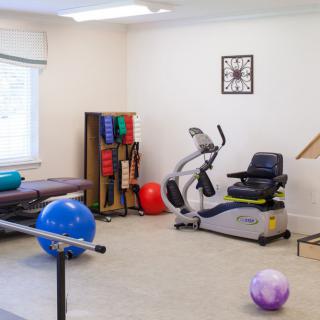
 Some staff are caring and the facility is well-maintained.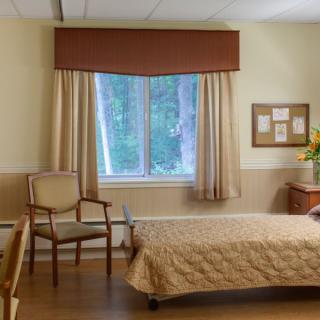


 Understanding the Full Cost of 24/7 In-Home Care: A Detailed Overview
 Exploring the World of Home Health Nurses: Qualifications, Roles, and Hiring Tips
 Navigating Medicare Coverage for In-Home Care Services