
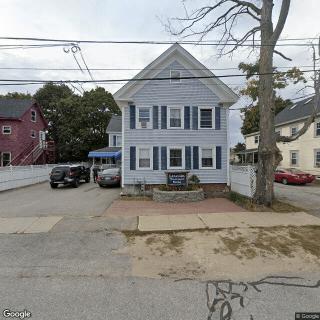
34 Eastern Avenue, Rochester, NH 03867
For more information about senior living options: (866) 208-4318
Overall Review of Studley Home I
Pros
 Studley Home is described as providing quality care and professionalism that ranks among the best in the industry.
- The staff at Studley Home are warm, skilled, and compassionate, greatly enhancing residents' quality of life.
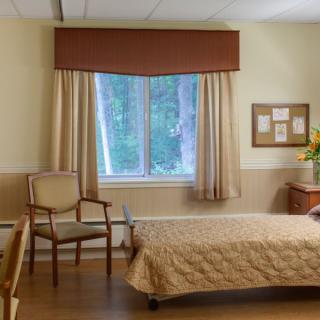
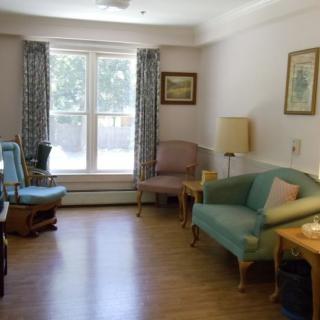
- The residence offers spacious, sunlit living areas where residents enjoy enriching activities.
- Dawn and Shelly are highlighted as an amazing team delivering love, compassion, and a calendar filled with engaging activities for residents.
- Shelly Marino is noted for caring deeply about residents and ensuring they receive compassionate, attentive care.
Review
Studley Home I in Rochester, NH is best suited for seniors who prize a warm, home-like atmosphere, deeply personal care, and a calendar filled with meaningful activities. The setting delivers the comfort of a thoughtfully designed living space, sunlight pours into a spacious, decorative living room, and a staff culture that treats residents as family. The core strength is relational care: staff members who consistently demonstrate love, patience, and professional competence, turning daily routines into nourishing experiences. Visitors frequently remark on how the team, led by Dawn and Shelly, cultivates creativity and social engagement, from music-based visits to a rhythm of enrichment that keeps residents mentally and emotionally connected. This is not a place for someone seeking a clinical, impersonal environment; it is a true home for those who thrive on companionship and purposeful days.
Care plans and resident needs vary, and some families will want alternatives. Those facing ongoing high-acuity medical demands, complex wound care, or require robust memory-care resources may find that a larger campus with more on-site clinical depth better fits their trajectory. Similarly, families prioritizing a formalized clinical program, floor plans tailored to memory care, or a location with wider access to specialized specialists may prefer other options. For residents whose priorities include a strong community, creative programming, and a seamless, compassionate transition toward longer-term care if needed, Studley Home I offers a compelling match. The assessment should weigh anticipated care intensity against the demonstrated staff stability and the proven ability to facilitate smooth transitions when care needs evolve.
Core advantages center on the people and the culture. The staff’s quality, warmth, and professional demeanor consistently elevate daily life, and this is reinforced by a leadership that emphasizes both care and connection. The environment supports a rich social calendar and creative activities, with music and volunteer participation adding texture to residents’ days. Families note that care feels individualized and attentive, with staff who remember preferences and respond with genuine kindness. The result is a tangible lift in quality of life: residents appear engaged, respected, and settled, and the home atmosphere fosters reassurance for families watching from afar. The combination of a bright, inviting space and a team that treats each resident as a beloved member of the community creates a durable foundation for stability and happiness.
Explicit drawbacks are not evident in the experiences shared, which is itself a strong signal. The absence of reported friction suggests a well-tuned operation where communication, schedule adherence, and compassionate touch align. Where medical needs threaten continuity, the staff’s proactive approach to coordinating transitions, such as moving toward long-term care when appropriate, minimizes disruption and preserves the resident’s emotional well-being. This strength, coupled with the steady presence of a stable caregiving team, offsets common concerns about facility-life feeling impersonal or isolating. In short, the pros address the usual pain points: meaningful engagement, reliable staffing, and a clear path for escalating care without leaving residents to navigate changes alone.
For families evaluating Studley Home I, practical next steps are straightforward. Schedule a first-hand visit to observe resident–staff interactions, the rhythm of daily life, and how the space feels during quiet times and activity hours. Ask about staff-to-resident ratios, the process for care-plan updates, and how transfers are handled when more care becomes necessary. Inquire about the activity slate, music programming, and volunteer involvement, these are strong indicators of ongoing engagement. Confirm what the calendar looks like over the course of a typical week and how residents initiate and participate in choices about their routines. Finally, discuss costs, contract specifics, and what services are included to ensure alignment with expectations and budget.
Bottom line: Studley Home I stands out for seniors who want a genuine, home-centered living experience supported by a devoted, professional staff. It excels in fostering connection, enrichment, and emotional safety, making it a resilient choice for families prioritizing quality of life and continuity of care. Those who anticipate needing higher levels of medical acuity or specialized memory care would do well to have alternatives in the short list, but should also keep Studley Home I on the radar for a gradual transition if circumstances evolve. For Rochester-area seniors seeking warmth, personal attention, and active days, this community delivers a compelling, practical solution with real-world value.
 15 resident community capacity
 Assisted Living
 Cable or satellite TV
 Dining room
 Fully furnished
 Garden
 Housekeeping services
 Move-in coordination
 Outdoor space
 Telephone
 Wi-Fi/high-speed internet available
 24-hour supervision
 Activities of daily living assistance
 Assistance with bathing
 Assistance with dressing
 Assistance with transfers
 Diabetes diet
 Meal preparation and service
 Medication management
 Special dietary restrictions
 Transportation arrangement (medical)
 Transportation to doctors appointments





 Assisted Living and Memory Care: Understanding Their Core Differences
 Beyond the Bingo Hall: 50+ Enriching Activities for Seniors in Assisted Living
 Understanding the Distinctions: Assisted Living and Memory Care Explained