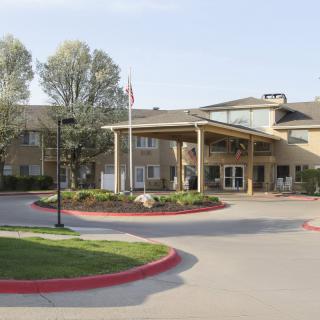
St Jane De Chantal

2200 South 52Nd Street, Lincoln, NE 68506

For more information about senior living options: (844) 490-3973

4 from 4 reviews
5 stars
3
4 stars
0
3 stars
0
2 stars
0
1 stars
1

Skilled Nursing Facility

What level of care are you interested in?

Assisted Living

Memory Care

Independent Living

Skilled Nursing Facility

Continuing Care Retirement Community (CCRC)CCRC

Other


Request a tour at St Jane De Chantal

    Overall Review of St Jane De Chantal

    Pros

    • pro The staff were amazing and very caring.
    • pro The nurses, RTs, the chaplain, and everyone who cared for Tammy were the best people ever.
    • pro They provided amazing care for the mother and grandfather.

    Cons

    • pro The patient care he received was among the worst the reviewer has ever seen.
    • pro He waited an hour and a half just to have someone turn off a light so he could sleep.
    • pro Staff did not consistently help him go to the bathroom.
    • pro He did not receive his pain medications as needed.
    • pro After three hours and multiple requests, he still did not receive an ice pack for the hip pain.
    • pro A nurse claimed she couldn't find the ice pack and said she had been distracted.
    • pro The reviewer would not recommend this facility to anyone.

    Review

    A recent hospital stay for a family member reveals a spectrum of experiences within the same facility, from moments of wholehearted care to episodes of significant lapses. The stay for a father admitted on February 12 and discharged on February 15 is described in a way that captures both distress and gratitude, underscoring how quickly the tone of a patient's care can shift depending on who is at the bedside and when. The account moves beyond a simple good-bad dichotomy, presenting a lived experience that includes long waits, pain management gaps, and moments of genuine compassion all within the same walls.

    In one troubling account, the comfort and basic needs of the patient were repeatedly compromised. The family member recalls a clock-watching frustration as the patient waited for more than an hour to have a light turned off so he could sleep, due to an inability to get up. Help for basic activities, like going to the bathroom, was not readily available, leaving him dependent on others at times and increasing his discomfort. Pain control, a fundamental part of post-admission care, was inconsistent; he did not receive his pain medications when he needed them, which only added to his distress. A specific request for an ice machine for a hip surgical site went unmet for three hours after multiple follow-ups, and when action finally seemed possible, the response was that the nurse "couldn't find it and she got distracted." The reviewer's closing sentiment - "I sincerely hope that people in worse condition than he is in don't receive that level of care" - speaks to a fear that such experiences could be more common for some patients than others, and necessarily leads to a cautious, non-reassuring overall impression. The strong reaction is encapsulated in the expressed reluctance to recommend the facility based on this single experience.

    The impact of these gaps goes beyond inconvenience; it touches on sleep, pain, dignity, and the ability to function while recovering. When someone is in pain and unable to rest, every moment can feel elongated, and the sense of being a priority can fade. The narrative conveys a fear that essential support services - pain management, timely assistance with daily needs, and prompt access to basic comforts - may not be consistently reliable. Such experiences can leave a family feeling anxious about the patient's safety and recovery trajectory, even if other parts of the hospital environment may be functioning well.

    Yet the same facility is also described as a place of remarkable compassion and welcome in parallel accounts. Another review paints a starkly different picture: "Amazing place they are all so caring. The nurses, RTs, the chaplain and everyone else that took care of my mom Tammy are the best people ever! There are too many to name but they all have a special place in me and my family's hearts. I've never felt more welcomed." This perspective emphasizes a nurturing environment where staff across different roles - nurses, respiratory therapists, chaplains - contribute to a climate of warmth and belonging. The sense of being genuinely cared for and included appears to have left a lasting, positive impression, even if not every shift or interaction met the same standard.

    Further testament to positive experiences comes from additional family feedback: "Took care of my mother and grandfather, amazing care." This line broadens the scope beyond a single relative, suggesting that multiple generations benefited from attentive, compassionate attention. It reinforces the idea that the facility can provide high-quality, patient-centered care to families during challenging times, and that there are staff members who excel at building trust and delivering support that families remember long after discharge.

    Taken together, the reviews sketch a nuanced portrait: a hospital that contains both exemplary, person-centered care and equally real lapses that can undermine a patient's comfort and recovery. The negative recounting highlights the fragility of comfort in the hands of busy staff, the critical importance of timely pain management, and the basic expectations around safety and dignity. The positive recounting, by contrast, celebrates dedicated caregivers who go beyond routine duties to offer reassurance, presence, and spiritual support when needed, leaving families with lasting appreciation.

    In the end, these perspectives illuminate a need for consistent, reliable care across all shifts and units, alongside recognition for the staff whose efforts create a healing environment for families. The experiences - both the troubling delays and the heartfelt acknowledgments of care - underscore that patient outcomes and family peace of mind hinge not just on clinical protocol, but on timely responsiveness, compassionate communication, and the everyday actions of nurses, therapists, and chaplains. The included voices reflect both gratitude and concern, offering a candid snapshot of what true care can look like when it functions at its best and where it can falter, with a clear call for ongoing attention to both reliability and humanity in patient care.

    Features

    Housing

    • 126 resident community capacity 126 resident community capacity

    Types of Care

    • Skilled Nursing Facility Skilled Nursing FacilitySkilled Nursing Facilities are crucial for seniors as they provide round-the-clock medical care, rehabilitation services, and assistance with daily activities. These facilities ensure that seniors receive the specialized care they need to maintain their health and well-being as they age.

    Amenities

    • Air-conditioning Air-conditioningAir conditioning is important for seniors as they are more vulnerable to heat-related illnesses and may have underlying health conditions that make it difficult for them to regulate their body temperature. It helps to keep them comfortable, safe, and healthy in hot weather.
    • Beauty salon Beauty salonBeauty salons are important for seniors because they provide a space for them to feel pampered, socialize, and maintain their personal grooming and hygiene. Regular visits to a beauty salon can help boost seniors' self-esteem and overall well-being.
    • Cable or satellite TV Cable or satellite TVCable or satellite TV is important for seniors because it provides entertainment, news, and companionship, helping to combat loneliness and boredom. It also offers a wide range of programming options tailored to different interests and preferences.
    • Computer center Computer centerA computer center is essential for seniors as it provides access to technology, communication tools, and resources that can enhance their daily lives. It allows them to stay connected with loved ones, engage in online activities, and learn new skills, ultimately promoting socialization and mental stimulation.
    • Dining room Dining roomDining rooms are important for seniors as they provide a space for socialization, connection, and nutritious meals. They offer opportunities for residents to bond over shared meals, foster a sense of community, and promote healthy eating habits. Dining rooms also ensure that seniors have access to well-balanced meals tailored to their dietary needs and preferences.
    • Fitness room Fitness roomHaving a fitness room in a senior living community is essential for seniors to stay active, maintain their physical health, and improve their overall well-being. Regular exercise can help prevent falls, reduce the risk of chronic diseases, and promote mental sharpness. It also provides social opportunities for residents to connect with others and enjoy a sense of community.
    • Fully furnished Fully furnishedFully furnished senior living communities are important for seniors because they provide convenience, comfort, and a hassle-free moving experience. Seniors can easily settle into their new living space without the stress of having to buy and move furniture. This allows them to focus on enjoying their new home and community.
    • Gaming room Gaming roomGaming rooms are important for seniors as they provide a fun and engaging environment for socializing, cognitive stimulation, and physical activity. Games can improve memory, problem-solving skills, and overall mental well-being while fostering friendships and reducing feelings of isolation.
    • Garden GardenGardens are important for seniors as they provide a peaceful and therapeutic environment for relaxation, physical activity, and socialization. Being in nature has been shown to reduce stress, improve mood, and promote overall well-being. Gardens also offer opportunities for seniors to engage in gardening activities, which can improve mobility, flexibility, and cognitive function. Additionally, gardens create a sense of community and connection with others who share a passion for plants and outdoor spaces.
    • Housekeeping services Housekeeping servicesHousekeeping services are important for seniors because they help maintain a clean and safe living environment, promote independence, and reduce the risk of accidents or illnesses. Additionally, having assistance with household chores can alleviate physical strain and allow seniors to focus on other aspects of their well-being.
    • Kitchenette KitchenetteKitchenettes are important for seniors living in senior living communities because they provide the convenience and independence of being able to prepare simple meals and snacks in the comfort of their own living space. This can help promote a sense of autonomy and well-being for seniors, allowing them to maintain some level of control over their dietary choices and daily routines.
    • Move-in coordination Move-in coordinationMove-in coordination is important for seniors because it helps ease the transition into their new living environment. It ensures that all logistics, such as packing, organizing movers, and setting up utilities are taken care of, allowing seniors to focus on settling in and adjusting to their new home. Having a smooth move-in process can alleviate stress and anxiety, making the transition smoother and more enjoyable for seniors.
    • Outdoor space Outdoor spaceOutdoor spaces are important for seniors as they provide opportunities for physical activity, social interaction, exposure to natural light and fresh air, and a sense of connection to nature. Having access to outdoor spaces can improve overall well-being and quality of life for older adults living in senior communities.
    • Private bathrooms Private bathroomsPrivate bathrooms are important for seniors in senior living communities because they provide independence, dignity, and comfort. Having a private bathroom allows seniors to maintain their personal hygiene routines without the need for assistance, promoting a sense of autonomy and privacy. Additionally, private bathrooms help prevent the spread of infections and provide a safe and clean environment for seniors to navigate safely.
    • Restaurant-style dining Restaurant-style diningRestaurant-style dining is important for seniors because it allows them to enjoy delicious, nutritious meals in a social and upscale setting. This enhances their dining experience, promotes healthy eating habits, and fosters socialization with fellow residents, ultimately contributing to their overall well-being and quality of life.
    • Small library Small librarySmall libraries are important for seniors as they provide access to a variety of reading materials, including books, newspapers, and magazines. This can help stimulate their minds, keep them engaged, and provide a sense of community through book clubs and other social activities. Additionally, reading has been shown to improve cognitive function and overall mental well-being in older adults.
    • Telephone TelephoneTelephones are important for seniors as they provide a lifeline for communication with loved ones, emergency services, and healthcare providers. They offer a sense of security and independence, enabling seniors to stay connected and access assistance when needed.
    • Wellness center Wellness centerWellness centers are important for seniors because they offer a variety of programs and services that promote physical, mental, and emotional well-being. These centers provide opportunities for exercise, socialization, education, and relaxation, helping seniors maintain their overall health and quality of life.
    • Wi-Fi/high-speed internet available Wi-Fi/high-speed internet availableWi-Fi/high-speed internet is important for seniors to stay connected with loved ones, access online resources, and participate in virtual activities to combat feelings of loneliness and isolation. It also allows them to easily manage healthcare needs, access entertainment, and engage in lifelong learning opportunities.

    Transportation

    • Lincoln Municipal (7 miles away) Lincoln Municipal (7 miles away)
    • Community operated transportation Community operated transportationCommunity operated transportation is crucial for seniors as it provides them with the means to access essential services, social activities, and medical appointments. It allows seniors to maintain their independence and quality of life by ensuring they can participate in activities outside of their homes. Additionally, community-operated transportation services offer a safe and reliable way for seniors to travel without having to rely on family or friends for assistance.
    • Transportation arrangement Transportation arrangementTransportation arrangements are crucial for seniors as they may face challenges with driving, mobility, or access to public transportation. Having reliable transportation services ensures that seniors can easily attend appointments, social activities, and maintain their independence and quality of life.
    • Transportation arrangement (non-medical) Transportation arrangement (non-medical)Transportation arrangements are essential for seniors as they provide access to essential services, activities, and social interactions outside the home. This service helps maintain independence, mobility, and overall well-being for seniors who may have limited transportation options.
    • Transportation to doctors appointments Transportation to doctors appointmentsTransportation to doctors appointments is crucial for seniors as it ensures they have access to necessary medical care and support, promoting their health and well-being. It allows them to receive timely treatment, monitor existing conditions, and address any new health concerns efficiently. Additionally, transportation services can help seniors maintain their independence and quality of life by enabling them to stay connected with their healthcare providers.

    Care Services

    • 12-16 hour nursing 12-16 hour nursing12-16 hour nursing care is crucial for seniors in order to ensure around-the-clock monitoring, timely medication administration, and prompt response to any health concerns or emergencies. This level of care helps to promote the overall well-being and safety of seniors living in senior living communities.
    • 24-hour call system 24-hour call system24-hour call systems are important for seniors because they provide peace of mind and immediate assistance in case of emergencies. This technology ensures that help is always available, promoting safety and security for elderly individuals living alone or in assisted living facilities.
    • 24-hour supervision 24-hour supervision24-hour supervision is important for seniors to ensure their safety, well-being, and access to immediate assistance in case of emergencies or health issues. This constant support provides peace of mind for both seniors and their loved ones, allowing them to age in place with dignity and security.
    • Activities of daily living assistance Activities of daily living assistanceActivities of daily living assistance are important for seniors because they provide essential support with tasks such as eating, bathing, dressing, and mobility. This assistance helps seniors maintain their independence, dignity, and overall quality of life as they age.
    • Assistance with bathing Assistance with bathingAssistance with bathing is crucial for seniors as it helps maintain personal hygiene, prevents infections, and ensures their overall well-being and comfort. It also provides a sense of dignity and independence for seniors who may struggle with this task on their own.
    • Assistance with dressing Assistance with dressingAssistance with dressing is important for seniors because it helps maintain their independence, promotes personal hygiene, prevents accidents and injuries, and improves overall quality of life. This service ensures that seniors can continue to dress comfortably and confidently, despite any physical limitations they may have.
    • Assistance with transfers Assistance with transfersAssistance with transfers is crucial for seniors as it helps prevent falls and injuries, maintains their independence, and ensures they can safely navigate their living environment. It also provides peace of mind for both seniors and their loved ones.
    • Diabetes diet Diabetes dietA diabetes diet is crucial for seniors as it helps manage blood sugar levels, reduce risks of complications, and improve overall health and well-being. By following a balanced and nutritious diet tailored to their specific needs, seniors can better control their diabetes and enhance their quality of life.
    • Meal preparation and service Meal preparation and serviceMeal preparation and service are crucial for seniors as they may have limited mobility or energy to cook nutritious meals. Having access to healthy and convenient food options can ensure they are getting the proper nutrition needed to maintain their overall health and well-being.
    • Medication management Medication managementMedication management is crucial for seniors to ensure they are taking the right medications at the correct dosages and times. This helps prevent adverse drug interactions, reduces the risk of medication errors, and promotes overall health and well-being. Proactive management also allows for adjustments as needed based on changing health conditions or new prescriptions.
    • Mental wellness program Mental wellness programMental wellness programs are essential for seniors as they promote cognitive stimulation, emotional support, and social engagement. These programs help prevent isolation, depression, and cognitive decline, ultimately enhancing the overall quality of life for older adults.
    • Special dietary restrictions Special dietary restrictionsSpecial dietary restrictions are important for seniors because age-related changes in metabolism and health conditions can make it difficult for their bodies to process certain foods. By following a diet tailored to their specific needs, seniors can maintain their overall health and well-being, manage chronic conditions, and reduce the risk of complications such as malnutrition or food interactions with medications.

    Dining

    • Diabetes diet Diabetes dietA diabetes diet is crucial for seniors as it helps manage blood sugar levels, reduce risks of complications, and improve overall health and well-being. By following a balanced and nutritious diet tailored to their specific needs, seniors can better control their diabetes and enhance their quality of life.
    • Special dietary restrictions Special dietary restrictionsSpecial dietary restrictions are important for seniors because age-related changes in metabolism and health conditions can make it difficult for their bodies to process certain foods. By following a diet tailored to their specific needs, seniors can maintain their overall health and well-being, manage chronic conditions, and reduce the risk of complications such as malnutrition or food interactions with medications.

    Activities

    • Community-sponsored activities Community-sponsored activitiesCommunity-sponsored activities are important for seniors as they provide opportunities for social interaction, mental stimulation, and physical activity. These activities can help improve overall well-being, combat loneliness and isolation, and promote a sense of belonging and purpose among older adults.
    • Concierge services Concierge servicesConcierge services are essential for seniors as they provide assistance with daily tasks and errands, enhance their quality of life by offering convenience and personalized care, and promote a sense of safety and security.
    • Fitness programs Fitness programsFitness programs are crucial for seniors as they help improve strength, flexibility, balance, and overall well-being. Staying active can reduce the risk of chronic diseases, improve mental health, and enhance quality of life in older adults.
    • Planned day trips Planned day tripsPlanned day trips are important for seniors because they offer opportunities for socialization, mental stimulation, and physical activity. They provide a change of scenery and help seniors stay engaged and connected to their community, promoting overall well-being and quality of life.
    • Resident-run activities Resident-run activitiesResident-run activities are important for seniors as they encourage social interaction, creativity, and a sense of autonomy. These activities empower seniors to stay engaged and active in their community while fostering meaningful connections with their peers.
    • Scheduled daily activities Scheduled daily activitiesScheduled daily activities are important for seniors because they provide structure, socialization, mental stimulation, and physical activity. Engaging in regular activities can improve overall well-being and quality of life for seniors living in a community setting.

    Description

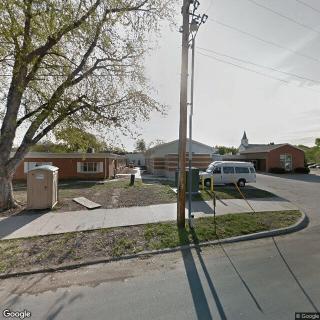
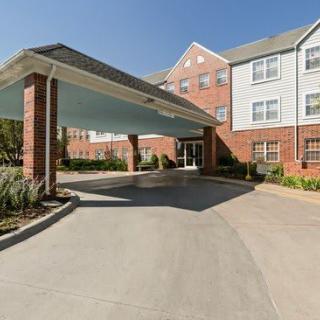
    St Jane De Chantal in Lincoln, NE is an assisted living community that offers a wide range of amenities and care services to ensure the comfort and well-being of its residents.

    The community features a beauty salon where residents can get pampered and look their best. Residents can enjoy their favorite shows on cable or satellite TV in the privacy of their own rooms. For those who need transportation assistance, there is a community-operated transportation service available.

    A computer center is provided for residents to stay connected with loved ones or engage in online activities. The dining room offers restaurant-style meals with special dietary restrictions catered to.

    Staying active is made easy with a fitness room equipped with exercise equipment and various fitness programs offered. A gaming room allows residents to have fun and socialize with others. Outdoor space and gardens provide a peaceful environment for relaxation and enjoying nature.

    Housekeeping services are provided to ensure clean and tidy living spaces for the residents. Each resident has a private bathroom for their convenience.

    For those who require assistance, 24-hour call systems and supervision are available, as well as help with daily activities like bathing, dressing, and transfers. Medication management is also provided to ensure proper administration.

    Mental wellness programs are offered to support the emotional well-being of the residents. Transportation arrangements can be made for non-medical purposes as well as doctors' appointments.

    Residents can stay connected with Wi-Fi/high-speed internet throughout the community. A small library provides opportunities for leisurely reading and learning.

    In terms of nearby amenities, there are three cafes, ten parks, twelve pharmacies, thirty-nine physicians, twenty-seven restaurants, three places of worship, and six hospitals located conveniently close by.

    At St Jane De Chantal in Lincoln, NE, residents will find a vibrant community that prioritizes their comfort, health, and social engagement while providing top-notch care services.

    Nearby Places of Interest

    Hospitals

    • Madonna Rehabilitation Hospital (0.1 miles)
    • Bryanlgh Medical Center (0.5 miles)
    • Speciality Clinic (0.5 miles)
    • Faulkner Medical Plaza (0.5 miles)
    • 6South Neuro - PCU (2.6 miles)
    • 2South ICU (2.6 miles)

    Physicians

    • Milius, Gibbens, Friesen, Hattan, Martin, and Rauner (0.4 miles)
    • Family Health Associates (0.6 miles)
    • Neurology Associates PC (1.2 miles)
    • John Paul Majerus (1.2 miles)
    • Nebraska Pain Consultants (1.2 miles)
    • Northrup & Associates (1.3 miles)
    • Lincoln Orthopaedic Center (1.3 miles)

    Pharmacies

    • Walgreens (0.4 miles)
    • Pharmacy Specialty Services (1.2 miles)
    • Nebraska Ltc Pharmacy (1.5 miles)
    • Hy-Vee Pharmacy (1.7 miles)
    • Super Saver (1.7 miles)
    • Walgreens (1.8 miles)
    • Russ’S Market (2.5 miles)

    Restaurants

    • McDonald's (0.4 miles)
    • Piedmont Bistro by Venue (0.7 miles)
    • Valentino's (1.2 miles)
    • Runza (1.6 miles)
    • Culver's (1.8 miles)
    • Panda Express (1.8 miles)
    • Granite City Food & Brewery (1.8 miles)

    Parks

    • Holmes Lake Park (1 miles)
    • Holmes Lake Dog Park (1.6 miles)
    • Antelope Park (1.7 miles)
    • Colonial Hills Park (1.7 miles)
    • Bishop Heights Park (2 miles)
    • Irvingdale Park (2.4 miles)
    • Trago Park (3 miles)

    Places of Worship

    • Congregation Tifereth Israel (1.6 miles)
    • Sheridan Lutheran Church (2.8 miles)
    • Lincoln Berean Church (3.2 miles)

    Cafes

    • The Mill at Telegraph (2.6 miles)
    • Cultiva (3.2 miles)
    • Reactor (3.2 miles)

    Frequently Asked Questions

    Where is St Jane De Chantal?

    Nearby Communities

    • Right at Home

      Right at Home

      Lincoln, NE

      4.8 from 12 reviews
       

      pro Compassionate, reliable caregivers who form meaningful connections.

    • The Ambassador Lincoln

      The Ambassador Lincoln

      Lincoln, NE

      3.2 from 25 reviews
       

      pro Extensive on-site amenities and activity options (salon, dining, fitness, garden, library).

    • Ambassador Lincoln Inc

      Ambassador Lincoln Inc

      Lincoln, NE

      2.9 from 34 reviews
       

      pro Dedicated rehab staff delivering positive recovery outcomes.

    • Van Dorn Villa

      Van Dorn Villa

      Lincoln, NE

      4.4 from 29 reviews
       

      pro Diabetes-focused care with extensive nearby medical resources

    • Orchard Park

      Orchard Park

      Lincoln, NE

      3.9 from 20 reviews
       

      pro Caring, attentive staff and a welcoming, social community with spacious rooms.

    • Holmes Lake Rehabilitation & Care Center

      Holmes Lake Rehabilitation & Care Center

      Lincoln, NE

      2.9 from 24 reviews
       

      pro 24/7 nursing and a broad range of amenities (dining, wellness, activities, transport).

    • The Residence at Gramercy

      The Residence at Gramercy

      Lincoln, NE

      4.3 from 111 reviews
      $2,300 to $3,500 / month

      pro Friendly, attentive staff in a clean, engaging community.

    • Carriage Glen

      Carriage Glen

      Lincoln, NE

      4.7 from 6 reviews
       

      pro Pleasant, exclusive atmosphere with independent living and in-apartment kitchen options.

    • Holiday Brentwood Estates

      Holiday Brentwood Estates

      Lincoln, NE

      4 from 119 reviews
      $2,009 to $3,099 / month

      pro Friendly staff, engaging activities, and spacious, well-lit apartments.

    Related Resources

    • caregiver burnoutCaregiver Exhaustion: Recognizing the Signs and Restoring Your Well-Being

      Caregiver exhaustion, or burnout, stems from the relentless demands of caregiving, leading to emotional and physical depletion characterized by stress, frustration, and neglect of personal needs. Addressing this burden is essential to prevent long-term consequences, with early recognition and support being crucial for caregivers to maintain balance and implement self-care.

    • what is hospice care at homeUnderstanding Hospice Care at Home: Comprehensive Services, Key Benefits, and Eligibility

      Hospice care at home provides specialized end-of-life support that focuses on comfort and dignity for individuals with life-limiting illnesses, offering a range of services including medical management, emotional and spiritual support, and logistical assistance tailored to the family's needs. It involves collaboration to create individualized care plans and extends to bereavement support after a loved one's passing.

    • how much does 24/7 in home care cost per monthUnderstanding the Full Cost of 24/7 In-Home Care: A Detailed Overview

      The guide outlines the rising costs of 24/7 in-home care, ranging from $10,000 to over $20,000 monthly, driven by factors such as location and caregiver qualifications. It discusses the limited coverage by Medicare and private insurance, potential Medicaid support, and the emotional and living condition considerations influencing families' decisions on care arrangements.


    Get Pricing Ask A Question Schedule A Tour Contact Senior Advisor