Ambassador Lincoln Inc in Lincoln, NE
Save4405 Normal Blvd, Lincoln, NE 68506
For more information about senior living options: (844) 490-3973
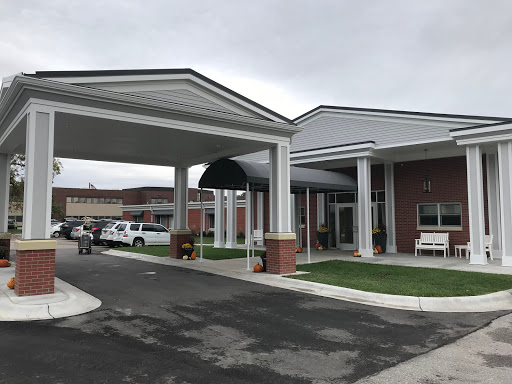
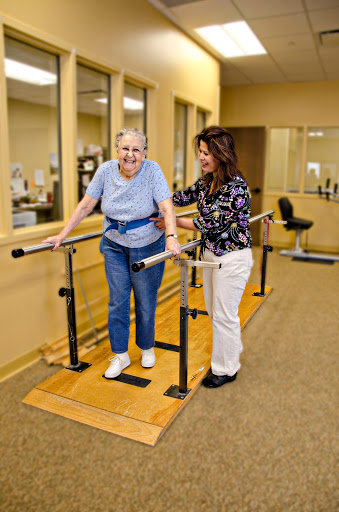
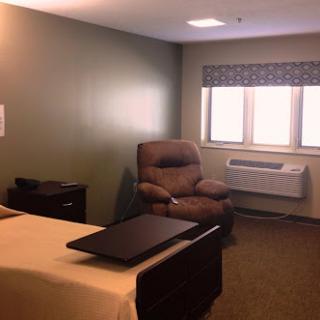
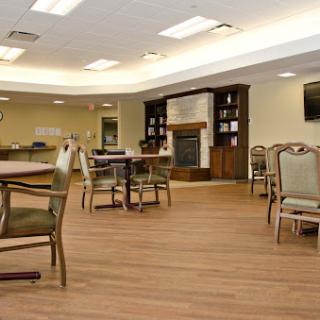
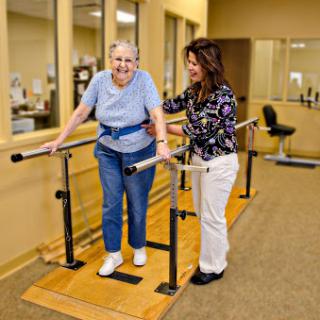
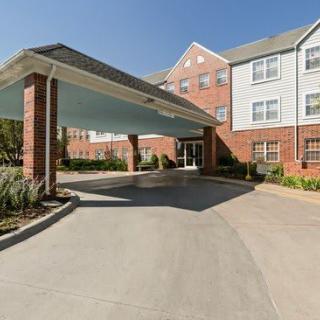
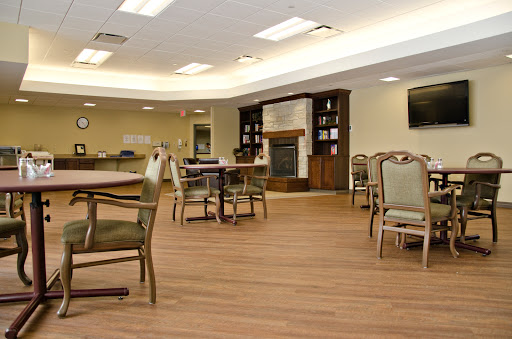
Ambassador Lincoln is best suited for families who can be actively involved in care decisions and oversight, and who prize a facility that feels upscale and welcoming while pursuing rehabilitation goals. The campus presents a high-end, hotel-like atmosphere and, in several notes, strong rehabilitation staff and therapy teams when they are available. For families that can maintain regular communication, track progress, and insist on timely attention, the rehab component can be a meaningful asset. The facility can deliver moments of genuine care from some nurses, aides, and therapists, and the environment can feel comfortable and dignified for a loved one during recovery. However, this potential is highly contingent on staffing levels and leadership responsiveness.
Those considering alternatives should note who may want to look elsewhere. Residents who require steady, dependable daily care with reliable medication management, prompt assistance, and rigorous fall prevention should proceed cautiously or seek other options. Medicaid or long-term funding needs also matter: the building's reviews indicate a hesitancy or refusal to accept Medicaid, which can push families toward facilities with broader funding flexibility. For patients with substantial medical acuity, frequent lifts, or high risk of rapid deterioration, the risk profile here may exceed what some families can tolerate without constant advocacy and escalation.
The strongest pro lines up with the rehab narrative: when therapy teams are fully engaged, equipment is available, and staff coordination works, progress stories emerge. The beauty of the building, the attention to resident-centered activities in some shifts, and the occasional compassionate care from dedicated staff create real value for repair-and-recover scenarios. Yet these positives are unevenly distributed across shifts and units. The very same therapies that shine in some reviews can be undermined by understaffing, delayed responses, and inconsistent supervision that leaves vulnerable residents waiting for help or routed into chairs or beds longer than appropriate.
The core cons undermine the facility's otherwise strong rehab promise. Understaffing translates into residents being left on commodes, waiting for assistance, or not receiving timely medication, bathing, or turn-and-reposition routines. Several accounts describe repeated safety lapses, such as incorrect wound care, dosing errors, or oxygen-related concerns, and even claims of patients being left in pain or neglected. Management appears to struggle with accountability, and a pattern of burnout among long-tenured staff is evident. The mismatch between a glossy environment and the daily realities of care creates a volatile experience for families who cannot stay constantly present or escalate concerns quickly.
For families moving forward, a pragmatic checklist is essential. Before admission, verify the current nurse practitioner and therapy staffing levels, understand the exact medication administration process, and request transparent injury, wound, and falls-prevention protocols. Ask for a detailed care plan with specific response times for call lights, and insist on weekly progress reviews with the therapy team. Observe the facility firsthand, speak with multiple residents and families, and seek a clear escalation path for concerns. If possible, negotiate a trial period or a formal guarantee that staffing levels meet a defined standard during peak hours.
In the end, Ambassador Lincoln offers a compelling rehab narrative set inside an appealing building, but the reality of staffing, safety, and ongoing management challenges can derail what should be a stable, restorative stay. For families who can commit to active, persistent oversight and have the resources to navigate potential gaps in care, the facility can work - particularly for short-term rehab or transitional stays where progress is measurable and monitored. For those needing reliable daily care with unwavering consistency, and especially for Medicaid-dependent families, exploring alternatives with stronger staffing guarantees and clearer accountability is advisable. The decision should hinge on whether the incoming resident's care needs can be matched by consistent, responsive staffing and a governance model that prioritizes safety over optics.
Ambassador Lincoln Inc is an assisted living community located in the vibrant city of Lincoln, NE. Situated in a convenient location, this community offers easy access to various amenities and services that enhance the quality of life for its residents.
For those who enjoy socializing or grabbing a cup of coffee, there are three cafes nearby where residents can meet friends or family members. The proximity of ten parks provides ample opportunities for outdoor recreational activities, leisurely walks, or picnics surrounded by nature's beauty.
Healthcare needs are well taken care of with 12 pharmacies and 38 physicians available in the vicinity. This ensures that residents have easy access to medications as well as medical professionals whenever required. Additionally, six hospitals nearby provide peace of mind knowing that emergency medical care is readily accessible.
Food enthusiasts will appreciate the culinary options with 29 restaurants nearby. Whether craving a casual meal or looking for fine dining experiences, residents have a wide range of choices to satisfy any palate.
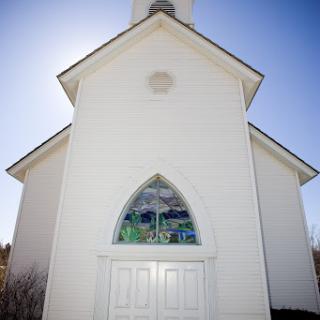
Spiritual needs are met with two places of worship near the community, enabling residents to uphold their faith and engage in religious practices conveniently.
Overall, Ambassador Lincoln Inc provides a comfortable and enriching environment for its residents. With its proximity to cafes, parks, pharmacies, physicians, restaurants, places of worship, and hospitals, this assisted living community ensures that individuals can lead fulfilling lives while receiving the care they need.
This area of Lincoln, Nebraska offers a convenient and diverse array of services for seniors. With several physicians and pharmacies within close proximity, medical care is easily accessible. In addition, there are various dining options ranging from fast food to sit-down restaurants, providing a range of choices for meals. Nearby hospitals and specialty clinics ensure that healthcare needs can be met quickly and efficiently. The presence of parks and places of worship offer opportunities for recreation and spiritual fulfillment. Overall, this neighborhood provides a well-rounded community for seniors looking to settle in a vibrant and welcoming area.
Ambassador Lincoln Inc is located at 4405 Normal Blvd, Lincoln, NE 68506 in Lancaster County, Nebraska
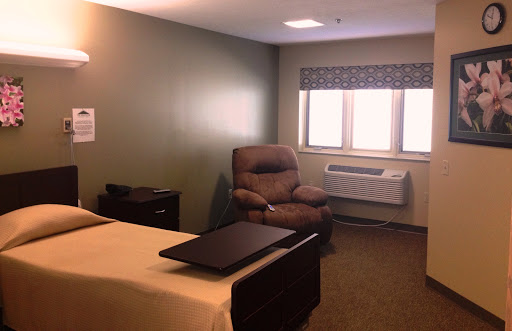
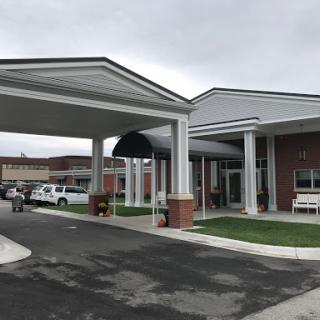
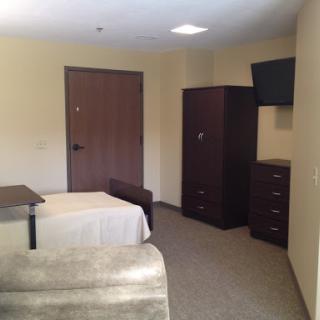
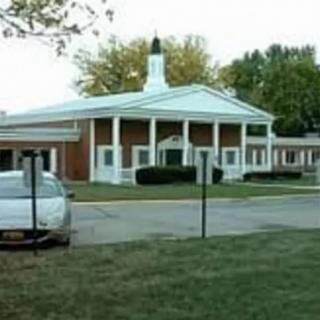
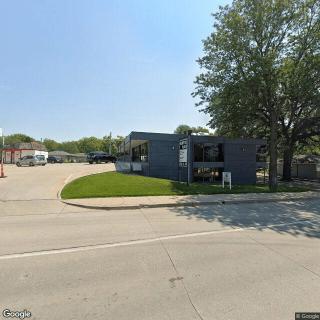
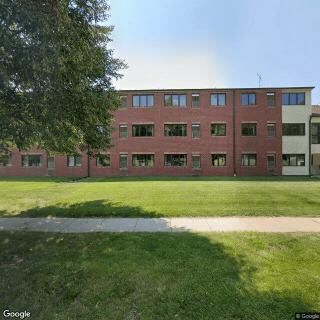
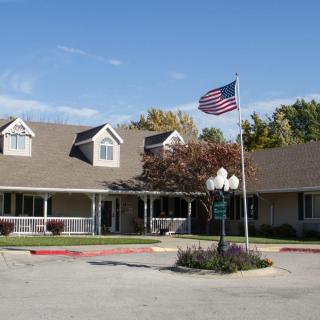
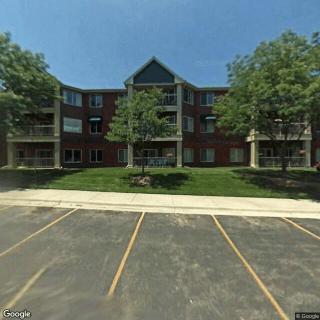
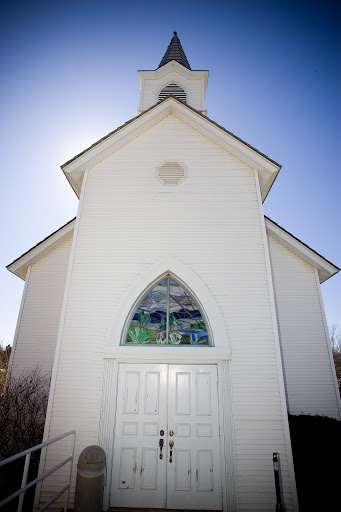
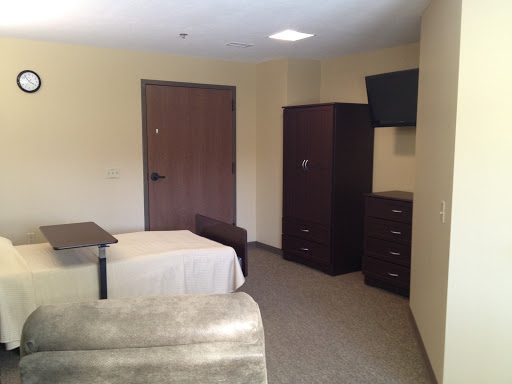
Ambassador Lincoln Inc on seniors.fyi includes 11 photos including images showing interior, healthcare, bedroom, building, church, entrance, exterior, architecture, and more.
Skilled Nursing Facilities vs. Nursing Homes: Making Sense of the Differences

Skilled nursing facilities (SNFs) provide high-level medical care and rehabilitation for short-term recovery, typically covered by Medicare after hospitalization, while nursing homes focus on ongoing custodial care for chronic conditions, mainly funded by Medicaid or private payments. The staffing and regulatory structures differ significantly between the two, necessitating clarity for families in choosing appropriate long-term care options.
A Detailed Examination of Nursing Home Costs Across the U.S.

Nursing home care costs in the U.S. vary significantly based on location, level of care, and amenities, with private room prices ranging from approximately $6,700 to over $30,000 monthly. Families need to explore various payment options and conduct thorough research to manage these expenses effectively.
Exploring Nonmedical Home Care: Understanding Services, Costs, and Financial Approaches
Nonmedical home care provides assistance with daily activities and companionship for individuals wishing to maintain independence and quality of life at home, without medical intervention. Its growing popularity is driven by an aging population, the need for supportive environments for recovery, and the emotional benefits of caregiver companionship, while costs vary based on service frequency and location.