Waterford at College View Costs & Pricing
Waterford at College View offers competitive pricing for its 1-bedroom units, with a monthly cost of $3,000. This rate is notably lower than the average for Lancaster County, where similar accommodations typically run around $3,876 per month. Additionally, Waterford's pricing is also more favorable compared to the statewide average in Nebraska of $3,167. Such cost efficiency makes Waterford at College View an attractive option for individuals seeking quality living arrangements without exceeding their budget in the local market.
| Floor plans | Waterford at College View | Lancaster County | Nebraska |
|---|
| 1 Bedroom | $3,000 | $3,876 | $3,167 |
Memory care communities with a similar price nearby
-
from +$125 / mo
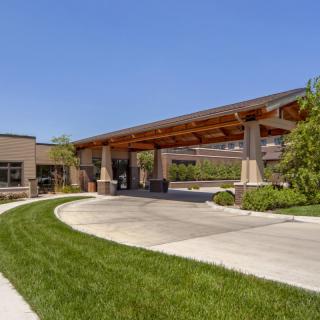
The Knolls
$3,125 to $3,800 / month
2.1 miles away
-
from -$100 / mo
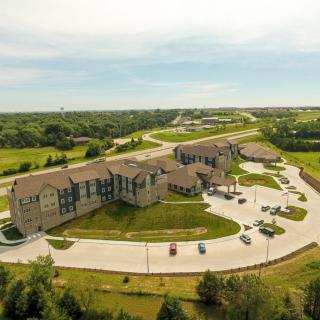
Pemberly Place
$2,900 to $4,500 / month
0.9 miles away
-
from +$137 / mo
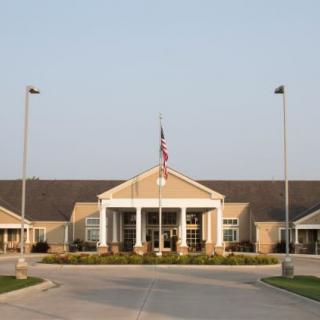
Yankee Hill Village
$3,137 to $6,236 / month
2.8 miles away
Overall Review of Waterford at College View
differentiator
2 reviews mention this
Medication help and health follow-up
Residents describe medication support and follow-through that helped stabilize health.
Several residents describe hands-on medication and care coordination during stays, including getting medication issues sorted out. One review also highlights ongoing communication between clinicians, staff, and family, with corrections attributed to the team’s involvement. In the same vein, families say their loved ones’ health and cognition improved while receiving care here.
common
10 reviews mention this
Staff kindness and responsiveness stand out
Residents and families consistently praise the staff for kindness and respect.
Across reviews, the most common praise is for staff treating residents with kindness, respect, and dignity. Multiple families mention feeling confident in the care team and describe ongoing support for day-to-day needs. A few reviewers also raise concerns about communication and honesty, but even those comments point to staff interactions as a major deciding factor.
common
6 reviews mention this
Activities keep residents engaged
Residents describe a steady schedule of activities and entertainment.
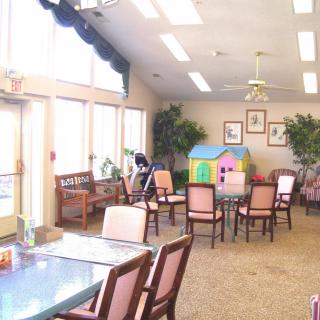
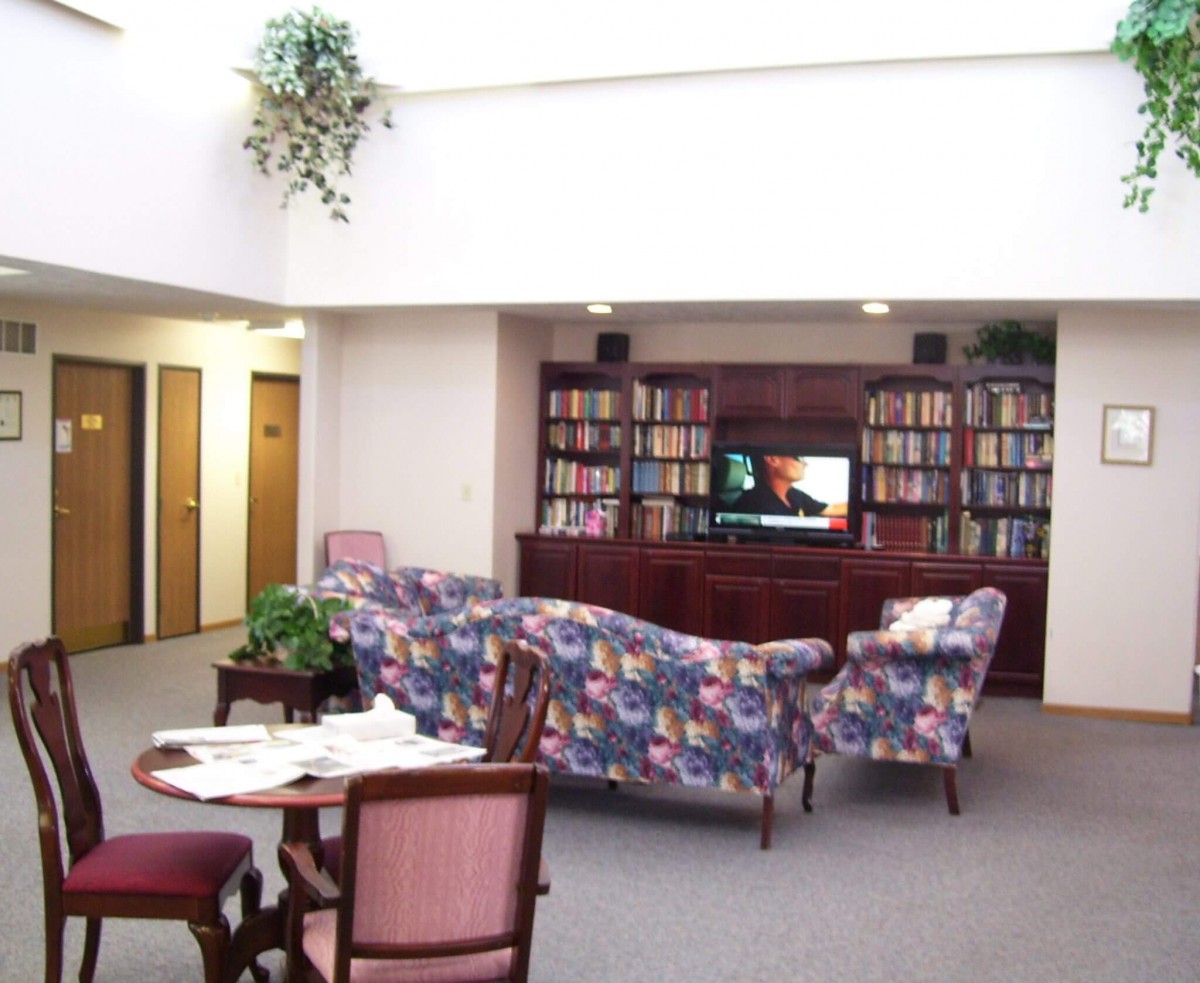
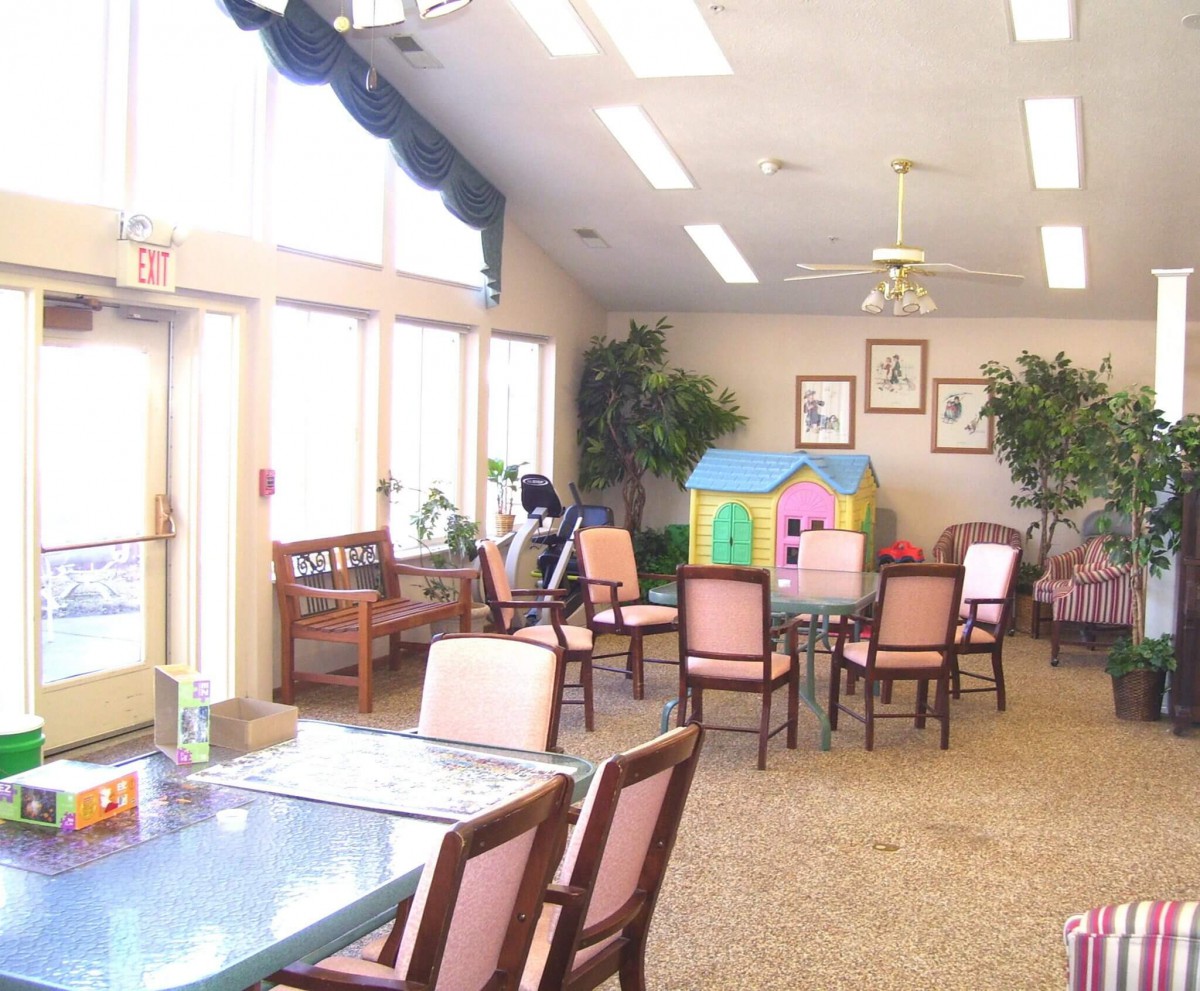
Reviews frequently mention activities and entertainment as a reason residents felt engaged, including live music and regular events. Several families highlight the activity director’s role in planning enjoyable options tailored to residents’ interests and abilities. Even reviewers who focus on other concerns still describe the presence of activities like games or organized events in common areas.
common
5 reviews mention this
Meals earn praise, with a few complaints
Residents talk about appealing meals and dining options, despite some mixed experiences.
Many reviews describe the meals positively, including comments that food was wonderful, meals were appealing, and there were no complaints about dining. A couple of reviewers contrast that by describing deliveries as off-premise and arriving cold, with meals not seasoned to their expectations. Overall, dining shows up as an area residents noticed—either as a pleasant part of daily life or as something that could be better.
caveat
2 reviews mention this
Pricing feels mixed for families
Pricing is viewed as both expensive and a good value depending on the reviewer.
Some families call the community very expensive, noting it would have been an option if financing had been available. Other reviewers frame the cost more positively, saying care quality and overall experience felt like good value for the money. Those differing impressions show up even when the staff and facility are discussed favorably.
caveat
3 reviews mention this
Room size is a recurring concern
Multiple reviewers say the rooms feel too small for their needs.
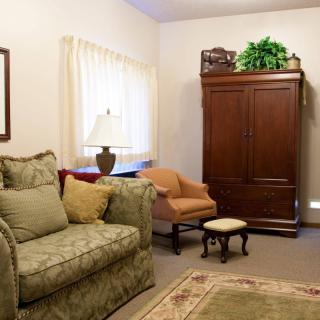
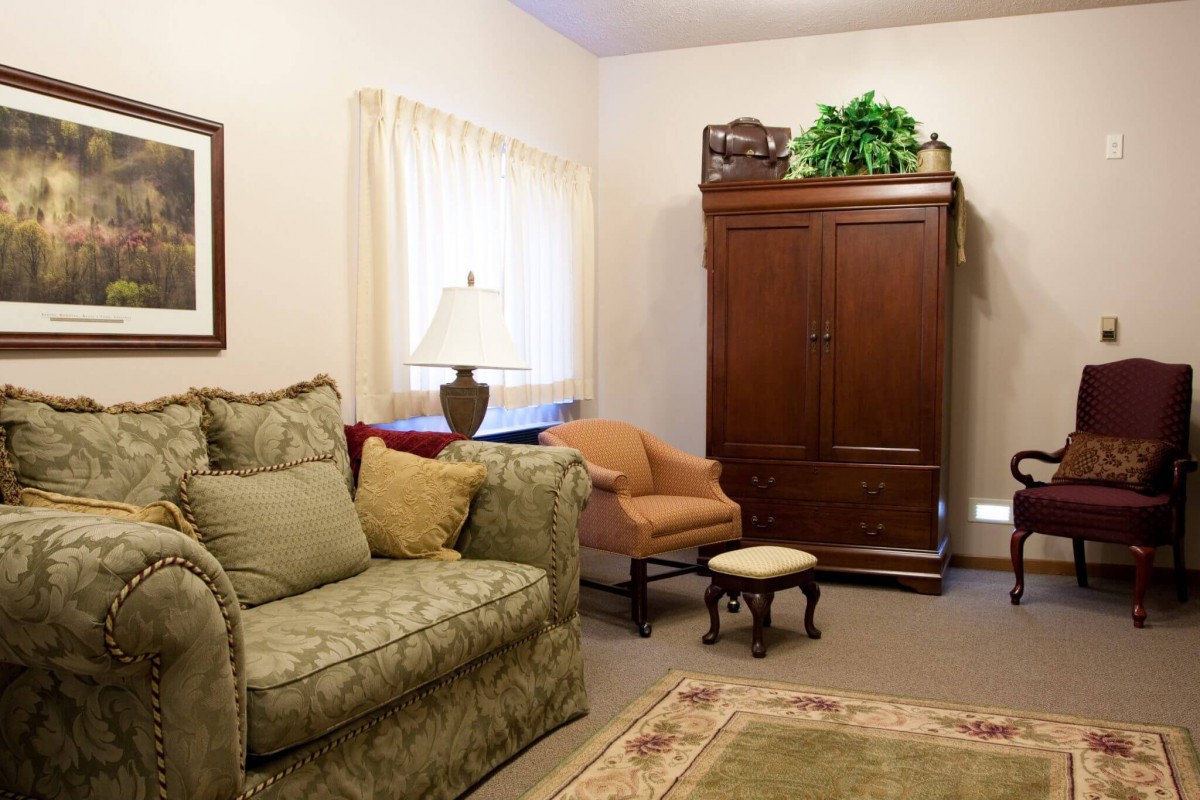
Several reviews mention that rooms are extremely small or difficult to furnish comfortably. One reviewer also describes a more institutional feel. On the other hand, at least one family says room sizes are sufficient, suggesting the fit may depend on what a resident brings in and how much space they require.
common
4 reviews mention this
Cleanliness is often highlighted
Reviews often note a clean, well-kept facility.
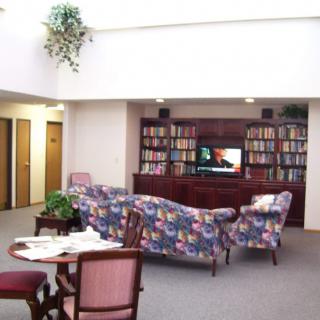
Many reviewers say the facility and common areas are clean and well maintained, and some describe it as cared for. Families also mention cleanliness alongside confidence in the day-to-day environment for residents. A few concerns about cleaning appear in the form of slower upkeep in private areas, but the overall cleanliness theme remains a frequent point in reviews.
How we summarize
Counts show how many written reviews mention each theme; a review can touch several themes, and only frequently mentioned themes are displayed.

 Assisted Living
 Memory Care
 Activities off-site
 Air-conditioning
 Bath tubs
 Beautician on-site
 Cable or satellite TV
 Devotional services off-site
 Ground floor units
 Handicap accessible
 Indoor common areas
 Outdoor common areas
 Respite or short term stays offered
 Wheelchair accessible showers
 Lincoln Municipal (8 miles away)
 Ambulatory care
 Diabetic care
 Incontinence care
 Medication management
 Anytime dining
 BBQs or picnics
 Birthday parties
 Live dance or theater performances
 Live musical performances
 Sensory-based programs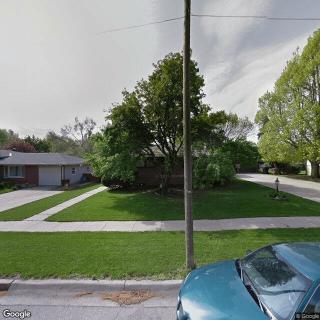
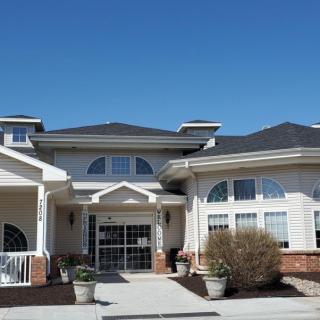
 Home-like setting with personalized assisted living and diabetes care.
 Vibrant Senior Living: A Comprehensive Guide for Active Older Adults
 Assisted Living and Memory Care: Understanding Their Core Differences
 Choosing the Right Senior Care: A Detailed Exploration of Assisted Living and Nursing Homes