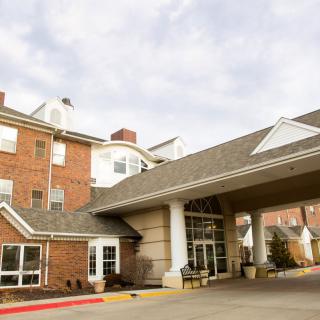
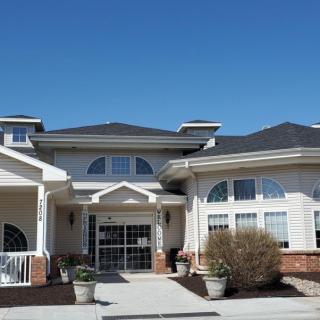
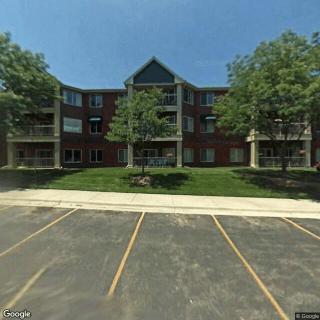
Homestead Nursing & Rehabilitation Center

Save
Homestead Nursing & Rehabilitation Center

Homestead Nursing & Rehabilitation Center

4735 South 54Th Street, Lincoln, NE 68516

For more information about senior living options: (844) 490-3973

3.5 from 100 reviews
5 stars
58
4 stars
4
3 stars
2
2 stars
3
1 stars
33

Skilled Nursing Facility

Overall Review of Homestead Nursing & Rehabilitation Center

Pros

  • pro The Emerald Brookside facility is clean and the decor is elegant.
  • pro The therapy gym is nice and well-equipped with the needed equipment.
  • pro The physical and occupational therapists (Zach, Rikki, and Jennifer) are very skilled, making the patient stronger and more confident after two weeks.
  • pro Nursing care is excellent.
  • pro Paige, the administrator, has assembled a very good team.
  • pro The nurses are hardworking, knowledgeable, and pleasant.
  • pro Aides are very good as well, especially Joyce.

Cons

  • pro The care was horrible and a resident eventually died there.
  • pro Weekend access was poor, with staff rarely answering the door.
  • pro The staff were rude, and the facility smelled old with stains everywhere.
  • pro Urine odor filled hallways, and residents slept in chairs with their food trays.
  • pro A resident was left in a hallway eating and sleeping for hours.
  • pro Residents appeared miserable and received no holiday activities.
  • pro There were alleged abuses and retaliation after complaints, including spitting on a resident.
  • pro Meals were late, cold, and served in styrofoam containers with poor communication.
  • pro The facility was dirty with stained carpet, suggesting poor maintenance.
  • pro A spouse was left in wet and soiled diapers for hours.
  • pro Urinals were left half full for hours; baths were infrequent; call lights were ignored; medications were delayed or mismanaged.
  • pro Calls to the facility were often unanswered and visitors were restricted; a loved one died alone.

Review

A collection of firsthand accounts paints a troubling picture of care and safety at the facility in question. Across multiple testimonials, families and friends describe a pattern of poor treatment, neglect, and distressing conditions that leave loved ones unprotected and underserved. The sentiment is consistently negative, with a few isolated mentions of better experiences standing out against a backdrop of disgust, frustration, and fear. Taken together, these voices suggest serious concerns about how residents are treated, how their basic needs are met, and how well their well-being is protected on a day-to-day basis.

Several reviewers focus on the physical environment and the day-to-day reality of living there. They describe an old, tired building with noticeable odors - particularly urine - in hallways and rooms. Stains cover carpets and furniture, and residents are seen sleeping in chairs or in hallways next to their food, sometimes with meals left unfinished or abandoned. Weekend access proves particularly challenging, with doors frequently not answered and little comfort for families visiting or checking in. One parenthetical detail that repeats: the smell of urine is so strong in certain passages that visitors must hold their breath to endure it. The overall atmosphere feels neglected, dilapidated, and not conducive to a sense of safety or dignity for those who live there.

Safety and daily care emerge as persistent concerns. Accounts describe residents left unattended for long stretches, sometimes inappropriately left in hallways with meals on trays, or not bathed for extended periods. There are mentions of bedpans and urinals being left for hours, meals delivered late or not at all, and reports of residents not being fed or hydrated adequately. Some reviews allege that falls were not reported to families, and that care plans were inconsistently followed. In one particularly disturbing note, a resident was left on a bed pan for over an hour, and in another instance, a caregiver was accused of abusive behavior. The fear conveyed is that basic safeguards - timely assistance, proper monitoring, and transparent communication - are not reliably in place, leaving families anxious about what happens when staff aren't immediately attentive.

Communication problems and staff behavior are echoed in many entries. Families repeatedly say they cannot reach staff by phone, or that call lights are ignored. When questions are finally answered, information can be inconsistent or contradictory, especially around medical events or changes in condition. Several reviews describe staff as rude or unprofessional, with some mentioning impersonable or dismissive responses to family concerns. There are mentions of staff being on their phones or otherwise distracted, even while residents' needs go unmet. The negative experiences extend to the overall atmosphere: dull, dingy, and unwelcoming, with a sense that management either does not respond promptly or does not take concerns seriously. There are, however, a few exceptions cited - the consistently praised nursing staff and therapists who showed competence and compassion, indicating that not all personnel are equally affected by the broader issues, and that positive experiences can and do occur in the same environment.

Food quality and nourishment emerge as a frequent point of contention. Reviews allege meals are frequently cold and served in styrofoam containers rather than on plates, with inconsistent delivery times. Seasonal preparation is criticized, with some dishes over-seasoned and others under-seasoned, and at least one specific complaint about garlic in cole slaw. The contrast between the size of the nutrition problem and the gratitude expressed toward even minor improvements (such as management addressing a nursing issue) underscores how central food quality feels to residents' daily comfort and dignity. When meals fail to meet basic expectations, it amplifies the sense of neglect and can compound other care issues that residents experience.

Amid the chorus of negatives, there is at least one notable counterpoint from a different facility in the same general space. One glowing review highlights Emerald Brookside's cleanliness, elegant decor, and a well-equipped therapy gym. The therapists - named individuals - are praised for progress and strength gains after a short period of treatment, and nursing is described as excellent. The reviewer credits a responsive administrator for putting together a skilled team, and notes positive changes after raising concerns. This perspective shows that improvements can occur and that competent, attentive care is possible within the same system, offering a valuable contrast to the broader negative experiences described elsewhere.

Taken as a whole, the body of remarks presents a forceful warning about resident safety, dignity, and quality of life. Families express fear about neglect, unknown changes in health status, and silent or unresolved concerns when issues arise. The repeated calls to reconsider placement - especially for those in memory care or rehabilitation - reflect deep apprehension about the potential consequences of staying in a facility perceived as unsafe or uncaring. The diversity of experiences - from the worst anecdotes of abuse and neglect to pockets of competent, compassionate care - also suggests that outcomes can vary by unit, shift, and staff, but the prevailing message is clear: for many, this environment does not currently meet basic expectations for safe, respectful, and responsive elder care. If you are evaluating options, these testimonies argue for thorough, in-person assessments, direct conversations with multiple staff members, and careful consideration of alternatives before deciding where a loved one should live or recover.

Features

Housing

  • 173 resident community capacity 173 resident community capacity

Types of Care

  • Skilled Nursing Facility Skilled Nursing FacilitySkilled Nursing Facilities are crucial for seniors as they provide round-the-clock medical care, rehabilitation services, and assistance with daily activities. These facilities ensure that seniors receive the specialized care they need to maintain their health and well-being as they age.

Amenities

  • Air-conditioning Air-conditioningAir conditioning is important for seniors as they are more vulnerable to heat-related illnesses and may have underlying health conditions that make it difficult for them to regulate their body temperature. It helps to keep them comfortable, safe, and healthy in hot weather.
  • Beauty salon Beauty salonBeauty salons are important for seniors because they provide a space for them to feel pampered, socialize, and maintain their personal grooming and hygiene. Regular visits to a beauty salon can help boost seniors' self-esteem and overall well-being.
  • Cable or satellite TV Cable or satellite TVCable or satellite TV is important for seniors because it provides entertainment, news, and companionship, helping to combat loneliness and boredom. It also offers a wide range of programming options tailored to different interests and preferences.
  • Computer center Computer centerA computer center is essential for seniors as it provides access to technology, communication tools, and resources that can enhance their daily lives. It allows them to stay connected with loved ones, engage in online activities, and learn new skills, ultimately promoting socialization and mental stimulation.
  • Dining room Dining roomDining rooms are important for seniors as they provide a space for socialization, connection, and nutritious meals. They offer opportunities for residents to bond over shared meals, foster a sense of community, and promote healthy eating habits. Dining rooms also ensure that seniors have access to well-balanced meals tailored to their dietary needs and preferences.
  • Fitness room Fitness roomHaving a fitness room in a senior living community is essential for seniors to stay active, maintain their physical health, and improve their overall well-being. Regular exercise can help prevent falls, reduce the risk of chronic diseases, and promote mental sharpness. It also provides social opportunities for residents to connect with others and enjoy a sense of community.
  • Fully furnished Fully furnishedFully furnished senior living communities are important for seniors because they provide convenience, comfort, and a hassle-free moving experience. Seniors can easily settle into their new living space without the stress of having to buy and move furniture. This allows them to focus on enjoying their new home and community.
  • Gaming room Gaming roomGaming rooms are important for seniors as they provide a fun and engaging environment for socializing, cognitive stimulation, and physical activity. Games can improve memory, problem-solving skills, and overall mental well-being while fostering friendships and reducing feelings of isolation.
  • Garden GardenGardens are important for seniors as they provide a peaceful and therapeutic environment for relaxation, physical activity, and socialization. Being in nature has been shown to reduce stress, improve mood, and promote overall well-being. Gardens also offer opportunities for seniors to engage in gardening activities, which can improve mobility, flexibility, and cognitive function. Additionally, gardens create a sense of community and connection with others who share a passion for plants and outdoor spaces.
  • Housekeeping services Housekeeping servicesHousekeeping services are important for seniors because they help maintain a clean and safe living environment, promote independence, and reduce the risk of accidents or illnesses. Additionally, having assistance with household chores can alleviate physical strain and allow seniors to focus on other aspects of their well-being.
  • Kitchenette KitchenetteKitchenettes are important for seniors living in senior living communities because they provide the convenience and independence of being able to prepare simple meals and snacks in the comfort of their own living space. This can help promote a sense of autonomy and well-being for seniors, allowing them to maintain some level of control over their dietary choices and daily routines.
  • Move-in coordination Move-in coordinationMove-in coordination is important for seniors because it helps ease the transition into their new living environment. It ensures that all logistics, such as packing, organizing movers, and setting up utilities are taken care of, allowing seniors to focus on settling in and adjusting to their new home. Having a smooth move-in process can alleviate stress and anxiety, making the transition smoother and more enjoyable for seniors.
  • Outdoor space Outdoor spaceOutdoor spaces are important for seniors as they provide opportunities for physical activity, social interaction, exposure to natural light and fresh air, and a sense of connection to nature. Having access to outdoor spaces can improve overall well-being and quality of life for older adults living in senior communities.
  • Private bathrooms Private bathroomsPrivate bathrooms are important for seniors in senior living communities because they provide independence, dignity, and comfort. Having a private bathroom allows seniors to maintain their personal hygiene routines without the need for assistance, promoting a sense of autonomy and privacy. Additionally, private bathrooms help prevent the spread of infections and provide a safe and clean environment for seniors to navigate safely.
  • Restaurant-style dining Restaurant-style diningRestaurant-style dining is important for seniors because it allows them to enjoy delicious, nutritious meals in a social and upscale setting. This enhances their dining experience, promotes healthy eating habits, and fosters socialization with fellow residents, ultimately contributing to their overall well-being and quality of life.
  • Small library Small librarySmall libraries are important for seniors as they provide access to a variety of reading materials, including books, newspapers, and magazines. This can help stimulate their minds, keep them engaged, and provide a sense of community through book clubs and other social activities. Additionally, reading has been shown to improve cognitive function and overall mental well-being in older adults.
  • Telephone TelephoneTelephones are important for seniors as they provide a lifeline for communication with loved ones, emergency services, and healthcare providers. They offer a sense of security and independence, enabling seniors to stay connected and access assistance when needed.
  • Wellness center Wellness centerWellness centers are important for seniors because they offer a variety of programs and services that promote physical, mental, and emotional well-being. These centers provide opportunities for exercise, socialization, education, and relaxation, helping seniors maintain their overall health and quality of life.
  • Wi-Fi/high-speed internet available Wi-Fi/high-speed internet availableWi-Fi/high-speed internet is important for seniors to stay connected with loved ones, access online resources, and participate in virtual activities to combat feelings of loneliness and isolation. It also allows them to easily manage healthcare needs, access entertainment, and engage in lifelong learning opportunities.

Transportation

  • Lincoln Municipal (8 miles away) Lincoln Municipal (8 miles away)
  • Community operated transportation Community operated transportationCommunity operated transportation is crucial for seniors as it provides them with the means to access essential services, social activities, and medical appointments. It allows seniors to maintain their independence and quality of life by ensuring they can participate in activities outside of their homes. Additionally, community-operated transportation services offer a safe and reliable way for seniors to travel without having to rely on family or friends for assistance.
  • Transportation arrangement Transportation arrangementTransportation arrangements are crucial for seniors as they may face challenges with driving, mobility, or access to public transportation. Having reliable transportation services ensures that seniors can easily attend appointments, social activities, and maintain their independence and quality of life.
  • Transportation arrangement (non-medical) Transportation arrangement (non-medical)Transportation arrangements are essential for seniors as they provide access to essential services, activities, and social interactions outside the home. This service helps maintain independence, mobility, and overall well-being for seniors who may have limited transportation options.
  • Transportation to doctors appointments Transportation to doctors appointmentsTransportation to doctors appointments is crucial for seniors as it ensures they have access to necessary medical care and support, promoting their health and well-being. It allows them to receive timely treatment, monitor existing conditions, and address any new health concerns efficiently. Additionally, transportation services can help seniors maintain their independence and quality of life by enabling them to stay connected with their healthcare providers.

Care Services

  • 12-16 hour nursing 12-16 hour nursing12-16 hour nursing care is crucial for seniors in order to ensure around-the-clock monitoring, timely medication administration, and prompt response to any health concerns or emergencies. This level of care helps to promote the overall well-being and safety of seniors living in senior living communities.
  • 24-hour call system 24-hour call system24-hour call systems are important for seniors because they provide peace of mind and immediate assistance in case of emergencies. This technology ensures that help is always available, promoting safety and security for elderly individuals living alone or in assisted living facilities.
  • 24-hour supervision 24-hour supervision24-hour supervision is important for seniors to ensure their safety, well-being, and access to immediate assistance in case of emergencies or health issues. This constant support provides peace of mind for both seniors and their loved ones, allowing them to age in place with dignity and security.
  • Activities of daily living assistance Activities of daily living assistanceActivities of daily living assistance are important for seniors because they provide essential support with tasks such as eating, bathing, dressing, and mobility. This assistance helps seniors maintain their independence, dignity, and overall quality of life as they age.
  • Assistance with bathing Assistance with bathingAssistance with bathing is crucial for seniors as it helps maintain personal hygiene, prevents infections, and ensures their overall well-being and comfort. It also provides a sense of dignity and independence for seniors who may struggle with this task on their own.
  • Assistance with dressing Assistance with dressingAssistance with dressing is important for seniors because it helps maintain their independence, promotes personal hygiene, prevents accidents and injuries, and improves overall quality of life. This service ensures that seniors can continue to dress comfortably and confidently, despite any physical limitations they may have.
  • Assistance with transfers Assistance with transfersAssistance with transfers is crucial for seniors as it helps prevent falls and injuries, maintains their independence, and ensures they can safely navigate their living environment. It also provides peace of mind for both seniors and their loved ones.
  • Diabetes diet Diabetes dietA diabetes diet is crucial for seniors as it helps manage blood sugar levels, reduce risks of complications, and improve overall health and well-being. By following a balanced and nutritious diet tailored to their specific needs, seniors can better control their diabetes and enhance their quality of life.
  • Meal preparation and service Meal preparation and serviceMeal preparation and service are crucial for seniors as they may have limited mobility or energy to cook nutritious meals. Having access to healthy and convenient food options can ensure they are getting the proper nutrition needed to maintain their overall health and well-being.
  • Medication management Medication managementMedication management is crucial for seniors to ensure they are taking the right medications at the correct dosages and times. This helps prevent adverse drug interactions, reduces the risk of medication errors, and promotes overall health and well-being. Proactive management also allows for adjustments as needed based on changing health conditions or new prescriptions.
  • Mental wellness program Mental wellness programMental wellness programs are essential for seniors as they promote cognitive stimulation, emotional support, and social engagement. These programs help prevent isolation, depression, and cognitive decline, ultimately enhancing the overall quality of life for older adults.
  • Special dietary restrictions Special dietary restrictionsSpecial dietary restrictions are important for seniors because age-related changes in metabolism and health conditions can make it difficult for their bodies to process certain foods. By following a diet tailored to their specific needs, seniors can maintain their overall health and well-being, manage chronic conditions, and reduce the risk of complications such as malnutrition or food interactions with medications.

Dining

  • Diabetes diet Diabetes dietA diabetes diet is crucial for seniors as it helps manage blood sugar levels, reduce risks of complications, and improve overall health and well-being. By following a balanced and nutritious diet tailored to their specific needs, seniors can better control their diabetes and enhance their quality of life.
  • Special dietary restrictions Special dietary restrictionsSpecial dietary restrictions are important for seniors because age-related changes in metabolism and health conditions can make it difficult for their bodies to process certain foods. By following a diet tailored to their specific needs, seniors can maintain their overall health and well-being, manage chronic conditions, and reduce the risk of complications such as malnutrition or food interactions with medications.

Activities

  • Community-sponsored activities Community-sponsored activitiesCommunity-sponsored activities are important for seniors as they provide opportunities for social interaction, mental stimulation, and physical activity. These activities can help improve overall well-being, combat loneliness and isolation, and promote a sense of belonging and purpose among older adults.
  • Concierge services Concierge servicesConcierge services are essential for seniors as they provide assistance with daily tasks and errands, enhance their quality of life by offering convenience and personalized care, and promote a sense of safety and security.
  • Fitness programs Fitness programsFitness programs are crucial for seniors as they help improve strength, flexibility, balance, and overall well-being. Staying active can reduce the risk of chronic diseases, improve mental health, and enhance quality of life in older adults.
  • Planned day trips Planned day tripsPlanned day trips are important for seniors because they offer opportunities for socialization, mental stimulation, and physical activity. They provide a change of scenery and help seniors stay engaged and connected to their community, promoting overall well-being and quality of life.
  • Resident-run activities Resident-run activitiesResident-run activities are important for seniors as they encourage social interaction, creativity, and a sense of autonomy. These activities empower seniors to stay engaged and active in their community while fostering meaningful connections with their peers.
  • Scheduled daily activities Scheduled daily activitiesScheduled daily activities are important for seniors because they provide structure, socialization, mental stimulation, and physical activity. Engaging in regular activities can improve overall well-being and quality of life for seniors living in a community setting.

Description

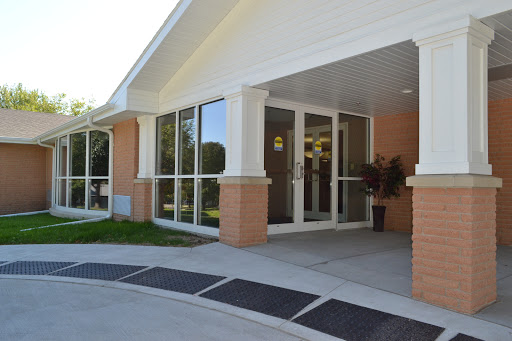
Homestead Nursing & Rehabilitation Center in Lincoln, NE is a vibrant and welcoming assisted living community that offers a wide range of amenities and care services to meet the needs of its residents. Situated in a convenient location with nearby cafes, parks, pharmacies, physicians, restaurants, places of worship, and hospitals, residents have easy access to various services and activities.

The community boasts an array of amenities designed to enhance the comfort and enjoyment of its residents. A beauty salon is available for haircuts, styling, and pampering sessions. Residents can relax and unwind while watching their favorite shows on cable or satellite TV. Community-operated transportation services ensure that residents can run errands or attend appointments without hassle. For those who enjoy technology, there is a computer center equipped with Wi-Fi/high-speed internet access.

Homestead Nursing & Rehabilitation Center also takes pride in providing excellent dining options. The dining room offers restaurant-style dining experiences where residents can savor delicious meals prepared by the skilled staff. Special dietary restrictions are taken into consideration to ensure that everyone's nutritional needs are met.

The community promotes an active lifestyle with its fitness room and wellness center. Various fitness programs are offered to help residents stay physically fit and healthy. Planned day trips provide opportunities for exploring the local area together as a group. Resident-run activities allow individuals to engage in hobbies or pursue new interests.

Care services are available 24/7 to ensure the well-being of all residents. There is a 24-hour call system for immediate assistance if needed. Trained staff provide assistance with activities of daily living such as bathing, dressing, and transfers. Medication management ensures that medications are taken correctly and on time. A mental wellness program is in place to support emotional well-being.

Overall, Homestead Nursing & Rehabilitation Center offers a welcoming environment where residents can enjoy comfortable living accommodations along with an array of amenities and care services tailored to meet their individual needs.

Nearby Places of Interest

Pharmacies

  • Nebraska Ltc Pharmacy (0.4 miles)
  • Walgreens (1.3 miles)
  • Walgreens (1.3 miles)
  • Walgreens (1.4 miles)
  • Walgreens (1.8 miles)
  • Pharmacy Specialty Services (1.8 miles)
  • CVS Pharmacy (2 miles)

Physicians

  • Edgewood Family Physicians (0.4 miles)
  • Elizabeth Park South Radiology (1.1 miles)
  • Women's Health Care Center of Williamsburg (1.3 miles)
  • Cheney Ridge Family Medical Clinic (1.3 miles)
  • Doctors Of Children (1.3 miles)
  • Linc Care (1.4 miles)
  • Primary Care Partners (1.5 miles)

Restaurants

  • Don & Millie's (0.4 miles)
  • Valentino's (0.4 miles)
  • Stauffer’s Cafe & Pie Shoppe (0.6 miles)
  • Sonic Drive-In (0.7 miles)
  • Lazlo's Brewery & Grill (0.8 miles)
  • McDonald's (0.8 miles)
  • Raising Cane's Chicken Fingers (0.9 miles)

Parks

  • Colonial Hills Park (0.8 miles)
  • Holmes Lake Dog Park (1.5 miles)
  • Holmes Lake Park (1.5 miles)
  • Williamsburg Village Park (1.6 miles)
  • Bishop Heights Park (1.7 miles)
  • Irvingdale Park (2.8 miles)
  • Antelope Park (3 miles)

Places of Worship

  • Sheridan Lutheran Church (1.4 miles)
  • Lincoln Berean Church (1.8 miles)
  • Congregation Tifereth Israel (1.8 miles)

Hospitals

  • Madonna Rehabilitation Hospital (1.7 miles)
  • Faulkner Medical Plaza (2.1 miles)
  • Speciality Clinic (2.2 miles)
  • Bryanlgh Medical Center (2.2 miles)
  • 2South ICU (3.1 miles)
  • 6South Neuro - PCU (3.1 miles)

Cafes

  • Scooters Coffee House (1.8 miles)

Frequently Asked Questions

Where is Homestead Nursing & Rehabilitation Center?

Nearby Communities

Related Resources

  • fecal incontinenceFecal Incontinence in Older Adults: A Comprehensive Guide

    Fecal incontinence, prevalent among older adults, arises from factors like weakened pelvic muscles and nerve damage, significantly affecting well-being and social interactions. Diagnosis involves clinical evaluation and tests to inform tailored treatments, while caregivers and preventive measures can aid in managing the condition effectively.

  • anticipatory griefRecognizing the Journey: Understanding and Navigating Anticipatory Grief

    Anticipatory grief is an emotional response to the impending loss of a loved one, characterized by complex emotions such as sadness and anger, and involves navigating stages similar to those identified by Kübler-Ross. Coping strategies are vital for managing this process, emphasizing compassionate communication, self-care, and support groups while recognizing the cultural influences on grieving.

  • adult day careEncouraging Participation in Adult Day Care: A Guide to Supporting a Hesitant Parent
    Adult day care programs offer essential support and activities for older adults, yet many hesitate to participate due to concerns about independence and stigma. To alleviate these apprehensions, families should facilitate open discussions, explore financial resources, suggest trial visits, and collaborate with healthcare providers to highlight the benefits of such services for both the participants and their caregivers.