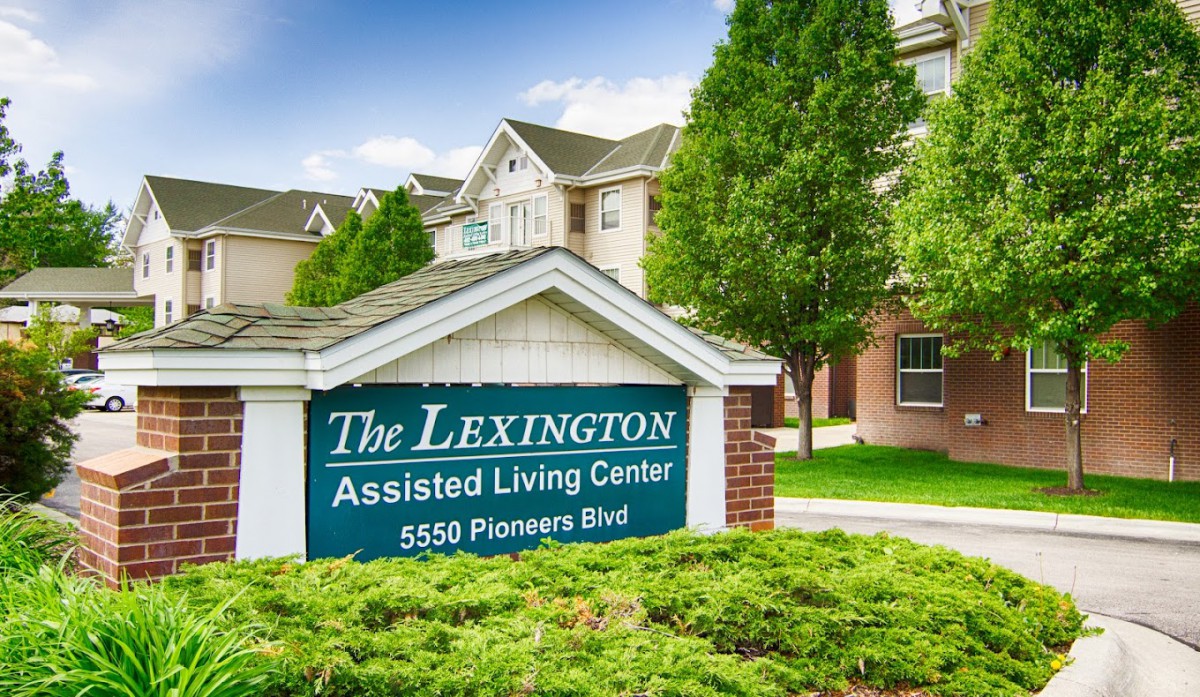




5550 Pioneer Blvd, Lincoln, NE 68506
To contact a resident: (402) 486-5500
For more information about senior living options: (866) 208-4318
Overall Review of The Lexington Assisted Living
Pros
 They are happy with their surroundings.
- They feel well taken care of by the staff.
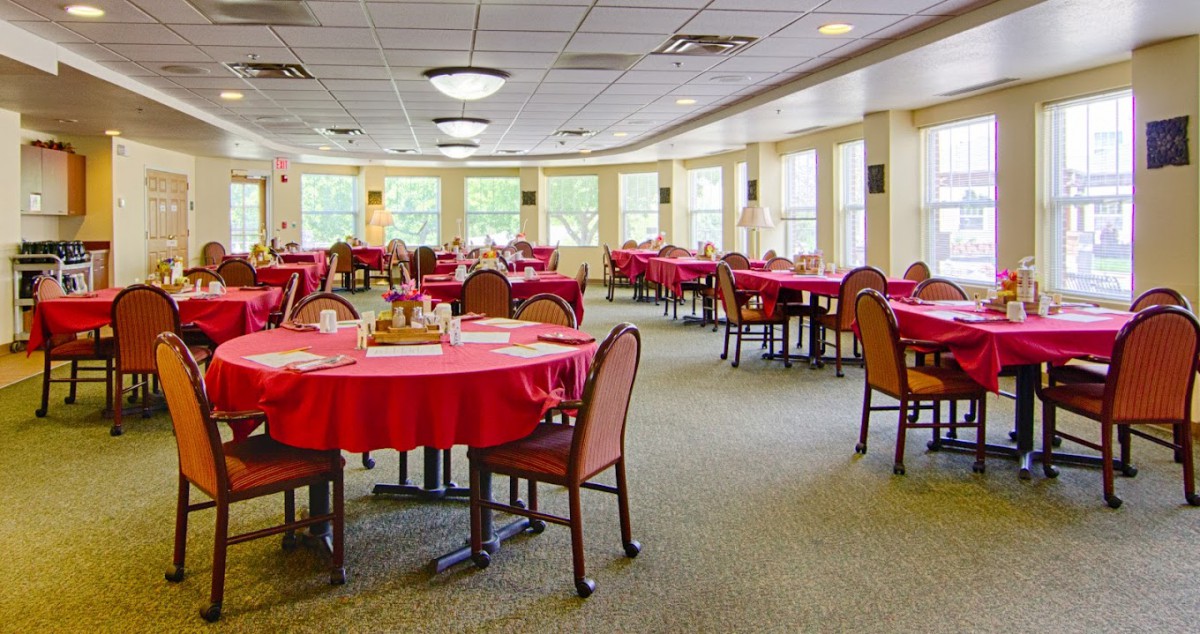
- The food is good and the home is clean.
- They feel safe.
- The staff and owners are amazing and treat residents like family.
- The staff are great, friendly, and very clean.
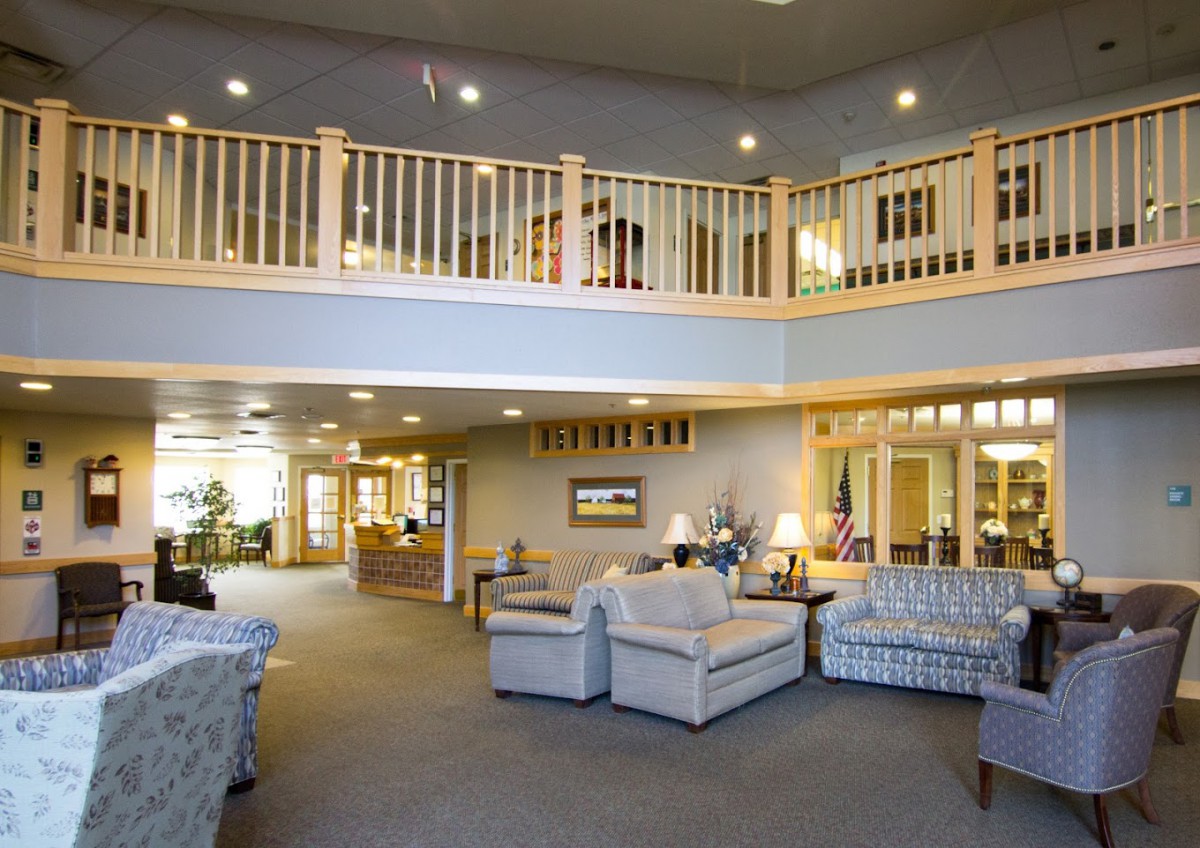
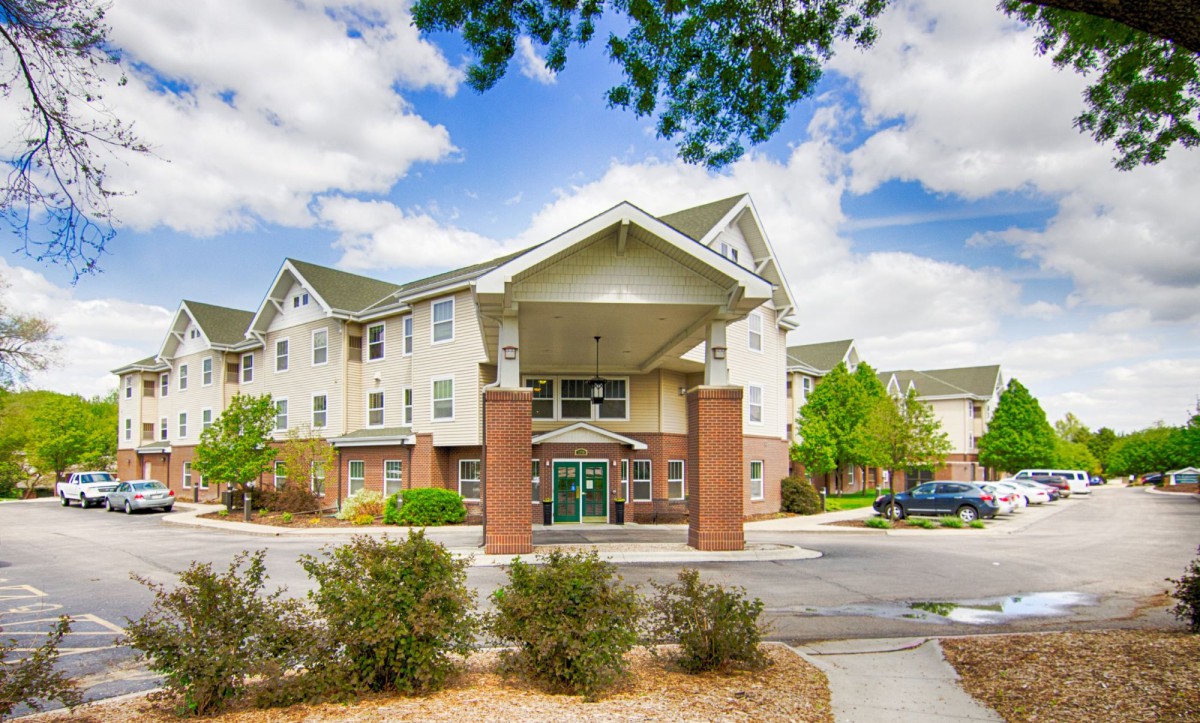
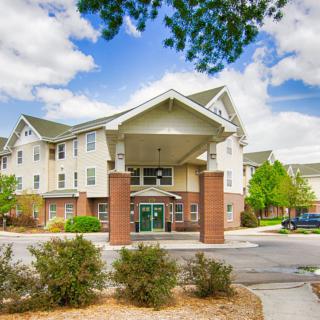
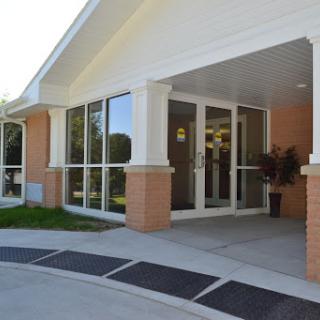
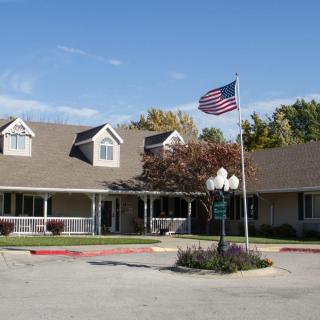
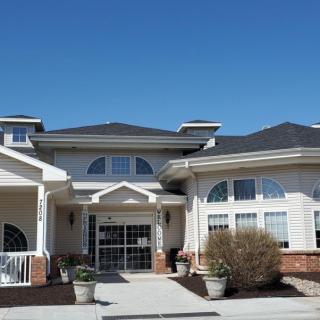
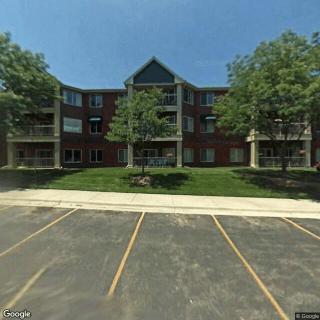
- The building and grounds are nicely kept.
- There are warm relationships between residents and their caregivers.
- It is a great place to work and live.
- People would recommend this place to others.
Cons
 The facility is under-paid and understaffed, with many personal items taken from residents' rooms.
- There is a huge turnover between employees and residents, indicating instability in care.
- The facility seems more focused on filling rooms for money than providing proper care.
- A resident alleges they were told to move out after an incident, suggesting arbitrary expulsions.
- A night manager is accused of stealing antidepressants and drinking alcohol in a resident's room.
- Personal items and food are missing from residents' rooms, and portions are small.
- The van cannot carry wheelchairs, leaving families to transport loved ones to appointments.
- The reviewer would not recommend the Lexington and believes there are far better options.
Review
The Lexington Assisted Living in Lincoln, Nebraska is best suited for seniors who want a warm, family-like environment where caregivers are accessible and residents feel secure in day-to-day living. It works well for families that prize personal connection with staff, a clean and orderly setting, and a sense that neighbors and caregivers genuinely care. Those who need a higher level of medical oversight, consistent staffing, and policies that prevent abrupt moves or disputes over Medicaid eligibility should consider alternatives. Also, anyone relying on regular wheelchair-accessible transport or predictable, policy-driven safeguards should investigate other options where these elements are non-negotiable.
On the plus side, the community earns strong marks for its human touch and upkeep. Multiple accounts praise staff and owners who treat residents like family, creating an atmosphere of warmth and trust. The facility itself is repeatedly described as clean and well kept, with grounds that support a comfortable living environment. Residents report feeling secure under attentive care, and families often point to the depth of relationships between caregivers and residents as a core strength. The overall impression is of a place where daily life can feel stable, familiar, and respectfully managed.
Yet, significant concerns recur and cannot be ignored. Staffing consistency appears to be a persistent challenge, with frequent turnover and worries about wages that drive turnover, leading to uneven experiences in care and daily routines. Allegations of items going missing, periods of disengagement where staff are distracted, and stories about management practices that feel punitive or opaque surface from multiple accounts. There are also pointed criticisms about meal quality and portion sizes, and about restrictions that limit a resident’s freedom to move or access off-campus resources, including transportation limitations for wheelchair users. These factors contribute to a sense that care quality can fluctuate and that some residents may feel efforts are oriented more toward occupancy than sustained, individualized care.
Despite the upbeat testimonials, the main advantages do not fully offset the heavier drawbacks. The personal warmth and clean, safe environment can compensate for many ordinary aging-in-place needs, and the visible enthusiasm of some caregivers sustains daily life for many residents. However, when staffing gaps intersect with policy-driven eviction anecdotes or alleged theft, the risk to resident well-being and family planning grows decisively. For families seeking predictable, tightly regulated care and long-term stability, these gaps tip the balance toward caution and the exploration of alternatives.
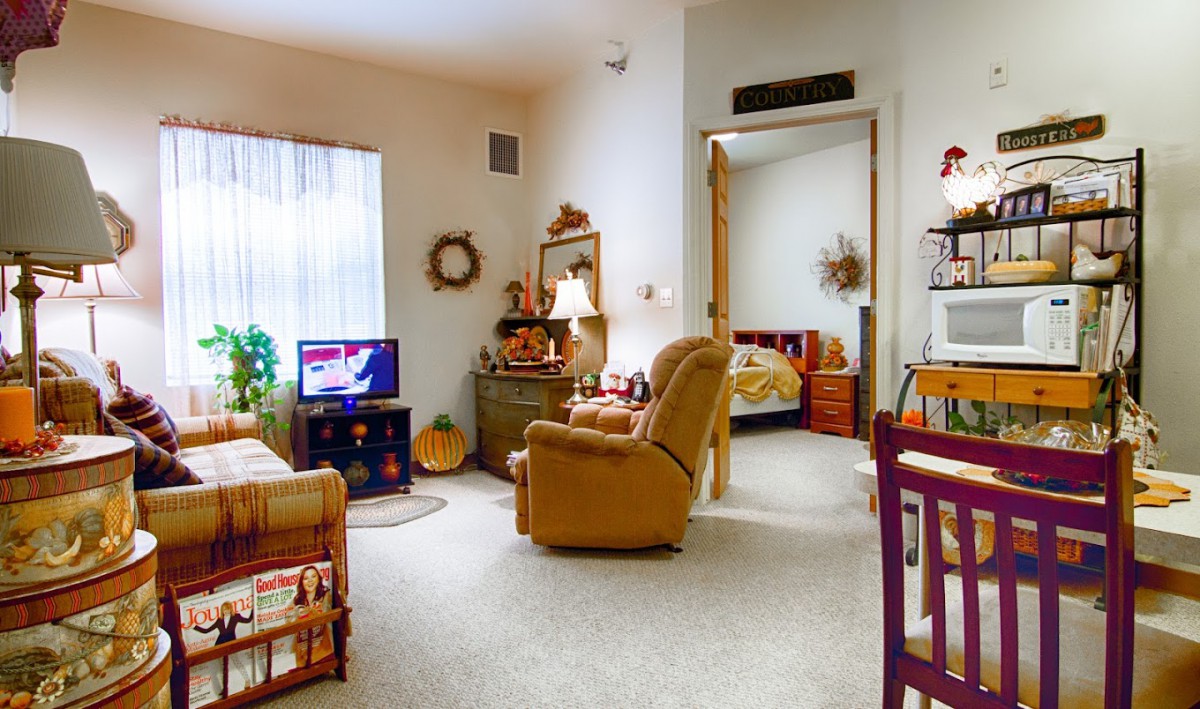
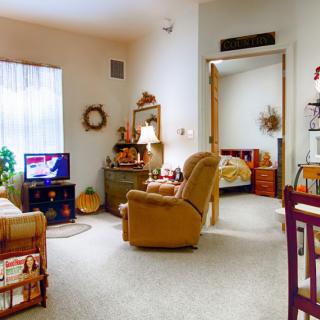
Practical due diligence is essential before moving in. Prospective residents and their families should request current staffing levels and nurse availability, and ask for transparent explanations of Medicaid-related policies and any recent expulsions. A direct conversation with current residents about day-to-day routines, meals, and how concerns are addressed can reveal how consistently care is delivered. Tours should include a thorough look at dining options, transportation arrangements, and the accessibility of medical supports. Review the latest state survey results, inspect living spaces for safety features, and confirm clearly written policies on belongings, trespass or removal, and what happens when more intensive assistance is required.
In the end, The Lexington offers a welcoming, well-maintained home with genuinely caring staff for seniors who don’t rely on round-the-clock medical supervision and who value a familial atmosphere. For those who require unwavering staffing consistency, robust protections against abrupt discharges, or dependable transportation and accessibility for medical needs, alternatives deserve serious consideration. If the fit appears promising, proceed with targeted questions, a candid assessment of daily rhythms, and a side-by-side comparison with other Lincoln options to ensure the decision aligns with health needs, financial realities, and long-term peace of mind.
 Assisted Living
 Activities on-site
 Devotional services off-site
 Indoor common areas
 Lincoln Municipal (8 miles away)
 Ambulatory care
 Diabetic care
 Meals provided

 Vibrant Senior Living: A Comprehensive Guide for Active Older Adults
 When to Transition from Assisted Living to Memory Care: Key Indicators, Steps, and Finding the Right Community
 Assisted Living and Memory Care: Understanding Their Core Differences