
3110 South 48Th Street, Lincoln, NE 68506
For more information about senior living options: (866) 208-4318
Overall Review of Orchard Park
Pros
 The staff are exceptional and caring.
- Mom’s room was spacious.
- She was warmly welcomed on her first day and formed wonderful friendships.
- The staff were very attentive to her medical needs.
- They treated her like family.
- The activity director organized outings and shopping for residents.
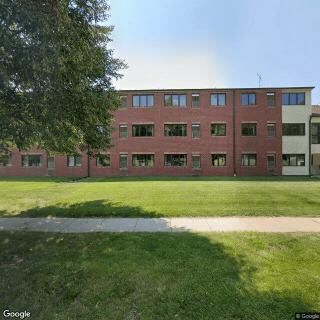
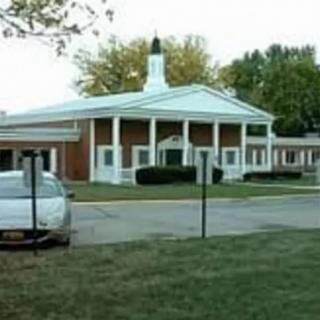
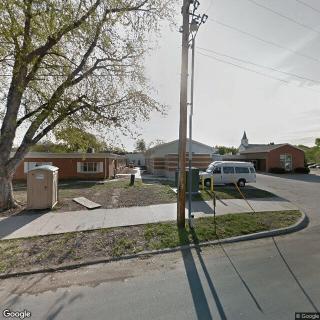
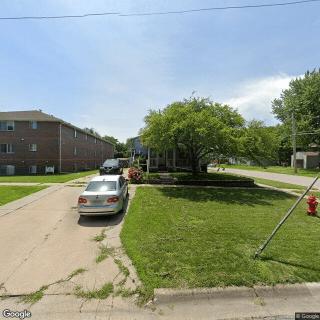
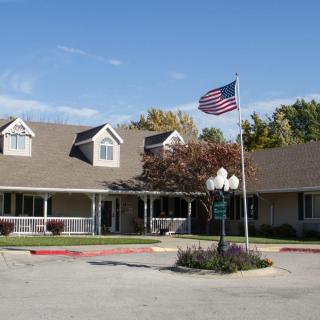
- The facility is lovely with beautiful grounds and a central location.
- The food is delicious and the staff are considerate of special diets.
Cons
 The staff is understaffed and often rude, with many not trained to work with the elderly.
- The facility shows zero responsibility when a resident wanders off and doesn’t return for the day.
- The owner is on a tight budget and corners are cut with medical staffing, training, and meals.
- A resident reportedly received the wrong pills or dosage, and medical issues were overlooked or mishandled.
- A theft incident occurred and was described as commonplace in similar places, indicating security concerns.
- The building is too small and cramped, with rooms that are small and not customizable.
Review
Orchard Park in Lincoln, Nebraska is best suited for families seeking a small, home-like assisted living environment where residents can stay relatively independent while receiving attentive, personalized care. The community’s compact size fosters a true family feel, with familiar faces and staff who seem to know residents’ routines and preferences. It works well for seniors who value easy access to social activities, straightforward layouts, and direct lines to caregivers when help is needed. It is not a large, hospital-style campus; the emphasis is on close relationships and practical support over a clinical atmosphere. For residents with substantial medical complexity or those who require robust on-site nursing around the clock, alternatives with stronger medical infrastructure merit serious consideration.
The strongest and most durable draw is the staff and the atmosphere they create. Families consistently report exceptionally caring caregivers who welcome residents warmly and help them form real friendships quickly. The same team demonstrates attentiveness to medical needs, with many accounts describing staff treating residents like family. The owner, Virgil, is perceived as genuinely involved, backing daily operations and showing care for both residents and employees. The facility’s willingness to accept Medicaid from the start lowers a common financial barrier, and the activity program, featuring outings, cooking classes, and dedicated spaces such as a Red Room and an open atrium, helps residents stay engaged without leaving the building. These elements collectively foster a sense of continuity and belonging that many families prize.
There are credible reliability concerns that should not be brushed aside. A subset of reviews points to understaffing and occasional rude behavior, along with inconsistent responsiveness to calls and messages. Several accounts describe gaps in elder-care training, and at least one incident raises questions about medication safety and timely notification after a fall. Communication with families during medical events is frequently highlighted as an area needing improvement, and one reviewer recounts a wandering incident with no clear safety plan. A few critics flag budget-driven compromises in staffing, services, and even basic safety features (such as accessibility at the front door). Taken together, these threads suggest a campus where experiences can vary by shift and over time.
Yet the core strengths can offset many downsides when the fit is right. The intimate setting enhances trust between residents and staff, making daily life calmer and more predictable while still preserving independence. When staff go the extra mile, assisting with birthday plans, coordinating long-distance arrangements, or simply staying connected with families, the sense of continuity and reassurance grows. Medicaid acceptance broadens access, and the activity staff’s practical approach keeps residents socially engaged, including shopping trips and resident-led gatherings that reinforce autonomy. While safety and communication gaps do persist, they are not universal and can be mitigated with proactive oversight and clear expectations.
Families should consider alternatives if medical acuity is high or if round-the-clock nursing support is essential. For residents who require intensive monitoring, complex medication regimens, or frequent high-level medical interventions, Orchard Park’s smaller scale may feel insufficient. Those who prize consistently seamless communication with leadership, predictable call-backs, and ironclad medication management may prefer a larger operator with deeper nursing resources. It is prudent to verify current staffing levels, turnover, and any recent incidents during visits, since experiences can be uneven across shifts.
Decision-makers should approach with a structured plan: confirm current staffing ratios and on-site leadership presence, review the medication administration process and how changes are communicated to families, and inquire about fall response times and safety protocols. Meet the activity director and observe a typical day to gauge how well residents are integrated into programs. Bring a detailed list of medical supports and dietary needs to test how well care plans can be tailored. Clarify Medicaid eligibility and the admissions process, and explore whether a short trial period is possible. Orchard Park can be a warm, affordable home for many seniors, but a careful appraisal of safety, staffing consistency, and medical readiness is essential to avoid compromising comfort for convenience.
 50 resident community capacity
 Studio apartments
 Assisted Living
 Activities on-site
 Beautician on-site
 Cable or satellite TV
 Devotional services off-site
 Dining room
 Fully furnished
 Garden
 Housekeeping services
 Indoor common areas
 Kitchenette
 Move-in coordination
 Outdoor space
 Telephone
 Wi-Fi/high-speed internet available
 Lincoln Municipal (7 miles away)
 Transportation & parking
 24-hour call system
 Ambulatory care
 Assistance with bathing
 Assistance with dressing
 Assistance with transfers
 Diabetes diet
 Diabetic care
 Meal preparation and service
 Medication management
 Mental wellness program
 Special dietary restrictions
 Transportation arrangement (medical)
 English

 Exploring the Path to Senior Living: A Comprehensive Look at Independent Living and Assisted Living
 Is Assisted Living Deductible on Your Taxes? Understanding the Complexities of Assisted Living Expenses and Deductions
 Assisted Living Support for Veterans: A Complete and Detailed Overview