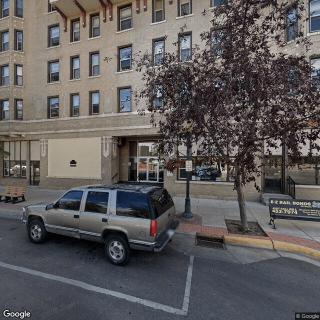
Park Place Transitional Care And Rehabilitation

1500 32Nd Street S, Great Falls, MT 59405

For more information about senior living options: (844) 490-3973

3.7 from 45 reviews
5 stars
25
4 stars
6
3 stars
1
2 stars
0
1 stars
13

Skilled Nursing Facility

What level of care are you interested in?

Assisted Living

Memory Care

Independent Living

Skilled Nursing Facility

Continuing Care Retirement Community (CCRC)CCRC

Other


Request a tour at Park Place Transitional Care And Rehabilitation

    Overall Review of Park Place Transitional Care And Rehabilitation

    Pros

    • pro Park Place is an amazing place to work.
    • pro The staff at Park Place takes amazing care of residents and is loved by families.
    • pro Park Place is a wonderful place with great staff who are friendly and caring.
    • pro The care at Park Place exceeds expectations; the staff are compassionate and dedicated to residents' well-being.
    • pro The environment at Park Place is clean and welcoming, and the activities team keeps residents engaged.
    • pro Park Place is highly recommended as a supportive home for loved ones.
    • pro The staff, including nurses, CNAs, the DON, and administrators, are described as compassionate and dedicated.
    • pro The facility is clean, with comfortable rooms and meals that look very good.
    • pro Park Place's rehab and therapy teams, including individuals like Bobbie the CNA, provide excellent care.

    Cons

    • pro A reviewer described Park Place as a bad place with numerous issues, unsafe conditions, poor administration, and a lack of compassion.
    • pro They alleged money was missing and residents were left sitting in urine for hours, with administration allegedly lying about health conditions and making threats.
    • pro One reviewer called it one of the worst nursing homes in town, saying staff do not know how to treat residents and management is abusive.
    • pro A reviewer warned that putting a loved one there would show you don't really love them.
    • pro There were reports of abusive staff, including housekeeping employees.
    • pro The food was described as horrible and ice-cold, and nurses were overworked.
    • pro A former resident's family claimed they were charged $6,000 and did not receive a refund.
    • pro A review stated a 100-year-old resident had only one shower and developed a nasty bed sore during a stay.
    • pro A complaint noted that pain medication was often delivered late.
    • pro One post suggested the facility should be closed.

    Review

    Park Place appears to be a place that many families connect with on a deeply personal level, evoking strong feelings of appreciation and gratitude from those who have witnessed their loved ones receive care there. Across a wide range of feedback, the common thread is that the staff - the nurses, CNAs, and the administrative team - are often described as caring, friendly, and devoted. Messages frequently highlight a sense of warmth and attentiveness: residents are said to be surrounded by people who remember their names, engage them in activities, and try to create a welcoming, clean, and comforting environment. Several testimonials specifically applaud the therapy teams and the activities staff for keeping residents engaged and for recognizing that rehab and social interaction go hand in hand with recovery.

    Many reviewers emphasize the quality of interpersonal care as one of Park Place's strongest assets. Families frequently point to individuals by name, recounting stories of nurses, CNAs, and managers who have stood out for their kindness and professionalism. Praise is given not only for direct patient care but also for the broader environment - cleanliness, welcoming common areas, and the presence of a structured routine that supports residents' well-being. The care planning process and regular communication with families are noted positively in numerous entries, with some families reporting that a staff member consistently called to keep them informed about changes big and small. In the rehabilitation and long-term care contexts, a number of reviews mention tangible signs of progress, such as a patient regaining mobility, adapting to therapy, or preparing for a transition back to a less intensive care setting.

    There are also poignant, hopeful narratives about specific incidents and outcomes. Several families describe success stories where patients have returned to greater independence after short stays in the rehabilitation unit or in the transitional care unit (TCU). For instance, readers recount straightforward, practical improvements: a patient walking with a cane after hip surgery within a few weeks, or a relative moving through the facility with improved cognitive and physical function following treatment. In such accounts, staff are depicted as professional and supportive, with families appreciative of the updates and the sense that their loved ones are being treated with respect and dignity as they regain strength.

    At the same time, the collection of reviews contains serious concerns that cannot be ignored. A number of reviewers portray Park Place as facing critical issues related to safety, responsiveness, and administration. Some accounts allege neglect and abusive behavior by staff, including situations where residents were left sitting in urine for extended periods, abrupt or insufficient communication about health conditions, and even threats or bullying directed at family members during disagreements. In several posts, money is claimed to have gone missing, and families describe experiences in which basic needs - such as timely showers for elderly residents or adequate nourishment - were not consistently met. The language in these entries is stark, with some reviewers warning others away from placing loved ones there and urging prospective residents to consider alternative facilities.

    Not all feedback aligns with the most negative assessments, however. There are posts that acknowledge real challenges such as staff shortages and delays in delivering pain medications, yet still describe the staff as friendly and willing to work hard under difficult circumstances. A recurring theme in these more tempered accounts is a call for continued improvement and better staffing levels, rather than a wholesale condemnation of the facility. A number of readers also note constructive aspects, like the usefulness of the front desk and early efforts to improve visitor information, as well as the value of family members who share helpful suggestions or request updates to ensure transparency in residents' care.

    The facility's handling of transitions and family involvement is another focal point. Some reviews discuss the experience of visiting during restrictive periods (for example, during lockdowns) and how families adapted by coordinating window visits or arranging alternate communication methods. Other testimonials mention positive experiences with admissions, room setups, and the accessibility of resources for families seeking information about finances or care plans. There is a clear sense that when the administrative and frontline teams are aligned and proactive, families feel reassured and confident about their loved one's trajectory.

    In sum, Park Place emerges as a place of strong contrasts. On one hand, many people speak with warmth and gratitude about compassionate staff, a clean and welcoming environment, engaged activities, and meaningful progress in rehab and long-term care. On the other hand, a distinct subset of reviews voices deep concern about safety, staffing, and administrative conduct, portraying a picture of neglect, poor communication, and distressing experiences that have understandably left families shaken. The truth for many families seems to lie somewhere in between: Park Place can provide excellent, caring, and professional support when things are going smoothly, but there are serious gaps that require attention and accountability to ensure every resident receives consistently safe, respectful, and high-quality care. For anyone considering Park Place, it may be wise to speak directly with administrators, tour the facility in person, and discuss specific needs and expectations with care teams to assess how well the setting might align with a loved one's health goals and daily living preferences.

    Features

    Housing

    • 189 resident community capacity 189 resident community capacity

    Types of Care

    • Skilled Nursing Facility Skilled Nursing FacilitySkilled Nursing Facilities are crucial for seniors as they provide round-the-clock medical care, rehabilitation services, and assistance with daily activities. These facilities ensure that seniors receive the specialized care they need to maintain their health and well-being as they age.

    Amenities

    • Air-conditioning Air-conditioningAir conditioning is important for seniors as they are more vulnerable to heat-related illnesses and may have underlying health conditions that make it difficult for them to regulate their body temperature. It helps to keep them comfortable, safe, and healthy in hot weather.
    • Beauty salon Beauty salonBeauty salons are important for seniors because they provide a space for them to feel pampered, socialize, and maintain their personal grooming and hygiene. Regular visits to a beauty salon can help boost seniors' self-esteem and overall well-being.
    • Cable or satellite TV Cable or satellite TVCable or satellite TV is important for seniors because it provides entertainment, news, and companionship, helping to combat loneliness and boredom. It also offers a wide range of programming options tailored to different interests and preferences.
    • Computer center Computer centerA computer center is essential for seniors as it provides access to technology, communication tools, and resources that can enhance their daily lives. It allows them to stay connected with loved ones, engage in online activities, and learn new skills, ultimately promoting socialization and mental stimulation.
    • Dining room Dining roomDining rooms are important for seniors as they provide a space for socialization, connection, and nutritious meals. They offer opportunities for residents to bond over shared meals, foster a sense of community, and promote healthy eating habits. Dining rooms also ensure that seniors have access to well-balanced meals tailored to their dietary needs and preferences.
    • Fitness room Fitness roomHaving a fitness room in a senior living community is essential for seniors to stay active, maintain their physical health, and improve their overall well-being. Regular exercise can help prevent falls, reduce the risk of chronic diseases, and promote mental sharpness. It also provides social opportunities for residents to connect with others and enjoy a sense of community.
    • Fully furnished Fully furnishedFully furnished senior living communities are important for seniors because they provide convenience, comfort, and a hassle-free moving experience. Seniors can easily settle into their new living space without the stress of having to buy and move furniture. This allows them to focus on enjoying their new home and community.
    • Gaming room Gaming roomGaming rooms are important for seniors as they provide a fun and engaging environment for socializing, cognitive stimulation, and physical activity. Games can improve memory, problem-solving skills, and overall mental well-being while fostering friendships and reducing feelings of isolation.
    • Garden GardenGardens are important for seniors as they provide a peaceful and therapeutic environment for relaxation, physical activity, and socialization. Being in nature has been shown to reduce stress, improve mood, and promote overall well-being. Gardens also offer opportunities for seniors to engage in gardening activities, which can improve mobility, flexibility, and cognitive function. Additionally, gardens create a sense of community and connection with others who share a passion for plants and outdoor spaces.
    • Housekeeping services Housekeeping servicesHousekeeping services are important for seniors because they help maintain a clean and safe living environment, promote independence, and reduce the risk of accidents or illnesses. Additionally, having assistance with household chores can alleviate physical strain and allow seniors to focus on other aspects of their well-being.
    • Kitchenette KitchenetteKitchenettes are important for seniors living in senior living communities because they provide the convenience and independence of being able to prepare simple meals and snacks in the comfort of their own living space. This can help promote a sense of autonomy and well-being for seniors, allowing them to maintain some level of control over their dietary choices and daily routines.
    • Move-in coordination Move-in coordinationMove-in coordination is important for seniors because it helps ease the transition into their new living environment. It ensures that all logistics, such as packing, organizing movers, and setting up utilities are taken care of, allowing seniors to focus on settling in and adjusting to their new home. Having a smooth move-in process can alleviate stress and anxiety, making the transition smoother and more enjoyable for seniors.
    • Outdoor space Outdoor spaceOutdoor spaces are important for seniors as they provide opportunities for physical activity, social interaction, exposure to natural light and fresh air, and a sense of connection to nature. Having access to outdoor spaces can improve overall well-being and quality of life for older adults living in senior communities.
    • Private bathrooms Private bathroomsPrivate bathrooms are important for seniors in senior living communities because they provide independence, dignity, and comfort. Having a private bathroom allows seniors to maintain their personal hygiene routines without the need for assistance, promoting a sense of autonomy and privacy. Additionally, private bathrooms help prevent the spread of infections and provide a safe and clean environment for seniors to navigate safely.
    • Restaurant-style dining Restaurant-style diningRestaurant-style dining is important for seniors because it allows them to enjoy delicious, nutritious meals in a social and upscale setting. This enhances their dining experience, promotes healthy eating habits, and fosters socialization with fellow residents, ultimately contributing to their overall well-being and quality of life.
    • Small library Small librarySmall libraries are important for seniors as they provide access to a variety of reading materials, including books, newspapers, and magazines. This can help stimulate their minds, keep them engaged, and provide a sense of community through book clubs and other social activities. Additionally, reading has been shown to improve cognitive function and overall mental well-being in older adults.
    • Telephone TelephoneTelephones are important for seniors as they provide a lifeline for communication with loved ones, emergency services, and healthcare providers. They offer a sense of security and independence, enabling seniors to stay connected and access assistance when needed.
    • Wellness center Wellness centerWellness centers are important for seniors because they offer a variety of programs and services that promote physical, mental, and emotional well-being. These centers provide opportunities for exercise, socialization, education, and relaxation, helping seniors maintain their overall health and quality of life.
    • Wi-Fi/high-speed internet available Wi-Fi/high-speed internet availableWi-Fi/high-speed internet is important for seniors to stay connected with loved ones, access online resources, and participate in virtual activities to combat feelings of loneliness and isolation. It also allows them to easily manage healthcare needs, access entertainment, and engage in lifelong learning opportunities.

    Transportation

    • Great Falls International (6 miles away) Great Falls International (6 miles away)
    • Community operated transportation Community operated transportationCommunity operated transportation is crucial for seniors as it provides them with the means to access essential services, social activities, and medical appointments. It allows seniors to maintain their independence and quality of life by ensuring they can participate in activities outside of their homes. Additionally, community-operated transportation services offer a safe and reliable way for seniors to travel without having to rely on family or friends for assistance.
    • Transportation arrangement Transportation arrangementTransportation arrangements are crucial for seniors as they may face challenges with driving, mobility, or access to public transportation. Having reliable transportation services ensures that seniors can easily attend appointments, social activities, and maintain their independence and quality of life.
    • Transportation arrangement (non-medical) Transportation arrangement (non-medical)Transportation arrangements are essential for seniors as they provide access to essential services, activities, and social interactions outside the home. This service helps maintain independence, mobility, and overall well-being for seniors who may have limited transportation options.
    • Transportation to doctors appointments Transportation to doctors appointmentsTransportation to doctors appointments is crucial for seniors as it ensures they have access to necessary medical care and support, promoting their health and well-being. It allows them to receive timely treatment, monitor existing conditions, and address any new health concerns efficiently. Additionally, transportation services can help seniors maintain their independence and quality of life by enabling them to stay connected with their healthcare providers.

    Care Services

    • 12-16 hour nursing 12-16 hour nursing12-16 hour nursing care is crucial for seniors in order to ensure around-the-clock monitoring, timely medication administration, and prompt response to any health concerns or emergencies. This level of care helps to promote the overall well-being and safety of seniors living in senior living communities.
    • 24-hour call system 24-hour call system24-hour call systems are important for seniors because they provide peace of mind and immediate assistance in case of emergencies. This technology ensures that help is always available, promoting safety and security for elderly individuals living alone or in assisted living facilities.
    • 24-hour supervision 24-hour supervision24-hour supervision is important for seniors to ensure their safety, well-being, and access to immediate assistance in case of emergencies or health issues. This constant support provides peace of mind for both seniors and their loved ones, allowing them to age in place with dignity and security.
    • Activities of daily living assistance Activities of daily living assistanceActivities of daily living assistance are important for seniors because they provide essential support with tasks such as eating, bathing, dressing, and mobility. This assistance helps seniors maintain their independence, dignity, and overall quality of life as they age.
    • Assistance with bathing Assistance with bathingAssistance with bathing is crucial for seniors as it helps maintain personal hygiene, prevents infections, and ensures their overall well-being and comfort. It also provides a sense of dignity and independence for seniors who may struggle with this task on their own.
    • Assistance with dressing Assistance with dressingAssistance with dressing is important for seniors because it helps maintain their independence, promotes personal hygiene, prevents accidents and injuries, and improves overall quality of life. This service ensures that seniors can continue to dress comfortably and confidently, despite any physical limitations they may have.
    • Assistance with transfers Assistance with transfersAssistance with transfers is crucial for seniors as it helps prevent falls and injuries, maintains their independence, and ensures they can safely navigate their living environment. It also provides peace of mind for both seniors and their loved ones.
    • Diabetes diet Diabetes dietA diabetes diet is crucial for seniors as it helps manage blood sugar levels, reduce risks of complications, and improve overall health and well-being. By following a balanced and nutritious diet tailored to their specific needs, seniors can better control their diabetes and enhance their quality of life.
    • Meal preparation and service Meal preparation and serviceMeal preparation and service are crucial for seniors as they may have limited mobility or energy to cook nutritious meals. Having access to healthy and convenient food options can ensure they are getting the proper nutrition needed to maintain their overall health and well-being.
    • Medication management Medication managementMedication management is crucial for seniors to ensure they are taking the right medications at the correct dosages and times. This helps prevent adverse drug interactions, reduces the risk of medication errors, and promotes overall health and well-being. Proactive management also allows for adjustments as needed based on changing health conditions or new prescriptions.
    • Mental wellness program Mental wellness programMental wellness programs are essential for seniors as they promote cognitive stimulation, emotional support, and social engagement. These programs help prevent isolation, depression, and cognitive decline, ultimately enhancing the overall quality of life for older adults.
    • Special dietary restrictions Special dietary restrictionsSpecial dietary restrictions are important for seniors because age-related changes in metabolism and health conditions can make it difficult for their bodies to process certain foods. By following a diet tailored to their specific needs, seniors can maintain their overall health and well-being, manage chronic conditions, and reduce the risk of complications such as malnutrition or food interactions with medications.

    Dining

    • Diabetes diet Diabetes dietA diabetes diet is crucial for seniors as it helps manage blood sugar levels, reduce risks of complications, and improve overall health and well-being. By following a balanced and nutritious diet tailored to their specific needs, seniors can better control their diabetes and enhance their quality of life.
    • Special dietary restrictions Special dietary restrictionsSpecial dietary restrictions are important for seniors because age-related changes in metabolism and health conditions can make it difficult for their bodies to process certain foods. By following a diet tailored to their specific needs, seniors can maintain their overall health and well-being, manage chronic conditions, and reduce the risk of complications such as malnutrition or food interactions with medications.

    Activities

    • Community-sponsored activities Community-sponsored activitiesCommunity-sponsored activities are important for seniors as they provide opportunities for social interaction, mental stimulation, and physical activity. These activities can help improve overall well-being, combat loneliness and isolation, and promote a sense of belonging and purpose among older adults.
    • Concierge services Concierge servicesConcierge services are essential for seniors as they provide assistance with daily tasks and errands, enhance their quality of life by offering convenience and personalized care, and promote a sense of safety and security.
    • Fitness programs Fitness programsFitness programs are crucial for seniors as they help improve strength, flexibility, balance, and overall well-being. Staying active can reduce the risk of chronic diseases, improve mental health, and enhance quality of life in older adults.
    • Planned day trips Planned day tripsPlanned day trips are important for seniors because they offer opportunities for socialization, mental stimulation, and physical activity. They provide a change of scenery and help seniors stay engaged and connected to their community, promoting overall well-being and quality of life.
    • Resident-run activities Resident-run activitiesResident-run activities are important for seniors as they encourage social interaction, creativity, and a sense of autonomy. These activities empower seniors to stay engaged and active in their community while fostering meaningful connections with their peers.
    • Scheduled daily activities Scheduled daily activitiesScheduled daily activities are important for seniors because they provide structure, socialization, mental stimulation, and physical activity. Engaging in regular activities can improve overall well-being and quality of life for seniors living in a community setting.

    Description

    Park Place Transitional Care And Rehabilitation in Great Falls, MT is a welcoming and comfortable assisted living community that offers a range of amenities and care services to ensure the well-being and satisfaction of its residents. The community boasts a variety of amenities designed to enhance the quality of life for its residents. These include a beauty salon, cable or satellite TV, a computer center, a fitness room, a gaming room, a small library, and Wi-Fi/high-speed internet access. In addition, residents can enjoy delicious meals in the elegant dining room with restaurant-style dining options.

    The care services at Park Place Transitional Care And Rehabilitation are comprehensive and personalized to meet the individual needs of each resident. With 24-hour call system and supervision, assistance with activities of daily living such as bathing and dressing, as well as assistance with transfers, residents receive the support they require while maintaining their independence. Medication management is also provided to ensure proper administration of medications.

    The community takes pride in promoting mental wellness through its mental wellness program and offers special dietary restrictions for those with specific dietary needs such as diabetes diet. Transportation arrangements are available both for non-medical purposes and for doctors appointments.

    Residents at Park Place Transitional Care And Rehabilitation can take part in various activities organized by the community including fitness programs, planned day trips, resident-run activities, and scheduled daily activities. For those who want to explore the surrounding area, there are numerous cafes, parks, pharmacies, physicians' offices, restaurants, places of worship nearby. Additionally, there are hospitals and transportation options conveniently located in close proximity.

    Overall, Park Place Transitional Care And Rehabilitation provides a warm and caring environment where seniors can thrive physically and mentally while enjoying an array of amenities and services tailored to their needs.

    Nearby Places of Interest

    Physicians

    • Sorensen Tyler Kent Md Sorensen Tyler Kent Md Great Falls (0.1 miles)
    • Great Falls Holistic (0.1 miles)
    • Benefis Sletten Cancer Institute (0.3 miles)
    • Great Falls Clinic Immediate Care (0.3 miles)
    • Great Falls Clinic (0.3 miles)
    • Oral & Maxillofacial Surgery (0.3 miles)
    • Benefis Medical Group (0.4 miles)

    Hospitals

    • Great Falls Clinic Surgery Center (0.2 miles)
    • Benefis Healthcare Foundation (0.5 miles)
    • Benefis Health System (0.5 miles)
    • Benefis West Campus (1.5 miles)
    • Great Falls Orthopedic Associates (1.5 miles)
    • Benefis Healthcare (2.2 miles)

    Pharmacies

    • Clinic United Pharmacy (0.3 miles)
    • Plaza United Pharmacy (0.4 miles)
    • Walgreens (0.8 miles)
    • Spectrum Home Solutions (0.9 miles)
    • Albertsons Pharmacy (0.9 miles)
    • CVS Pharmacy (1 miles)
    • Snyder Drug (1.8 miles)

    Places of Worship

    • Peace Lutheran Church (0.4 miles)
    • Faith Lutheran Church (0.8 miles)
    • Currents Youth & Young Adults (1.2 miles)
    • Holy Spirit Catholic Parish (1.5 miles)
    • Christs Church of Great Falls (1.5 miles)
    • First Church of the Nazarene (1.6 miles)
    • Fairview Baptist Church (1.7 miles)

    Cafes

    • Starbucks (0.5 miles)
    • Starbucks (0.9 miles)
    • Morning Light Coffee Roasters (1.3 miles)
    • Starbucks (1.8 miles)
    • True Brew Espresso (2.2 miles)
    • Morning Light Coffee Roasters (2.3 miles)
    • Brian's Top Notch Cafe (2.3 miles)

    Restaurants

    • Charlie's Restaurant (0.7 miles)
    • Playground Lounge and Casino (0.8 miles)
    • Noodle Express (0.8 miles)
    • Sonic Drive-In (1 miles)
    • Taco Treat (1 miles)
    • McDonald's (1.2 miles)
    • Jakers Bar and Grill (1.4 miles)

    Parks

    • Rainbow Falls (0.9 miles)
    • Sunnyside Park (1.3 miles)
    • Pinski Park (1.4 miles)
    • Everlasting Memories (1.9 miles)
    • Heren Park (1.9 miles)
    • Carter Park (2.4 miles)

    Transportation

    • Groves Taxidermy and Firearms (2 miles)
    • Waylon's Wildlife Taxidermy (2.2 miles)

    Frequently Asked Questions

    Where is Park Place Transitional Care And Rehabilitation?

    Nearby Communities

    Related Resources

    • how to pay for nursing homeNavigating the Financial Road to Nursing Home Care: In-Depth Guidance and Resources

      The article offers detailed guidance on the financial complexities of nursing home care, covering costs, payment methods, and alternative funding strategies while emphasizing the importance of proactive planning and legal considerations for individuals and families making care decisions.

    • caregiver benefitsSupportive Employee Benefits That Help Caregivers Attain Better Work-Life Harmony

      The article emphasizes the critical role of supportive employee benefits for caregivers, advocating for flexible scheduling, paid leave, and mental health services to ease their challenges while enhancing employee well-being and organizational loyalty. It also highlights the importance of strong leadership in promoting these initiatives to foster a sustainable workplace culture that values caregivers.

    • best car for seniorsTop Cars for Senior Drivers and Essential Safety Innovations

      Senior drivers prioritize comfort, safety, and ease of use in vehicles due to age-related challenges, seeking features like easy entry, clear visibility, and modern driver-assistance technologies. Recommended models include the Subaru Forester, Honda CR-V, and Toyota Camry, with emphasis on test-driving for personal comfort and evaluating crash-test ratings alongside insurance considerations.


    Get Pricing Ask A Question Schedule A Tour Contact Senior Advisor