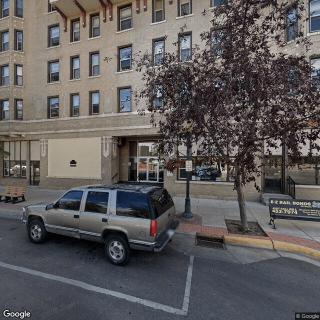
Sage Home

Save
Sage Home

Sage Home

2824 15th Avenue South, Great Falls, MT 59405

For more information about senior living options: (844) 490-3973

4 from 45 reviews
5 stars
31
4 stars
3
3 stars
1
2 stars
0
1 stars
10

Assisted Living

Overall Review of Sage Home

Pros

  • pro The staff and team members are committed to helping residents feel at home and cared for.
  • pro In an environment that demands excellence, the staff step up and do it well.
  • pro BeeHive Home of Great Falls is highly recommended.
  • pro Beehive Homes provide excellent care from admissions to end-of-life, with each resident treated like a beloved family member by compassionate staff.
  • pro The staff are easy to work with.
  • pro BeeHive is more affordable than many ALFs and accepts Medicaid Waiver when openings are available.
  • pro Working with Beehive is a pleasure and easy.
  • pro The staff at BeeHive Pine Tree are caring and very helpful to residents' individual needs.
  • pro The home is very clean, meals are good, and residents feel safe in their surroundings.
  • pro Dani, the Team Leader, keeps families informed of changes or extra needs.
  • pro BeeHive Homes is 100% recommended.
  • pro The care and meals provided are wonderful.
  • pro The management and staff are very concerned about each resident's well-being and care.
  • pro BeeHive provides a great family-friendly home environment with caring staff, yummy food, and great music at special events.
  • pro The facility is close to a medical center.
  • pro The staff are very friendly.
  • pro Events hosted by BeeHive are well planned and fun.

Cons

  • pro The staff reportedly refused to care for a resident with COVID, leaving him in bed with excrement and a food tray left in the room.
  • pro A reviewer warns to steer clear, noting that a loved one required three ambulance rides in three months and the memory care was awful.
  • pro The facility is described as highly understaffed with a high turnover rate, having only two barely-trained workers on shift to cover up to twenty residents.
  • pro The manager Melanie Dixon at Clover and Sage is described as rude and difficult to work with, showing no regard for doctors' notes and leaving coworkers to bear the consequences.
  • pro The memory care is criticized for hiring staff with no medical experience and prioritizing greed over residents' care, with payments over $5,000 monthly.
  • pro The claim is made that the facility takes money, promises what is asked for, and does the opposite.

Review

BeeHive Homes, including the Great Falls location and other BeeHive residences, elicit a wide range of experiences from residents, families, and staff. Across many accounts, there is a strong sense that the company's homes aim to feel like a welcoming, homey place where residents are cared for with warmth and attention. Several reviewers praise the staff for going above and beyond to make residents feel at home, emphasizing compassionate care from admissions through end-of-life, and describing the environment as one where excellence is expected and pursued. People repeatedly highlight the friendly, family-like atmosphere, clean facilities, and the impression that when the facility is running smoothly, residents are treated with dignity and kindness. In particular, several families note that staff members take time to listen, keep families informed, and provide attentive care that makes a real difference in daily life.

On the practical side, there are memories of Beehive being a relatively affordable option within the assisted living spectrum, with some reviewers pointing out that Beehive accepts Medicaid Waiver when openings are available. That financial practicality, combined with the perceived quality of care, leads many to recommend BeeHive Homes to others and to speak highly of specific team members who have earned trust. A number of residents and family members also highlight the importance of staff leadership within the homes. For example, one reviewer singles out a team leader who keeps families updated about changes or additional needs, underscoring how clear communication can ease the caregiving journey. Reviewers also note positive experiences around social events, music, and other activities that contribute to a lively, family-friendly environment. Several stories mention proximity to medical centers and the confidence that care staff provide along with well-planned events that make visits feel meaningful.

There are several glowing personal anecdotes that reinforce the sense of Beehive as a place where loved ones seem safer and happier. A reviewer recounts their mom being cared for in a Mesquite home with kindness and patience, and another describes a spouse visiting multiple times a week and feeling reassured by the level of care and the attentiveness of the team. In some cases, families describe a resident's happiness as a major factor in choosing the home, with one account noting that a parent appeared more content there than at home, which is a powerful sentiment for families seeking trustworthy care. A few reviews go so far as to call BeeHive Homes "the most caring place to be," praising the culture of the staff and the sense of community that develops among residents, families, and caregivers.

However, the picture is not one-sided. A substantial portion of the feedback focuses on serious concerns about staffing and management, painting a more challenging side of the BeeHive experience. Several reviews describe the homes as severely understaffed, with too few workers on shifts to meet the needs of dozens of residents. In these accounts, residents can suffer from delays in care, with caregivers stretched thin and responsible for tasks beyond their training or comfort level. The pace of work and the strain on staff are repeatedly cited, with concerns about turnover and the difficulty of finding consistently trained personnel to provide reliable day-to-day care. Some reviewers point to management challenges, including reported difficulty with working relationships with supervisors, and instances where policies or doctor's notes were not fully respected, according to the accounts of former employees and family members.

One particularly detailed account from an employee alleges that a manager in certain houses was difficult to work with and showed a pattern of disregarding medical restrictions, leading to distress and loss for the employee and her family. This report emphasizes a broader impression of inefficiency and misalignment between leadership and staff on important issues like scheduling, coverage, and adherence to care plans. Other narratives focus on direct caregiving conditions, describing situations where staffing levels left caregivers responsible for multiple residents at once, with consequences such as neglected skin care, more frequent injuries, or delays in routine tasks. There are also explicit claims of high turnover and insufficient training, with some reviewers arguing that personnel on the floor did not have the medical background they expected to ensure optimal care for memory care residents.

Within the mix of experiences, there are also cautions about the variability of care depending on location and management. A few reviewers express a sense of disappointment when comparing their own experiences with the more uniformly positive stories they hear from others, suggesting that results can differ markedly from one BeeHive home to another. One account surrounding the memory care setting highlights a perception of greed and cost-cutting at the expense of quality care, reflecting a concern that the financial demands of care can overshadow the well-being of residents in some circumstances. Another review portrays a picture of insufficient staffing with a critical eye toward the level of staff training and the daily realities of monitoring and supporting a large number of residents.

Overall, the impressions of BeeHive Homes emerge as a landscape of strong, heartfelt praise alongside pointed warnings. For many families, the staff's dedication, the sense of a home-like environment, and the meaningful connections with caregivers represent a hopeful and valuable option for elder care. For others, concerns about staffing levels, managerial responsiveness, and the consistency of care raise questions that warrant careful attention, especially for families evaluating memory care and long-term placement. The best approach for prospective residents and their loved ones is to visit multiple BeeHive locations if possible, ask pointed questions about staffing ratios, training, and care protocols, and seek direct feedback from current residents and families to form a complete picture of what to expect in a specific home. In short, BeeHive Homes can be a very good fit for many, but experiences vary enough that due diligence is essential to determine whether a particular location will meet individual needs and expectations.

Features

Housing

  • 15 resident community capacity 15 resident community capacity

Types of Care

  • Assisted Living Assisted LivingAssisted living facilities provide crucial support and care for seniors who may need help with daily tasks such as medication management, bathing, and meal preparation. These communities offer a safe and comfortable environment where seniors can maintain their independence while receiving the assistance they need to thrive in their golden years.

Amenities

  • Activities on-site Activities on-siteActivities on-site are important for seniors because they provide opportunities for socialization, mental stimulation, physical activity, and overall well-being. Engaging in activities can help seniors stay active, maintain their independence, and improve their quality of life.
  • Beauty salon Beauty salonBeauty salons are important for seniors because they provide a space for them to feel pampered, socialize, and maintain their personal grooming and hygiene. Regular visits to a beauty salon can help boost seniors' self-esteem and overall well-being.
  • Cable or satellite TV Cable or satellite TVCable or satellite TV is important for seniors because it provides entertainment, news, and companionship, helping to combat loneliness and boredom. It also offers a wide range of programming options tailored to different interests and preferences.
  • Devotional services off-site Devotional services off-siteDevotional services off-site are important for seniors as they provide spiritual nourishment, social engagement, and a sense of community outside of the senior living facility. This can enhance overall well-being and help combat feelings of isolation and loneliness often experienced by older adults.
  • Dining room Dining roomDining rooms are important for seniors as they provide a space for socialization, connection, and nutritious meals. They offer opportunities for residents to bond over shared meals, foster a sense of community, and promote healthy eating habits. Dining rooms also ensure that seniors have access to well-balanced meals tailored to their dietary needs and preferences.
  • Fully furnished Fully furnishedFully furnished senior living communities are important for seniors because they provide convenience, comfort, and a hassle-free moving experience. Seniors can easily settle into their new living space without the stress of having to buy and move furniture. This allows them to focus on enjoying their new home and community.
  • Garden GardenGardens are important for seniors as they provide a peaceful and therapeutic environment for relaxation, physical activity, and socialization. Being in nature has been shown to reduce stress, improve mood, and promote overall well-being. Gardens also offer opportunities for seniors to engage in gardening activities, which can improve mobility, flexibility, and cognitive function. Additionally, gardens create a sense of community and connection with others who share a passion for plants and outdoor spaces.
  • Housekeeping services Housekeeping servicesHousekeeping services are important for seniors because they help maintain a clean and safe living environment, promote independence, and reduce the risk of accidents or illnesses. Additionally, having assistance with household chores can alleviate physical strain and allow seniors to focus on other aspects of their well-being.
  • Indoor common areas Indoor common areasIndoor common areas are crucial for seniors as they provide a space for socialization, recreation, and community engagement, promoting overall well-being and reducing feelings of isolation and loneliness.
  • Kitchenette KitchenetteKitchenettes are important for seniors living in senior living communities because they provide the convenience and independence of being able to prepare simple meals and snacks in the comfort of their own living space. This can help promote a sense of autonomy and well-being for seniors, allowing them to maintain some level of control over their dietary choices and daily routines.
  • Move-in coordination Move-in coordinationMove-in coordination is important for seniors because it helps ease the transition into their new living environment. It ensures that all logistics, such as packing, organizing movers, and setting up utilities are taken care of, allowing seniors to focus on settling in and adjusting to their new home. Having a smooth move-in process can alleviate stress and anxiety, making the transition smoother and more enjoyable for seniors.
  • Outdoor space Outdoor spaceOutdoor spaces are important for seniors as they provide opportunities for physical activity, social interaction, exposure to natural light and fresh air, and a sense of connection to nature. Having access to outdoor spaces can improve overall well-being and quality of life for older adults living in senior communities.
  • Restaurant-style dining Restaurant-style diningRestaurant-style dining is important for seniors because it allows them to enjoy delicious, nutritious meals in a social and upscale setting. This enhances their dining experience, promotes healthy eating habits, and fosters socialization with fellow residents, ultimately contributing to their overall well-being and quality of life.
  • Small library Small librarySmall libraries are important for seniors as they provide access to a variety of reading materials, including books, newspapers, and magazines. This can help stimulate their minds, keep them engaged, and provide a sense of community through book clubs and other social activities. Additionally, reading has been shown to improve cognitive function and overall mental well-being in older adults.
  • Telephone TelephoneTelephones are important for seniors as they provide a lifeline for communication with loved ones, emergency services, and healthcare providers. They offer a sense of security and independence, enabling seniors to stay connected and access assistance when needed.
  • Wi-Fi/high-speed internet available Wi-Fi/high-speed internet availableWi-Fi/high-speed internet is important for seniors to stay connected with loved ones, access online resources, and participate in virtual activities to combat feelings of loneliness and isolation. It also allows them to easily manage healthcare needs, access entertainment, and engage in lifelong learning opportunities.

Transportation

  • Great Falls International (5 miles away) Great Falls International (5 miles away)

Care Services

  • 24-hour supervision 24-hour supervision24-hour supervision is important for seniors to ensure their safety, well-being, and access to immediate assistance in case of emergencies or health issues. This constant support provides peace of mind for both seniors and their loved ones, allowing them to age in place with dignity and security.
  • Activities of daily living assistance Activities of daily living assistanceActivities of daily living assistance are important for seniors because they provide essential support with tasks such as eating, bathing, dressing, and mobility. This assistance helps seniors maintain their independence, dignity, and overall quality of life as they age.
  • Ambulatory care Ambulatory care"Ambulatory care services provide essential medical support and treatment to seniors without requiring hospitalization, allowing them to maintain their independence and quality of life while managing chronic conditions or receiving routine medical care."
  • Assistance with bathing Assistance with bathingAssistance with bathing is crucial for seniors as it helps maintain personal hygiene, prevents infections, and ensures their overall well-being and comfort. It also provides a sense of dignity and independence for seniors who may struggle with this task on their own.
  • Assistance with dressing Assistance with dressingAssistance with dressing is important for seniors because it helps maintain their independence, promotes personal hygiene, prevents accidents and injuries, and improves overall quality of life. This service ensures that seniors can continue to dress comfortably and confidently, despite any physical limitations they may have.
  • Assistance with transfers Assistance with transfersAssistance with transfers is crucial for seniors as it helps prevent falls and injuries, maintains their independence, and ensures they can safely navigate their living environment. It also provides peace of mind for both seniors and their loved ones.
  • Diabetes diet Diabetes dietA diabetes diet is crucial for seniors as it helps manage blood sugar levels, reduce risks of complications, and improve overall health and well-being. By following a balanced and nutritious diet tailored to their specific needs, seniors can better control their diabetes and enhance their quality of life.
  • Diabetic care Diabetic careDiabetic care is crucial for seniors as they are more susceptible to developing diabetes due to aging and other health conditions. Proper management of diabetes can help prevent complications such as heart disease, vision loss, and nerve damage, improving the overall quality of life for seniors in senior living communities.
  • Meal preparation and service Meal preparation and serviceMeal preparation and service are crucial for seniors as they may have limited mobility or energy to cook nutritious meals. Having access to healthy and convenient food options can ensure they are getting the proper nutrition needed to maintain their overall health and well-being.
  • Medication management Medication managementMedication management is crucial for seniors to ensure they are taking the right medications at the correct dosages and times. This helps prevent adverse drug interactions, reduces the risk of medication errors, and promotes overall health and well-being. Proactive management also allows for adjustments as needed based on changing health conditions or new prescriptions.
  • Mental wellness program Mental wellness programMental wellness programs are essential for seniors as they promote cognitive stimulation, emotional support, and social engagement. These programs help prevent isolation, depression, and cognitive decline, ultimately enhancing the overall quality of life for older adults.
  • Special dietary restrictions Special dietary restrictionsSpecial dietary restrictions are important for seniors because age-related changes in metabolism and health conditions can make it difficult for their bodies to process certain foods. By following a diet tailored to their specific needs, seniors can maintain their overall health and well-being, manage chronic conditions, and reduce the risk of complications such as malnutrition or food interactions with medications.

Dining

  • Diabetes diet Diabetes dietA diabetes diet is crucial for seniors as it helps manage blood sugar levels, reduce risks of complications, and improve overall health and well-being. By following a balanced and nutritious diet tailored to their specific needs, seniors can better control their diabetes and enhance their quality of life.
  • Meals provided Meals provided"Meals provided" are crucial for seniors in assisted living communities as it ensures they have access to nutritious, balanced meals without the stress of meal planning and preparation. This can help promote overall health and well-being for seniors who may have limited mobility or cognitive abilities.
  • Special dietary restrictions Special dietary restrictionsSpecial dietary restrictions are important for seniors because age-related changes in metabolism and health conditions can make it difficult for their bodies to process certain foods. By following a diet tailored to their specific needs, seniors can maintain their overall health and well-being, manage chronic conditions, and reduce the risk of complications such as malnutrition or food interactions with medications.

Activities

  • Activities on-site Activities on-siteActivities on-site are important for seniors because they provide opportunities for socialization, mental stimulation, physical activity, and overall well-being. Engaging in activities can help seniors stay active, maintain their independence, and improve their quality of life.
  • Community-sponsored activities Community-sponsored activitiesCommunity-sponsored activities are important for seniors as they provide opportunities for social interaction, mental stimulation, and physical activity. These activities can help improve overall well-being, combat loneliness and isolation, and promote a sense of belonging and purpose among older adults.
  • Devotional activities offsite Devotional activities offsiteDevotional activities offsite are important for seniors because they provide social engagement, spiritual growth, and a sense of community outside of their living environment. This can improve overall well-being, mental health, and combat feelings of isolation or loneliness.
  • Resident-run activities Resident-run activitiesResident-run activities are important for seniors as they encourage social interaction, creativity, and a sense of autonomy. These activities empower seniors to stay engaged and active in their community while fostering meaningful connections with their peers.
  • Scheduled daily activities Scheduled daily activitiesScheduled daily activities are important for seniors because they provide structure, socialization, mental stimulation, and physical activity. Engaging in regular activities can improve overall well-being and quality of life for seniors living in a community setting.

Description

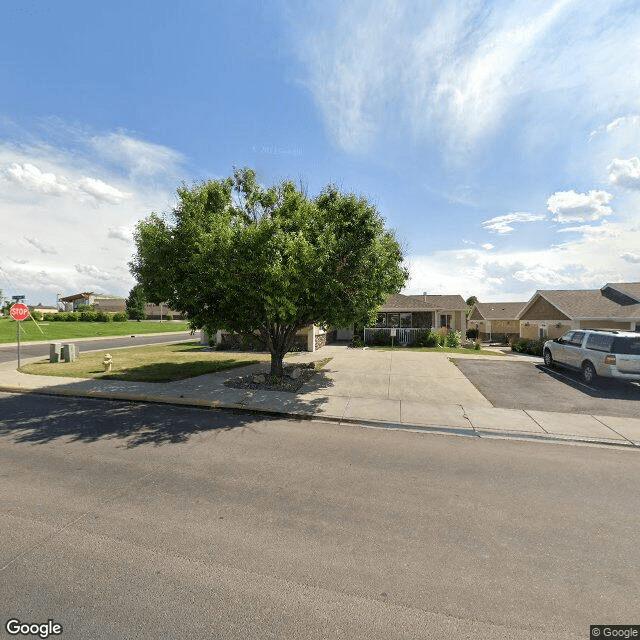
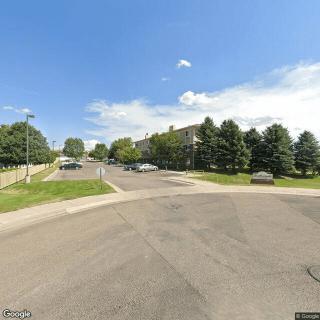
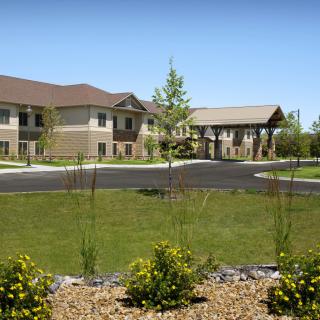
Sage Home is an assisted living community located in the peaceful and picturesque city of Great Falls, MT. Our community offers a wide range of amenities and care services to ensure our residents enjoy a comfortable and fulfilling lifestyle.

Our beautifully furnished apartments provide residents with a cozy and inviting space to call their own. Each apartment includes cable or satellite TV, Wi-Fi/high-speed internet, and a telephone for convenient communication. Residents can relax in our indoor common areas or take advantage of the outdoor space to enjoy the fresh air and beautiful surroundings.

Meals at Sage Home are a special occasion, with restaurant-style dining offered in our elegant dining room. Our talented chefs prepare delicious meals that cater to residents' dietary restrictions and preferences. For those who need assistance with daily activities such as bathing, dressing, or transferring, our compassionate staff is available around the clock.

We understand the importance of social engagement and offer a variety of community-sponsored activities and resident-run activities for our residents to enjoy. From exercise classes to games to outings in the local area, there is always something fun happening at Sage Home. Off-site devotional activities provide spiritual enrichment for those who desire it.

In addition to providing excellent care services, we also prioritize convenience for our residents. There are nine cafes, six parks, eight pharmacies, 28 physicians, 26 restaurants, two transportation options, 15 places of worship within close proximity to our community. This makes it easy for residents to access all the amenities and services they may need.

At Sage Home in Great Falls, MT we strive to provide personalized care in a warm and welcoming environment. With our range of amenities and care services available, we aim to enhance the quality of life for all our residents while promoting their independence and well-being.

Nearby Places of Interest

This part of Great Falls, Montana, offers a convenient and accessible location with a variety of essential amenities nearby. With several hospitals and healthcare facilities within close proximity, residents can rest assured that their medical needs will be met promptly. Additionally, there are numerous pharmacies in the area for easy access to medications and health supplies. For leisure and dining options, there are cafes and restaurants serving a range of cuisines, as well as parks for outdoor recreation. Places of worship are also available for spiritual enrichment. Overall, this neighborhood provides a well-rounded community for seniors looking for a comfortable and supportive environment in which to reside.

Hospitals

  • Great Falls Clinic Surgery Center (0.1 miles)
  • Benefis Healthcare Foundation (0.2 miles)
  • Benefis Health System (0.2 miles)
  • Benefis West Campus (1.3 miles)
  • Great Falls Orthopedic Associates (1.4 miles)
  • Benefis Healthcare (1.9 miles)

Physicians

  • Great Falls Clinic Immediate Care (0.1 miles)
  • Oral & Maxillofacial Surgery (0.1 miles)
  • Great Falls Clinic (0.1 miles)
  • Great Falls Holistic (0.1 miles)
  • Sorensen Tyler Kent Md Sorensen Tyler Kent Md Great Falls (0.1 miles)
  • Benefis Sletten Cancer Institute (0.2 miles)
  • Dale Schaefer, MD (0.2 miles)

Pharmacies

  • Clinic United Pharmacy (0.1 miles)
  • Plaza United Pharmacy (0.2 miles)
  • Walgreens (0.6 miles)
  • Albertsons Pharmacy (0.6 miles)
  • Spectrum Home Solutions (0.6 miles)
  • CVS Pharmacy (0.8 miles)
  • Snyder Drug (1.6 miles)

Cafes

  • Starbucks (0.4 miles)
  • Starbucks (0.6 miles)
  • Morning Light Coffee Roasters (1 miles)
  • Starbucks (1.6 miles)
  • True Brew Espresso (1.9 miles)
  • Morning Light Coffee Roasters (2 miles)
  • Brian's Top Notch Cafe (2 miles)

Restaurants

  • Playground Lounge and Casino (0.5 miles)
  • Noodle Express (0.5 miles)
  • Sonic Drive-In (0.7 miles)
  • Taco Treat (0.7 miles)
  • Charlie's Restaurant (0.8 miles)
  • McDonald's (1 miles)
  • Jakers Bar and Grill (1.2 miles)

Places of Worship

  • Peace Lutheran Church (0.5 miles)
  • Faith Lutheran Church (0.8 miles)
  • First Church of the Nazarene (1.3 miles)
  • Currents Youth & Young Adults (1.4 miles)
  • Christs Church of Great Falls (1.4 miles)
  • Holy Spirit Catholic Parish (1.6 miles)
  • First Presbyterian Church (1.7 miles)

Parks

  • Rainbow Falls (0.7 miles)
  • Sunnyside Park (1.1 miles)
  • Pinski Park (1.6 miles)
  • Everlasting Memories (1.6 miles)
  • Heren Park (1.9 miles)
  • Carter Park (2.2 miles)

Transportation

  • Groves Taxidermy and Firearms (1.7 miles)
  • Waylon's Wildlife Taxidermy (2 miles)

Frequently Asked Questions

Where is Sage Home?

Nearby Communities

Related Resources

  • assisted living for disabled adultsComprehensive Residential Support and Assisted Living Solutions for Individuals with Disabilities

    The article examines the complexities of assisted living for individuals with disabilities, emphasizing the need for tailored care solutions that enhance quality of life and social inclusion, while addressing financial challenges and advocating for community integration. It discusses various housing options, the importance of financial assistance through public benefits, and highlights trends towards integrated and technology-driven solutions in disability-focused housing.

  • assisted living for disabled adultsComprehensive Supportive Living Arrangements for Adults with Disabilities

    Assisted living for adults with disabilities has transformed to provide personalized care and support services aimed at improving residents' quality of life while balancing independence and assistance. However, low-income individuals often face challenges in affording these services, requiring navigation of various financial resources and advocacy for better policies and solutions.

  • how to pay for assisted livingFunding and Affording Assisted Living: A Thorough Overview

    Assisted living facilities provide support for older adults needing help with daily activities without extensive medical care, but their costs can be high and vary by location and services offered. Families often seek various funding options and financial strategies to manage these expenses effectively while considering future needs and potential price increases.