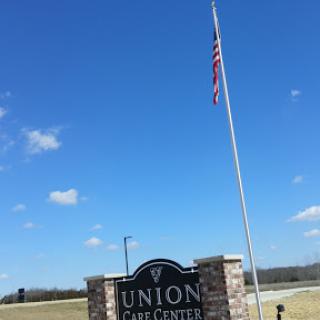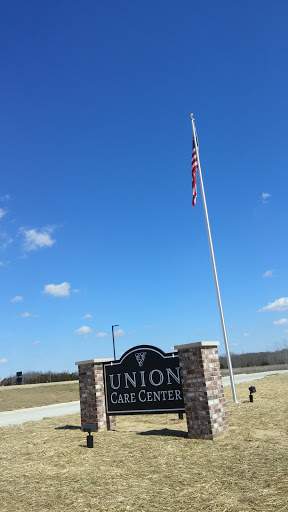

1080 Marie Lane, Union, MO 63084
For more information about senior living options: (866) 208-4318
Overall Review of Union Care Center
Pros
 The staff are very kind and treat residents like family.
- The entire staff is fabulous, loving, and like a family.
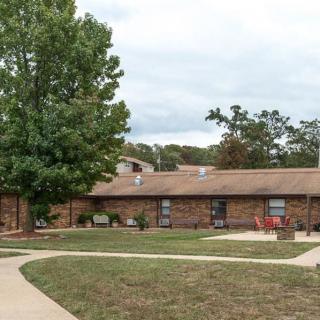
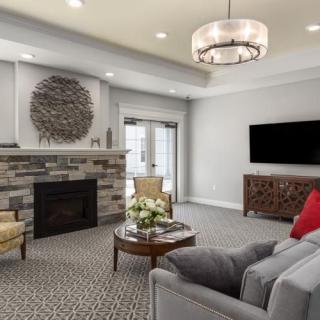
- The facility is beautiful, well-maintained, and welcoming.
- Management is compassionate and caring toward both residents and staff.
- The front desk, therapy, and nursing care provide warm greetings and attentive service.
- The CNA team and on-site leaders go above and beyond to support residents.
- The new facility includes physical therapy with a whirlpool and has friendly staff.
- Union Care Center is a beautiful facility with caring, knowledgeable staff who are always willing to help.
Cons
 The facility is described as a joke, with staff not showing up on time for shifts and upper management lacking respect and failing to do their jobs.
- They promise constant checkups but leave residents in wheelchairs in the hallway for hours without proper care, blaming short staffing; they are called con artists.
- The staff are unfriendly and rude, and the facility seems focused on upper management, with residents punished for speaking up.
- The facility has poor security and cannot keep residents inside, allowing a resident to walk right out the front door.
- It is described as a horrible place with overworked and underpaid staff.
- During the pandemic, care was questionable and visits were blocked, with concerns reported to the state; families are advised to stay away.
- They attempted to bill extra after payment in full, which led to strong caution to stay away.
- Residents reportedly received cold meals on multiple occasions.
Review
Union Care Center in Union, MO is best suited for families seeking a small, hands-on, home-like environment where the care team feels accessible and genuinely involved with residents. The strongest testimony comes from families who praise a warm, normal-feeling facility, where staff introductions happen promptly and care feels personal rather than transactional. In this setting, clinicians, CNAs, and therapy teams are often described as compassionate and family-minded, and administrators who roll up sleeves to help on the floor are repeatedly highlighted as a real asset. For short-term rehab or postsurgical recovery, the sentiment is that residents receive attentive attention and that the atmosphere supports a smoother healing process. The caveat is that the same praise coexists with a spectrum of negative experiences, signaling that outcomes depend heavily on individual shifts, leadership moments, and the specific unit where a resident lands.
Those considering alternatives should weigh the risks of uneven day-to-day reliability against the potential for highly personalized care. Families that insist on rock-solid staffing consistency, predictable scheduling, and transparent, proactive communication from leadership may find this community falls short at times. Several reviewers flag issues around staffing levels, punctuality, and upper-management responsiveness, which can translate into longer waits for care, slower response times, or perceived gaps in supervision. If a facility’s stability, clear billing practices, and steady escalation of concerns are non-negotiables, it would be prudent to compare Union Care Center with other local options that advertise higher on-level staffing ratios and more uniform administrative oversight. In short, this is a facility where genuine care can exist alongside notable organizational fragility.
The positives here, strong on-floor presence from nurses, a culture of listening, and a sense of belonging, are meaningful counterweights to the main drawbacks. Several reviews describe nurses and CNAs who introduce themselves, greet families warmly, and treat residents like family, not merely patients. Administrators and DONs who are seen on the floor, willing to help with difficult tasks, and able to advance practical improvements when concerns arise represent a real differentiator. The building itself is repeatedly praised as well-kept and aesthetically pleasing, with practical features like a whirlpool-equipped rehab program noted in newer references. For families seeking a facility where the care team is approachable and the care plan can be adjusted with a listening ear, these practical, people-centered strengths can make a meaningful difference in daily life and overall satisfaction.
Another core strength is the facility’s rehabilitation emphasis, which seems to connect residents with a supportive therapy environment and a collaborative team that tries to align rehabilitation goals with family expectations. When operations run smoothly, feedback from loved ones points to timely therapy sessions, consistent nursing attention, and constructive communication about progress and needs. The sense that staff are highly invested in outcomes, coupled with the ability to get questions answered at the front desk or by the therapy team, creates a credible pathway to meaningful recovery or maintenance of functional independence. In facilities measured by relational quality, such elements often determine whether a resident can regain independence or whether a family feels confident in placing a loved one there for the long term.
Yet the darker contours of the picture cannot be ignored. The most troubling reports allege overworked, underpaid staff, and a leadership layer perceived as distant or punitive when concerns are raised. Pervasive accusations of unreliable shifts, short-staffed floors, and inconsistent enforcement of care standards create real anxiety about safety and quality of life. Security concerns, such as residents able to exit without immediate intervention, underscore the need for robust protocols and vigilant supervision. Billing friction also appears in several accounts, with families describing surprises or disputes over charges that undermine trust in the financial aspects of care. Taken together, these patterns suggest a facility at risk of uneven performance: when staffing or leadership falters, the benefits of a warm, family-forward culture may not be enough to shield residents from negative experiences.
The bottom line is practical and decisive. Union Care Center can be a strong fit for families prioritizing a warm, personable environment with hands-on staff and a rehab-oriented plan, particularly if the resident responds well to close-knit care and visible leadership on the floor. For those who require consistent staffing, transparent operations, and unwavering administrative accountability, caution is warranted and alternative communities should be compared. Before making a decision, prospective families should request a direct tour focused on staffing patterns, speak with the on-floor nurse manager, and review recent state inspection reports. Ask about staff-to-resident ratios by shift, how call bells are managed during peak times, and what escalation procedures exist for care concerns. Also verify billing practices in writing and seek current family references to gauge whether the day-to-day experience aligns with the most encouraging reviews rather than the most troubling ones. In the right circumstances, Union Care Center delivers noteworthy warmth and practical care; in others, the risks outweigh the benefits, making alternatives a smarter, safer choice.
 60 resident community capacity
 Skilled Nursing Facility
 Air-conditioning
 Beauty salon
 Cable or satellite TV
 Computer center
 Dining room
 Fitness room
 Fully furnished
 Gaming room
 Garden
 Housekeeping services
 Kitchenette
 Move-in coordination
 Outdoor space
 Private bathrooms
 Restaurant-style dining
 Small library
 Telephone
 Wellness center
 Wi-Fi/high-speed internet available
 Community operated transportation
 24-hour call system
 Activities of daily living assistance
 Assistance with bathing
 Assistance with dressing
 Assistance with transfers
 Diabetes diet
 Medication management
 Special dietary restrictions
 Concierge services
 Planned day trips



 Comprehensive Approaches for Arthritis: A Detailed Guide to Symptoms, Causes, and Care
 Comprehensive Insights and Practical Strategies to Help Older Adults Avoid Falls
 6 Crucial Ways an Elder Law Attorney Assists Families