For more information about senior living options: (866) 208-4318
3.8 from 45 reviews
5 stars
26
4 stars
6
3 stars
2
2 stars
2
1 stars
9
St. Clair Nursing Center Costs & Pricing
St. Clair Nursing Center offers competitive pricing for its room types, with a semi-private room costing $4,697 per month. This amount is notably higher than the average cost in Franklin County, which is $3,472, as well as the state average of $3,772. For private rooms, St. Clair aligns with the local market at a rate of $5,032, significantly surpassing Missouri's average cost of $4,483. These figures reflect the center's commitment to providing high-quality care and amenities that may contribute to its elevated pricing relative to both county and state averages.
Floor plans
St. Clair Nursing Center
Franklin County
Missouri
Semi-Private
$4,697
$3,472
$3,772
Private
$5,032
$5,032
$4,483
Overall Review of St. Clair Nursing Center
differentiator6 reviews mention this
Rehabilitation and therapy stand out
Residents describe meaningful rehab and therapy support for recovery goals.
Multiple reviews mention rehabilitation or therapy as a key reason they felt things were going well during a stay. Some residents describe returning home after restoration care, while others specifically call out good therapy and a trained rehabilitation team. A few reviews also note that therapy time could be limited compared with expectations.
common5 reviews mention this
Clean, well-kept environment
Reviews repeatedly highlight a clean, well-maintained facility.
Several reviewers describe the building as clean and well cared for. A few also reference the absence of an unpleasant nursing-home smell, and others mention the facility looks well managed. Even reviews that were otherwise critical still describe the facility appearance in a generally positive way.
common3 reviews mention this
Food quality gets mixed notes
Dining quality is talked about, with both praise and acceptable remarks.
Some residents and families call the food excellent, while others describe it as decent. At least one review also notes that food is pretty decent even though other parts of the stay were frustrating. Overall, dining comes up often enough to be a consistent talking point, but not everyone rates it the same.
caveat4 reviews mention this
Staffing strain affects care timing
Reviews raise concerns about understaffing and delayed help.
A recurring criticism is staffing shortages that affect how quickly residents get help. Reviews mention long waits to receive assistance (including bathroom help, pain medicine, or transfers) and describe call lights not being answered promptly. Some reviewers also connect staffing strain to incomplete therapy and neglect-related issues.
How we summarize
Counts show how many written reviews mention each theme; a review can touch several themes, and only frequently mentioned themes are displayed.
Features
Housing
79 resident community capacity
Types of Care
Skilled Nursing Facility
Pets
Cats allowed
Dogs allowed
Amenities
Activities off-site
Activities on-site
Air-conditioning
Beautician on-site
Beauty salon
Cable or satellite TV
Computer center
Devotional services off-site
Devotional services on-site
Dining room
Fitness room
Fully furnished
Gaming room
Garden
Housekeeping services
Indoor common areas
Kitchenette
Move-in coordination
Outdoor common areas
Outdoor space
Private
Private bathrooms
Respite or short term stays offered
Restaurant-style dining
Small library
Telephone
Wellness center
Wheelchair accessible showers
Wi-Fi/high-speed internet available
Transportation
Community operated transportation
Transportation arrangement
Transportation arrangement (non-medical)
Care Services
12-16 hour nursing
24-hour call system
24-hour supervision
Activities of daily living assistance
Assistance with bathing
Assistance with dressing
Assistance with transfers
Diabetes diet
High acuity care
Incontinence care
Meal preparation and service
Medication management
Mental wellness program
Special dietary restrictions
Transportation to doctors appointments
Dining
Diabetes diet
Meals provided
Special dietary restrictions
Vegetarian
Activities
Activities off-site
Activities on-site
Community-sponsored activities
Concierge services
Devotional activities offsite
Devotional activities on-site
Fitness programs
Planned day trips
Resident-run activities
Scheduled daily activities
Nearby Places of Interest
Pharmacies
Medicine Shoppe (0.1 miles)
Sinks Pharmacy - St Clair (0.2 miles)
Health Mart Pharmacy (0.2 miles)
St Clair Rexall Drug Store (0.2 miles)
CVS Pharmacy (5.9 miles)
Shop 'n Save (5.9 miles)
Heartland Discount Pharmacy (6 miles)
Places of Worship
Church Of Christ (0.3 miles)
Real Life Church (0.4 miles)
Roots (0.6 miles)
St Clare Catholic Church (1.1 miles)
Saint John Ucc (1.3 miles)
Assembly Of God Church (1.8 miles)
Canaan Land Ministries (1.9 miles)
Restaurants
McDonald's (0.3 miles)
Taco Bell (0.3 miles)
Burger King (0.4 miles)
Dana's Shaved Ice (0.5 miles)
Beckies Depot (0.7 miles)
Tres Torritos (1.2 miles)
Shannon Foundation (4.1 miles)
Transportation
St Clair Regional Airport-K39 (0.3 miles)
U-Haul Neighborhood Dealer (1.9 miles)
Alamo (12.4 miles)
Parks
St Clair Parks Maintenance (0.6 miles)
Veterans Memorial Park (4.8 miles)
Clark Vitt Memorial Park (6.7 miles)
Robertsville State Park (9.8 miles)
Phoenix Park (12.1 miles)
MacArthur Park (13.2 miles)
Parks & Recreation Department (13.2 miles)
Cafes
Lewis Cafe (0.8 miles)
Exit 11 Coffee Drive-Thru (5.1 miles)
White Rose Cafe (6.2 miles)
Scudder & Co. Coffee (13.1 miles)
Exit 11 Workspace & Coffee House (13.2 miles)
Starbucks (13.2 miles)
Theaters
Great 8 Cinema (4.8 miles)
Cinema 1 Plus (12.5 miles)
Physicians
Saint John Mercy Medical Building (5 miles)
Mercy Convienent Care (5 miles)
Laura Ellen Lasack (5 miles)
Mercy Medical Arts (5 miles)
Clarkson Eyecare (5.2 miles)
Professional Hearing Center (6.1 miles)
Clarkson Eyecare (12.4 miles)
Hospitals
St John's Mercy Hospital Specialist Suite (5 miles)
St. Clair Nursing Center offers competitive pricing for its room types, with a semi-private room costing $4,697 per month. This amount is notably higher than the average cost in Franklin County, which is $3,472, as well as the state average of $3,772. For private rooms, St. Clair aligns with the local market at a rate of $5,032, significantly surpassing Missouri's average cost of $4,483. These figures reflect the center's commitment to providing high-quality care and amenities that may contribute to its elevated pricing relative to both county and state averages.
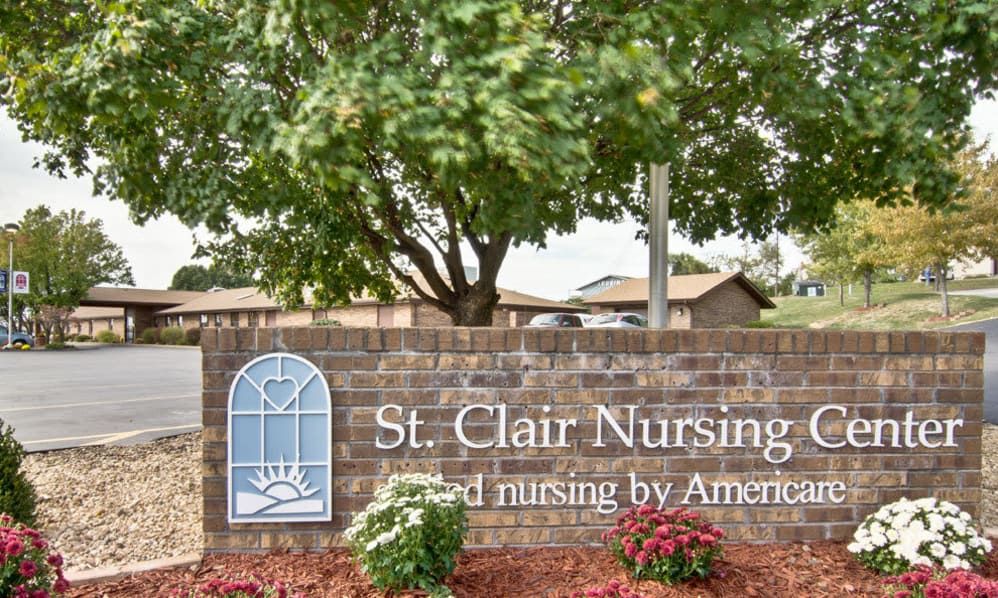
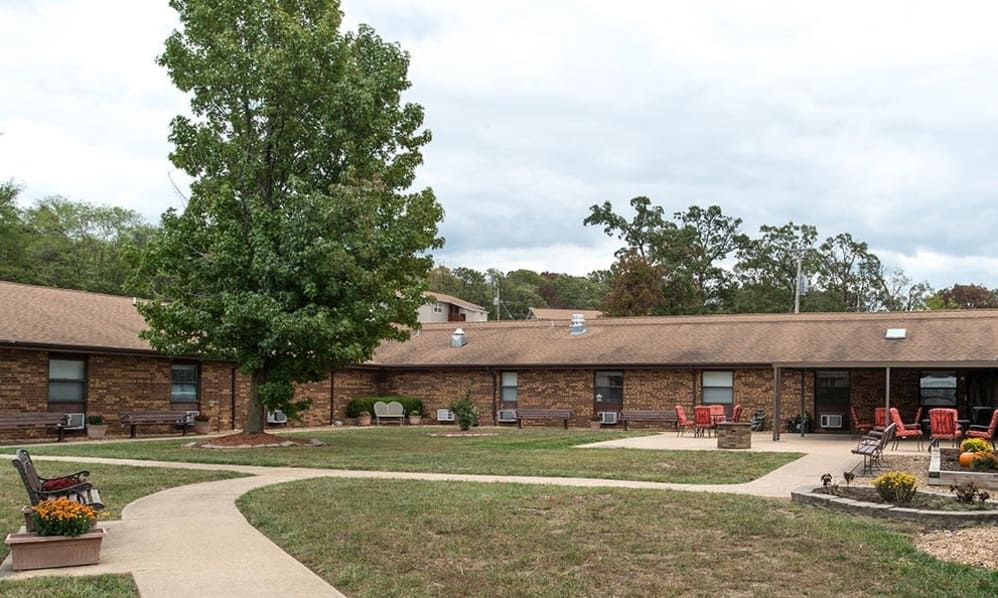
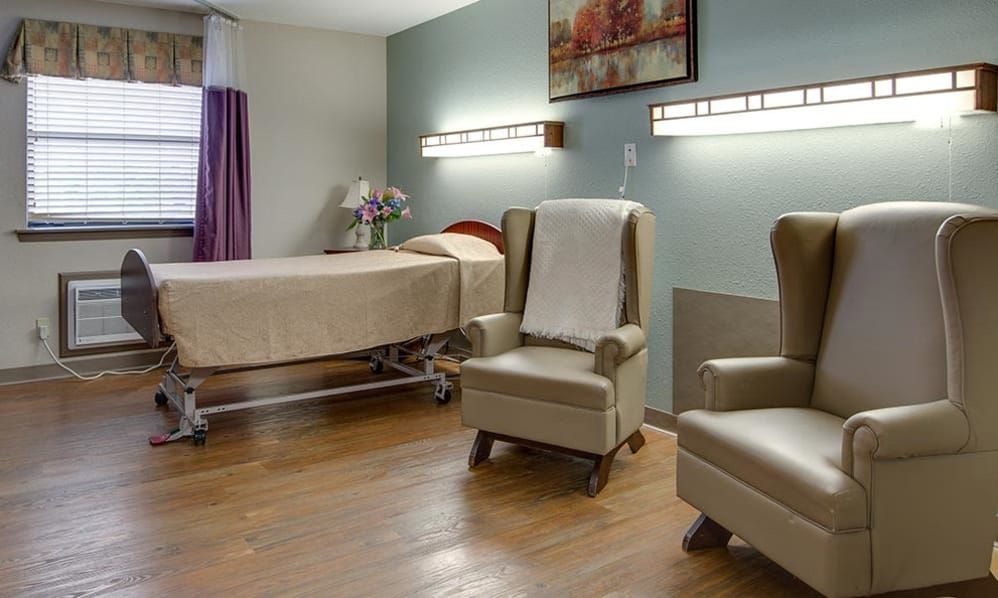
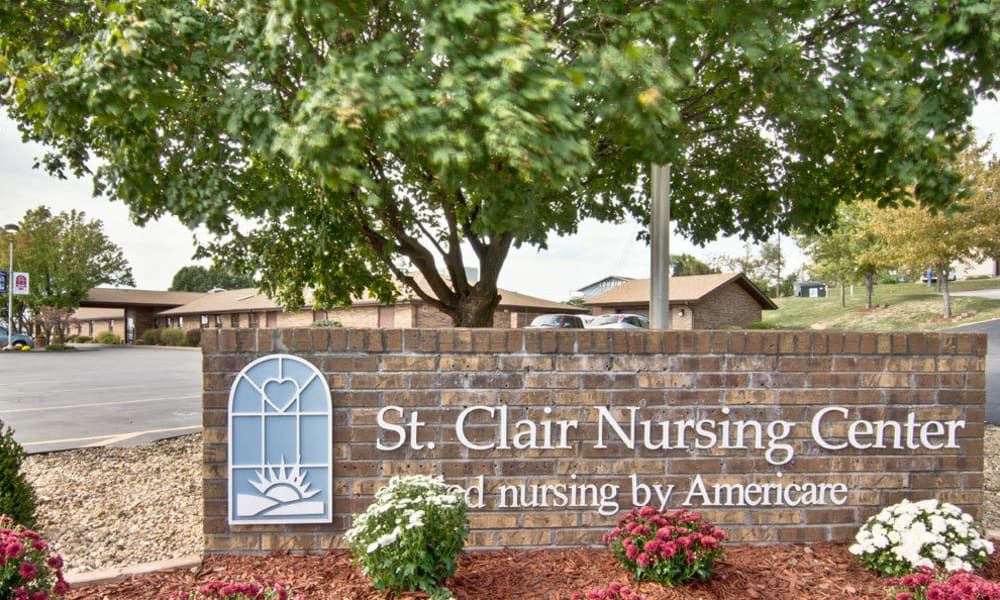
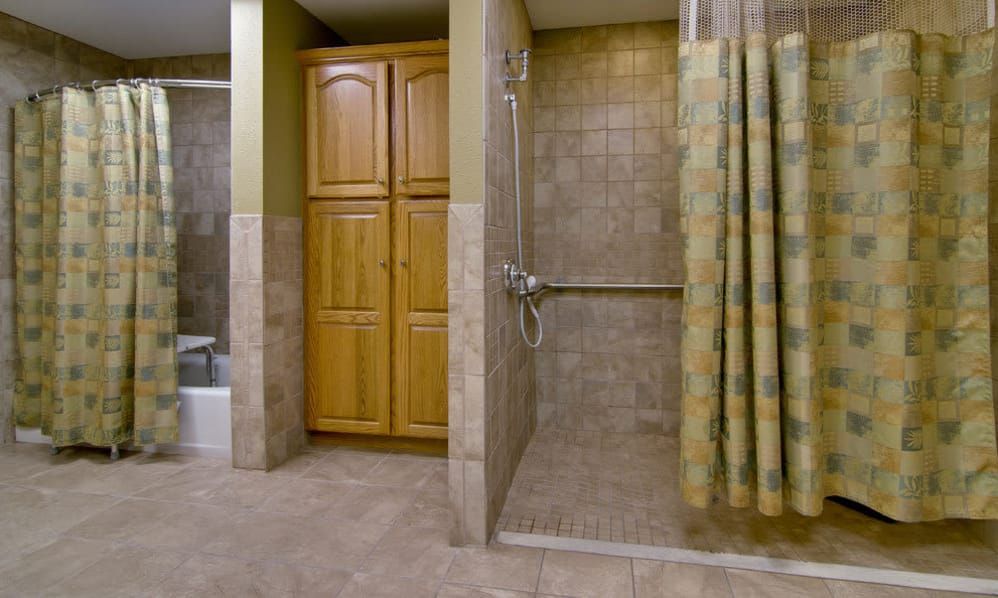
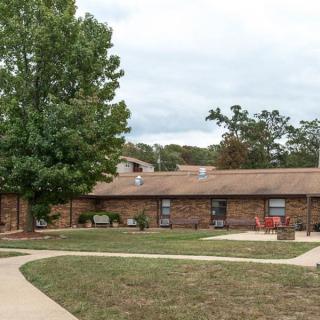
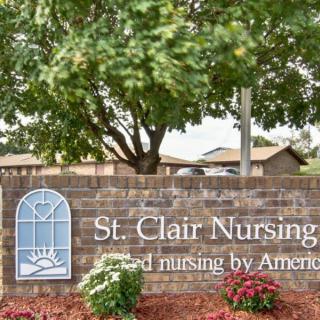
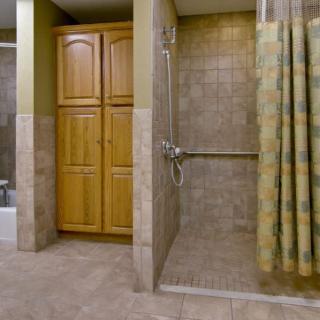
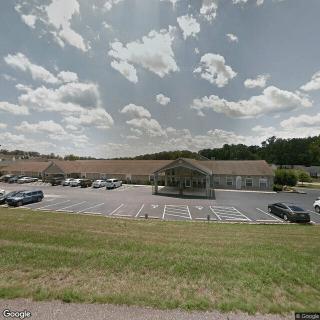
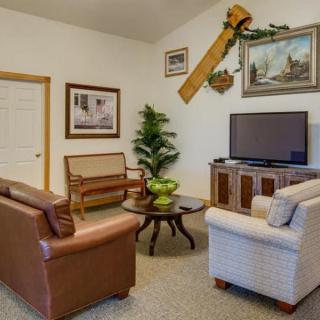
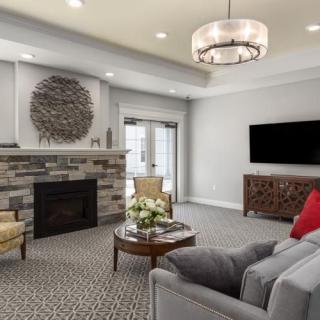
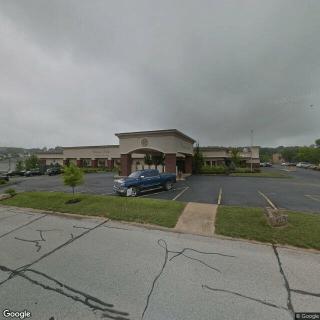
St. Clair Nursing Center on seniors.fyi includes 6 photos including images showing building, tree, landscaping, interior, nursing home, brick wall, bathroom, brick, and more.
Nearby Communities
Cherry Creek Estates
St. Clair, MO
3.2 from 6 reviews
Serene, tranquil setting with ample nearby amenities (dining, parks, healthcare, transportation, worship, and entertainment).
Crabapple Village Senior Estates
Saint Clair, MO
3 from 15 reviews
Respite care with 24/7 supervision and extensive amenities.
Crab Apple Village Senior Estates
St. Clair, MO
3.3 from 20 reviews
Friendly, attentive staff; homey, well-maintained environment with engaging on-site activities.
Victorian Place Of St. Clair
Saint Clair, MO
4.6 from 12 reviews
$2,288 to $2,959 / month
Caring staff, comfortable apartment-style living, and engaging activities at competitive pricing.
Union Care Center
Union, MO
3.7 from 35 reviews
Comprehensive amenities and 24/7 supervision.
Victorian Place of Union
Union, MO
4.5 from 11 reviews
$2,470 to $3,265 / month
Excellent 24/7 care with attentive staff and comfortable private rooms
Oak Pointe Of Washington
Washington, MO
4.6 from 33 reviews
Engaging memory-care community with friendly staff, spacious rooms, and social activities.
Bristol Manor - Pacific
Pacific, MO
3 from 22 reviews
Fully furnished apartments with restaurant-style dining and 24/7 supervision.
Victorian Gardens
Eureka, MO
4.8 from 56 reviews
$2,200 to $4,100 / month
Dedicated staff in a warm, home-like community with engaging activities.
The guide outlines the eligibility criteria for home health care services, emphasizing clinical requirements, insurance options, and application processes. It distinguishes between Medicare's strict and Medicaid's flexible qualifications while addressing challenges families may face in securing necessary care at home.
Elder abuse affects many older adults worldwide and includes physical, emotional, neglectful, and financial harm, with about one in six individuals over 60 experiencing abuse annually. Prevention and intervention strategies focus on awareness, support for caregivers, and mandatory reporting, while recovery necessitates comprehensive support for both physical and emotional needs.
The guide details ten essential responsibilities of senior caregivers, including personal care, mobility assistance, medication management, and emotional support, while emphasizing the importance of safety, nutrition, and maintaining a safe living environment to enhance seniors' quality of life and independence.
Get PricingAsk A QuestionSchedule A TourContact Senior Advisor
By clicking submit, you agree to our Partner's Terms of Use. You
also consent to receive calls and texts, which may be autodialed, from our Partner. Your consent is not a condition to
using our Partner's service. Please visit our Partner's Privacy Policy for information about their privacy practices.

 79 resident community capacity
 Skilled Nursing Facility
 Cats allowed
 Dogs allowed
 Activities off-site
 Air-conditioning
 Beautician on-site
 Cable or satellite TV
 Computer center
 Devotional services off-site
 Dining room
 Fitness room
 Fully furnished
 Gaming room
 Garden
 Housekeeping services
 Indoor common areas
 Kitchenette
 Move-in coordination
 Outdoor common areas
 Private
 Private bathrooms
 Respite or short term stays offered
 Restaurant-style dining
 Small library
 Telephone
 Wellness center
 Wheelchair accessible showers
 Wi-Fi/high-speed internet available
 Community operated transportation
 12-16 hour nursing
 24-hour call system
 Assistance with bathing
 Assistance with dressing
 Assistance with transfers
 Diabetes diet
 High acuity care
 Incontinence care
 Medication management
 Mental wellness program
 Special dietary restrictions
 Concierge services
 Planned day trips
 Serene, tranquil setting with ample nearby amenities (dining, parks, healthcare, transportation, worship, and entertainment).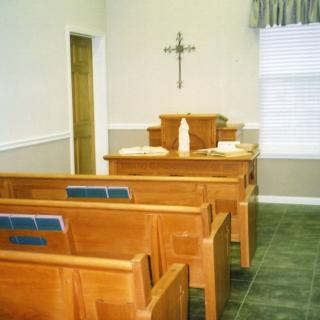


 Comprehensive Guide to Qualifying for Home Health Care Services
 Powerful Realities of Elder Abuse and the Most Effective Ways to Report It
 Ten Vital Duties of a Senior Caregiver: A Comprehensive Guide