
214 Hartman Placesuite 100, Saint Clair, MO 63077
For more information about senior living options: (866) 208-4318
Overall Review of Crabapple Village Senior Estates
Pros
 The residents brighten the staff’s day.
- The reviewer feels truly blessed.
- Crabapple Village is described as one of the nicest assisted living centers, incredibly clean, with knowledgeable staff, and amazing food.
- The place is beautiful, and the reviewer hopes their own family could be there someday.
Cons
 The staff allegedly forced workers to work while they had Covid, causing a floorwide outbreak.
- They allegedly confiscated the resident’s medicines, credit cards, debit cards, and insurance cards and never returned them.
- They allegedly pressured the family to pay thirty days of rent despite the missing belongings and meds.
- They allegedly neglected wound care, allowing bandages to go unchanged and infections to worsen.
- They allegedly sent the resident to the hospital and would not allow return until fully recovered and able to walk unassisted.
- They allegedly claimed ongoing pharmacy charges after taking the meds and not returning them.
- The owner is described as being in it for money and not for families.
- The facility is described as dangerous, unsafe, unprofessional, and unqualified, with patients wandering halls at night.
Review
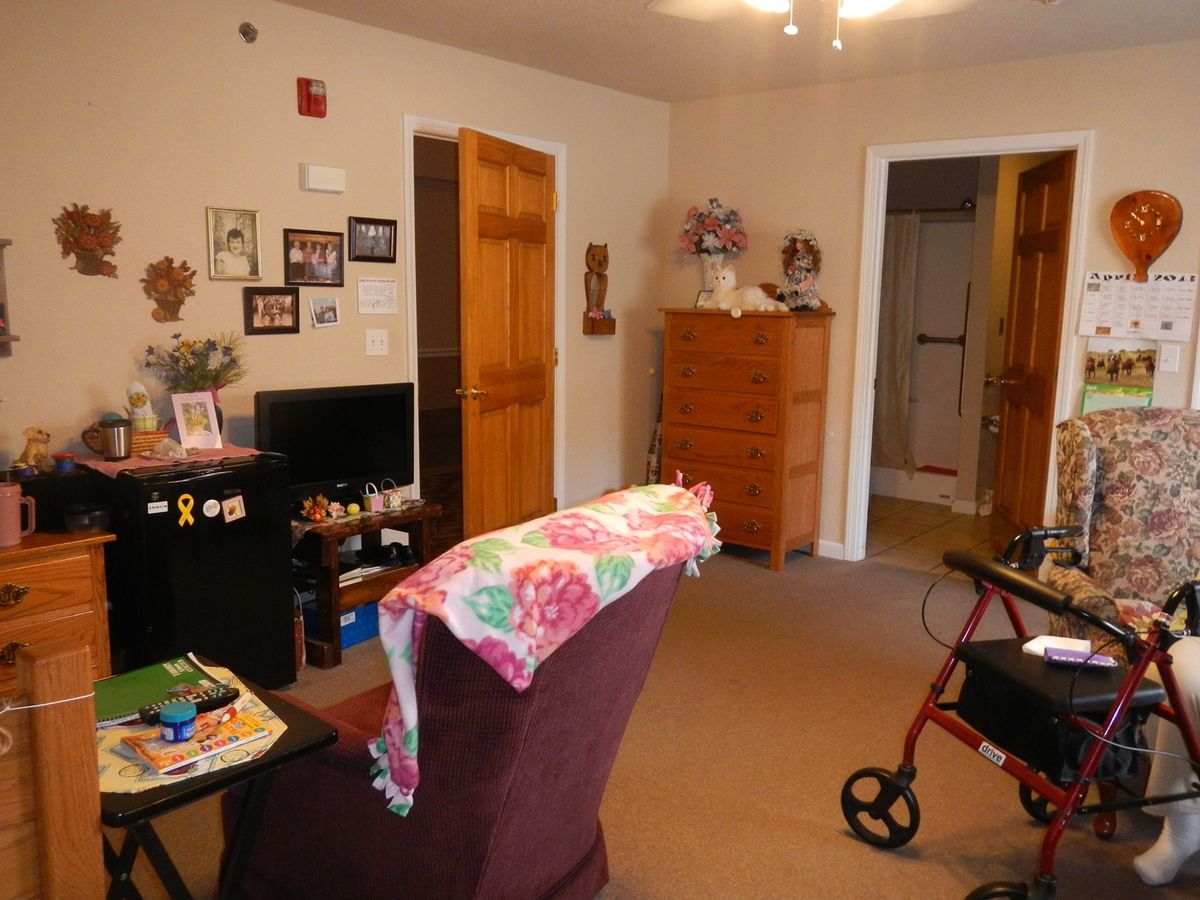
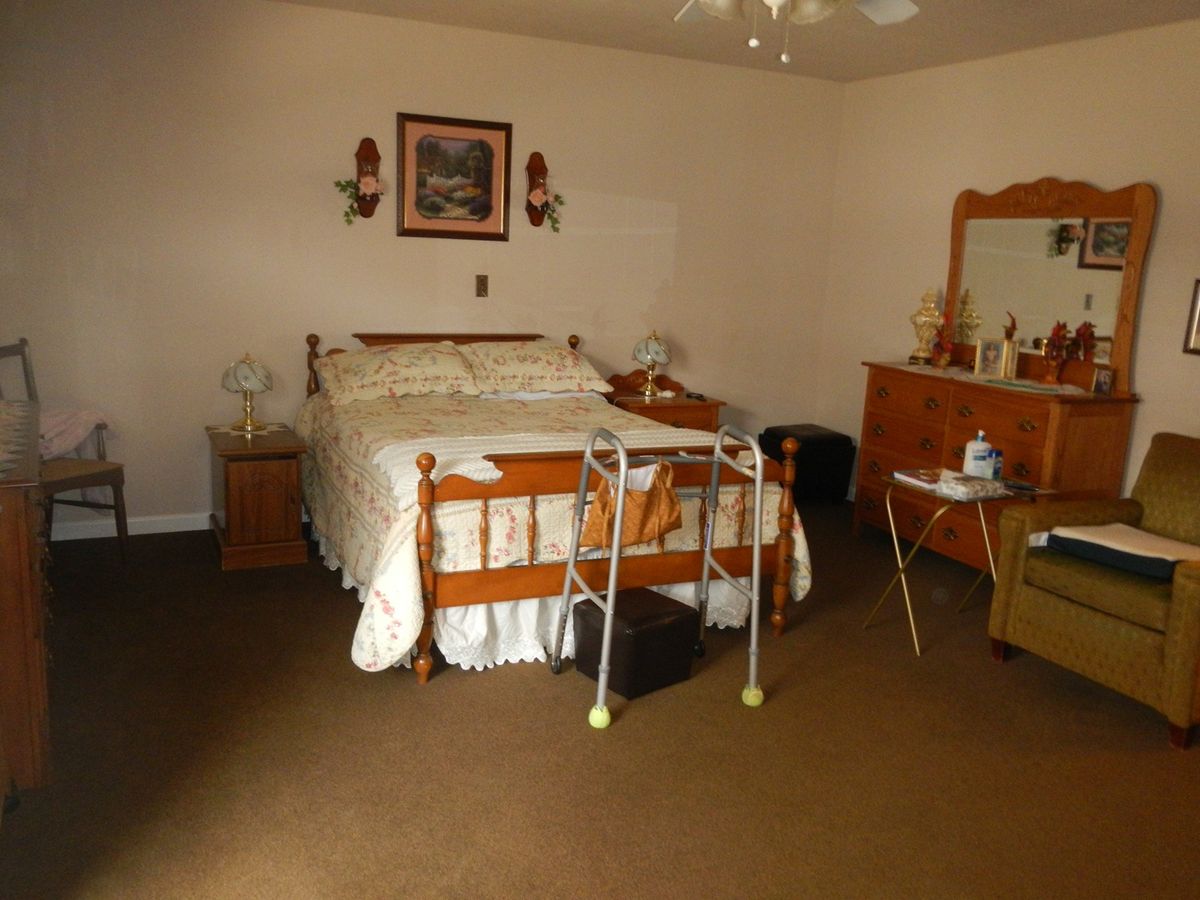
Crabapple Village Senior Estates in Saint Clair, MO is best suited for families that prize a bright, well-kept environment, solid dining experiences, and residents who appear engaged and sociable. It works for seniors who can thrive with attentive staffing, clean facilities, and a calm, presentable atmosphere where everyday routines feel predictable and comfortable. However, those whose loved ones require stringent safety oversight, rigorous medical management, or airtight protections against financial exploitation should consider alternatives. The community’s reputation on safety and accountability is inconsistent, and families should be prepared to confront stumbles in care, transparency, and safeguarding that can undermine peace of mind.
On the plus side, several observers credit Crabapple Village with a high-quality physical setting and staff expertise. The facility is described as notably clean, with knowledgeable caregivers and meals that consistently impress. Residents’ social interactions are cited as a bright spot, contributing to a sense of community and daily purpose. In environments like this, the ambiance and the culinary standard can meaningfully elevate everyday life, especially for those who thrive on routine and social engagement. When these conditions align, families report moments of genuine positivity and warmth that can be hard to find in more utilitarian settings.
Yet the most serious concerns cast long shadows over these positives. A troubling cluster of allegations centers on mishandling of personal belongings and finances, including claims that valuables and crucial cards were confiscated and never returned. Reports describe pressure to pay rent despite missing items and questions about how medications and medical devices were tracked or lost. Beyond financial distress, there are accounts of neglect in basic wound care, delayed bandage changes and a progression to infection, and a rapid transition to hospital admission. Compounding these issues is a perception that certain staff or administration may be more focused on revenue than on safeguarding residents’ welfare, with at least one reviewer characterizing ownership as prioritizing money over families.
When weighing pros against these cons, the scales tilt decisively toward caution. Cleanliness, competent staff, and good food matter, but they cannot compensate for recurring alleged breaches of trust, material mismanagement, and serious health risks. For families seeking a dependable, transparent, and financially safe care partner, the weight of the negative experiences undermines the value of the strengths. The risk-to-benefit calculus signals that the downsides are not easily offset by a pleasant dining room or a friendly lounge. The stakes are simply too high when personal belongings and medical needs are placed in question.
For decision-making, concrete steps matter. Prospective residents should demand visibility into medication policies, incident reporting, and safeguards against loss or misuse of valuables. Contractual terms should specify clear terms for refunds, prepaid amounts, and how family communications are handled. Request recent state survey reports and speak with current residents and families to gauge consistency of care and responsiveness. Consider having an independent advocate or ombudsman review the facility’s practices before any commitment. Above all, insist on demonstrable oversight, daily care logs, and transparent billing to reduce the likelihood of repeating past problems.
In the end, Crabapple Village Senior Estates presents a mixed proposition. It offers a polished environment, capable staff, and engaging resident life, which can be highly appealing to some families. However, the severity and specificity of the reported concerns about safety, care quality, and financial practices are material enough to push families toward alternatives unless there is a clear plan to restore trust and establish ironclad protections. For those who cannot tolerate ongoing vigilance and potential risk to both health and finances, looking at other local communities with cleaner track records and stronger safeguarding measures is strongly advisable. In any case, choose a setting that guarantees rigorous oversight, accountable administration, and demonstrable, ongoing resident safety.
 65 resident community capacity
 Assisted Living
 Respite Care
 Air-conditioning
 Beauty salon
 Cable or satellite TV
 Computer center
 Dining room
 Fitness room
 Fully furnished
 Gaming room
 Garden
 Housekeeping services
 Kitchenette
 Move-in coordination
 Outdoor space
 Private bathrooms
 Restaurant-style dining
 Small library
 Telephone
 Wellness center
 Wi-Fi/high-speed internet available
 Community operated transportation
 12-16 hour nursing
 24-hour call system
 Activities of daily living assistance
 Assistance with bathing
 Assistance with dressing
 Assistance with transfers
 Diabetes diet
 Medication management
 Mental wellness program
 Special dietary restrictions
 Concierge services
 Planned day trips








 Exploring the Contrasts Between Assisted Living and Skilled Nursing
 8 Key Indicators That Suggest It May Be Time to Transition from Assisted Living to Skilled Nursing Care
 Vibrant Senior Living: A Comprehensive Guide for Active Older Adults