
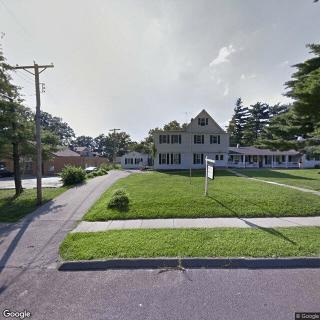
6825 Natural Bridge Road, Saint Louis, MO 63121
For more information about senior living options: (866) 208-4318
Overall Review of Mother Of Good Counsel Home
Pros
 The facility is very caring, very clean, and focused on quality of life.
- The mission partners love the residents and care for them like family.
- Families feel at peace knowing their loved ones are in good hands at Mother of Good Counsel Home.
- The care is excellent, with staff who are attentive and friendly.
- The home is very clean, welcoming, and features a beautiful Catholic chapel.
- It is among the cleanest and most caring nursing homes observed.
Cons
 They were wrongfully terminated because Ms Betty didn’t like their attitude.
- The facility needs more staff.
- The food is the worst they have ever experienced.
- They don’t address hearing or vision impairment for residents.
Review
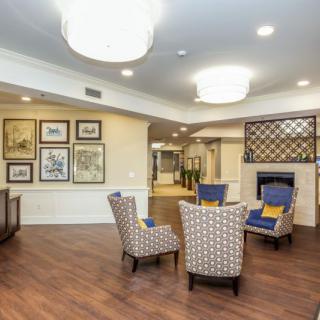
Mother of Good Counsel Home in Saint Louis is best suited for families that want a warm, faith-informed, medically capable setting where residents receive attentive nursing care and remain connected to family life. The community stands out for its calm, clean environment, a visible commitment to quality of life, and a strong sense of "home" that surfaces in both staff demeanor and resident interactions. For seniors who require skilled nursing, yet benefit from a chapel, simple but purposeful activities, and easy family access, this facility offers a practical, heart-centered option. The combination of compassionate care and a family-like atmosphere makes it a realistic home base for residents with ongoing medical needs who still want daily dignity and personal attention.
Those weighing alternatives should consider how much emphasis is placed on staffing levels, dining quality, and day-to-day administrative smoothness. A few reviews point to gaps that matter in decision-making: one account highlights an abrupt termination linked to a staff member’s perception of attitude, signaling potential administrative friction that families will want to inspect early on. Another concerned family notes the food as a significant drawback, even as caregiving and facility cleanliness shine. And an additional remark suggests limited attention to hearing or vision impairments. If these issues are central priorities, especially robust staffing, consistently high-quality meals, and strong accommodations for sensory impairments, it is wise to compare with other communities before deciding.
The positive attributes here often offset the risks noted in a few critiques. The care teams are repeatedly described as very caring, clean, and genuinely focused on residents’ quality of life. That relational strength matters when staffing can fluctuate; a home-like culture tends to sustain trust and reduce anxiety for families during transitions. The facility’s ability to manage complex medical needs, such as tracheostomy support with adaptable diets, demonstrates operational competence that lowers the likelihood of unnecessary hospital transfers. Proximity to family, accessible admissions processes, and the presence of a Catholic chapel contribute to a sense of continuity and purpose that many families equate with better emotional and overall well-being for residents.
Social vitality and meaningful routines are genuine strengths. Residents have opportunities to socialize in common spaces, participate in card games, and enjoy planned activities that can accommodate varying mobility levels. The narrative of a fourth-floor vantage point watching fireworks over the arch, and discussions about casino afternoons or room-based social visits, illustrate an environment that values engagement without sacrificing safety. The staff, including cleaning teams and admissions personnel, are frequently cited as part of a dependable ecosystem that supports residents’ daily rhythms. When families weigh this against the drawbacks, the outweighing factors, cleanliness, person-centered care, and a faith-based grounding, remain persuasive for many.
From a practical perspective, families should verify several elements during tours and during care planning conversations. Ask about current staffing ratios by shift and how those numbers translate into real-time care; request a menu sample and request opportunities for input on dietary plans, especially for residents with restricted diets or swallowing considerations. Inquire about accommodations for hearing and vision needs and what therapy or assistive options are available on site. Clarify the grievance or escalation process to understand how administrative concerns are handled. Finally, assess how closely the facility’s daily routine aligns with the resident’s preferences for social interaction, quiet time, and religious life, since these intangible factors often drive satisfaction as much as clinical outcomes.
Overall, Mother of Good Counsel Home presents a solid, practical option for families seeking a compassionate, faith-oriented environment with demonstrated medical reliability and a genuine emphasis on quality of life. It rewards those who value a home-like atmosphere and accessible family involvement, especially for residents with moderate to complex medical needs who still crave social connection and spiritual continuity. For families who prioritize flawless dining experiences, the highest staff-to-resident ratios, or comprehensive accommodations for hearing and vision impairments, it’s prudent to compare other communities with stricter standards in those domains. A thoughtful visit, candid questions about staffing, meal programs, and policy clarity will reveal whether this home aligns with the resident’s specific care goals and family expectations.
 114 resident community capacity
 Skilled Nursing Facility
 Air-conditioning
 Beauty salon
 Cable or satellite TV
 Computer center
 Dining room
 Fitness room
 Fully furnished
 Gaming room
 Garden
 Housekeeping services
 Kitchenette
 Move-in coordination
 Outdoor space
 Private bathrooms
 Restaurant-style dining
 Small library
 Telephone
 Wellness center
 Wi-Fi/high-speed internet available
 Lambert-St Louis International (5 miles away)
 Community operated transportation
 24-hour call system
 Activities of daily living assistance
 Assistance with bathing
 Assistance with dressing
 Assistance with transfers
 Diabetes diet
 Medication management
 Special dietary restrictions
 Concierge services
 Planned day trips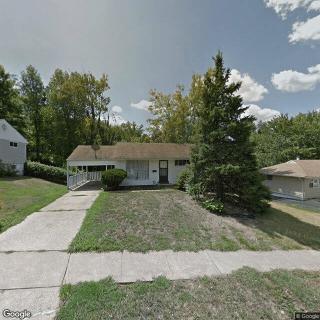




 Exploring Nonmedical Home Care: Understanding Services, Costs, and Financial Approaches
 Engaging Brain Games and Innovative Apps to Keep Senior Minds Active
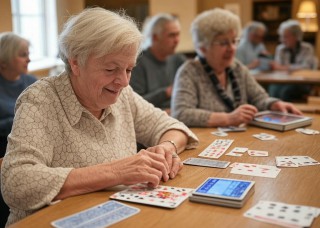 Effective Strategies for Keeping Seniors' Minds Active: A Deep Dive into Brain Games and Apps