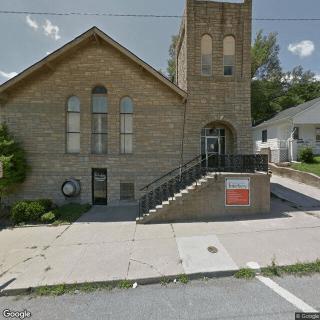
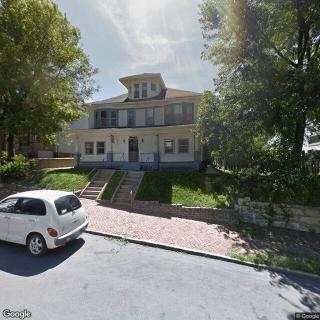
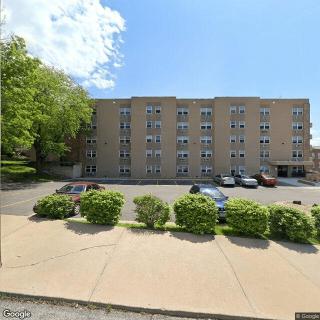
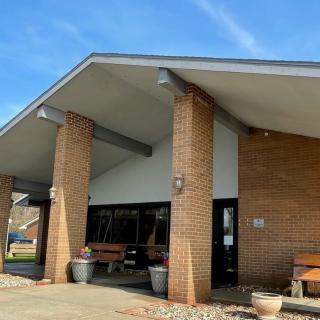
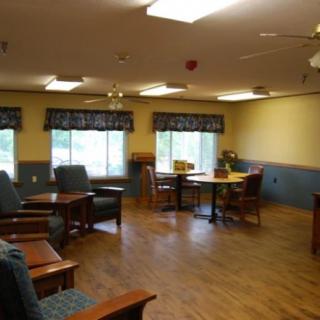
Diversicare Of St Joseph in Saint Joseph, MO

Information last verified:

3002 North 18Th Street, Saint Joseph, MO 64505

For more information about senior living options: (844) 490-3973

4 from 65 reviews
5 stars
43
4 stars
5
3 stars
1
2 stars
3
1 stars
13

Seniors.FYI Elite Community Awards

Top 5% Senior Living Community in 2026

Add this award to your website

Overall Review of Diversicare Of St Joseph

Pros

  • pro The staff provide attentive, compassionate, individualized care.
  • pro Therapy services are top-notch and highly effective.
  • pro Wound care is outstanding.
  • pro CNAs and nurses are consistently caring and responsive.
  • pro The facility offers fantastic food and comfortable surroundings.
  • pro Therapy helps residents regain strength and return home.
  • pro Advance Care is described as a hidden gem with high professionalism.
  • pro The care team collaborates well to support residents and families.
  • pro Staff consistently go above and beyond to meet residents' needs.

Cons

  • pro The facility is understaffed and the staff are often rude, leading to delayed or unmet resident needs.
  • pro The place shows poor infection control and unsafe practices, including injections given without proper sanitation.
  • pro Social workers are unhelpful or unkind, and family members report being hung up on during calls.
  • pro Billing practices are problematic, with upfront payments and unused balances not refunded.
  • pro The environment is dirty and has strong odors, with housekeeping and laundry often inadequate.
  • pro Several reviews label it as one of the worst nursing homes, citing bedbugs and high staff turnover.
  • pro Call bells are not answered promptly, and residents frequently experience delays in receiving care.
  • pro The cost is deemed not worth the quality of care provided.

Review

Diversicare of St. Joseph is best suited for seniors who enter with a clear rehabilitation goal: to regain strength, independence, and the ability to return home. The campus earns its strongest endorsements from families and residents who prioritize aggressive therapy, thorough nursing care, and specialized wound management. Across many cases, the therapy teams are described as relentless in a constructive way, pushing through barriers, tailoring plans to individual goals, and tracking progress closely. The overall environment is portrayed as clean and welcoming, with meals that residents often rate as solid or better, and with a care staff that many residents say treats them as unique people rather than anonymous patients. This combination makes it particularly appealing for post-acute rehab needs, where the emphasis is on getting residents back into everyday life with as much function as possible.

However, several voices signal that alternatives warrant serious consideration for certain families. Those needing long-term, highly stable supervision, especially for residents with significant memory care needs or advanced chronic conditions, may find the consistency and predictability they require elsewhere. A recurring theme among mixed feedback is staffing reliability: some families report delayed call-bell responses, slower nurse availability, and a sense that not enough staff are on duty at peak times. Administrative and financial friction also surfaces in a subset of reviews, including billing disputes and communication gaps with the business side. For families that place a premium on barrier-free administration, transparent billing, and steady daytime-to-nighttime staffing, it is prudent to compare other local options and request the latest survey results and staffing data before deciding.

The strongest justification for choosing this community rests on the therapy prowess and the day-to-day bedside care. Therapists are repeatedly described as focused, capable, and encouraging; they push residents to meet, and often exceed, their discharge goals. The physical therapy teams, in particular, receive high praise for helping individuals recover mobility, rebuild strength, and regain confidence to handle daily tasks back at home. Wound care is another standout, frequently labeled as excellent, with residents noting marked improvements in healing when under the facility’s wound-care program. Nursing staff and CNAs frequently earn compliments for kindness, attentiveness, and a willingness to listen, which helps many residents feel heard during a challenging recovery period. Even when some criticisms arise, the pro-therapy narrative and personal attention from caregivers tend to offset a number of less-positive points, especially for families prioritizing functional outcomes.

That said, not all experiences align with the best-case rehab story. Concerns about understaffing translate into anecdotes where urgent needs or routine tasks waited longer than hoped. While many residents enjoy a positive daily rhythm, several reviews point to inconsistent call-light responsiveness and occasional lapses in timely assistance. A minority describe issues with infection-control practices and facility maintenance that can color the overall perception of quality. Complaints about administration or billing, while not universal, remind prospective residents to verify their financial arrangements and ensure clarity on what is included in monthly rates and how unused prepaid balances are handled. These are meaningful considerations for families who weigh cost against risk, especially when a loved one’s care hinges on reliable staffing and transparent operations.

In evaluating Diversicare of St. Joseph, prospective families should pursue a practical, football-field-level checklist. Tour with a focus on real-time therapy availability, witness a live therapy session, and ask to meet the lead therapists who would be directing the resident’s discharge plan. Observe how aides and nurses interact with residents, are responses timely, and is dignity maintained in routine care? Inquire about current staffing ratios during peak hours, and request the most recent infection-control and housekeeping reports. Ask direct questions about billing practices, transition communications between hospital, family, and facility, and how situations like a resident’s sudden decline or a need for urgent care are managed. If a resident’s primary need is a homeward-bound rehab pathway with robust therapy, Diversicare of St. Joseph offers a credible, well-supported option.

Leadership and culture emerge as a notable strength in many accounts. The facility’s management and clinical leaders are repeatedly described as purposeful, with a sense that a high standard is both pursued and attainable. Therapists are framed as collaborative partners in recovery, and many families highlight personal touches, from social workers who coordinate transitions back home to front-line staff who consistently convey warmth and competence. Some reviewers specifically call out individuals who went above and beyond, signaling that when the right people are in place, the care experience is extraordinary. This suggests that the core value, high-quality rehab delivered by an engaged team, remains reachable, provided the campus has sufficient staffing and strong administrative alignment.

Bottom line: Diversicare of St. Joseph can be an excellent choice for families whose priority is intense, goal-oriented rehabilitation with compassionate, attentive care, and who are comfortable navigating occasional administrative frictions. For residents whose needs extend beyond rehab, whether long-term, high-acuity supervision, memory-care-specific strategies, or a desire for near-total staffing consistency, exploring alternatives or insisting on current performance metrics is wise. The community’s proven therapy outcomes and wound-care strengths argue strongly in its favor for post-acute patients, while the footprint of staffing variability and administrative challenges calls for careful due diligence. A disciplined, informed visit, speaking with multiple staff members, reviewing recent survey data, and testing the responsiveness of call systems, will reveal whether this campus is the right fit for a given loved one’s rehabilitation trajectory and long-term care expectations.

Features

Housing

  • 180 resident community capacity 180 resident community capacity

Types of Care

  • Skilled Nursing Facility Skilled Nursing FacilitySkilled Nursing Facilities are crucial for seniors as they provide round-the-clock medical care, rehabilitation services, and assistance with daily activities. These facilities ensure that seniors receive the specialized care they need to maintain their health and well-being as they age.

Amenities

  • Air-conditioning Air-conditioningAir conditioning is important for seniors as they are more vulnerable to heat-related illnesses and may have underlying health conditions that make it difficult for them to regulate their body temperature. It helps to keep them comfortable, safe, and healthy in hot weather.
  • Beauty salon Beauty salonBeauty salons are important for seniors because they provide a space for them to feel pampered, socialize, and maintain their personal grooming and hygiene. Regular visits to a beauty salon can help boost seniors' self-esteem and overall well-being.
  • Cable or satellite TV Cable or satellite TVCable or satellite TV is important for seniors because it provides entertainment, news, and companionship, helping to combat loneliness and boredom. It also offers a wide range of programming options tailored to different interests and preferences.
  • Computer center Computer centerA computer center is essential for seniors as it provides access to technology, communication tools, and resources that can enhance their daily lives. It allows them to stay connected with loved ones, engage in online activities, and learn new skills, ultimately promoting socialization and mental stimulation.
  • Dining room Dining roomDining rooms are important for seniors as they provide a space for socialization, connection, and nutritious meals. They offer opportunities for residents to bond over shared meals, foster a sense of community, and promote healthy eating habits. Dining rooms also ensure that seniors have access to well-balanced meals tailored to their dietary needs and preferences.
  • Fitness room Fitness roomHaving a fitness room in a senior living community is essential for seniors to stay active, maintain their physical health, and improve their overall well-being. Regular exercise can help prevent falls, reduce the risk of chronic diseases, and promote mental sharpness. It also provides social opportunities for residents to connect with others and enjoy a sense of community.
  • Fully furnished Fully furnishedFully furnished senior living communities are important for seniors because they provide convenience, comfort, and a hassle-free moving experience. Seniors can easily settle into their new living space without the stress of having to buy and move furniture. This allows them to focus on enjoying their new home and community.
  • Gaming room Gaming roomGaming rooms are important for seniors as they provide a fun and engaging environment for socializing, cognitive stimulation, and physical activity. Games can improve memory, problem-solving skills, and overall mental well-being while fostering friendships and reducing feelings of isolation.
  • Garden GardenGardens are important for seniors as they provide a peaceful and therapeutic environment for relaxation, physical activity, and socialization. Being in nature has been shown to reduce stress, improve mood, and promote overall well-being. Gardens also offer opportunities for seniors to engage in gardening activities, which can improve mobility, flexibility, and cognitive function. Additionally, gardens create a sense of community and connection with others who share a passion for plants and outdoor spaces.
  • Housekeeping services Housekeeping servicesHousekeeping services are important for seniors because they help maintain a clean and safe living environment, promote independence, and reduce the risk of accidents or illnesses. Additionally, having assistance with household chores can alleviate physical strain and allow seniors to focus on other aspects of their well-being.
  • Kitchenette KitchenetteKitchenettes are important for seniors living in senior living communities because they provide the convenience and independence of being able to prepare simple meals and snacks in the comfort of their own living space. This can help promote a sense of autonomy and well-being for seniors, allowing them to maintain some level of control over their dietary choices and daily routines.
  • Move-in coordination Move-in coordinationMove-in coordination is important for seniors because it helps ease the transition into their new living environment. It ensures that all logistics, such as packing, organizing movers, and setting up utilities are taken care of, allowing seniors to focus on settling in and adjusting to their new home. Having a smooth move-in process can alleviate stress and anxiety, making the transition smoother and more enjoyable for seniors.
  • Outdoor space Outdoor spaceOutdoor spaces are important for seniors as they provide opportunities for physical activity, social interaction, exposure to natural light and fresh air, and a sense of connection to nature. Having access to outdoor spaces can improve overall well-being and quality of life for older adults living in senior communities.
  • Private bathrooms Private bathroomsPrivate bathrooms are important for seniors in senior living communities because they provide independence, dignity, and comfort. Having a private bathroom allows seniors to maintain their personal hygiene routines without the need for assistance, promoting a sense of autonomy and privacy. Additionally, private bathrooms help prevent the spread of infections and provide a safe and clean environment for seniors to navigate safely.
  • Restaurant-style dining Restaurant-style diningRestaurant-style dining is important for seniors because it allows them to enjoy delicious, nutritious meals in a social and upscale setting. This enhances their dining experience, promotes healthy eating habits, and fosters socialization with fellow residents, ultimately contributing to their overall well-being and quality of life.
  • Small library Small librarySmall libraries are important for seniors as they provide access to a variety of reading materials, including books, newspapers, and magazines. This can help stimulate their minds, keep them engaged, and provide a sense of community through book clubs and other social activities. Additionally, reading has been shown to improve cognitive function and overall mental well-being in older adults.
  • Telephone TelephoneTelephones are important for seniors as they provide a lifeline for communication with loved ones, emergency services, and healthcare providers. They offer a sense of security and independence, enabling seniors to stay connected and access assistance when needed.
  • Wellness center Wellness centerWellness centers are important for seniors because they offer a variety of programs and services that promote physical, mental, and emotional well-being. These centers provide opportunities for exercise, socialization, education, and relaxation, helping seniors maintain their overall health and quality of life.
  • Wi-Fi/high-speed internet available Wi-Fi/high-speed internet availableWi-Fi/high-speed internet is important for seniors to stay connected with loved ones, access online resources, and participate in virtual activities to combat feelings of loneliness and isolation. It also allows them to easily manage healthcare needs, access entertainment, and engage in lifelong learning opportunities.

Transportation

  • Community operated transportation Community operated transportationCommunity operated transportation is crucial for seniors as it provides them with the means to access essential services, social activities, and medical appointments. It allows seniors to maintain their independence and quality of life by ensuring they can participate in activities outside of their homes. Additionally, community-operated transportation services offer a safe and reliable way for seniors to travel without having to rely on family or friends for assistance.
  • Transportation arrangement Transportation arrangementTransportation arrangements are crucial for seniors as they may face challenges with driving, mobility, or access to public transportation. Having reliable transportation services ensures that seniors can easily attend appointments, social activities, and maintain their independence and quality of life.

Care Services

  • 24-hour call system 24-hour call system24-hour call systems are important for seniors because they provide peace of mind and immediate assistance in case of emergencies. This technology ensures that help is always available, promoting safety and security for elderly individuals living alone or in assisted living facilities.
  • 24-hour supervision 24-hour supervision24-hour supervision is important for seniors to ensure their safety, well-being, and access to immediate assistance in case of emergencies or health issues. This constant support provides peace of mind for both seniors and their loved ones, allowing them to age in place with dignity and security.
  • Activities of daily living assistance Activities of daily living assistanceActivities of daily living assistance are important for seniors because they provide essential support with tasks such as eating, bathing, dressing, and mobility. This assistance helps seniors maintain their independence, dignity, and overall quality of life as they age.
  • Assistance with bathing Assistance with bathingAssistance with bathing is crucial for seniors as it helps maintain personal hygiene, prevents infections, and ensures their overall well-being and comfort. It also provides a sense of dignity and independence for seniors who may struggle with this task on their own.
  • Assistance with dressing Assistance with dressingAssistance with dressing is important for seniors because it helps maintain their independence, promotes personal hygiene, prevents accidents and injuries, and improves overall quality of life. This service ensures that seniors can continue to dress comfortably and confidently, despite any physical limitations they may have.
  • Assistance with transfers Assistance with transfersAssistance with transfers is crucial for seniors as it helps prevent falls and injuries, maintains their independence, and ensures they can safely navigate their living environment. It also provides peace of mind for both seniors and their loved ones.
  • Diabetes diet Diabetes dietA diabetes diet is crucial for seniors as it helps manage blood sugar levels, reduce risks of complications, and improve overall health and well-being. By following a balanced and nutritious diet tailored to their specific needs, seniors can better control their diabetes and enhance their quality of life.
  • Meal preparation and service Meal preparation and serviceMeal preparation and service are crucial for seniors as they may have limited mobility or energy to cook nutritious meals. Having access to healthy and convenient food options can ensure they are getting the proper nutrition needed to maintain their overall health and well-being.
  • Medication management Medication managementMedication management is crucial for seniors to ensure they are taking the right medications at the correct dosages and times. This helps prevent adverse drug interactions, reduces the risk of medication errors, and promotes overall health and well-being. Proactive management also allows for adjustments as needed based on changing health conditions or new prescriptions.
  • Special dietary restrictions Special dietary restrictionsSpecial dietary restrictions are important for seniors because age-related changes in metabolism and health conditions can make it difficult for their bodies to process certain foods. By following a diet tailored to their specific needs, seniors can maintain their overall health and well-being, manage chronic conditions, and reduce the risk of complications such as malnutrition or food interactions with medications.

Dining

  • Diabetes diet Diabetes dietA diabetes diet is crucial for seniors as it helps manage blood sugar levels, reduce risks of complications, and improve overall health and well-being. By following a balanced and nutritious diet tailored to their specific needs, seniors can better control their diabetes and enhance their quality of life.
  • Special dietary restrictions Special dietary restrictionsSpecial dietary restrictions are important for seniors because age-related changes in metabolism and health conditions can make it difficult for their bodies to process certain foods. By following a diet tailored to their specific needs, seniors can maintain their overall health and well-being, manage chronic conditions, and reduce the risk of complications such as malnutrition or food interactions with medications.

Activities

  • Community-sponsored activities Community-sponsored activitiesCommunity-sponsored activities are important for seniors as they provide opportunities for social interaction, mental stimulation, and physical activity. These activities can help improve overall well-being, combat loneliness and isolation, and promote a sense of belonging and purpose among older adults.
  • Concierge services Concierge servicesConcierge services are essential for seniors as they provide assistance with daily tasks and errands, enhance their quality of life by offering convenience and personalized care, and promote a sense of safety and security.
  • Fitness programs Fitness programsFitness programs are crucial for seniors as they help improve strength, flexibility, balance, and overall well-being. Staying active can reduce the risk of chronic diseases, improve mental health, and enhance quality of life in older adults.
  • Planned day trips Planned day tripsPlanned day trips are important for seniors because they offer opportunities for socialization, mental stimulation, and physical activity. They provide a change of scenery and help seniors stay engaged and connected to their community, promoting overall well-being and quality of life.
  • Resident-run activities Resident-run activitiesResident-run activities are important for seniors as they encourage social interaction, creativity, and a sense of autonomy. These activities empower seniors to stay engaged and active in their community while fostering meaningful connections with their peers.
  • Scheduled daily activities Scheduled daily activitiesScheduled daily activities are important for seniors because they provide structure, socialization, mental stimulation, and physical activity. Engaging in regular activities can improve overall well-being and quality of life for seniors living in a community setting.

Description

Diversicare of St Joseph in Saint Joseph, MO is a vibrant and welcoming assisted living community that offers a wide range of amenities and care services for its residents. The community features a beauty salon where residents can pamper themselves, and cable or satellite TV in each room for entertainment. Community-operated transportation is available to ensure residents can easily get around town, and there is also a computer center for those who want to stay connected.

Residents can enjoy delicious meals in the dining room, which offers restaurant-style dining. There is also a small library for book lovers, as well as a gaming room for recreational activities. A fitness room is available to help residents stay active and healthy, and there is also an outdoor space where residents can relax and enjoy nature.

Care services at Diversicare of St Joseph include 24-hour supervision to ensure the safety and well-being of all residents. Assistance with activities of daily living such as bathing, dressing, and transfers is provided by the caring staff. Medication management is also offered to ensure that residents receive their medications on time.

The community takes special dietary restrictions into consideration when preparing meals for residents, including those with diabetes diets. Transportation arrangements can be made for medical appointments or any other needs that arise.

In terms of nearby amenities, Diversicare of St Joseph boasts four cafes and five parks in close proximity. There are also numerous pharmacies, physicians' offices, restaurants, places of worship, theaters, and hospitals nearby.

With its array of amenities and care services, Diversicare of St Joseph provides a comfortable and supportive environment for seniors in Saint Joseph, MO.

Nearby Places of Interest

Parks

  • Krug Park (0.5 miles)
  • St Joseph Park Maintenance (0.7 miles)
  • Frances Park (1.5 miles)
  • Huston Wyeth Park (1.7 miles)
  • Coleman Hawkins (1.8 miles)

Restaurants

  • Cabana Grill (0.7 miles)
  • Amnesia Too (0.9 miles)
  • Subway (1.3 miles)
  • Bougainville Cafe-Buffet-Bar (1.4 miles)
  • Sonic Drive-In (1.5 miles)
  • McDonald's (1.5 miles)
  • Luna's Fine Dining & Catering (1.6 miles)

Pharmacies

  • Rogers Long Term Care Pharmacy (1.1 miles)
  • Rogers Pharmacy #5 (1.1 miles)
  • Apothecary Pharmacy (1.2 miles)
  • Genoa Healthcare (1.2 miles)
  • CVS Pharmacy (1.5 miles)
  • Walgreens (1.7 miles)
  • Walmart Pharmacy (1.8 miles)

Physicians

  • North End Health Center (1.2 miles)
  • Northwest Health Services (1.2 miles)
  • Wiles Eye Center (1.3 miles)
  • St Joseph Nephrology Associates (1.4 miles)
  • Hanger Clinic: Prosthetics & Orthotics (1.4 miles)
  • Pivotal Foot & Ankle Surgeons (1.4 miles)
  • Gastroenterology Clinic of St Joseph (1.4 miles)

Places of Worship

  • Faith United Church (1.3 miles)
  • North Church of God (1.5 miles)
  • Seventeenth Street Church (1.5 miles)
  • Church of Jesus Christ of Latter Day Saints (1.5 miles)
  • First Baptist Church (1.6 miles)
  • Southern Baptist Convention (1.6 miles)
  • St John Charismatic Episcopal Church (1.7 miles)

Hospitals

  • Surgery Center Of St Joseph (1.3 miles)
  • Apac Customer Services Inc. (1.7 miles)
  • Northwest Missouri Psychiatric Rehabilitation Center (1.8 miles)

Cafes

  • Starbucks (2.1 miles)
  • Muddy Mo Coffee Company (2.2 miles)
  • Panera Bread (2.2 miles)
  • Starbucks (2.4 miles)

Transportation

  • Success Truck Leasing (2.3 miles)
  • Pony Express Station (2.4 miles)

Theaters

  • Regal Hollywood - St. Joseph (2.5 miles)

Frequently Asked Questions

Where is Diversicare Of St Joseph?

Nearby Communities

  • InterServ

    InterServ

    St. Joseph, MO


    pro Extensive nearby amenities and healthcare options.

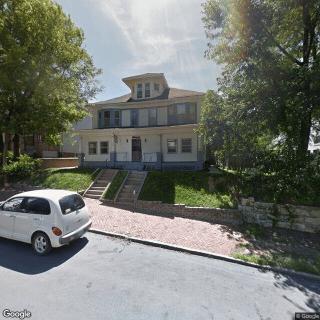
  • St Joseph Chateau

    St Joseph Chateau

    Saint Joseph, MO

    5 from 2 reviews
     

    pro Comprehensive amenities and 24/7 care support (dining, transport, beauty salon, activities, housekeeping).

  • McDonald Boarding Home

    McDonald Boarding Home

    St Joseph, MO

    5 from 5 reviews
    $5,000 / month

    pro Small 9-bed community with private rooms competitively priced for Buchanan County.

  • Mc Donald Boarding Home

    Mc Donald Boarding Home

    St. Joseph, MO

    5 from 5 reviews
     

    pro Close to dining, parks, healthcare, transportation, worship, and hospitals.

  • Silcott's Midtown Manor

    Silcott's Midtown Manor

    St. Joseph, MO

    4.1 from 35 reviews
     

    pro Central location with broad access to parks, pharmacies, hospitals and dining

  • Chilton Place

    Chilton Place

    St. Joseph, MO

    2.7 from 6 reviews
     

    pro Comprehensive assisted living with diabetic care, on-site activities, and access to nearby pharmacies, hospitals, restaurants, and parks.

  • Carriage Square Rehab and Healthcare Center

    Carriage Square Rehab and Healthcare Center

    St. Joseph, MO

    4 from 64 reviews
    $3,050 / month

    pro Compassionate staff with clear, upfront pricing.

  • Gower Convalescent Center

    Gower Convalescent Center

    Gower, MO

    4.3 from 63 reviews
     

    pro Caring staff, clean, good food, and engaging daily activities.

  • Medicalodges Leavenworth

    Medicalodges Leavenworth

    Leavenworth, KS

    3.5 from 12 reviews
     

    pro Spacious, well-maintained facility with helpful staff and quality care.

Skilled Nursing Facility in Nearby Cities

Related Resources

  • low impact exercises for seniorsHighly Beneficial Low-Impact Exercises for Senior Living Residents

    Low-impact exercises are vital for seniors as they promote health, independence, and social interaction while reducing joint strain. These adaptable activities, guided by healthcare professionals, enhance strength, flexibility, and emotional well-being.

  • is home health care tax deductibleIs In-Home Healthcare Tax Deductible? Your Comprehensive Guide
    The guide details the tax deductibility of in-home healthcare expenses according to IRS guidelines, differentiating between medically necessary services and non-medical assistance, while emphasizing the need for proper documentation and itemization requirements. It also highlights state-level variations, the importance of record-keeping, and encourages seeking professional tax help to understand evolving regulations.

  • gardening for seniorsNurturing Well-Being Through Gardening: A Detailed Guide for Senior Enthusiasts

    Gardening provides seniors with physical exercise, mental and emotional support, and social interaction opportunities, while accommodating their needs through raised beds and ergonomic tools. It promotes health benefits like improved dexterity and cardiovascular health, encourages sustainable practices, and allows for manageable upkeep with low-maintenance plants.