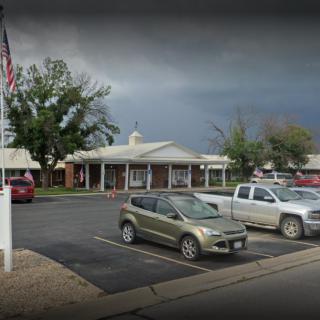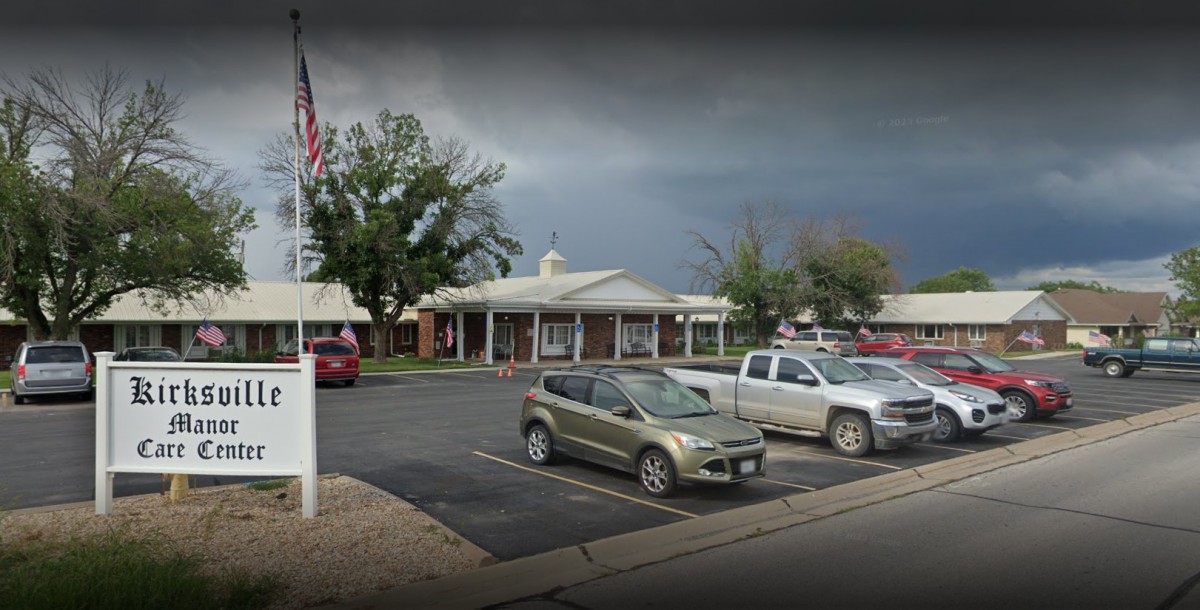
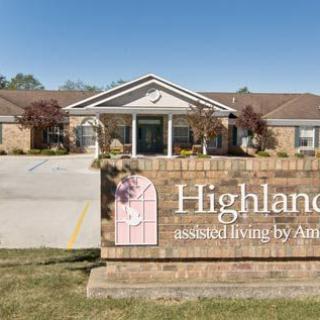
1705 East Laharpe, Kirksville, MO 63501
For more information about senior living options: (866) 208-4318
Overall Review of Kirksville Manor Care Center
Pros
 The staff at Manor Care are amazing.
- They cared for residents like family.
- The facility provides excellent care for loved ones.
- They treated residents with dignity and respect until the end.
- The staff at Kirksville Manor take good care of residents.
- They are available to talk and answer questions.
- The father loved the facility and the staff.
Cons
 They describe the staff as rude.
- They report call lights constantly going.
- They say bed sores are everywhere and there is a constant smell of urine.
- They wish they could give zero stars.
- They advise against placing a loved one there, calling it an awful place.
- They note a shortage of help leading to patients being strapped in chairs and questions about medications and care.
- They describe that they would not recommend this facility for Alzheimer's patients due to unsafe handling and poor responses to issues.
Review
Kirksville Manor Care Center is best suited for families that prize warm, hands-on staff support and are prepared to actively supervise daily care. The strongest asset across many observations is the caregiving team’s genuine care for residents, with staff members described as kind, respectful, and attentive to individual routines and dignity. When families can visit, communicate, and participate in care planning, life inside can feel humane and reassuring, and residents respond positively to staff who treat them like people first. This setting can work well for seniors who value personal interaction and for relatives who can sustain regular oversight to ensure care plans are followed and needs are met.
At the same time, this community invites careful consideration of alternatives for several core reasons. A number of reviewers surfaced cleanliness and odor concerns, including reports of persistent urine smells and questions about housekeeping resources. Multiple accounts describe staffing pressures that may limit responsiveness, with call lights and daily rhythms disrupted by perceived shortages. For families evaluating dementia care, the facility’s experience is more mixed: there are cautions about how an Alzheimer's unit is managed, including concerns about timely family notification and safety practices. Those who prioritize a consistently pristine environment or a dementia-specific program should explore other options.
The strongest pros, staff availability, willingness to answer questions, and visible effort to honor residents’ dignity, can partially offset the downsides when families stay actively involved. Staff members who are responsive, who dress residents for visits, and who partner with families to coordinate meals and routines create meaningful moments and steady comfort for residents and their loved ones. This advantage is particularly meaningful for terminal or frail residents whose families can drop in daily and help monitor care, ensuring medications, comfort, and hydration are addressed. Yet the positives do not fully neutralize the downsides; cleanliness lapses and staffing constraints recur in several reviews, eroding consistency across shifts and days.
Practical steps help families assess whether Kirksville Manor meets specific needs. Plan a multi-visit review that includes different times of day to observe call-light response, staff interactions, and resident engagement. Request clear, written details on staffing ratios, turnover, and the process for updating care plans; ask to see the dementia program’s training standards and safety protocols, as well as how incidents are communicated to families. Inquire about housekeeping schedules, odor control measures, and ongoing cleanliness audits. If Alzheimer’s care is a priority, insist on a thorough tour of the unit, staff-to-resident supervision levels, and a plan for notifying families about changes in resident status or care decisions.
Ultimately, the community may be a fit for families who can couple a compassionate frontline team with vigilant oversight and a willingness to engage actively in daily care. It is less suitable for those who require pristine cleanliness, rock-solid odor control, or robust dementia-specific resources without family advocacy. A candid takeaway is that strong interpersonal care can exist here, but consistent quality hinges on staffing stability and housekeeping performance. For families unable or unwilling to provide that level of oversight, exploring other facilities with stronger hygiene metrics and dedicated memory-care programs is a prudent, time-saving step.
 132 resident community capacity
 Skilled Nursing Facility
 Air-conditioning
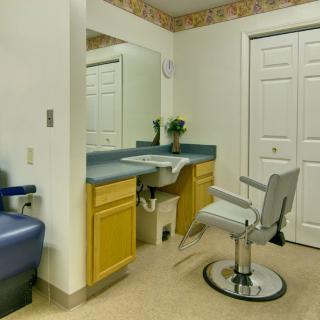
 Beauty salon
 Cable or satellite TV
 Computer center
 Dining room
 Fitness room
 Fully furnished
 Gaming room
 Garden
 Housekeeping services
 Kitchenette
 Move-in coordination
 Outdoor space
 Private bathrooms
 Restaurant-style dining
 Small library
 Telephone
 Wellness center
 Wi-Fi/high-speed internet available
 Community operated transportation
 24-hour call system
 Activities of daily living assistance
 Assistance with bathing
 Assistance with dressing
 Assistance with transfers
 Diabetes diet
 Medication management
 Special dietary restrictions
 Concierge services
 Planned day trips

 Top Canine Companions for Older Adults
 Comprehensive Guide to Blood Pressure Charts for Older Adults: Understanding Normal and High Readings by Age
 Financing Long-Term Nursing Home Care Through Social Security: A Thorough Exploration