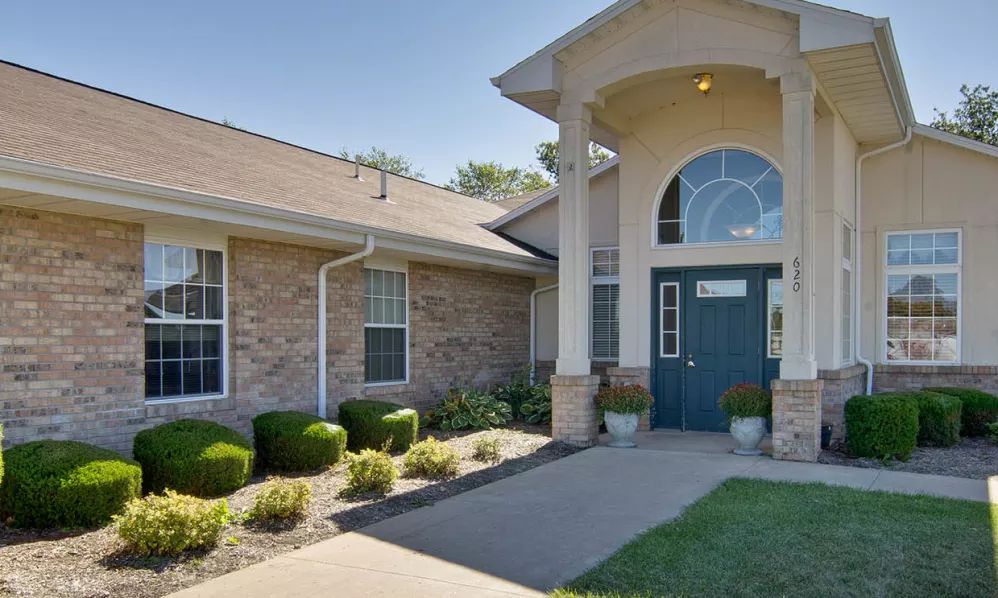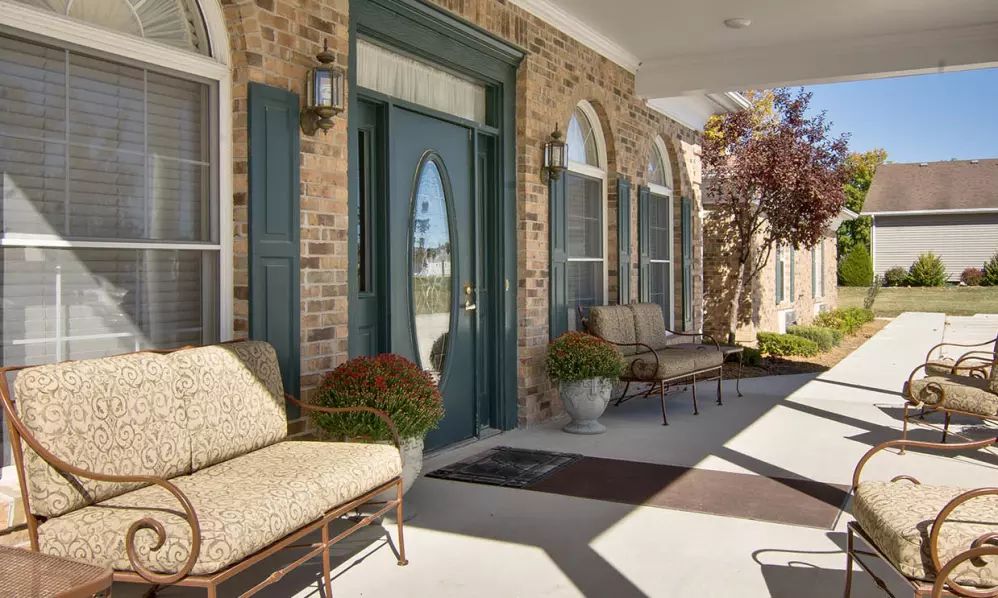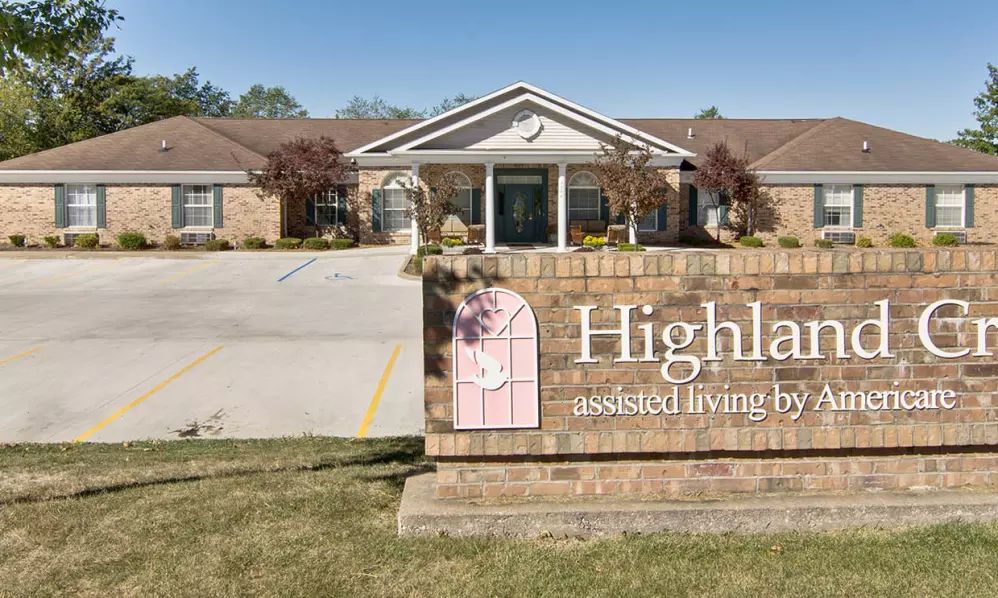

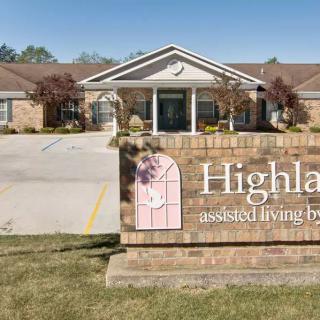


2204 South Halliburton Street, Kirksville, MO 63501
For more information about senior living options: (866) 208-4318
Overall Review of Highland Crest Assisted Living
Pros
 The facility was warm and welcoming.
- The staff were friendly and helpful.
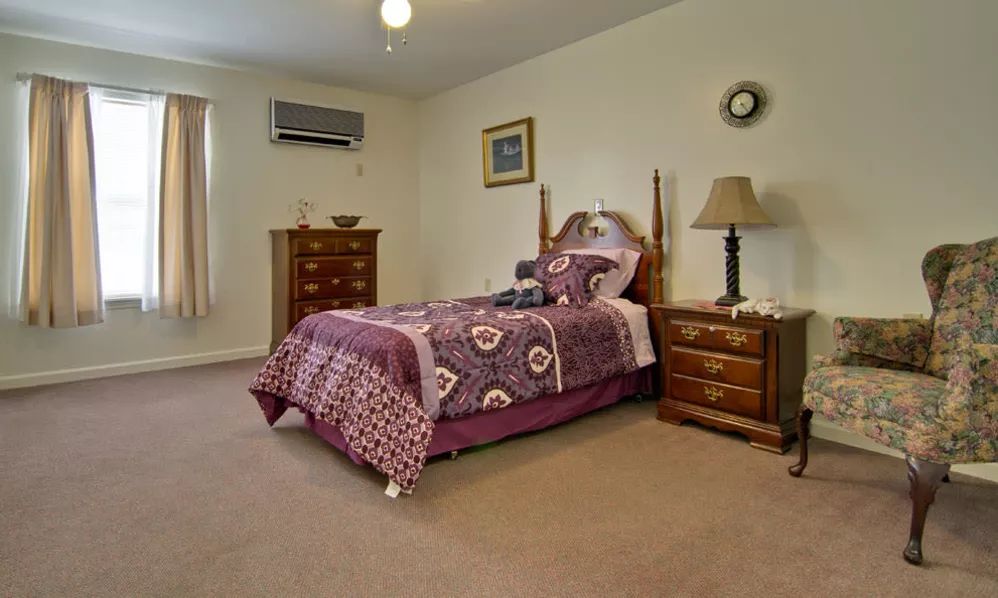
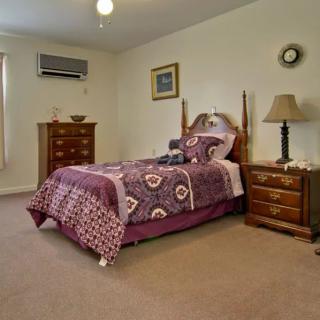
- The room was attractive and comfortable.
- It was a wonderful place for someone who could no longer stay at home.
- The kitchen staff were wonderful.
- The nurse who cared for him was excellent.
- The food was darn good.
- The staff are amazing, caring and understanding.
- It is a great place.
Cons
 They didn’t have enough staff to care for as many residents as they had.
- He wasn’t treated with the respect he deserved.
- The night he fell, they waited until after midnight to get him to the hospital.
- The reviewer would never forgive the management team.
- The management was poor for trying to keep people from seeing his father.
- The reviewer would give the facility only one.
- The staff didn’t respect residents’ rooms.
- Anyone could walk in and out of residents’ rooms.
- There should have been more staff watching and taking care of residents.
Review
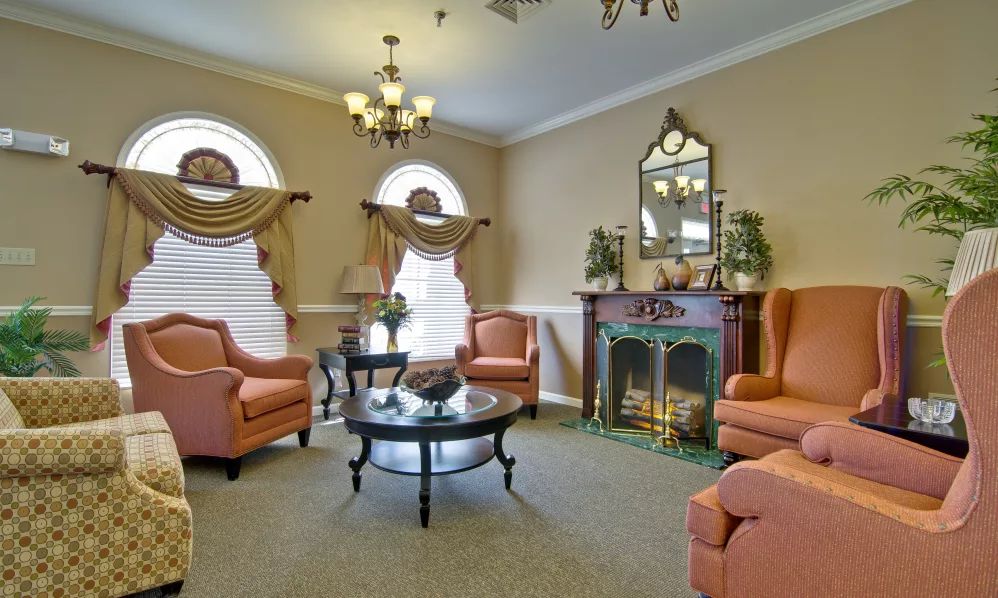
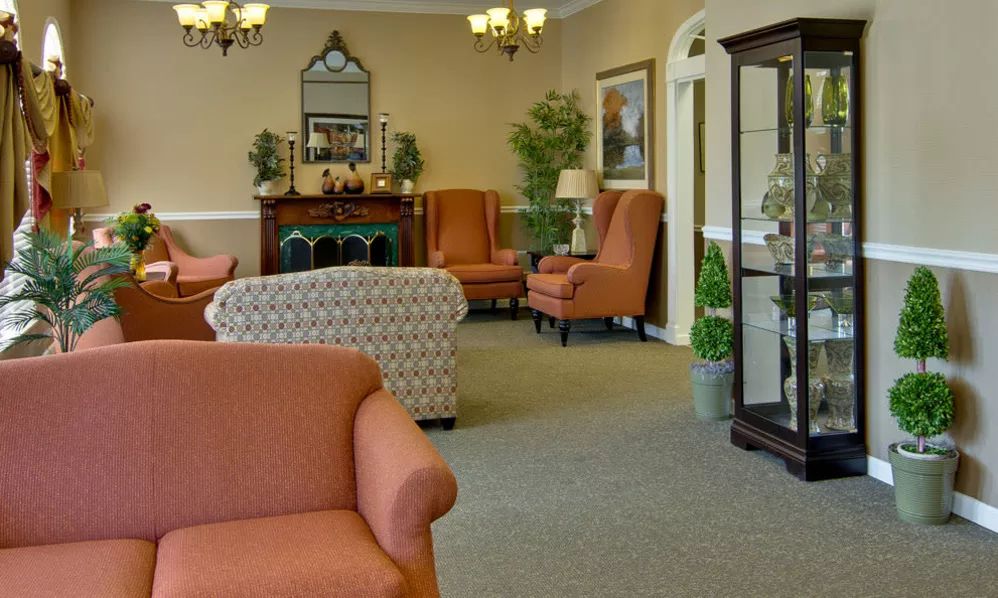
Highland Crest Assisted Living in Kirksville is best suited for seniors who want a warm, home‑like setting, a friendly, attentive staff, and a social, neighborly atmosphere. It serves well for residents who need moderate assistance with activities of daily living and who value approachable caregivers and pleasant common spaces. The campus is divided between Highland Crest and the Arbors, a memory‑care oriented area, which highlights a key consideration for families: the level of supervision and security may vary by wing. Those with relatively stable dementia needs or who require more intensive medical oversight should consider alternatives. In short, this community fits relaxed, socially engaged adults who don’t demand high nursing intensity on a day‑to‑day basis.
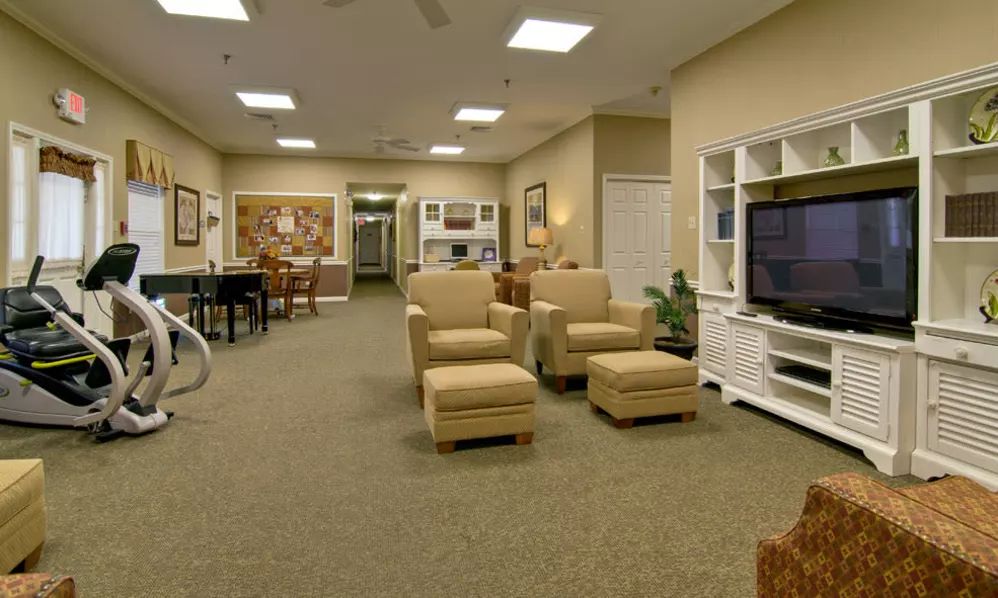
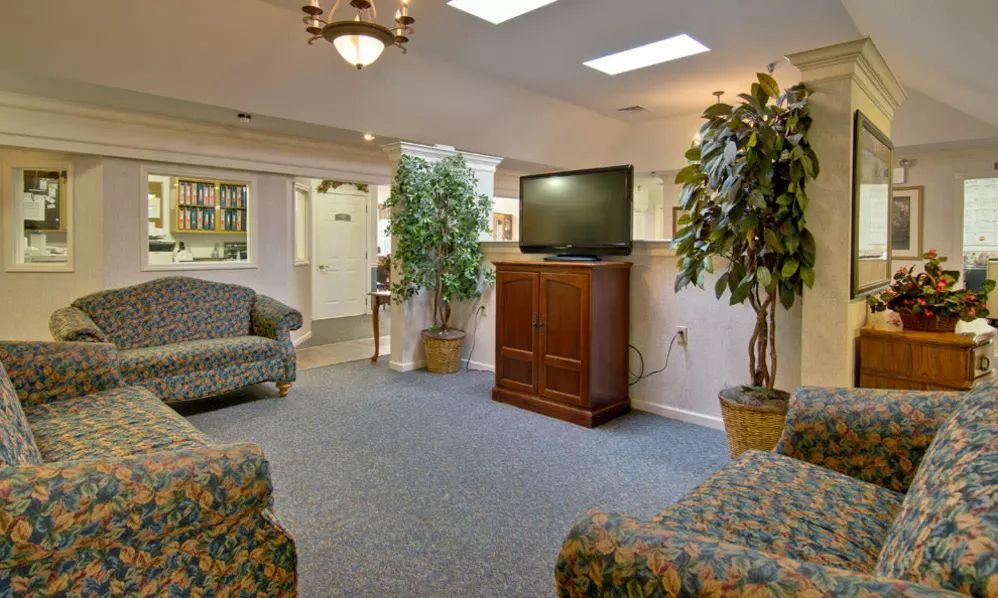
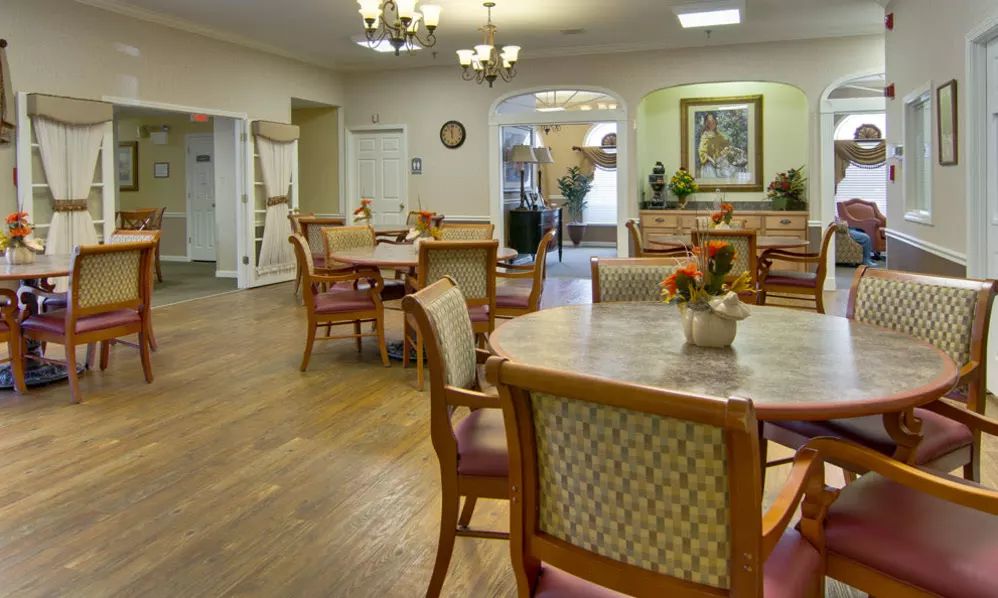
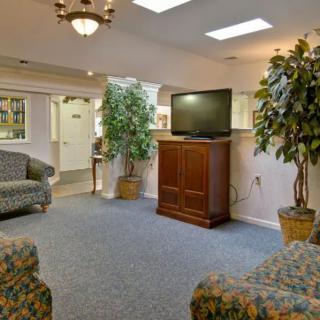
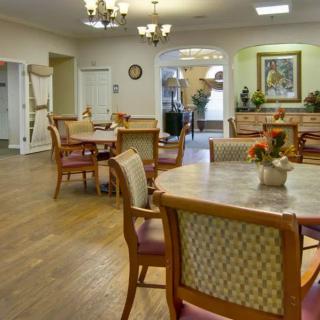
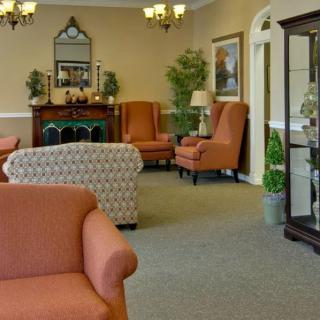
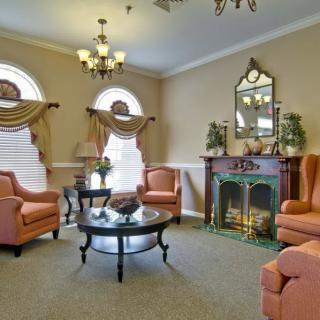
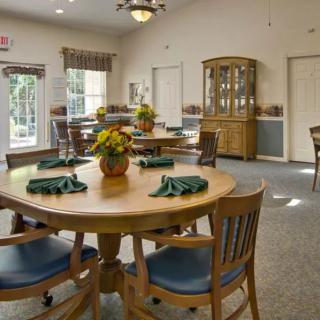
On the plus side, the environment regularly earns praise for warmth and hospitality. Staff are described as friendly, patient, and genuinely invested in residents’ comfort, while nursing attention and cleanliness are cited as credible strengths. Residents themselves appear engaged, and the dining experience earns compliments, food quality matters and affects daily satisfaction. Rooms are described as attractive and comfortable, reinforcing a sense of belonging. For families seeking a place where a loved one can thrive within a sociable, supportive community, these strengths create real confidence that daily life will feel peaceful and familiar.
Yet the program is not without serious caveats. A notable concern centers on staffing levels, especially within the Arbors, where one family member reported insufficient staff to supervise residents with more demanding needs. The same account described a delayed hospital transfer after a fall and criticized management for credibility and responsiveness. Safety and privacy are other hot spots: complaints that rooms and possessions were not consistently respected, and that room access could be lax. For a dementia unit, such issues raise red flags about oversight, accountability, and the potential for safety lapses during emergencies or routine days.
These positives do matter, but they do not completely neutralize the principal drawbacks. The presence of caring nurses, supportive kitchen staff, and a general sense of community offset some anxiety about daily care, yet staffing gaps and management friction can undermine trust when a crisis arises. The Arbors transfer line likely reflects a broader challenge in maintaining consistent supervision across memory‑care and general living spaces. In practical terms, the warmth and personal attention can smooth transitions and reduce agitation, but families must weigh whether those benefits are enough given the risk of delayed responses and privacy lapses.
For families evaluating Highland Crest, a disciplined tour is essential. Ask for current staff‑to‑resident ratios by shift, and request to see how call lights and alerts are monitored overnight. Inquire about memory‑care protocols in the Arbors, including supervision levels, safety measures, and incident reporting. Probe the chain of command: who oversees the Arbors, how quickly professionals respond to falls, and how transfers to hospital are coordinated. Observe room security and privacy practices, can caregivers enter a resident’s room freely, and how are belongings safeguarded? Finally, talk with current residents and families about consistency of care and any changes over time; request recent activity schedules and meal variations to gauge daily liveliness.
The recommendation is clear: Highland Crest offers a compelling, people‑centered living option for seniors who prioritize warmth, social engagement, and comfortable living with moderate assistance. It is not ideal for those who require constant medical oversight, rigorous dementia safety protocols, or a tightly controlled environment with ironclad room security. Weighing the strong staff temperament and good dining against staffing concerns and management criticisms will guide the decision. If choosing this community, approach the process with thorough questions, a clear care plan, and an insistence on visible, reliable response protocols; for some loved ones, alternatives with stronger staffing metrics and more rigorous dementia safety may be the wiser path.
 42 resident community capacity
 Assisted Living
 Memory Care
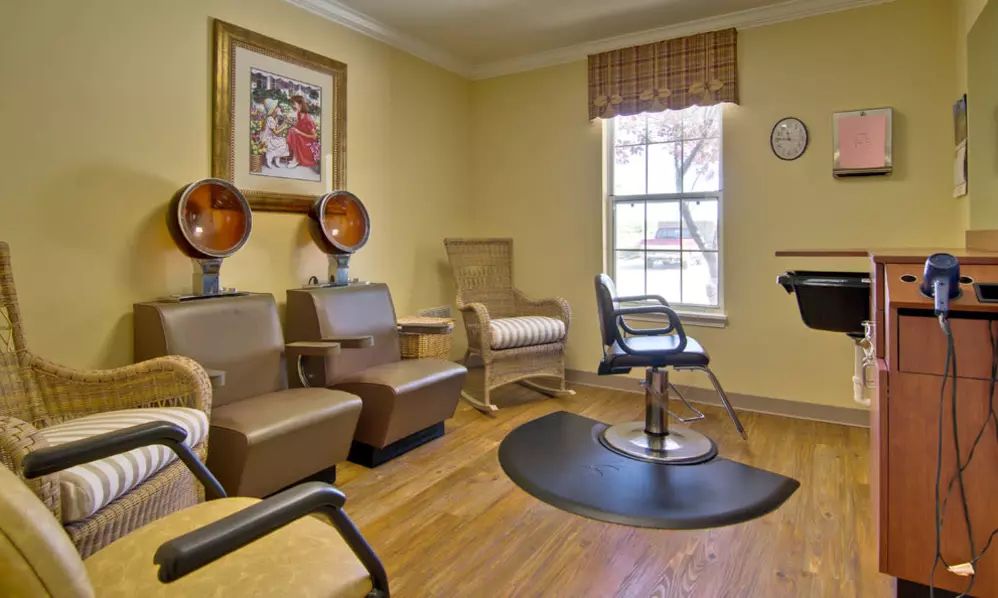
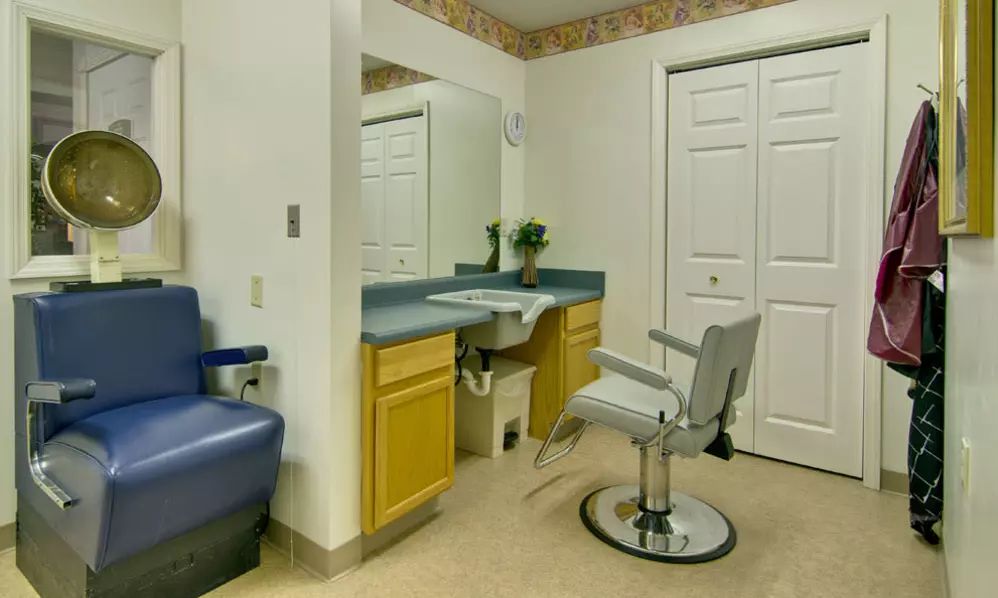
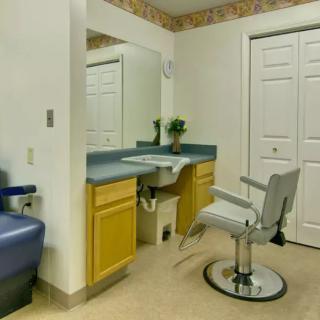
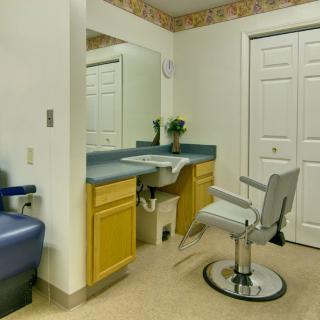
 Beauty salon
 Cable or satellite TV
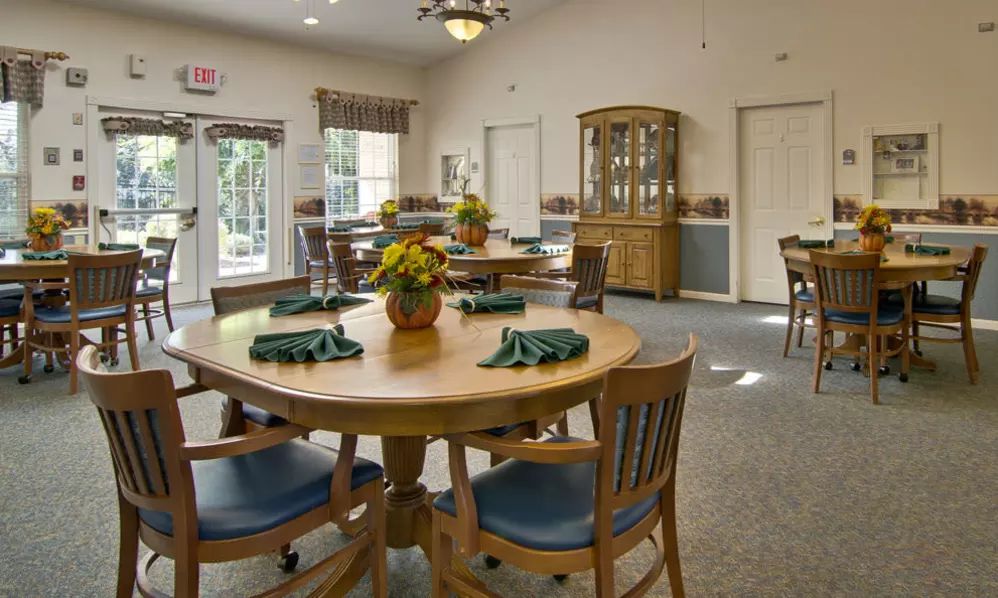
 Dining room
 Fully furnished
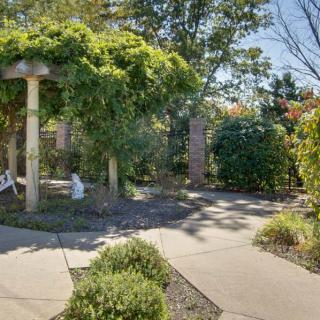
 Garden
 Housekeeping services
 Kitchenette
 Move-in coordination
 Outdoor space
 Restaurant-style dining
 Small library
 Telephone
 Wi-Fi/high-speed internet available
 24-hour call system
 Activities of daily living assistance
 Assistance with bathing
 Assistance with dressing
 Assistance with transfers
 Diabetes diet
 Medication management
 Mental wellness program
 Special dietary restrictions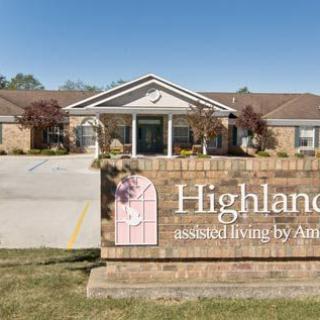



 Medications Associated with Dementia Risk: A Comprehensive Overview
 Guiding Your Journey: Understanding Power of Attorney for Elderly Parents
 22 Remarkable Caregiver Support Groups Available Online and In-Person