
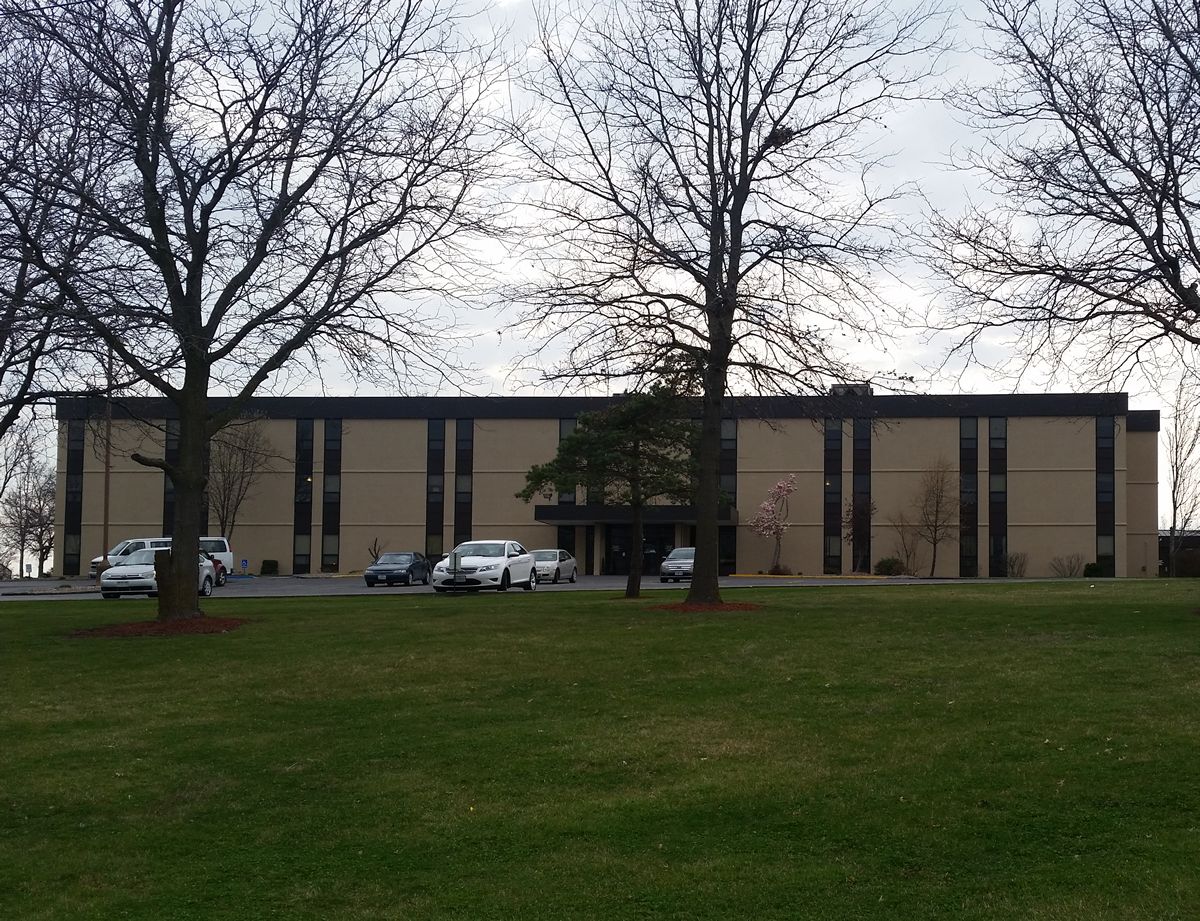
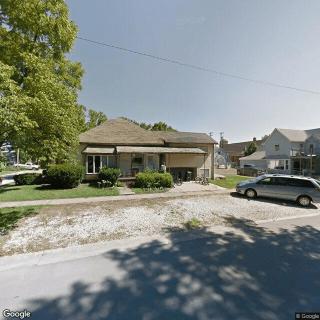
900 East Laharpe Po Box 767, Kirksville, MO 63501
For more information about senior living options: (866) 208-4318
Overall Review of Preferred Family Healthcare - Kirksville
Pros
 Two staff members stood out for doing their jobs well.
- The reviewer expresses a positive desire to learn new crafts and to get through rough times.
Cons
 The facility smelled like urine and the staff were not doing their job, with only two exceptions.
- The higher-ups did not care about the patients' stay; all they cared about was turning a profit.
- They would not recommend going there.
- The staff were very rude and dishonest, lying and twisting information.
- They warned that a loved one could be placed under guardianship in a heartbeat.
- The place is outdated and run-down; it hasn't been updated since 2000–2002 and needs a new building or closure.
- For mental health help, their approach is to call the police.
- They promised to call back but never did.
Review
This community is best suited for budget-driven families with few alternatives who must choose the least expensive option despite clear red flags about care quality and responsiveness. In practical terms, it stacks up as a last-resort choice for loved ones when other facilities are out of reach financially, or when a family cannot secure alternatives with stronger staffing, cleanliness, and communication. For most seniors needing reliable daily support, this is not the right fit, and focused evaluation should point toward options that prioritize dignity, safety, and ongoing engagement.
Those considering alternatives should first look for facilities with transparent staffing patterns, prompt family communication, and up-to-date infrastructure. If a loved one requires consistent, attentive caregivers, timely follow-through on promised calls, and a professional approach to crisis situations, this Kirksville option warrants a hard pass. The most concerning themes across reviews are not isolated incidents but recurring patterns: neglect in basic duties, recurrent neglect of cleanliness, and leadership that appears detached from frontline care. Prospective diners should treat these signals as deal-breakers and compare them against facilities with verifiable accountability and resident advocacy.
The few potential positives that occasionally surface in reviews, limited opportunities for crafts or social activity, do not meaningfully offset the core drawbacks. They do not counteract repeated reports of odor and unhappy environments, staff behavior described as rude or disengaged, and promises that go unkept. Even where there is some degree of activity or interaction, the overarching experience described by reviewers is one of inconsistency, miscommunication, and a sense that resident well-being is not the highest priority. In decision-making terms, these dynamics undermine trust and long-term planning for a safe, supportive living arrangement.
From a practical standpoint, families should verify critical factors before considering a move. Request and review the latest state inspection reports, question staff-to-resident ratios, and observe actual day-to-day care during a tour. Seek direct conversations with front-line caregivers about how emergencies, medication management, and behavior support are handled. Insist on a written care plan with measurable goals, regular family updates, and a clear escalation path when concerns arise. If guardianship or legal oversight is part of the consideration, demand explicit protections and documented oversight that ensure resident autonomy and consent rather than coercive practices.
When weighing options, it is prudent to explore nearby facilities with stronger reputations for safety, cleanliness, and respectful treatment. Engage local aging services, ask for independent family testimonials, and compare responses to inquiries about crisis intervention, ethics, and resident rights. If a cost delta exists, require a transparent breakdown that includes staffing levels, activities, meals, and corridor upkeep. The contrast between what is promised and what is experienced in this community is stark enough to justify a cautious, almost skeptical approach to any commitment.
In the end, the recommended stance is clear: this facility should be avoided by families prioritizing consistent care, respectful staff, and transparent communication. Only if every other option is out of reach financially and there is no alternative viable facility should consideration move toward this option, and even then with rigorous due diligence, a short trial period, and unwavering family oversight. The strongest advice is to pursue facilities that demonstrate sustained accountability, clean and safe environments, and a proven record of placing resident welfare at the center of operations.
 57 resident community capacity
 Assisted Living
 Respite Care
 Air-conditioning
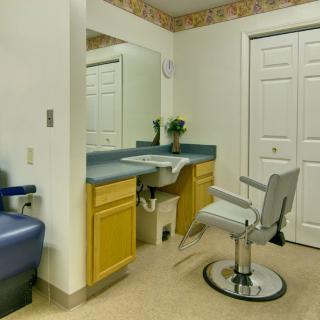
 Beauty salon
 Cable or satellite TV
 Computer center
 Dining room
 Fitness room
 Fully furnished
 Gaming room
 Garden
 Housekeeping services
 Kitchenette
 Move-in coordination
 Outdoor space
 Private bathrooms
 Restaurant-style dining
 Small library
 Telephone
 Wellness center
 Wi-Fi/high-speed internet available
 Community operated transportation
 12-16 hour nursing
 24-hour call system
 Activities of daily living assistance
 Assistance with bathing
 Assistance with dressing
 Assistance with transfers
 Diabetes diet
 Medication management
 Mental wellness program
 Special dietary restrictions
 Concierge services
 Planned day trips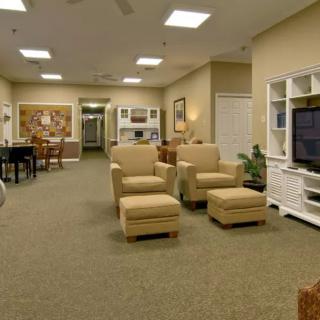


 Social Security Benefits and Assisted Living: Navigating Options Across the U.S.
 An Extensive Exploration of the VA Aid and Attendance Benefit
 Senior Transition Services: Understanding Their Role, Cost, and Importance