
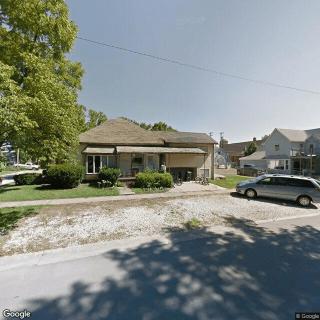
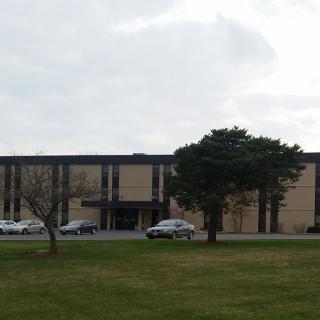
1900 South Jamison, Kirksville, MO 63501
For more information about senior living options: (866) 208-4318
Overall Review of Twin Pines Adult Care Center
Pros
 The facility feels pleasant and modern, and residents seem happy there.
- The staff are very attentive and treat residents with respect.
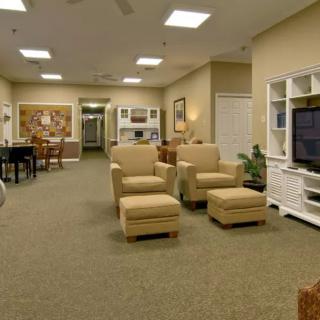
- The facility is clean, with puzzles available for residents to enjoy.
- They arrange local shopping trips and other outings for residents.
- The meals served are enjoyable.
- The rehab unit provides helpful care with caring physicians.
- The staff keeps families informed and asks how they can help.
- Residents have opportunities to participate in activities that keep them engaged in daily life.
Cons
 They didn't like the fact that so many workers come and go.
- They believe many staff don't take their jobs to heart and don't care about their patients.
- They state that most staff could care less about their patients.
- They describe the situation as sad.
Review
Twin Pines Adult Care Center in Kirksville, MO, is best suited for seniors who need regular nursing support and rehabilitation within a clean, modern setting, and for families that value attentive staff, reliable communication, and engaging daily life. The facility accommodates wheelchair users and Hoyer lift transfers and demonstrates a practical rehab-to-long-term transition. A hospital-like rehab wing supports short-term therapy and progress, which is reassuring for those prioritizing structured, professional care in the near term. For families seeking a straightforward, hands-on care team that can coordinate medical oversight while keeping residents socially engaged, Twin Pines offers a compelling, action-oriented option.
The strongest positives sit squarely with the caregiving team and the environment. Residents benefit from staff who are described as attentive, respectful, and courteous, with clearly consistent efforts to keep residents informed about status and needs. The facility’s cleanliness and modern feel reinforce a sense of dignity and safety, while amenities like visible puzzles and structured activities help maintain participation in everyday life. Mealtimes are reportedly pleasant, and the care team appears proactive in coordinating transportation to local errands, which supports independence where possible. In short, Twin Pines delivers the reliability and engagement families want from a center that combines daily routine with ongoing medical attention.
However, there is a significant caveat centered on staffing continuity. One family flagged frequent turnover, suggesting that constant change among frontline workers can undermine the feeling of consistent, deeply personalized care. While other reviews praise the staff for respect and thoroughness, the turnover concern remains a real downside for families who prioritize stable relationships with caregivers and seamless day-to-day familiarity for a loved one. The rehab-to-long-term transition also introduces an element of impermanence for residents waiting to move from a temporary rehab bed to a permanent long-term room, which can affect continuity of routine and comfort.
Despite the turnover concern, the pros do offset the main drawbacks in meaningful, if incremental, ways. The combination of attentive staff, thorough physicians, and strong communication helps mitigate anxiety about a changing caregiving team. Families report being kept in the loop with status updates and proactive offers of support, which is crucial during rehab periods and during the move to a designated long-term space. The collaborative care approach, where therapists, nurses, and physicians align on goals, helps ensure that residents continue to progress, stay engaged, and maintain a sense of agency in their daily lives. For many families, these elements translate into tangible peace of mind even when staff shifts occur.
For those weighing alternatives, Twin Pines makes sense to consider for residents who prize immediate access to rehab services and a straightforward path to ongoing nursing care within a modern, orderly setting. Alternatives may be prudent for families who cannot tolerate perceived fluctuations in caregiver assignments or who require a longer period of long-term stability before settling into a routine. Potential questions to explore include: What is the current plan for stabilizing frontline staff? How soon can a long-term room be guaranteed, and what does the transition timeline look like? How is therapy coordinated with ongoing medical oversight, and can a family meet the rehabilitation team prior to admission?
In the end, Twin Pines stands out for practical, human-centered care delivered in a clean, well-maintained environment, with activities and transportation that support an active daily rhythm. The decisive factors for choosing this community hinge on comfort with a rehab-focused transitional phase and a desire for consistently respectful, engaged staff. Prospective residents should test the consistency of caregiving through visits, observe the interaction patterns between residents and staff, and map out the expected trajectory from rehab to permanent placement. If stability in staffing is non-negotiable, or if the goal is seamless long-term placement with minimal transition friction, it may be wise to widen the review to other local options.
 132 resident community capacity
 Memory Care
 Skilled Nursing Facility
 Air-conditioning
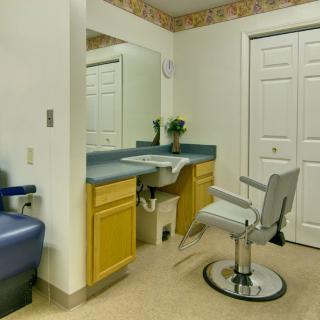
 Beauty salon
 Cable or satellite TV
 Computer center
 Dining room
 Fitness room
 Fully furnished
 Gaming room
 Garden
 Housekeeping services
 Kitchenette
 Move-in coordination
 Outdoor space
 Private bathrooms
 Restaurant-style dining
 Small library
 Telephone
 Wellness center
 Wi-Fi/high-speed internet available
 Community operated transportation
 24-hour call system
 Activities of daily living assistance
 Assistance with bathing
 Assistance with dressing
 Assistance with transfers
 Diabetes diet
 Medication management
 Special dietary restrictions
 Concierge services
 Planned day trips
 Delirium and Dementia: Unraveling the Key Differences
 Are Dementia and Alzheimer's Disease Lethal? A Comprehensive Exploration
 Exploring the Power of Reminiscence Therapy for Individuals With Dementia