For more information about senior living options: (866) 208-4318
2.8 from 85 reviews
5 stars
29
4 stars
4
3 stars
8
2 stars
9
1 stars
35
Delmar Gardens North Costs & Pricing
Delmar Gardens North offers a range of accommodation options with monthly costs that reflect its commitment to quality care. For semi-private rooms, residents can expect to pay $4,800, which is notably higher than the average cost in St. Louis County at $4,438 and significantly above the statewide average of $3,772. Those opting for private rooms will find the pricing at Delmar Gardens North set at $6,060; this is also above both the county average of $4,622 and the state average of $4,483. These figures indicate that while Delmar Gardens North falls on the higher end of the spectrum for assisted living facilities in Missouri and St. Louis County, it may offer enhanced amenities and services that justify the premium costs.
Floor plans
Delmar Gardens North
St. Louis County
Missouri
Semi-Private
$4,800
$4,438
$3,772
Private
$6,060
$4,622
$4,483
Skilled Nursing Facilities with a similar price nearby
Residents and families report uneven day-to-day care and follow-through.
Several reviewers describe gaps in basic care during rehabilitation, including delayed or missed help and problems that were not addressed quickly enough. A few accounts mention hygiene issues such as not receiving a shower or sponge bath when expected. Others describe falls and equipment or movement concerns, including situations where communication after incidents did not go well.
caveat5 reviews mention this
Communication and response times
Families report long waits and weak communication when they reach out for help.
Some reviews say staff took too long to respond to call lights or requests for assistance, which left residents waiting. Others report that promised follow-ups or information sharing did not happen, including delays around test results and missed updates. There are also complaints about transportation and coordination, such as late notice related to dialysis that led a family member to change plans.
caveat3 reviews mention this
Rooms described as missing basics
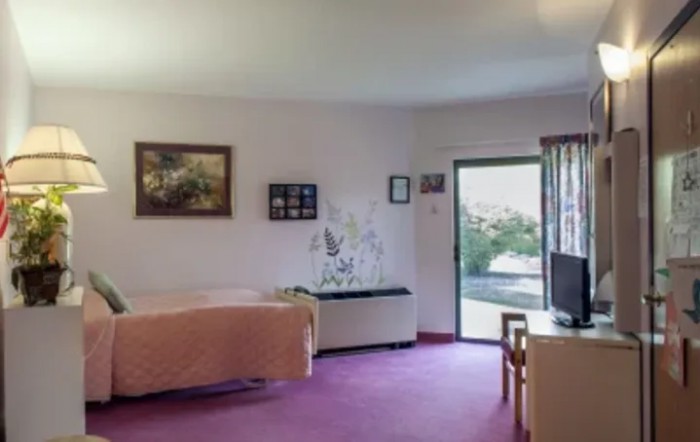
Some rehab rooms are described as lacking basic furnishings and lighting.
A few reviewers describe rooms with limited items such as missing a dresser and lacking lights, along with concerns about a fall risk from rugs. Multiple accounts connect these room setup issues to the rehab experience and disability needs. The common thread is that the environment did not match what families expected for short-term recovery.
common3 reviews mention this
Diabetic meals and blood sugar
Diabetic diet support is a clear point of attention in reviews.
Some families specifically call out diabetic care as handled well, including managing blood sugar and preparing appropriate diabetic meals. Other reviews criticize the diabetic meal experience, including reports of an incomplete diabetic menu. The mix of feedback suggests outcomes may vary depending on the situation and unit.
common2 reviews mention this
Activities and outings matter
Activities and outings show up as meaningful parts of life here.
Several reviewers mention more engagement than they expected, including resident activity days and scheduled field trips. At least one tour-focused review also notes a lack of activity and support in certain areas, which contrasts with the more positive activity stories. Overall, reviews suggest activities can be a strength, but the experience may differ by setting.
common9 reviews mention this
Staff compassion and cleanliness praised
Multiple reviews praise staff kindness, cleanliness, and being kept informed.
Many positive reviews describe staff as caring and responsive in day-to-day interactions, including kindness toward residents and families. A number of comments also emphasize the facility being clean and up-to-date. Some reviewers specifically say they were notified when something changed, which they saw as reassurance during recovery or longer stays.
How we summarize
Counts show how many written reviews mention each theme; a review can touch several themes, and only frequently mentioned themes are displayed.
Features
Housing
240 resident community capacity
Types of Care
Skilled Nursing Facility
Pets
Cats allowed
Dogs allowed
Amenities
Activities on-site
Air-conditioning
Beauty salon
Cable or satellite TV
Computer center
Devotional services off-site
Dining room
Fitness room
Fully furnished
Gaming room
Garden
Housekeeping services
Indoor common areas
Kitchenette
Move-in coordination
Outdoor space
Private
Private bathrooms
Restaurant-style dining
Small library
Telephone
Wellness center
Wi-Fi/high-speed internet available
Transportation
Lambert-St Louis International (6 miles away)
Community operated transportation
Transportation arrangement
Care Services
24-hour call system
24-hour supervision
Activities of daily living assistance
Ambulatory care
Assistance with bathing
Assistance with dressing
Assistance with transfers
Diabetes diet
Diabetic care
Meal preparation and service
Medication management
Special dietary restrictions
Dining
Diabetes diet
Meals provided
Special dietary restrictions
Activities
Activities on-site
Community-sponsored activities
Concierge services
Devotional activities offsite
Fitness programs
Planned day trips
Resident-run activities
Scheduled daily activities
Nearby Places of Interest
Located in the suburban community of Black Jack, Missouri, this area offers a variety of amenities and services that cater to seniors. With several restaurants nearby such as Chili's Grill & Bar, McDonald's, and Chick-Fil-A, there are plenty of dining options to choose from. Additionally, pharmacies like Walgreens and Schnucks are conveniently located within a short distance for any medical needs. For leisure activities, parks such as St Ferdinand Park provide opportunities for outdoor recreation. Nearby hospitals include Christian Hospital and DePaul Health Center, ensuring access to quality healthcare services. Transportation options like U-Haul Moving & Storage and Metrolink North Hanley Station offer convenience for getting around the area. Places of worship and physician offices are also easily accessible, making this part of Black Jack a convenient and desirable location for senior living.
Restaurants
Chili's Grill & Bar (1.4 miles)
McDonald's (1.6 miles)
Chick-Fil-A (1.7 miles)
KFC (1.9 miles)
Chipotle Mexican Grill (2 miles)
Saint Louis Bread Co. (2 miles)
Firehouse Subs (2 miles)
Pharmacies
Walgreens (1.6 miles)
Schnucks (1.7 miles)
Schnucks (2.2 miles)
CVS Pharmacy (2.3 miles)
Walgreens (2.3 miles)
Walgreens (2.4 miles)
Walgreens (2.8 miles)
Cafes
Starbucks (1.7 miles)
Old Town Donut Shop (2.7 miles)
Made. by Lia (2.9 miles)
Starbucks (3.6 miles)
Blueprint Coff (9.8 miles)
Starbucks (9.8 miles)
Hospitals
Christian Hospital (2.2 miles)
DePaul Health Center - Emergency Room (9.2 miles)
DePaul Hospital (9.2 miles)
Getwebbed Net (9.4 miles)
Alton Memorial Surgery Center (9.4 miles)
Saint Anthony's Health Center (9.4 miles)
Alton Memorial Hospital (9.4 miles)
Transportation
U-Haul Moving & Storage (2.3 miles)
Metrolink North Hanley Station (5.8 miles)
Southwest Airlines (6 miles)
Terminal 2 Parking (6 miles)
Enterprise Rent-A-Car (6.1 miles)
National Car Rental (6.2 miles)
TSA Security Checkpoint Gates C & D (6.2 miles)
Parks
St Ferdinand Park (2.9 miles)
Piasa Park (8.1 miles)
Garfield Park (8.4 miles)
Wohl Recreation Center / Sherman Park (9.1 miles)
Fairground Park (9.4 miles)
Places of Worship
St Ann Catholic School (6.5 miles)
Millennium Temple Church of God in Christ (8.8 miles)
Elm Street Presbyterian Church (9.8 miles)
Physicians
Riverbend Ophthalmology (8.2 miles)
Saint Anthony's Cancer Center of Excellence (8.5 miles)
Delmar Gardens North offers a range of accommodation options with monthly costs that reflect its commitment to quality care. For semi-private rooms, residents can expect to pay $4,800, which is notably higher than the average cost in St. Louis County at $4,438 and significantly above the statewide average of $3,772. Those opting for private rooms will find the pricing at Delmar Gardens North set at $6,060; this is also above both the county average of $4,622 and the state average of $4,483. These figures indicate that while Delmar Gardens North falls on the higher end of the spectrum for assisted living facilities in Missouri and St. Louis County, it may offer enhanced amenities and services that justify the premium costs.
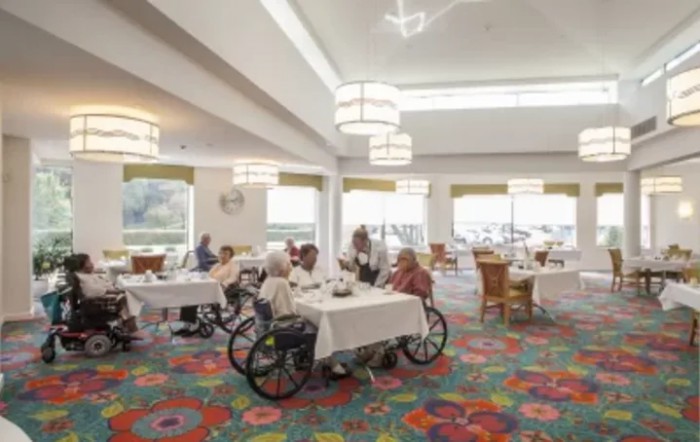
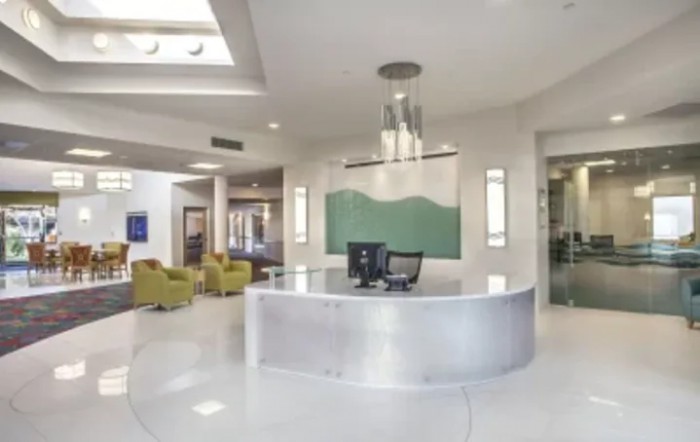
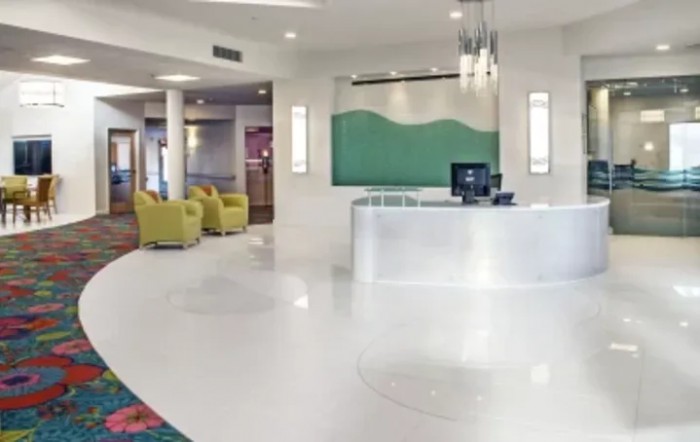
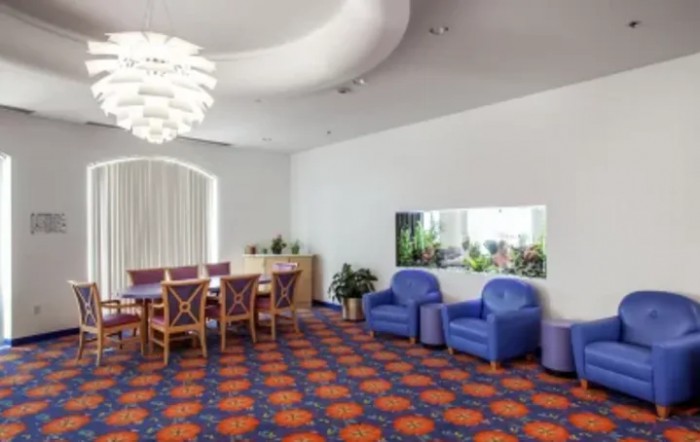
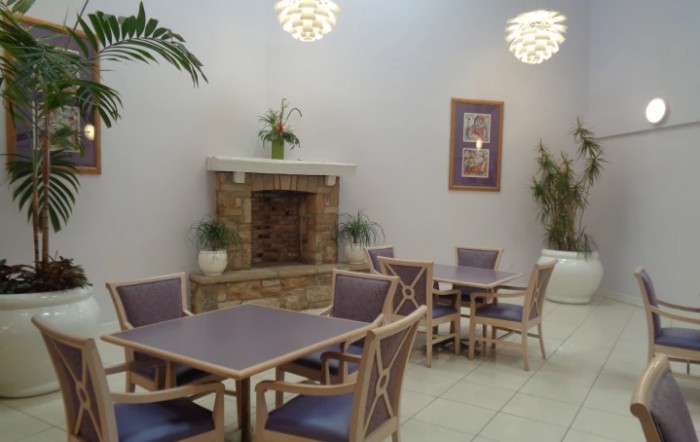
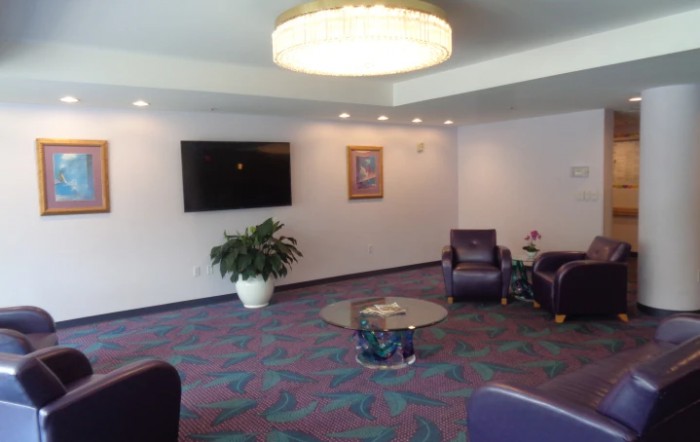
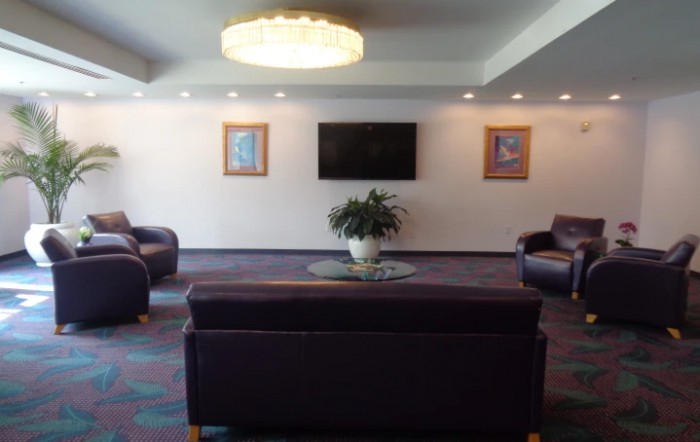
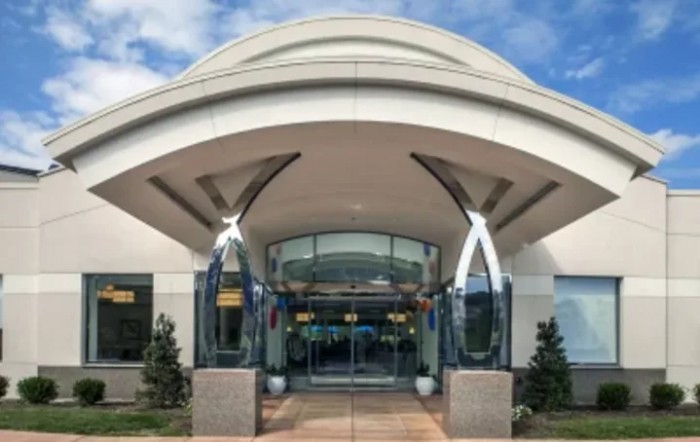
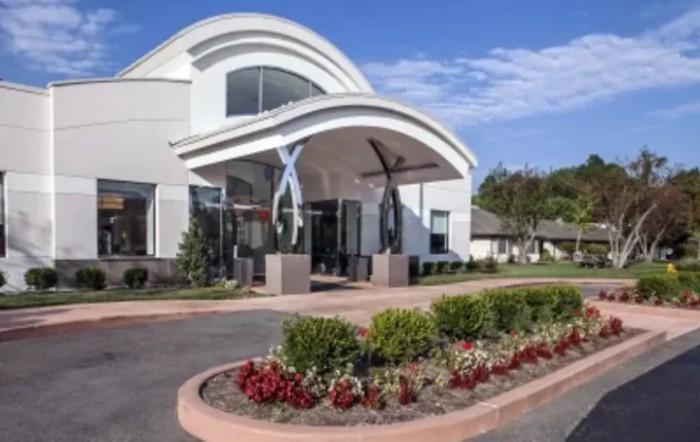
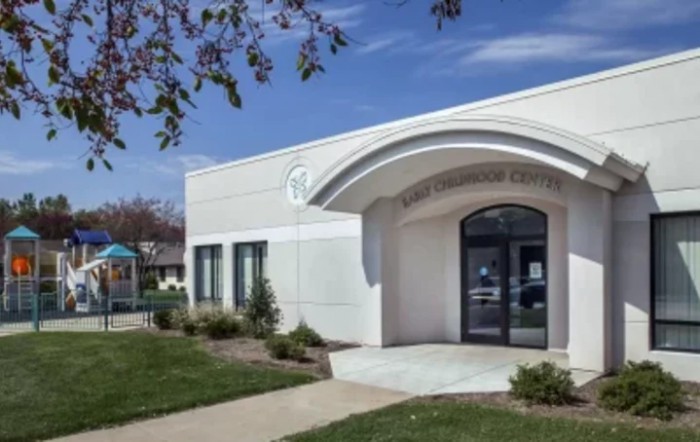
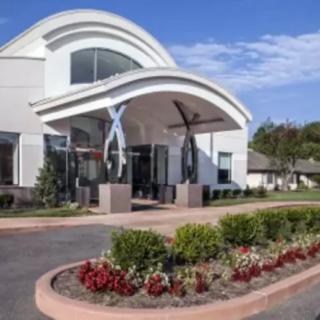
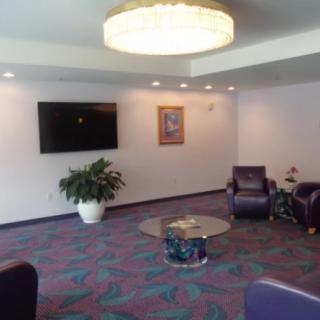
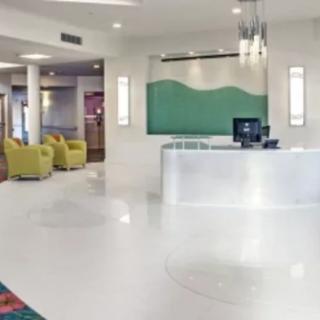
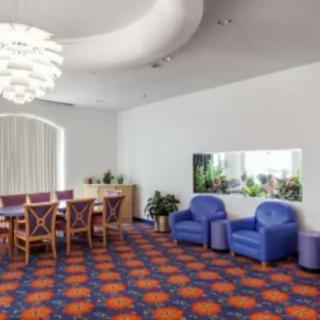
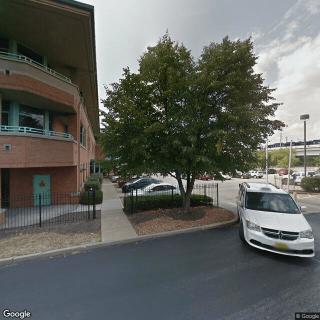
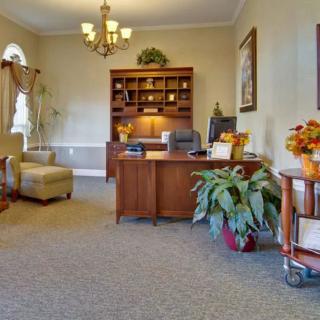
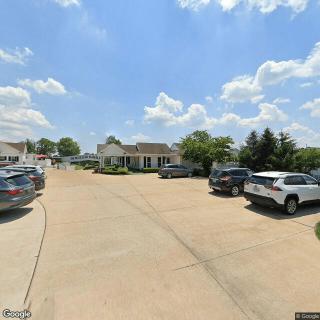
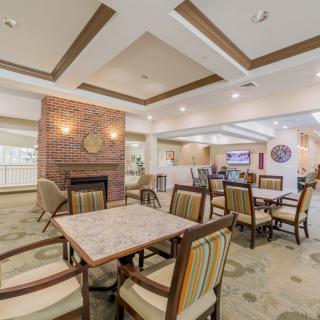
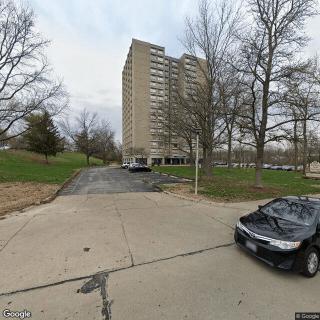
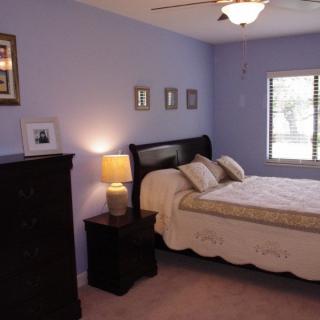
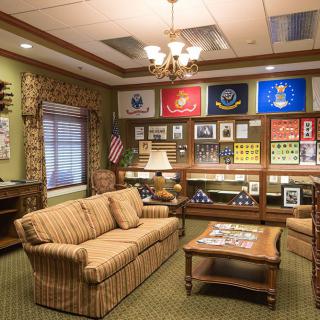
Delmar Gardens North on seniors.fyi includes 14 photos including images showing interior, dining, lobby, decor, architecture, building, entrance, television, and more.
Nearby Communities
Garden Villas North
Florissant, MO
4.5 from 48 reviews
$2,075 to $4,295 / month
Friendly, attentive staff and a clean, welcoming community with a diverse activities calendar.
Garden Plaza of Florissant
Florissant, MO
3.4 from 51 reviews
Dedicated staff with ongoing efforts to improve resident care.
Kendelwood Apartments
Florissant, MO
3.8 from 80 reviews
Close to dining, parks, pharmacies, and hospitals.
The Pillars Of North County Health & Rehab Center
Florissant, MO
3.4 from 46 reviews
Caring staff with personalized care plans and a clean, welcoming environment.
St Catherine Retirement Community
Florissant, MO
4.7 from 52 reviews
$1,825 to $2,090 / month
Friendly, caring staff and a welcoming, home-like community with engaging activities.
Crestwood Health Care Center
Florissant, MO
2.9 from 23 reviews
$3,660 / month
Accessible administration with proactive placement guidance and flexible tours.
Wellington Arms Apartments
Florissant, MO
3.7 from 32 reviews
Dignified, sociable community with friendly staff and engaging activities.
Village North Retirement Community
St. Louis, MO
4.1 from 36 reviews
Accommodating staff, spacious living spaces, and a variety of activities.
Garden Plaza Of Florissant
Florissant, MO
3.5 from 68 reviews
$2,645 to $4,410 / month
Clean, centrally located facility with supportive staff, spacious apartments, and engaging activities, plus in-house rehab and memory-care programming.
Nonmedical home care provides assistance with daily activities and companionship for individuals wishing to maintain independence and quality of life at home, without medical intervention. Its growing popularity is driven by an aging population, the need for supportive environments for recovery, and the emotional benefits of caregiver companionship, while costs vary based on service frequency and location.
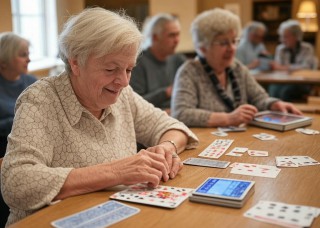
Maintaining cognitive fitness through engaging in various brain games, both traditional and digital, is crucial for seniors as it enhances memory retention, problem-solving abilities, and emotional well-being while helping to protect against age-related decline. A holistic approach that includes diverse activities, physical exercise, a balanced diet, and social interaction further supports mental health and cognitive function.
The article outlines strategies for keeping seniors' minds active through brain games and apps, highlighting the importance of cognitive exercises, social engagement, and a healthy lifestyle in combating cognitive decline. It emphasizes the benefits of various types of games and offers practical tips for maintaining mental wellness through enjoyable activities while acknowledging their limitations.
Get PricingAsk A QuestionSchedule A TourContact Senior Advisor
By clicking submit, you agree to our Partner's Terms of Use. You
also consent to receive calls and texts, which may be autodialed, from our Partner. Your consent is not a condition to
using our Partner's service. Please visit our Partner's Privacy Policy for information about their privacy practices.











 240 resident community capacity
 Skilled Nursing Facility
 Cats allowed
 Dogs allowed
 Activities on-site
 Air-conditioning
 Beauty salon
 Cable or satellite TV
 Computer center
 Devotional services off-site
 Dining room
 Fitness room
 Fully furnished
 Gaming room
 Garden
 Housekeeping services
 Indoor common areas
 Kitchenette
 Move-in coordination
 Outdoor space
 Private
 Private bathrooms
 Restaurant-style dining
 Small library
 Telephone
 Wellness center
 Wi-Fi/high-speed internet available
 Lambert-St Louis International (6 miles away)
 Community operated transportation
 24-hour call system
 Ambulatory care
 Assistance with bathing
 Assistance with dressing
 Assistance with transfers
 Diabetes diet
 Diabetic care
 Medication management
 Special dietary restrictions
 Concierge services
 Planned day trips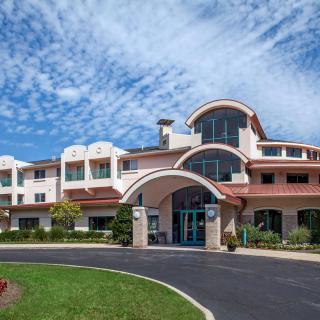
 Friendly, attentive staff and a clean, welcoming community with a diverse activities calendar.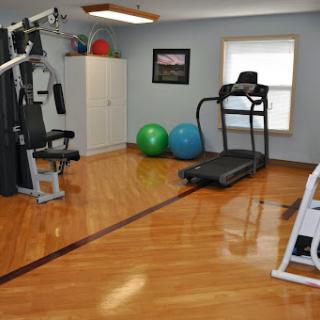
 Exploring Nonmedical Home Care: Understanding Services, Costs, and Financial Approaches
 Engaging Brain Games and Innovative Apps to Keep Senior Minds Active
 Effective Strategies for Keeping Seniors' Minds Active: A Deep Dive into Brain Games and Apps