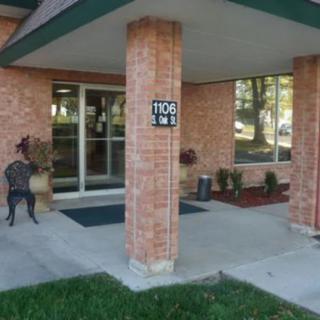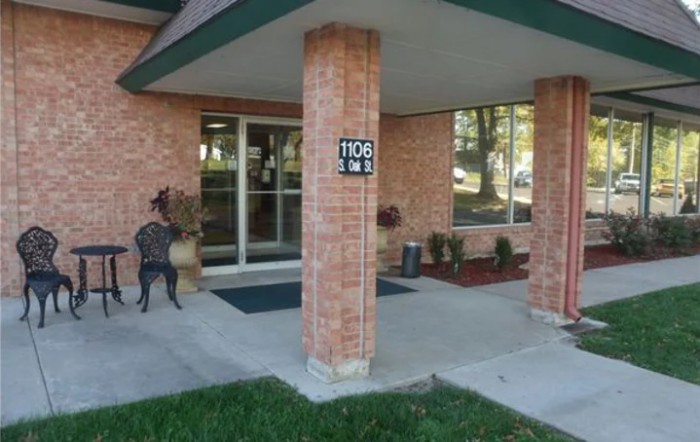
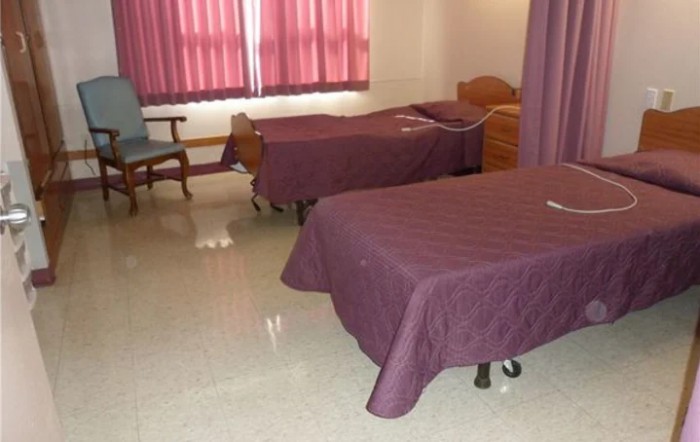
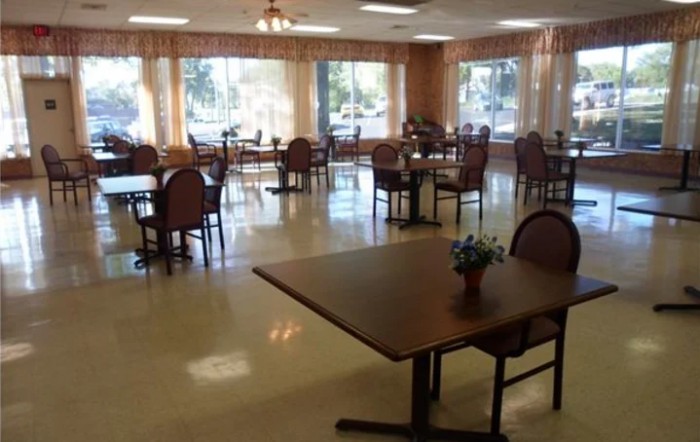
1106 South Oak, California, MO 65018
For more information about senior living options: (866) 208-4318
Overall Review of California Care Center
Pros
 The staff were very friendly.
- The facility had a great cook.
- The therapists were great.
- Staff helped patients get back on their feet quickly.
- The reviewer enjoyed their time there.
- The facility's efficiency impressed the reviewer.
- The reviewer would recommend the facility for skilled nursing services.
- Housekeeping is good.
- Food services is good.
Cons
 The nursing staff care more about spreading gossip and rumors than about patients' wellbeing and health.
- The DON is a joke and chastises and demeans staff in front of anyone and everyone.
- The facility is very understaffed.
- A patient's medication was stolen and replaced with water.
- They were told to be concerned about their ability to pay instead of sending the patient's medical information to the new facility.
- They would not recommend placing anyone they care about in this facility.
Review
California Care Center in California, Missouri is best suited for seniors who need post-acute rehabilitation and skilled nursing care, not as a long-term residence. The strongest case lies with residents pursuing a recovery pathway after surgery or a serious injury, where rapid access to physical and occupational therapy, steady nursing oversight, and dependable meals support a tangible return to independent living. Several reviewers point to friendly staff, capable therapists, and a kitchen that delivers solid, satisfying meals as tangible positives. For someone stepping out of hospital care and needing structured rehab to regain mobility, this center can deliver the kind of focused, outcome-driven care that short rehab stays require.
That said, serious considerations push families to explore alternatives. The most persistent red flags cluster around staffing stability and leadership tone. Reports describe nursing staff more engaged in gossip than patient welfare, with a DON who is seen as overbearing and publicly demeaning, creating a culture that undermines morale and consistency. Understaffing is a recurring concern, which translates into slower responses, missed nursing tasks, and reduced oversight. Medication security and communication with external facilities also emerge as recurring problem areas, including allegations of medication being tampered with and difficulties transferring medical information promptly. For families prioritizing a calm, consistently well-supervised living environment over rehab-centered objectives, these issues matter.
In weighing the pros against the cons, the clinical strengths can offset only so much. The therapy team’s competence and the facility’s efficiency during care episodes are meaningful advantages for post-acute goals, and the reliable kitchen setup supports recovery through good nutrition and predictable meal routines. However, the benefits tend to be outweighed by concerns about day-to-day safety, staff morale, and administrative responsiveness. When rapid rehabilitation is achieved but the environment feels unstable or the risk of medication handling lapses is present, the overall value of the stay diminishes for long-term considerations. Families must weigh the clarity of immediate rehab gains against the potential for ongoing care inconsistencies.
For families evaluating options, a practical plan matters. Before choosing, request a detailed tour focusing on staffing patterns and nurse-to-resident ratios during peak hours, and ask to see recent incident logs related to medications and transfers. Probe the administrative leadership, how responsive is the DON or administrator when issues arise, and what systems are in place to prevent medication errors and ensure smooth information sharing with sending and receiving facilities? If proceeding with a stay, insist on a clear, written rehabilitation goals plan with milestone reviews, daily nursing check-ins, and a defined discharge pathway. Consider arranging a short-term, controlled trial period to test the environment before committing to a longer stay.
The bottom line is pragmatic: the California Care Center can be an effective choice for aggressive post-acute rehab thanks to capable therapists and dependable meal service, but the downsides, staffing volatility, leadership concerns, and reports of medication handling issues and poor information flow, cannot be ignored. Families whose priority is a predictable, safety-conscious long-term home may find better alignment elsewhere. If the decision centers on rehabilitation outcomes and immediate mobility recovery, proceed with due diligence, verify leadership accountability, insist on strong medication safeguards, and secure a transparent care plan. For long-term care or situations requiring consistently calm, stable day-to-day management, look beyond this facility to SNFs with stronger staffing guarantees and more proactive administration.
 60 resident community capacity
 Skilled Nursing Facility
 Air-conditioning
 Beauty salon
 Cable or satellite TV
 Computer center
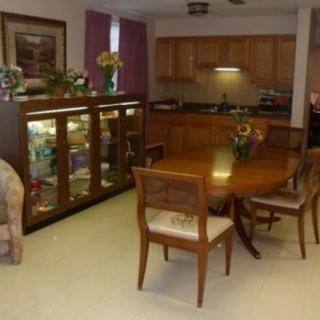
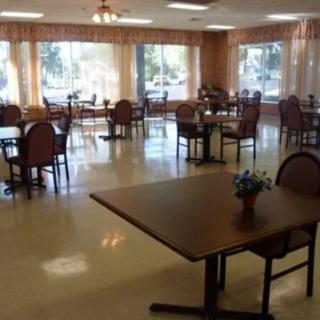
 Dining room
 Fitness room
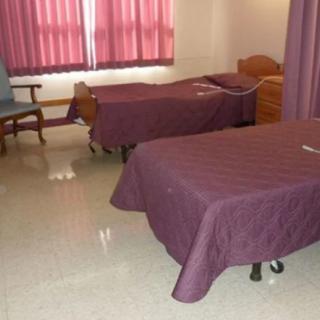
 Fully furnished
 Gaming room
 Garden
 Housekeeping services
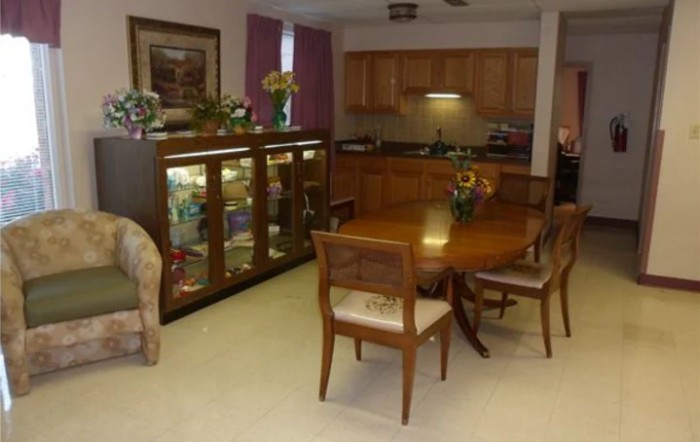
 Kitchenette
 Move-in coordination
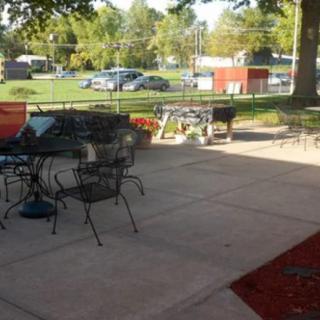
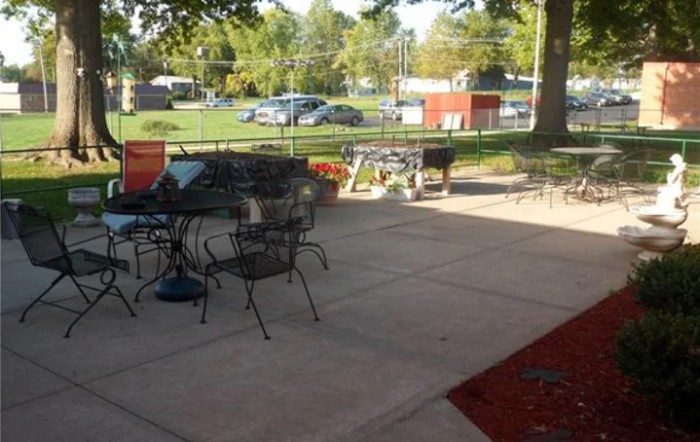
 Outdoor space
 Private bathrooms
 Restaurant-style dining
 Small library
 Telephone
 Wellness center
 Wi-Fi/high-speed internet available
 Columbia Regional (23 miles away)
 Community operated transportation
 24-hour call system
 Activities of daily living assistance
 Assistance with bathing
 Assistance with dressing
 Assistance with transfers
 Diabetes diet
 Medication management
 Special dietary restrictions
 Concierge services
 Planned day trips




 Financing Long-Term Nursing Home Care Through Social Security: A Thorough Exploration
 Essential Knowledge on Pneumonia in Older Adults
 Exploring Palliative Care in the Home: A Comprehensive Overview