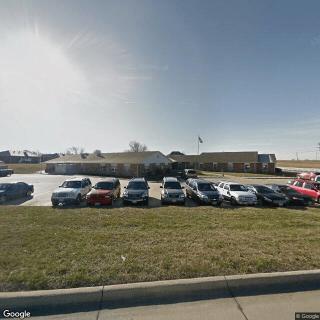
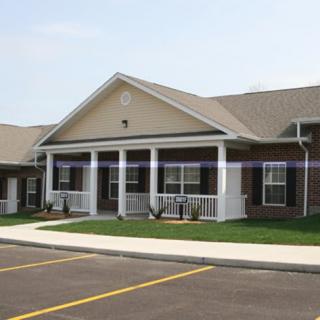
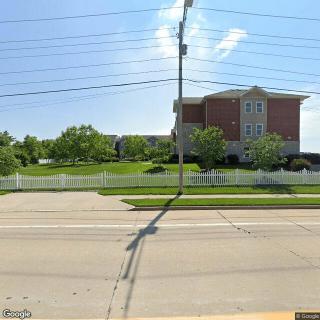
Valley Park West

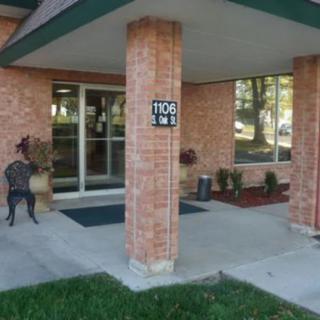
678 Windmille Ridge, California, MO 65018

For more information about senior living options: (844) 490-3973

4.4 from 7 reviews
5 stars
6
4 stars
0
3 stars
0
2 stars
0
1 stars
1

Assisted Living

Valley Park West Costs & Pricing

At Valley Park West, the cost for a private room is competitively priced at $4,000 per month. This rate aligns closely with the average costs in Moniteau County, where residents can also expect to pay around $4,000. However, it is important to note that this pricing is more favorable compared to the broader state average in Missouri, which stands at approximately $4,483 for a similar accommodation. Overall, Valley Park West offers an appealing option for individuals seeking quality care without straining their budget excessively compared to both local and state averages.

Floor plansValley Park WestMoniteau CountyMissouri
Private$4,000$4,000$4,483

Overall Review of Valley Park West

Pros

  • pro It is a beautiful place.
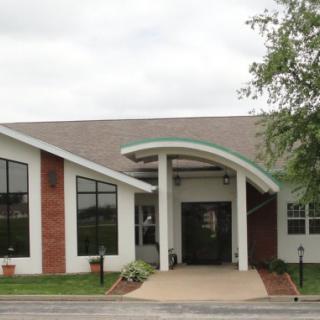
  • pro It is newly developed and very nice.
  • pro The place feels like home.
  • pro It would be recommended for anyone seeking semi-independent living west of Jefferson City, Missouri.

Cons

  • pro The owners do not care about the residents or their staff.
  • pro They offer minimum funds with ZERO benefits.
  • pro They are now trying to sell their 3 facilities.
  • pro They have ruined their reputation in the community.

Review

The two notes about the same set of facilities offer a striking contrast in experience and emphasis, capturing a split perception that can be common in senior living communities. One voice centers on the management and financial choices shaping daily life for residents and staff, while the other foregrounds the physical environment and the potential fit for those seeking semi-independent living. Taken together, they sketch a place that is at once appealing in appearance and fraught with concerns about leadership and sustainability.

In the more critical account, the message is blunt and uncompromising. The reviewer states, "Owners do not care about the residents or their staff." This line frames the relationship between leadership and the community as neglectful, suggesting a lack of consideration for the people who live and work there. The accusation goes beyond day-to-day annoyances; it asserts a systemic indifference that permeates care and culture. The reviewer goes on to say that the owners "offer minimum funds with ZERO benefits," painting a picture of tightened resources and a hollow benefits package that provides little to no tangible support for residents or the staff who serve them. The tone conveys frustration and a sense of deprivation, implying that resource limitations are not incidental but deliberate. The final sting in this harsh assessment is the claim that the owners are "now trying to sell their 3 facilities," a detail that signals not just financial strain but a potential shift in responsibility that could unsettle residents, families, and employees who have built routines and trust there. The cumulative effect of these statements is a perception of a deteriorating situation, where care quality and morale may be compromised by ownership choices, with a broader impact on the community's confidence in the facility.

This view also emphasizes reputational damage within the wider community. The reviewer explicitly says that the owners have "ruined their reputation in our community," suggesting that the perceived misalignment between management practices and resident well-being has become a talking point, perhaps influencing family decisions, referrals, and the willingness of local professionals to engage with the facility. When reputation becomes a casualty of management style and financial strategy, the fear expressed is not just about the present, but about future admissions, staffing stability, and the overall viability of the community as a trusted place for aging or semi-independent living. The sense of alarm is reinforced by the mention of selling multiple facilities, which can intensify worries about continuity of care, transfer processes, and consistent standards.

Against this darker backdrop, another perspective rises with a countervailing sense of optimism and pride in the physical space itself. The second excerpt describes the place as a "Beautiful place," underscoring the tangible appeal of the property. It emphasizes that the community is "Newly developed and very nice," suggesting contemporary design, updated amenities, and an environment that feels current and well cared for. The evaluator goes further to say, "This place feels like home," a phrase that carries emotional weight and implies warmth, comfort, and a familiar, welcoming atmosphere. In short, the setting is portrayed as inviting enough to create a sense of belonging and personal ease - an important factor for people considering long-term or semi-independent living arrangements.

What elevates this positive depiction is the assertion that the facility would be suitable for "semi independent living west of Jefferson City Missouri." The emphasis on semi-independence indicates a model that supports residents who want to maintain autonomy while benefiting from a secure, structured environment. The location note - west of Jefferson City - adds a geographical context that can matter for accessibility, community ties, and family visiting patterns. In this view, the beauty and the newness of the development are not merely aesthetic; they are framed as practical advantages for those seeking a balanced lifestyle where independence is respected but not solitary.

Taken together, these two perspectives illuminate a facility that can feel like two different places depending on where one looks. On one hand, the physical environment and the promise of a modern, home-like atmosphere can be compelling, especially for individuals prioritizing comfort, aesthetics, and the potential for semi-independent living. On the other hand, there is a loud warning about how ownership priorities and financial decisions can shape daily life, access to benefits, and long-term security for residents and staff. The tension between these views invites careful consideration for anyone evaluating this community: the appeal of a fresh, well-designed space versus concerns about funding, benefits, and the possibility of ownership change.

For anyone considering this facility, the best path forward is to weigh both the tangible qualities of the environment and the less tangible but crucial questions about management and sustainability. Prospective residents and families should seek clarity on funding structures, what benefits are truly offered, how staff levels are maintained, and what plans exist regarding ownership or sale. A thorough tour, conversations with current residents and staff, and written explanations of budgets and service standards can help illuminate whether the facility's beauty and potential align with the reality of day-to-day life. Only by pairing the positive, home-like impression with transparent answers about care, support, and long-term continuity can someone determine if this is the right place to call home.

Features

Housing

  • 24 resident community capacity 24 resident community capacity

Types of Care

  • Assisted Living Assisted LivingAssisted living facilities provide crucial support and care for seniors who may need help with daily tasks such as medication management, bathing, and meal preparation. These communities offer a safe and comfortable environment where seniors can maintain their independence while receiving the assistance they need to thrive in their golden years.

Amenities

  • Beauty salon Beauty salonBeauty salons are important for seniors because they provide a space for them to feel pampered, socialize, and maintain their personal grooming and hygiene. Regular visits to a beauty salon can help boost seniors' self-esteem and overall well-being.
  • Cable or satellite TV Cable or satellite TVCable or satellite TV is important for seniors because it provides entertainment, news, and companionship, helping to combat loneliness and boredom. It also offers a wide range of programming options tailored to different interests and preferences.
  • Dining room Dining roomDining rooms are important for seniors as they provide a space for socialization, connection, and nutritious meals. They offer opportunities for residents to bond over shared meals, foster a sense of community, and promote healthy eating habits. Dining rooms also ensure that seniors have access to well-balanced meals tailored to their dietary needs and preferences.
  • Fully furnished Fully furnishedFully furnished senior living communities are important for seniors because they provide convenience, comfort, and a hassle-free moving experience. Seniors can easily settle into their new living space without the stress of having to buy and move furniture. This allows them to focus on enjoying their new home and community.
  • Garden GardenGardens are important for seniors as they provide a peaceful and therapeutic environment for relaxation, physical activity, and socialization. Being in nature has been shown to reduce stress, improve mood, and promote overall well-being. Gardens also offer opportunities for seniors to engage in gardening activities, which can improve mobility, flexibility, and cognitive function. Additionally, gardens create a sense of community and connection with others who share a passion for plants and outdoor spaces.
  • Housekeeping services Housekeeping servicesHousekeeping services are important for seniors because they help maintain a clean and safe living environment, promote independence, and reduce the risk of accidents or illnesses. Additionally, having assistance with household chores can alleviate physical strain and allow seniors to focus on other aspects of their well-being.
  • Kitchenette KitchenetteKitchenettes are important for seniors living in senior living communities because they provide the convenience and independence of being able to prepare simple meals and snacks in the comfort of their own living space. This can help promote a sense of autonomy and well-being for seniors, allowing them to maintain some level of control over their dietary choices and daily routines.
  • Move-in coordination Move-in coordinationMove-in coordination is important for seniors because it helps ease the transition into their new living environment. It ensures that all logistics, such as packing, organizing movers, and setting up utilities are taken care of, allowing seniors to focus on settling in and adjusting to their new home. Having a smooth move-in process can alleviate stress and anxiety, making the transition smoother and more enjoyable for seniors.
  • Outdoor space Outdoor spaceOutdoor spaces are important for seniors as they provide opportunities for physical activity, social interaction, exposure to natural light and fresh air, and a sense of connection to nature. Having access to outdoor spaces can improve overall well-being and quality of life for older adults living in senior communities.
  • Restaurant-style dining Restaurant-style diningRestaurant-style dining is important for seniors because it allows them to enjoy delicious, nutritious meals in a social and upscale setting. This enhances their dining experience, promotes healthy eating habits, and fosters socialization with fellow residents, ultimately contributing to their overall well-being and quality of life.
  • Small library Small librarySmall libraries are important for seniors as they provide access to a variety of reading materials, including books, newspapers, and magazines. This can help stimulate their minds, keep them engaged, and provide a sense of community through book clubs and other social activities. Additionally, reading has been shown to improve cognitive function and overall mental well-being in older adults.
  • Telephone TelephoneTelephones are important for seniors as they provide a lifeline for communication with loved ones, emergency services, and healthcare providers. They offer a sense of security and independence, enabling seniors to stay connected and access assistance when needed.
  • Wi-Fi/high-speed internet available Wi-Fi/high-speed internet availableWi-Fi/high-speed internet is important for seniors to stay connected with loved ones, access online resources, and participate in virtual activities to combat feelings of loneliness and isolation. It also allows them to easily manage healthcare needs, access entertainment, and engage in lifelong learning opportunities.

Transportation

  • Columbia Regional (22 miles away) Columbia Regional (22 miles away)

Care Services

  • 24-hour call system 24-hour call system24-hour call systems are important for seniors because they provide peace of mind and immediate assistance in case of emergencies. This technology ensures that help is always available, promoting safety and security for elderly individuals living alone or in assisted living facilities.
  • 24-hour supervision 24-hour supervision24-hour supervision is important for seniors to ensure their safety, well-being, and access to immediate assistance in case of emergencies or health issues. This constant support provides peace of mind for both seniors and their loved ones, allowing them to age in place with dignity and security.
  • Activities of daily living assistance Activities of daily living assistanceActivities of daily living assistance are important for seniors because they provide essential support with tasks such as eating, bathing, dressing, and mobility. This assistance helps seniors maintain their independence, dignity, and overall quality of life as they age.
  • Assistance with bathing Assistance with bathingAssistance with bathing is crucial for seniors as it helps maintain personal hygiene, prevents infections, and ensures their overall well-being and comfort. It also provides a sense of dignity and independence for seniors who may struggle with this task on their own.
  • Assistance with dressing Assistance with dressingAssistance with dressing is important for seniors because it helps maintain their independence, promotes personal hygiene, prevents accidents and injuries, and improves overall quality of life. This service ensures that seniors can continue to dress comfortably and confidently, despite any physical limitations they may have.
  • Assistance with transfers Assistance with transfersAssistance with transfers is crucial for seniors as it helps prevent falls and injuries, maintains their independence, and ensures they can safely navigate their living environment. It also provides peace of mind for both seniors and their loved ones.
  • Diabetes diet Diabetes dietA diabetes diet is crucial for seniors as it helps manage blood sugar levels, reduce risks of complications, and improve overall health and well-being. By following a balanced and nutritious diet tailored to their specific needs, seniors can better control their diabetes and enhance their quality of life.
  • Meal preparation and service Meal preparation and serviceMeal preparation and service are crucial for seniors as they may have limited mobility or energy to cook nutritious meals. Having access to healthy and convenient food options can ensure they are getting the proper nutrition needed to maintain their overall health and well-being.
  • Medication management Medication managementMedication management is crucial for seniors to ensure they are taking the right medications at the correct dosages and times. This helps prevent adverse drug interactions, reduces the risk of medication errors, and promotes overall health and well-being. Proactive management also allows for adjustments as needed based on changing health conditions or new prescriptions.
  • Mental wellness program Mental wellness programMental wellness programs are essential for seniors as they promote cognitive stimulation, emotional support, and social engagement. These programs help prevent isolation, depression, and cognitive decline, ultimately enhancing the overall quality of life for older adults.
  • Special dietary restrictions Special dietary restrictionsSpecial dietary restrictions are important for seniors because age-related changes in metabolism and health conditions can make it difficult for their bodies to process certain foods. By following a diet tailored to their specific needs, seniors can maintain their overall health and well-being, manage chronic conditions, and reduce the risk of complications such as malnutrition or food interactions with medications.
Dining

  • Diabetes diet Diabetes dietA diabetes diet is crucial for seniors as it helps manage blood sugar levels, reduce risks of complications, and improve overall health and well-being. By following a balanced and nutritious diet tailored to their specific needs, seniors can better control their diabetes and enhance their quality of life.
  • Special dietary restrictions Special dietary restrictionsSpecial dietary restrictions are important for seniors because age-related changes in metabolism and health conditions can make it difficult for their bodies to process certain foods. By following a diet tailored to their specific needs, seniors can maintain their overall health and well-being, manage chronic conditions, and reduce the risk of complications such as malnutrition or food interactions with medications.

Activities

  • Community-sponsored activities Community-sponsored activitiesCommunity-sponsored activities are important for seniors as they provide opportunities for social interaction, mental stimulation, and physical activity. These activities can help improve overall well-being, combat loneliness and isolation, and promote a sense of belonging and purpose among older adults.
  • Resident-run activities Resident-run activitiesResident-run activities are important for seniors as they encourage social interaction, creativity, and a sense of autonomy. These activities empower seniors to stay engaged and active in their community while fostering meaningful connections with their peers.
  • Scheduled daily activities Scheduled daily activitiesScheduled daily activities are important for seniors because they provide structure, socialization, mental stimulation, and physical activity. Engaging in regular activities can improve overall well-being and quality of life for seniors living in a community setting.

Description

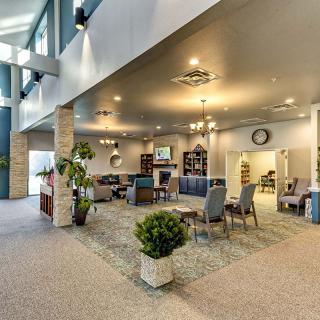
Valley Park West in California, MO is a premier assisted living community offering a variety of amenities and care services to meet the needs of its residents. The community provides a comfortable and home-like environment with fully furnished accommodations. Residents can enjoy their own kitchenette and outdoor space, as well as access to cable or satellite TV, Wi-Fi/high-speed internet, and telephone services.

The care services at Valley Park West are designed to promote independence while providing assistance with activities of daily living. Trained staff are available 24 hours a day to provide supervision and support with bathing, dressing, transfers, and medication management. The community also offers specialized care for those with diabetes and special dietary restrictions.

Residents at Valley Park West can enjoy restaurant-style dining with delicious meals prepared by the community's culinary team. The dining experience includes accommodating specific dietary needs to ensure each resident receives proper nutrition.

Engaging in social activities is an important aspect of life at Valley Park West. Residents can participate in resident-run activities and scheduled daily activities that cater to their interests and preferences. Additionally, residents have access to a small library where they can relax and indulge in their favorite books.

The location of Valley Park West offers convenient amenities nearby, including three cafes, two pharmacies, one physician's office, seven restaurants, three transportation options, 11 places of worship, and two hospitals. This ensures that residents have easy access to essential services and opportunities for leisurely outings.

Overall, Valley Park West provides a welcoming and supportive environment for seniors seeking assisted living services in California, MO. With its range of amenities, personalized care services, delicious dining options, engaging activities, and convenient location near various amenities within the community's vicinity - it aims to enhance the quality of life for its residents.

Nearby Places of Interest

Hospitals

  • Capital Region Physicians - California (0.6 miles)
  • Capital Region Medical Clinic (1.4 miles)
  • Dialysis Clinic (16.2 miles)
  • Capital Region Quick Care (16.2 miles)
  • Capital Region Physicians - OMT & Acupuncture (17 miles)

Places of Worship

  • Southern Baptist Convention (0.9 miles)
  • First Baptist Church (1 miles)
  • New Life Christian Center (1 miles)
  • First Christian Church (1 miles)
  • Convent Annunciation (1.1 miles)
  • Annunciation Catholic Church (1.2 miles)
  • Pentecostal Tabernacle (1.2 miles)

Restaurants

  • Sugar Spice Bakery & Deli (1 miles)
  • Sonic Drive-In (1 miles)
  • Taqueria Hernandez (1.1 miles)
  • Jalisco Mexican Restaurant (1.2 miles)
  • McDonald's (1.6 miles)
  • Burgher Haus (1.6 miles)
  • Pizza Hut (1.6 miles)

Pharmacies

  • Hometown Pharmacy (1.2 miles)
  • Bond Pharmacy (1.4 miles)
  • Walgreens (16 miles)
  • Whaley's West Side Pharmacy (16.3 miles)
  • Mommy & Me Before During & After (16.3 miles)
  • Pyramid Pharmacy Services (16.4 miles)
  • Robert's Drug Store (16.4 miles)

Cafes

  • Daylight Donuts (1.2 miles)
  • Nic-Nac Cafe (1.5 miles)
  • The Flame Diner (1.7 miles)
  • Starbucks (16.2 miles)

Transportation

  • U-Haul Moving & Storage (1.6 miles)
  • U-Haul (1.7 miles)
  • U-Haul Neighborhood Dealer (2.1 miles)
  • Centertown train station (7.3 miles)
  • U-Haul Moving & Storage (9.8 miles)
  • U-Haul (10.2 miles)
  • U-Haul Neighborhood Dealer (12.2 miles)

Physicians

  • Community Health Center of Central Missouri (2 miles)
  • Associated Family Physicians (16.3 miles)
  • Central Missouri Cardiology (16.4 miles)
  • St Mary's Pediatrics (16.7 miles)
  • Edgewood Family Practice (17 miles)
  • Urology Care (17 miles)
  • Advanced Radiology (17.2 miles)

Parks

  • Prairie Home Conservation Area (9.9 miles)
  • Big Buffalo Creek Conservation (9.9 miles)
  • Tipton Park Tipton (12.5 miles)
  • Binder Park (13.5 miles)

Theaters

  • GQT Capital 8 (16.4 miles)

Frequently Asked Questions

How much does it cost to live at Valley Park West in California, MO?
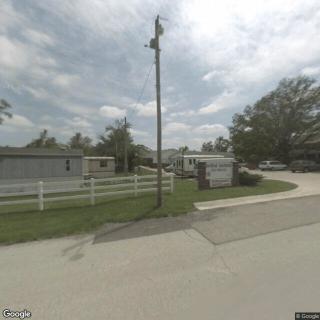
Where is Valley Park West?

Nearby Communities

Related Resources

  • assisted living vs skilled nursingExploring the Contrasts Between Assisted Living and Skilled Nursing

    The article compares assisted living and skilled nursing facilities, detailing their differing levels of assistance, medical support, cost structures, and day-to-day experiences. It emphasizes that assisted living is for those needing help with daily activities while maintaining independence, whereas skilled nursing facilities provide intensive medical care with 24-hour staff supervision.

  • when to move from assisted living to nursing home8 Key Indicators That Suggest It May Be Time to Transition from Assisted Living to Skilled Nursing Care

    The transition from assisted living to skilled nursing care is often prompted by complex medical needs that assisted living cannot meet, with key indicators including frequent health declines, increased falls, severe memory issues, and caregiver burnout. Families should recognize these signs early to discuss options with healthcare providers and prepare for the emotional and logistical aspects of moving to a facility that offers comprehensive medical support.

  • active senior livingVibrant Senior Living: A Comprehensive Guide for Active Older Adults

    Vibrant Senior Living emphasizes active senior living communities that promote independence and engagement through diverse amenities and activities, fostering wellness and social interaction among older adults. These communities range from independent to assisted living, with a focus on personal growth, family involvement, financial planning, and leveraging technology to enhance residents' experiences.