

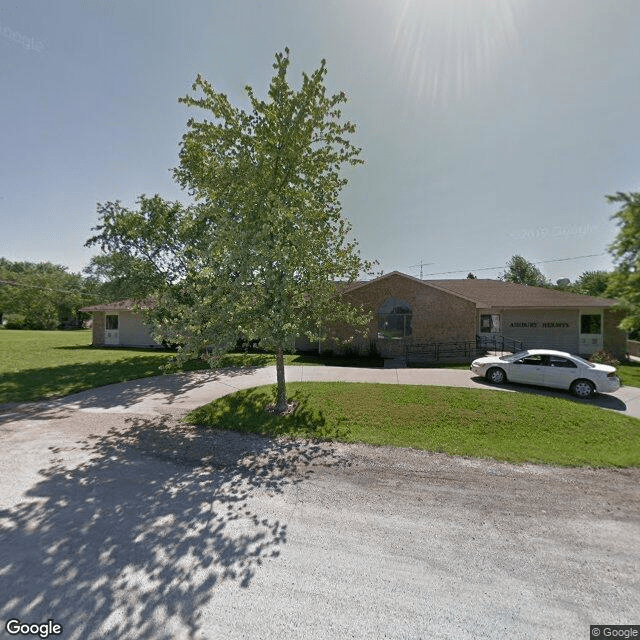
908 South Park Avenue, Tipton, MO 65081
To contact a resident: (660) 433-6496
For more information about senior living options: (866) 208-4318
Ashbury Heights of Tipton Costs & Pricing
Ashbury Heights of Tipton offers competitive pricing for its accommodations, particularly when compared to both Morgan County and the broader state of Missouri. For a studio unit, residents enjoy a monthly rate of $1,800, which stands in stark contrast to the county average of $3,790 and the state average of $3,418. Similarly, the one-bedroom units are priced at $2,800 - significantly lower than the county's average of $4,843 and below Missouri's state average of $3,349. This strategic pricing position not only underscores Ashbury Heights' commitment to providing affordable living options but also highlights its appeal as an attractive choice for potential residents seeking quality care without excessive financial strain.
| Floor plans | Ashbury Heights of Tipton | Morgan County | Missouri |
|---|---|---|---|
| Studio | $1,800 | $3,790 | $3,418 |
| 1 Bedroom | $2,800 | $4,843 | $3,349 |
Assisted Living communities with a similar price nearby
-
from +$150 / mo
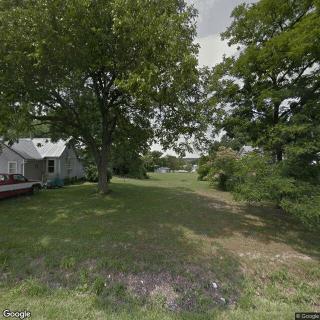
Bristol Manor of Stover
$1,950 to $2,950 / month18.3 miles away -
from +$300 / mo

Essex of Sedalia
$2,100 to $3,400 / month24.4 miles away -
from +$230 / mo
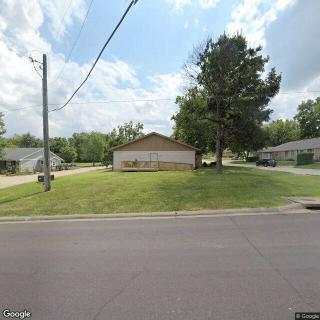
Bristol Manor of Sedalia
$2,030 to $3,030 / month23.6 miles away -
from +$270 / mo

Bristol Manor of Eldon
$2,070 / month23.6 miles away -
from +$150 / mo
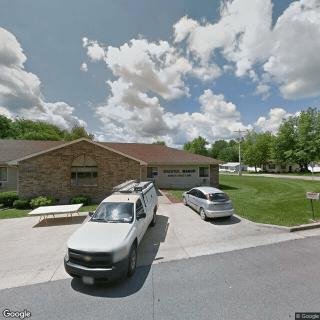
Bristol Manor Of California
$1,950 to $2,950 / month11.9 miles away
Overall Review of Ashbury Heights of Tipton
Pros
 Ashbury Heights is a great place with a great manager.
- The residents are amazing.
- The facility has no bed bugs.
- The residents, families, and staff are happy.
- The staff keeps the place running and creates a pleasant atmosphere.
- Ashbury Heights has a small, homey atmosphere where everyone knows each other.
- The staff at Ashbury Heights takes very good care of residents.
- The facility demonstrates professionalism, cleanliness, and friendliness.
- The staff are well trained and genuinely care for residents.
Cons
 The reviewer reports bed bugs at the facility.
- The building needs maintenance and improvements.
- The staff work very hard, but the reviewer feels they sometimes need more help.
- Last summer, the lawn wasn’t well maintained.
- There have been few improvements, with only new furniture added.
Review
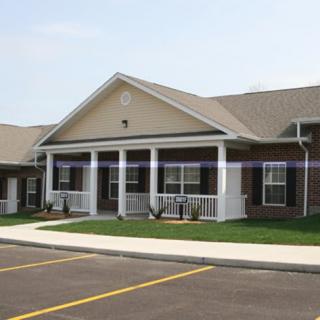
Ashbury Heights of Tipton is best suited for seniors who want an intimate, home-like setting where staff familiarity with residents translates into daily reassurance. The community shines for those who value a small, cozy environment, predictable routines, and meals and activities that feel personal rather than corporate. It works well for residents who don’t require intensive clinical interventions but appreciate attentive caregivers, someone to check in regularly, and the sense that “everyone knows your name.” Families seeking a level of warmth, accessibility, and a close-knit atmosphere will find this setting compelling and practical for everyday living.
Those evaluating alternatives should consider options if heavier medical needs, more extensive rehabilitation services, or larger campus dynamics are priorities. If a resident requires advanced wound care, 24/7 physician oversight on-site, or a program with a broader array of specialized services, the smaller footprint may feel limiting. Pest-control history and ongoing maintenance quality also stand out as potential red flags for some families; conflicting anecdotes about bed bugs underscore the importance of confirming current status and ongoing preventive measures. In short, Ashbury Heights excels on heart and daily life, but may not satisfy those who demand hospital-grade clinical resources or flawless physical upkeep.
The strongest pros center on people and daily rhythm. Reviewers repeatedly highlight a staff that is caring, approachable, and well-intentioned, with the director and a new administrator making tangible improvements in morale and atmosphere. Residents, families, and visitors describe a “homey” vibe, where meals are good and on time, activities keep residents engaged, and companionship feels genuine. Cleanliness shows up in multiple accounts, and the ability for families to drop in for weekly visits or participate in light social events adds a practical dimension of support and continuity. This combination, care, comfort, and consistency, creates a foundation that often makes the potential downsides easier to overlook.
That said, concrete drawbacks exist and merit careful consideration. Several reviews point to the building needing maintenance and improvements, with at least one caller noting lawn care and the need for additional staff to meet demand. While staff dedication is clear, there is a sense that the operation can stretch thinner at times, which can impact responsiveness and the pace of physical upgrades. The bed-bug narratives are mixed enough to warrant independent verification; the positive resident sentiment is encouraging, but prospective residents should request current pest-control records and recent inspection results to confirm the present status. These factors do not negate the positives, but they do shape risk assessment for a potential move.
The key is to weigh the exceptional social and personal care against the tangible gaps in the physical plant and staffing pressure. For families prioritizing temperature of care, meaningful daily routines, and a staff that treats residents like family, Ashbury Heights delivers a compelling, low-stress environment that can significantly improve quality of life. The recent leadership changes suggest a trajectory toward more consistent operations and stronger resident engagement, which can offset the comfort-tree drawbacks of an aging building. Ultimately, the decision rests on whether the daily lived experience, homey atmosphere, dependable meals, and affectionate staff, outweighs the need for ongoing facility refreshes and steadier maintenance.
Prospective residents should plan a thorough on-site evaluation: observe meal service, tour living spaces, and request to speak with residents and families about their experience. Verify the current pest-control and housekeeping routines, ask for the latest maintenance schedule, and review the activity calendar to ensure enrichment aligns with personal interests. If a loved one needs more hands-on medical oversight or a larger, more clinical environment, alternatives that offer broader on-site services may be a better fit. If the emphasis remains on warmth, connection, and a trusted, small-community feel, Ashbury Heights stands out as a practical, emotionally satisfying choice worth pursuing with a direct, informed visit.
 12 resident community capacity
 Assisted Living
 Board and Care Home
 Day Program
 Independent Living
 Cats allowed
 Dogs allowed
 Air-conditioning
 Cable or satellite TV
 Devotional services off-site
 Dining room
 Fully furnished
 Garden
 Ground floor units
 Housekeeping services
 Indoor common areas
 Move-in coordination
 Outdoor common areas
 Respite or short term stays offered
 Telephone
 Wi-Fi/high-speed internet available
 24-hour supervision
 Ambulatory care
 Assistance with bathing
 Assistance with dressing
 Assistance with transfers
 Diabetes diet
 Diabetic care
 Incontinence care
 Meal preparation and service
 Medication management
 Special dietary restrictions
 Transportation arrangement (medical)
 Transportation to doctors appointments
 BBQs or picnics
 Birthday parties


 When to Transition from Assisted Living to Memory Care: Key Indicators, Steps, and Finding the Right Community
 Assisted Living and Memory Care: Understanding Their Core Differences
 Beyond the Bingo Hall: 50+ Enriching Activities for Seniors in Assisted Living