
Bristol Manor 605 Parkview Drive California, MO, California, MO 65018
For more information about senior living options: (866) 208-4318
Bristol Manor - California Costs & Pricing
Bristol Manor in California presents a competitive pricing structure relative to both Moniteau County and the broader Missouri state market. For semi-private accommodations, residents can expect a cost of $2,795 per month, which aligns with the county's pricing but offers substantial savings compared to the state's average of $3,772. Moving to studio apartments, Bristol Manor's rate is set at $3,345, slightly higher than the county's $2,648 yet still favorable when juxtaposed with Missouri's average of $3,418. For those seeking more spacious living options, the one-bedroom units are priced at $4,045 - this reflects a notable increase compared to Moniteau County's average of $3,498 and remains above the state's general rate of $3,349. Overall, Bristol Manor provides an attractive selection that balances quality care and affordability within its regional context.
| Floor plans | Bristol Manor - California | Moniteau County | Missouri |
|---|---|---|---|
| Semi-Private | $2,795 | $2,795 | $3,772 |
| Studio | $3,345 | $2,648 | $3,418 |
| 1 Bedroom | $4,045 | $3,498 | $3,349 |
Assisted Living communities with a similar price nearby
-
from +$205 / mo

Ashland Villa Assisted Living
$3,000 to $3,810 / month19.2 miles away -
from +$295 / mo
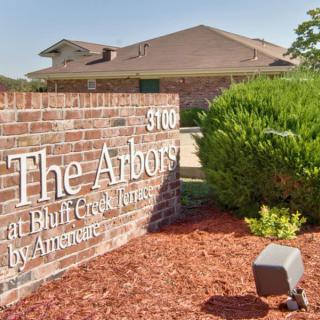
Bluff Creek Terrace Senior Living
$3,090 to $4,380 / month24.7 miles away -
from -$395 / mo
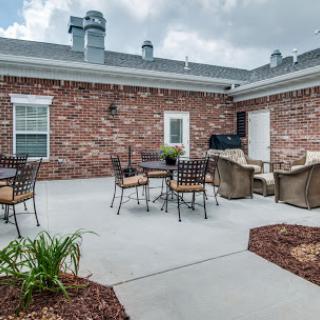
Mill Creek Village and The Arbors & Cottages at Mill Creek Village
$2,400 to $5,460 / month21.8 miles away -
from +$243 / mo
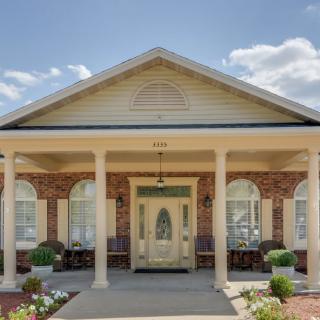
Westbrook Terrace & Arbors
$3,038 to $4,185 / month17.2 miles away -
from -$276 / mo

Lenoir Woods
$2,519 to $5,610 / month24.3 miles away
Overall Review of Bristol Manor - California
Pros
 are no positive third-person statements in the provided reviews.
Cons
 The place is pitiful.
- There is hardly any food.
- They won’t clean their friend's room.
- They do not provide even 1200 calories per day.
- The corporate office will receive a call from the reviewer.
- They only got 545 calories today.
Review
Bristol Manor in California, MO is best suited for families willing to supervise daily care closely and for residents who can tolerate gaps in basic nourishment and housekeeping. It is not a hands-off option; care gaps require external oversight or active family involvement. The facility appears to operate at a basic level, but there is little margin for error in meals, room upkeep, or responsiveness from leadership. For seniors who expect consistently measured meals and clean, well-maintained living spaces, this is not the right fit. Those who are comfortable stepping in to fill service gaps may navigate the realities here, but this should not be considered a dependable care solution.
Anyone who cannot accept routinely subpar nutrition, or who needs reliable housekeeping and attentive management, should consider alternatives. The reviews repeatedly point to meals far below what is needed, with explicit figures like 545 calories in a day and a lack of the expected three daily meals, signaling a systemic problem rather than a one-off miss. If nutritional adequacy or proactive problem-solving by staff is non-negotiable, families should move on to communities with published meal plans and stronger oversight.
Pros, if any, are scarce and largely anecdotal. One reviewer described the place as “good” in a general sense, suggesting the facility can function day-to-day and may have some basic structure in place. But that faint positivity is overwhelmed by the most serious drawbacks: chronic underfeeding and neglect of routine tasks like cleaning a resident’s room. When meals routinely miss caloric targets, and when basic upkeep is inconsistent, any peripheral positives quickly evaporate and leave a troubling impression of overall care quality.
The potential upside is not enough to offset the gravity of the core failures. A meaningful offset would require verifiable strengths in a few areas, consistent, properly portioned meals; clean, safe, and regularly serviced living spaces; and a responsive management team. The feedback available does not convincingly demonstrate those capabilities. In fact, one reviewer’s note about planning to contact corporate signals a trust fracture that can be hard to repair. Without clear evidence of reliable nutrition and prompt issue resolution, the favorable impressions carry little weight against the persistent, documented gaps.
Families evaluating Bristol Manor should demand concrete assurances before committing. Request a current, written meal plan with caloric targets and portion sizes, and arrange to observe a meal service or receive a sample menu. Inspect resident rooms during a routine shift to verify cleaning frequency and standards, and ask to meet with the administrator or a resident advocate about oversight, nutritional monitoring, and escalation procedures. If possible, obtain recent state inspection summaries and third-party assessments to gauge ongoing compliance. If caloric adequacy and housekeeping responsiveness cannot be verified, it is prudent to look elsewhere.
Bottom line: this community is not recommended for most families. The dominant concerns, insufficient caloric intake and unreliable room cleaning, outweigh any perceived convenience or basic functionality. For families prioritizing dependable nutrition, proactive housekeeping, and a responsive administrative framework, alternatives with transparent meal programs and stronger care oversight are essential. When a decision must be made here, enter with explicit expectations, a documented plan for ongoing oversight, and a readiness to transition if standards fail to materialize. The prudent path is to pursue options with verifiable meal quality, consistent housekeeping, and proven leadership that stands behind daily care.
 21 resident community capacity
 Assisted Living
 Beauty salon
 Cable or satellite TV
 Dining room
 Fully furnished
 Garden
 Housekeeping services
 Kitchenette
 Move-in coordination
 Outdoor space
 Restaurant-style dining
 Small library
 Telephone
 Wi-Fi/high-speed internet available
 Columbia Regional (23 miles away)
 24-hour call system
 Activities of daily living assistance
 Assistance with bathing
 Assistance with dressing
 Assistance with transfers
 Diabetes diet
 Medication management
 Mental wellness program
 Special dietary restrictions





 Social Security Benefits and Assisted Living: Navigating Options Across the U.S.
 An Extensive Exploration of the VA Aid and Attendance Benefit
 Senior Transition Services: Understanding Their Role, Cost, and Importance