
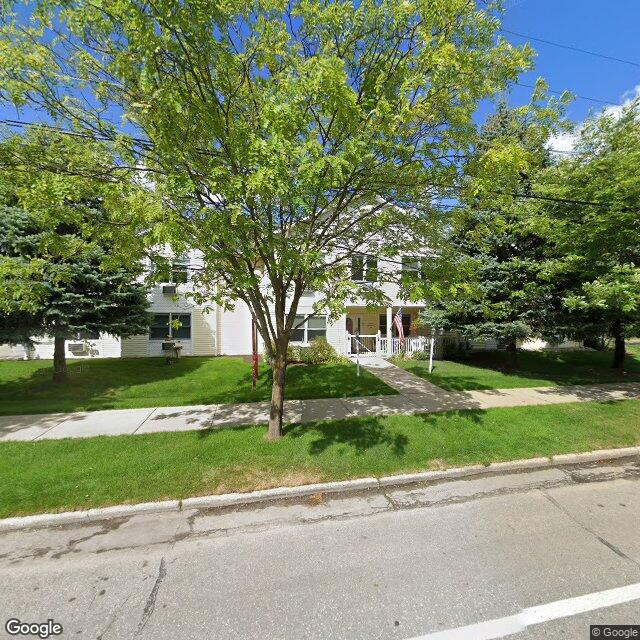
908 W 7th St, Traverse City, MI 49684
To contact a resident: (231) 941-4585
For more information about senior living options: (866) 208-4318
French Manor Inn Costs & Pricing
At French Manor Inn, the monthly costs for accommodations reflect a commitment to quality and personalized care, positioning it slightly above the average rates in both Leelanau County and across Michigan. For a semi-private room, residents can expect to pay $3,713, which is notably higher than the county's average of $2,853 and the statewide figure of $3,191. Private rooms are available at $4,455, compared to $3,526 in Leelanau County and $3,675 statewide - indicating a premium for enhanced privacy and amenities. The studio option is priced at $4,826, exceeding local ($3,738) and state averages ($3,824) as well. These figures suggest that while French Manor Inn is positioned as a higher-end facility within the marketplace, it also offers an environment dedicated to superior service and comfort for its residents.
| Floor plans | French Manor Inn | Leelanau County | Michigan |
|---|---|---|---|
| Semi-Private | $3,713 | $2,853 | $3,189 |
| Private | $4,455 | $3,526 | $3,674 |
| Studio | $4,826 | $3,738 | $3,824 |
Skilled Nursing Facilities with a similar price nearby
-
from -$588 / mo
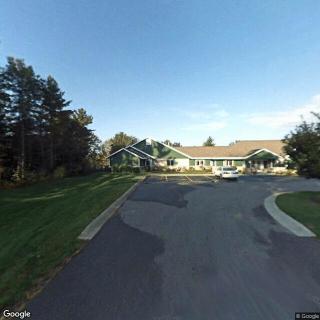
Boardman Lake Glens
$3,125 to $4,575 / month1.8 miles away
Overall Review of French Manor Inn
Pros
 The husband was treated very well during his stay, with aides going out of their way to please him and ensure his comfort.
- The facility is warm and wonderful, with caring and exceptional staff and a clean, lovely environment.
- The staff treat residents as family.
- French Manor Terra Facility delivers excellent service and care with patience toward residents and is highly recommended.
- Residents feel at home and experience kindness and helpfulness from the staff.
- Brandon and the staff take great care of residents, providing reassurance to families.
- The staff are quick to smile and communicate, creating a welcoming atmosphere.
Cons
 It is described as not a public assisted living center, but a private group that only serves its own family and friends, implying non-relatives are neglected.
- The place is characterized as average at best, with a total lack of privacy.
- The staff are criticized for not being able to keep their mouths shut when residents go out for meals.
- It is advised to avoid the facility at all costs due to perceived low quality.
- The facility is said to have caused skin issues for the reviewer.
Review
French Manor Inn in Traverse City is best suited for families seeking a compact, home-like assisted-living experience where daily warmth and attentive care feel personal rather than procedural. The consistent message across reviews is that residents are treated with kindness, staff take time to connect, and the setting stays clean and welcoming. This is a place where aides and administrators appear to go the extra mile, and where a sense of belonging can begin on move-in day. It appeals to families who prioritize relationship-driven care, predictable routines, and a comfortable, low-friction environment over expansive programming or institutional scale.
The strongest positives center on the human side of care: genuinely caring staff who treat residents like family, a facility that feels warm, and high cleanliness standards. Several reviewers highlight staff stepping in to smooth transitions, arranging a bed on day one, offering cheerful updates, and providing practical assurances that ease family worry. The Terra facility mentions excellent service and patience with residents, suggesting the care ethos travels across locations. Across the board, the day-to-day attentiveness and the sense that caregivers know residents by name emerge as the core strengths, creating a dependable baseline of comfort for those relocating from a previous home.
Yet not all feedback is uniform, and a notable caveat echoes in a minority of reviews: this appears less like a ubiquitous, open-access institution and more like a private group that may privilege relatives or close associates. One reviewer alleges that access hinges on connection to managers or owners, implying inconsistent care for non-related residents. Another critique flags privacy concerns and a perception that staff can be too casual or intrusive with personal matters. While these concerns are not the majority view, they illuminate a cultural dynamic that could undermine trust for families seeking universal, non-exclusive admission and consistent privacy protections.
In balancing the positives against the drawbacks, the personal warmth and responsive staff often offset the potential downsides for families prioritizing comfort and reassurance over volume of programming. A small-community vibe can deliver rapid responsiveness, meaningful social connection, and predictable routines that reduce stress for both residents and their loved ones. Cleanliness and a welcoming atmosphere reinforce the sense of safety and home, which matters greatly during transitions. The risk lies in accepting a highly relational, club-like ethos as a given; if openness and equal access are non-negotiables, the experience may feel uneven and less transparent than desired.
Practical due diligence is essential before making a move. Prospective movers should insist on multiple visits, request opportunities to meet front-line caregivers, and ask pointed questions about admissions policies to understand who can join and how inclusive the environment truly is. Inquire about privacy practices, how personal information is handled, and whether the culture truly prioritizes resident autonomy regardless of familial connections. Compare these dynamics with nearby alternatives that emphasize broader admission standards, larger campuses, and more formal governance. Clarify costs, care levels, and escalation protocols to avoid sticker-shock or misaligned expectations. The Terra facility variant may signal consistency of care, but verify governance and admission criteria to ensure alignment with values and needs.
In the end, French Manor Inn offers a compelling mix of warmth, attentiveness, and cleanliness that makes it a strong option for families seeking a home-like setting where residents feel seen. It is best for those who prize genuine caregiver relationships and a calm, intimate community. Those demanding universal access, strict privacy, and fully open admissions should consider alternatives. The clearest path is an informed visit, a careful assessment of staff interactions and privacy safeguards, and a decision grounded in how closely the setting matches the residentā€™s preferences for relational care versus open-access, community-wide programming.
 Skilled Nursing Facility
 Cherry Capital (3 miles away)


 Comprehensive Insights and Practical Strategies to Help Older Adults Avoid Falls
 6 Crucial Ways an Elder Law Attorney Assists Families
 Navigating the Tax Landscape of Caregiving: Credits, Deductions, and Beyond