Cordia at Grand Traverse Commons offers competitive pricing compared to both Leelanau County and the broader state of Michigan. For studio apartments, residents can expect a monthly cost of $3,255, which is notably lower than the average studio rates in Leelanau County at $3,738 and Michigan's at $3,824. However, when it comes to one-bedroom options, Cordia's price of $4,475 stands out as higher than the county's rate of $3,383 and closely mirrors the state average. For two-bedroom accommodations, Cordia's fee of $5,875 reflects a significant premium over both local and state averages - $4,232 for Leelanau County and just $3,523 for Michigan overall. This pricing structure highlights Cordia's unique offerings and lifestyle potential while illustrating variations across different regions.
Floor plans
Cordia at Grand Traverse Commons
Leelanau County
Michigan
Studio
$3,255
$3,738
$3,824
1 Bedroom
$4,475
$3,383
$3,384
2 Bedrooms
$5,875
$4,232
$3,523
Independent Living communities with a similar price nearby
Overall Review of Cordia at Grand Traverse Commons
differentiator13 reviews mention this
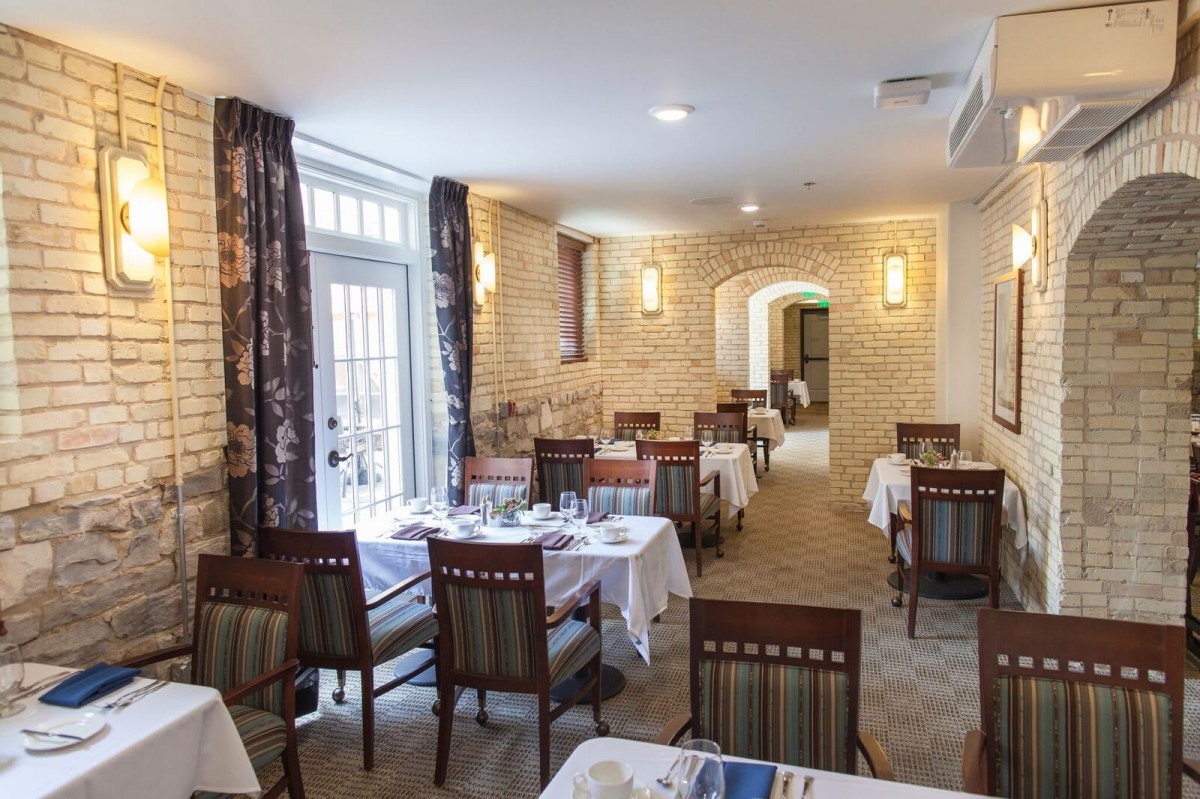
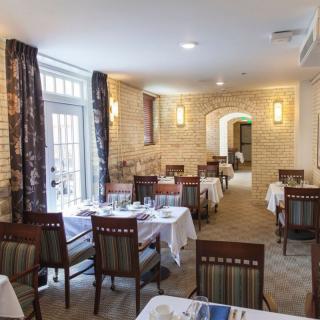
Restaurant-style dining is a highlight
Dining is frequently described as restaurant-style and high quality.
Many residents and families describe the meals as consistently excellent, with restaurant-style service and multiple choices at each meal. Several reviews specifically call out the dining experience as a reason they enjoy getting together for meals. The menu and meal coverage also come up in stories about transitioning between independent living and higher support within the community.
common22 reviews mention this
Friendly, attentive staff
Staff members are frequently described as friendly and responsive.
Across the reviews, residents and families often mention staff who feel welcoming, professional, and helpful. Care concerns do appear in some reviews, but even those typically contrast inconsistent support with better experiences they’ve seen from certain individuals. In the positive accounts, families also describe being able to reach the team with questions and feeling reassured that staff address needs.
common13 reviews mention this
Activities keep residents engaged
Residents describe a busy schedule of activities and social time.
A recurring theme is that life at the community stays active, with classes and group activities that help residents stay engaged. Multiple reviews mention organized entertainment and outings, while others describe everyday social routines like group tables and meeting friends for meals. At the same time, a few reviews raise concerns about activity scheduling—especially for residents needing more support—suggesting the experience may vary by level of care.
common4 reviews mention this
Nearby options for dining and coffee
Residents mention easy access to nearby dining and coffee spots.
Some reviews point to the walkable area around the community, including coffee and restaurant options nearby. Others describe being able to get outside for leisure close to home, including parks and trails in the surrounding area. These mentions align with the nearby mix of restaurants, cafes, and outdoor space listed around the location.
caveat3 reviews mention this
Assisted-living support is a concern
Some reviews raise concerns about assisted-living support.
While many residents describe independent living positively, a few reviews say the experience changes as needs increase. Those accounts describe inconsistent attention to basic needs and concerns about how support needs are handled, including meal and trash handling and whether residents are brought to activities they can participate in. Another review specifically cautions that people considering staying long-term should plan carefully for care transitions.
caveat3 reviews mention this
Cost feels high to some families
Several families call out the cost as a downside.
Some reviews describe the community as expensive, even while praising other parts of the experience. Families comparing alternatives mention that the cost is still a major tradeoff, and one review frames it as costly but potentially preferable to separating loved ones into different facilities. This aligns with pricing being substantial overall, even though some of the listed comparisons show units priced below wider benchmarks.
How we summarize
Counts show how many written reviews mention each theme; a review can touch several themes, and only frequently mentioned themes are displayed.
Features
Types of Care
Independent Living
Pets
Cats allowed
Dogs allowed
Amenities
Activities off-site
Activities on-site
Air-conditioning
Beautician on-site
Cable or satellite TV
Devotional services off-site
Devotional services on-site
Full kitchen
Ground floor units
Handicap accessible
Indoor common areas
Kitchenette
Outdoor common areas
Wi-Fi/high-speed internet available
Transportation
Cherry Capital (3 miles away)
Care Services
Medication management
Dining
Anytime dining
Gluten-free
Guest meals
International cuisine
Low / no sodium
Meals provided
No Sugar
Organic
Professional chef
Restaurant style dining
Room service
Vegetarian
Activities
Art classes
Cooking classes
Day trips and outings
Devotional activities offsite
Devotional activities on-site
Educational speakers / life long learning
Happy hour
Live musical performances
Live well programs
Visiting chaplain or priest
Wine tasting
Nearby Places of Interest
This area of Traverse City, Michigan offers a variety of restaurants, cafes, pharmacies, medical facilities, parks, and places of worship within close proximity. With options ranging from Italian cuisine at Trattoria Stella to American fare at Slabtown Burger, there is something to suit every taste. The presence of reputable physicians such as Village Family Practice and Northwest Michigan Surgical Group PC ensures access to quality healthcare services. Nearby hospitals like Munson Medical Center provide peace of mind in case of emergencies. Additionally, the scenic Grand Traverse Veterans Memorial Park and The Open Space offer opportunities for outdoor recreation and relaxation. Overall, this neighborhood provides a convenient and vibrant environment that may be well-suited for senior living.
Restaurants
Left Foot Charley (0.1 miles)
Trattoria Stella (0.1 miles)
Spanglish (0.1 miles)
PepeNero (0.1 miles)
Earthen Ales (0.2 miles)
Slabtown Burger (0.6 miles)
Grand Traverse Pie Company (0.7 miles)
Physicians
Cosmetic Skin & Laser Center (0.1 miles)
Village Family Practice (0.1 miles)
Northwest Michigan Surgical Group PC (0.3 miles)
Munson Family Practice Center (0.3 miles)
Surgical Associates of Traverse City (0.3 miles)
Munson Hearing Clinic (0.3 miles)
Grand Traverse Allergy PC (0.3 miles)
Hospitals
Munson Medical Center - Outpatient Services (0.2 miles)
Cordia at Grand Traverse Commons offers competitive pricing compared to both Leelanau County and the broader state of Michigan. For studio apartments, residents can expect a monthly cost of $3,255, which is notably lower than the average studio rates in Leelanau County at $3,738 and Michigan's at $3,824. However, when it comes to one-bedroom options, Cordia's price of $4,475 stands out as higher than the county's rate of $3,383 and closely mirrors the state average. For two-bedroom accommodations, Cordia's fee of $5,875 reflects a significant premium over both local and state averages - $4,232 for Leelanau County and just $3,523 for Michigan overall. This pricing structure highlights Cordia's unique offerings and lifestyle potential while illustrating variations across different regions.
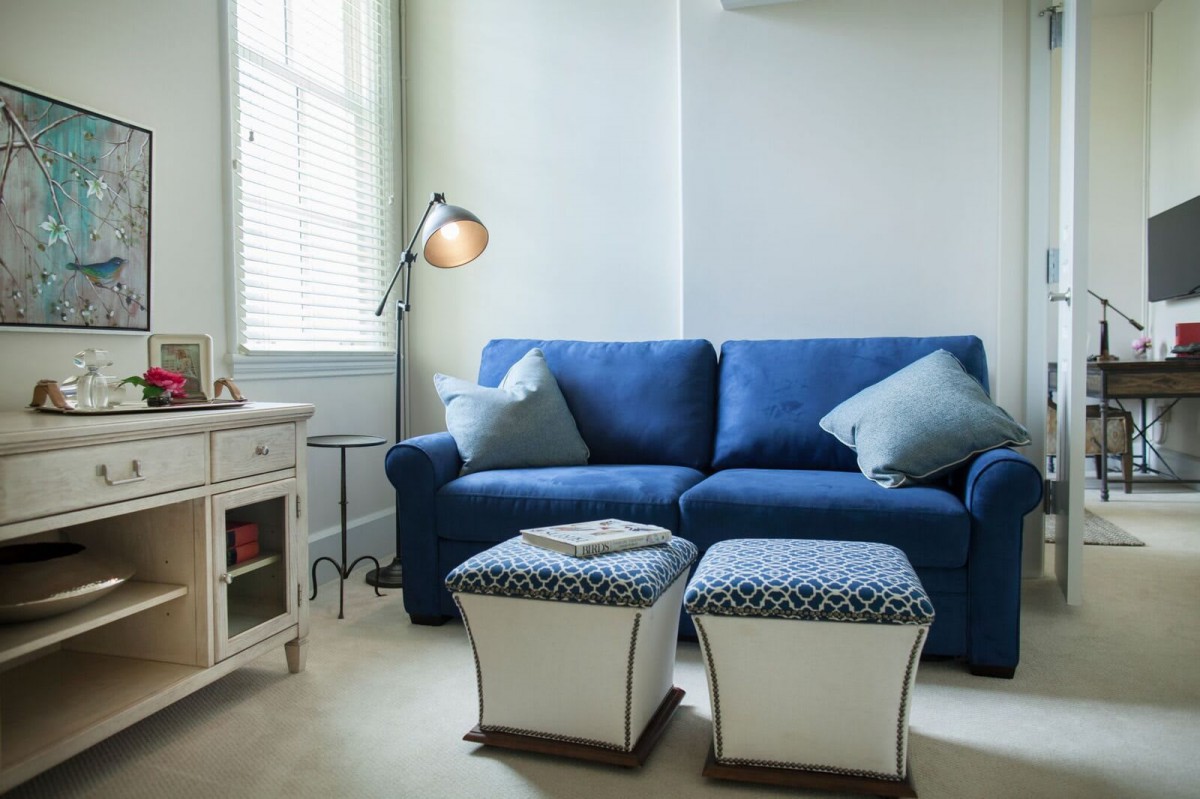
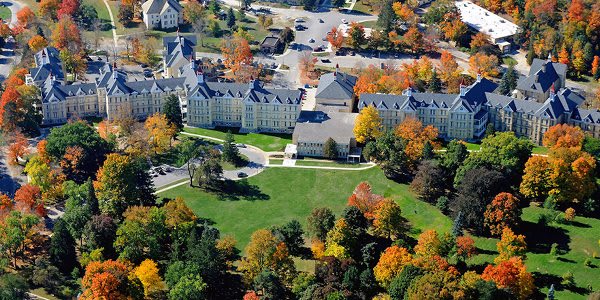
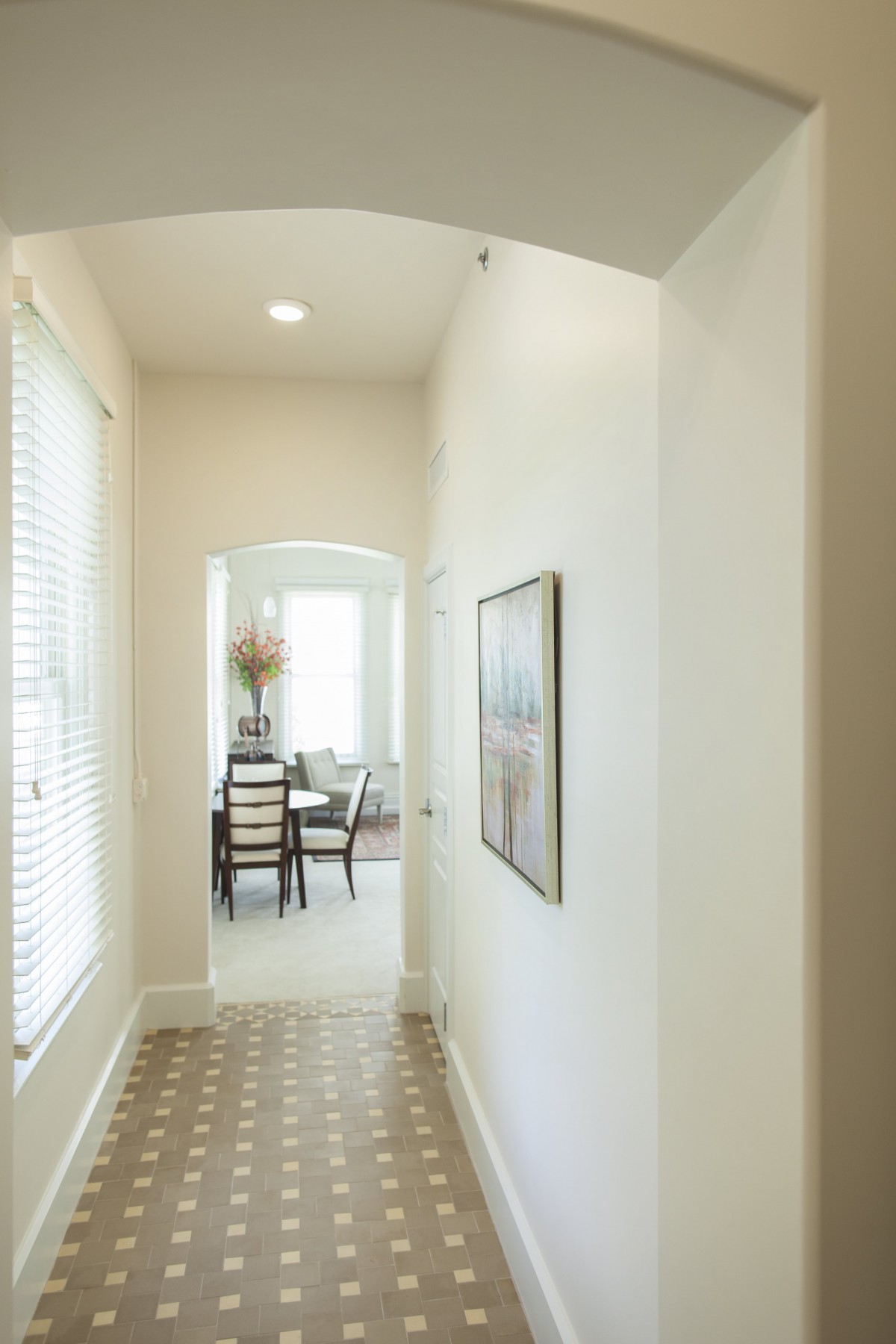
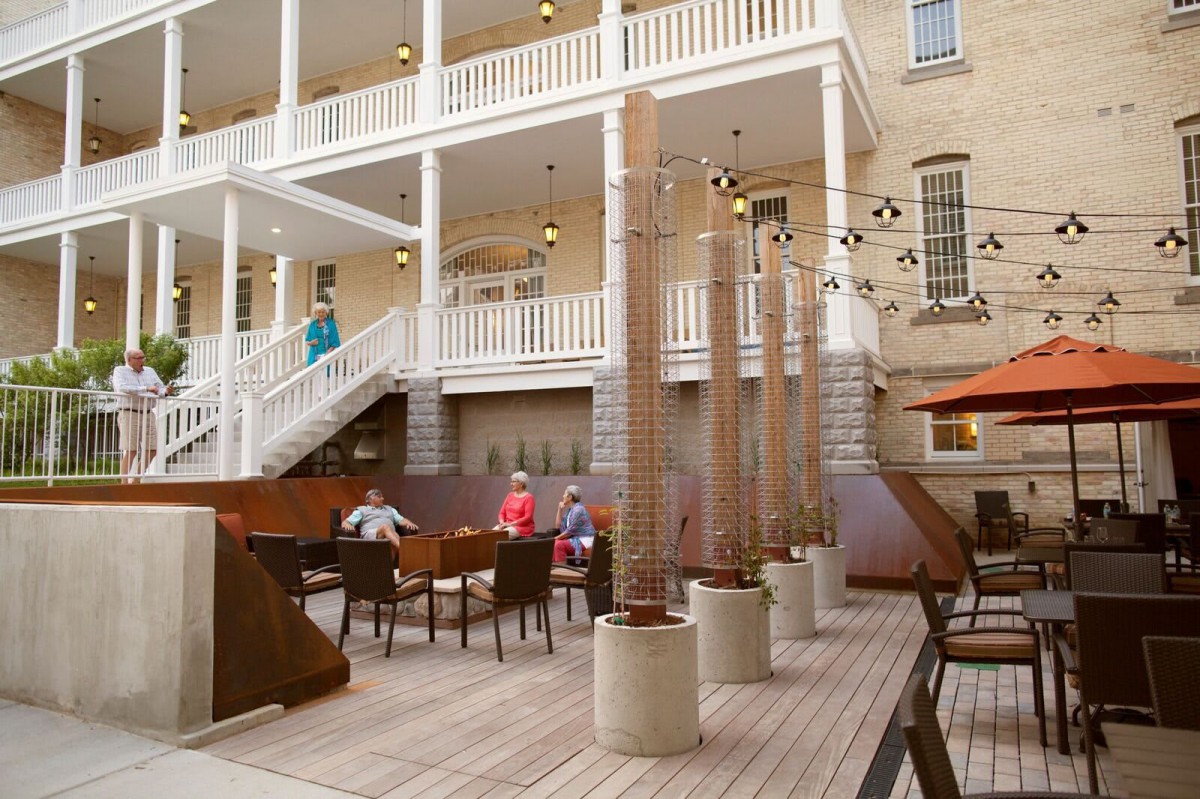
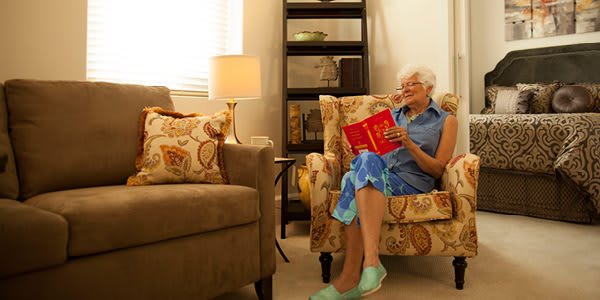
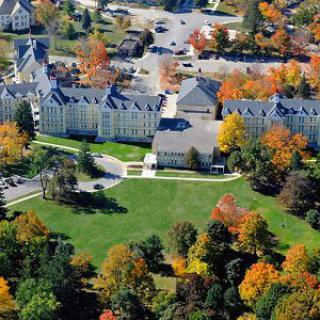
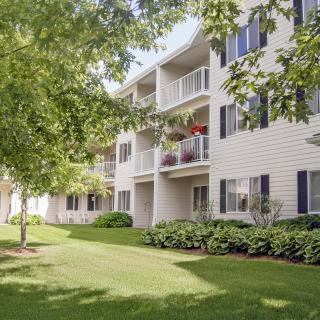
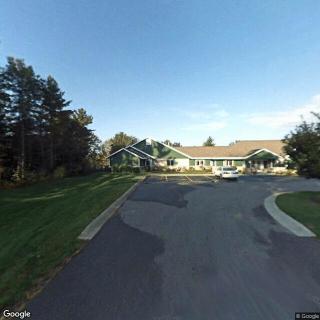
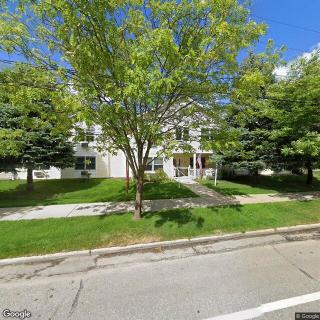
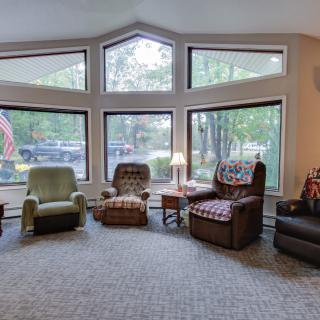
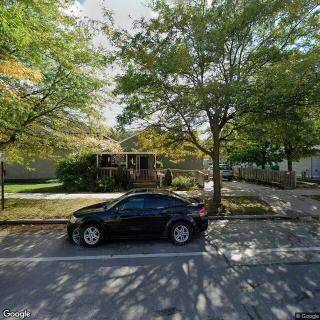
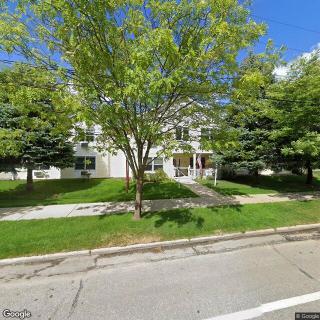
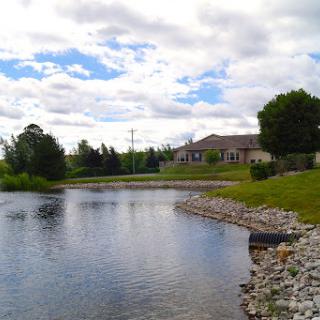
Cordia at Grand Traverse Commons on seniors.fyi includes 8 photos including images showing dining, interior, living room, building, decor, living space, natural light, reading, and more.
Nearby Communities
Cordia at Grand Traverse Commmons
Traverse City, MI
4.3 from 23 reviews
Wide range of amenities and care options (independent/assisted) with transportation and wellness services.
Grand Traverse Pavilions
Traverse City, MI
3.8 from 41 reviews
Caring staff with engaging activities in a clean, home-like environment.
Senior Helpers of Northern Michigan
Traverse City, MI
4.9 from 56 reviews
Friendly, competent director guiding reliable, flexible in-home care.
French Manor South
Traverse City, MI
5 from 6 reviews
24/7 staff with personalized care and restaurant-style dining.
French Manor
Traverse City, MI
5 from 1 review
Serene setting with extensive nearby amenities.
French Manor Inn
Traverse City, MI
4 from 8 reviews
$3,713 to $4,826 / month
Tranquil, picturesque setting with extensive nearby services.
The Village at Bay Ridge
Traverse City, MI
4.3 from 3 reviews
$1,165 to $1,435 / month
Quality of care and cleanliness with broad on-site amenities and a pet-friendly policy.
Traverse Manor
Traverse City, MI
4.3 from 27 reviews
$3,300 to $3,600 / month
Friendly staff, clean facility, and strong on-site amenities in a peaceful setting.
Culver Meadows Senior Living
Traverse City, MI
3.9 from 21 reviews
Intimate 20-bed community with 24/7 supervision and memory care.
Dogs can greatly improve the lives of older adults by offering emotional support and encouraging physical activity, with factors such as size, temperament, and grooming needs being crucial in selecting a suitable breed. Senior dogs often make ideal companions for this demographic, promoting social connections and requiring care routines that align with seniors' capabilities.
The guide on blood pressure charts for older adults stresses the importance of understanding normal and high blood pressure readings influenced by age, genetics, and lifestyle, while emphasizing regular monitoring and lifestyle modifications to prevent serious health issues. It provides insights into blood pressure categories, dietary recommendations, medication considerations, and the role of caregivers in supporting healthy habits.
The article explores the complexities of using Social Security to finance long-term nursing home care in the U.S., detailing eligibility requirements and misconceptions, while emphasizing that these benefits often do not cover full costs and highlighting the need for strategic financial planning and professional guidance.
Get PricingAsk A QuestionSchedule A TourContact Senior Advisor
By clicking submit, you agree to our Partner's Terms of Use. You
also consent to receive calls and texts, which may be autodialed, from our Partner. Your consent is not a condition to
using our Partner's service. Please visit our Partner's Privacy Policy for information about their privacy practices.





 Independent Living
 Cats allowed
 Dogs allowed
 Activities off-site
 Air-conditioning
 Beautician on-site
 Cable or satellite TV
 Devotional services off-site
 Full kitchen
 Ground floor units
 Handicap accessible
 Indoor common areas
 Outdoor common areas
 Wi-Fi/high-speed internet available
 Cherry Capital (3 miles away)
 Medication management
 Anytime dining
 Art classes
 Cooking classes
 Day trips and outings
 Educational speakers / life long learning
 Happy hour
 Live musical performances
 Live well programs
 Visiting chaplain or priest
 Wine tasting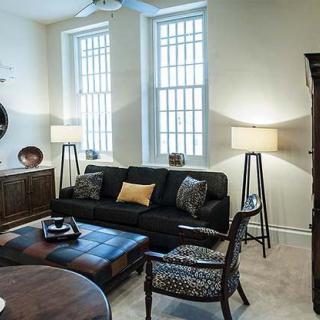
 Wide range of amenities and care options (independent/assisted) with transportation and wellness services.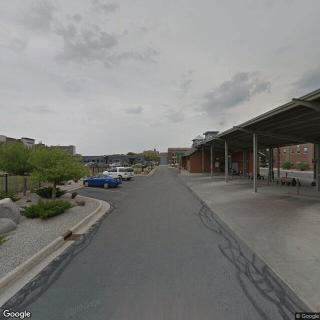

 Top Canine Companions for Older Adults
 Comprehensive Guide to Blood Pressure Charts for Older Adults: Understanding Normal and High Readings by Age
 Financing Long-Term Nursing Home Care Through Social Security: A Thorough Exploration