Overall Review of Grand Traverse Pavilions
common
25 reviews mention this
Caregivers are a mixed bag
Care quality comes up repeatedly, with residents describing both attentive help and serious breakdowns.
Many reviewers describe caregivers and nursing staff as kind, considerate, and responsive—calling families about medication changes, helping with daily needs, and treating residents with dignity. Several also share more severe negative experiences, including allegations of unprofessional conduct, poor responses to call buttons, and mistreatment. Across the reviews, the care experience is inconsistent: some families felt supported throughout rehab or long-term stays, while others say the experience fell well short of what they expected.
differentiator
8 reviews mention this
Rehab therapy feels hands-on
Residents and families frequently mention physical therapy and rehab progress.
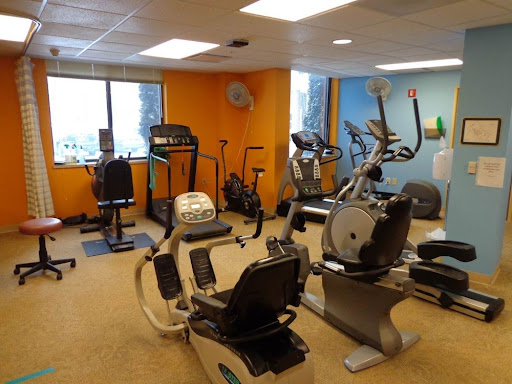
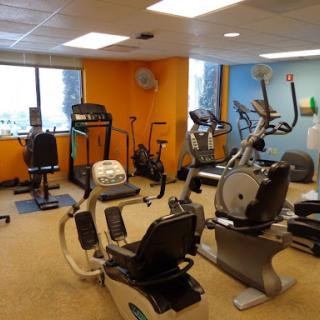
A strong thread in the reviews is therapy that feels tailored and supportive, including help after surgeries like hip replacement and spinal fusion. Reviewers mention physical therapists listening to concerns, building plans and exercises, and helping residents regain movement and independence. The wellness spaces also show up alongside rehab, with multiple people describing classes and pool-based exercise as soothing and helpful.
caveat
7 reviews mention this
Dining quality varies widely
Dining reviews swing from praise to sharp complaints about temperature and variety.
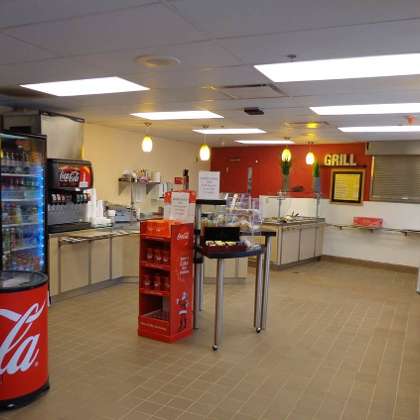
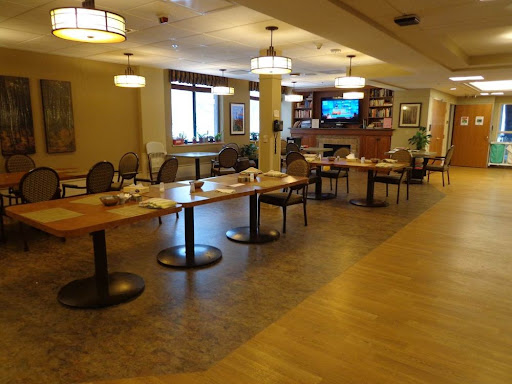
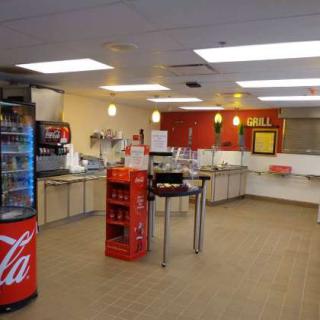
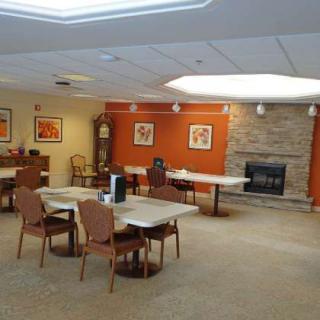
Some families say the food is enjoyable and even call it excellent, with residents eating in their rooms or using dining areas when they choose. Others report repeated problems like meals arriving late, food being cold, and limited variety, including descriptions of food feeling like it comes from cans or is often frozen. For residents managing diabetes, reviews also tie dining to the need for special attention around what is served.
common
8 reviews mention this
Activities and wellness take focus
Residents describe regular activities, including music, crafts, and wellness programming.
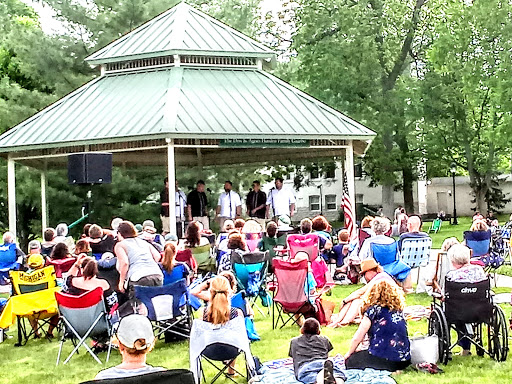
Reviews repeatedly mention day-to-day engagement such as planned daily activities, resident participation, and moments like music and crafts. Multiple people also highlight wellness programming tied to the pool, including classes that promote gentle movement and warm-water exercise. Some reviewers also mention events outdoors and group gatherings, suggesting there are options beyond a strictly indoor routine.
caveat
4 reviews mention this
Care timing and staffing come up
Several reviews point to staffing limits affecting timeliness and comfort.
Even where staff are praised, a few reviewers describe understaffing and delays—such as needing to repeatedly call for help or waiting for meals. There are also concerns about comfort issues described as cold temperatures and late service, which some reviewers connect to how care runs overnight. Taken together, the reviews suggest that timing and staffing levels can affect how daily life feels.
common
2 reviews mention this
Close to medical care options
The campus is very close to major outpatient and hospital services.
Reviewers note the location is near a hospital, and the surrounding area includes nearby medical destinations. For everyday outings, nearby dining and retail options are also within short drives, supporting the idea that families can find common conveniences nearby when needed.
How we summarize
Counts show how many written reviews mention each theme; a review can touch several themes, and only frequently mentioned themes are displayed.

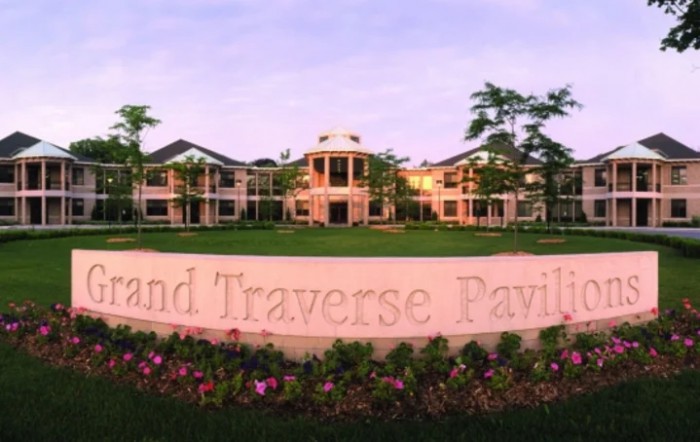
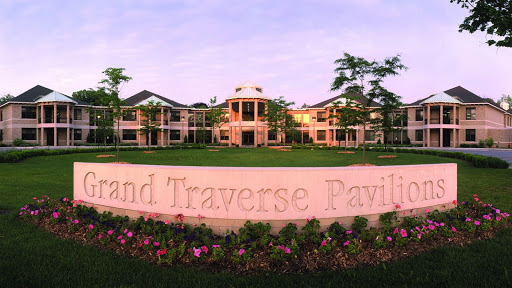





 240 resident community capacity
 Assisted Living
 Skilled Nursing Facility
 Activities on-site
 Air-conditioning
 Beauty salon
 Cable or satellite TV
 Computer center
 Devotional services off-site
 Dining room
 Fitness room
 Fully furnished
 Gaming room
 Garden
 Housekeeping services
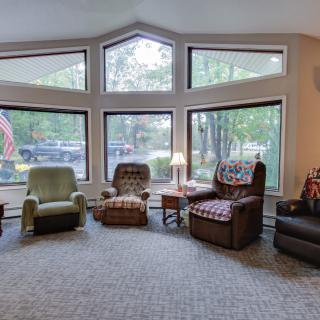
 Indoor common areas
 Kitchenette
 Move-in coordination
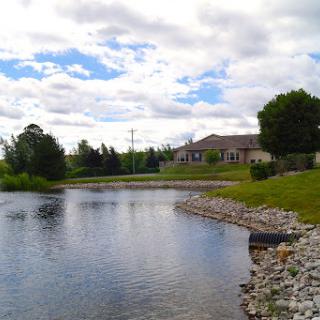
 Outdoor space
 Private bathrooms
 Restaurant-style dining
 Small library
 Telephone
 Wellness center
 Wi-Fi/high-speed internet available
 Cherry Capital (3 miles away)
 Community operated transportation
 12-16 hour nursing
 24-hour call system
 Ambulatory care
 Assistance with bathing
 Assistance with dressing
 Assistance with transfers
 Diabetes diet
 Diabetic care
 Medication management
 Mental wellness program
 Special dietary restrictions
 Concierge services
 Planned day trips
 Wide range of amenities and care options (independent/assisted) with transportation and wellness services.

 Understanding the True Cost of Assisted Living in 2025: A Comprehensive Guide
 Understanding Medicaid Coverage for Assisted Living: A Comprehensive Guide
 How and When Medicaid May Cover Assisted Living Costs