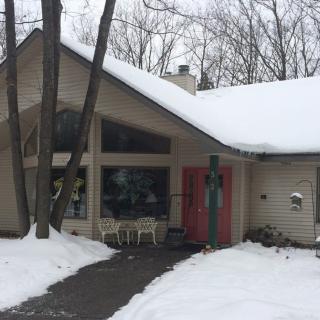
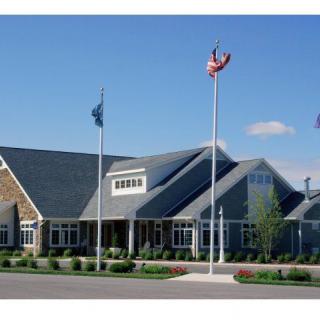
Traverse Manor in Traverse City, MI

1899 Dracka Road, Traverse City, MI 49684

For more information about senior living options: (844) 490-3973

4.3 from 27 reviews
5 stars
16
4 stars
5
3 stars
4
2 stars
1
1 stars
1

Assisted Living Board and Care Home Independent Living

Traverse Manor Costs & Pricing

Traverse Manor offers competitive pricing for its residents when compared to both Leelanau County and the broader state of Michigan. For studio apartments, the monthly cost at Traverse Manor is $3,300, which is notably lower than the average county rate of $3,738 and significantly less than the state average of $3,824. In the case of one-bedroom apartments, Traverse Manor's rate stands at $3,600. This figure aligns closely with Leelanau County's average of $3,383 while slightly exceeding Michigan's overall average of $3,384. Overall, Traverse Manor presents a compelling option for those seeking quality living arrangements in a desirable area while managing budget considerations effectively.

Floor plansTraverse ManorLeelanau CountyMichigan
Studio$3,300$3,738$3,824
1 Bedroom$3,600$3,383$3,384

Overall Review of Traverse Manor

Pros

  • pro Traverse Manor is a gem in the world of assisted living.
  • pro The staff are incredibly kind, attentive, and compassionate, consistently going the extra mile to make residents feel safe, respected, and cared for.
  • pro The facility is clean, welcoming, and has a true feeling of home.
  • pro The well-being and happiness of every resident is a top priority at Traverse Manor.
  • pro Families have peace of mind knowing their loved one is in such good hands.
  • pro The meals are nutritious and enjoyable, and the activity schedule keeps residents engaged.
  • pro There is a real sense of community at Traverse Manor.
  • pro The continuity of care and compassionate approach provides comfort and confidence to families.

Cons

  • pro One reviewer notes that Traverse Manor does not have enough staff to meet residents' needs.
  • pro Another reviewer describes the facility as outdated and in need of modernization.
  • pro A reviewer criticizes the independent living menu as not very interesting and the vegetables overcooked.
  • pro A reviewer observed there were few staff or residents present during a visit, making it hard to assess how residents are cared for.
  • pro A reviewer states that the layout is compartmentalized, rather than promoting a unified sense of community.

Review

This community is best suited for families seeking a warm, home-like assisted living environment where staff know residents well, routines are predictable, and there is a strong emphasis on day-to-day well-being. Traverse Manor shines for those who prize genuine kindness, safety, and a sense of community over flashier amenities. It works particularly well for residents who do not require nonstop clinical interventions but do benefit from attentive caregiving, clean surroundings, and an active social calendar that keeps minds and bodies engaged. The model also accommodates a continuum of care, with independent living options that can transition into assisted support as needs evolve, all under one roof, which reduces the stress of changing facilities.

Those weighing alternatives should note a few realities. The community may feel stretched for high-acuity care or complex medical needs, and some families report that staffing levels can fall short for residents with heavy care requirements. A portion of feedback also points to a desire for more modernization in appearance and for menu variety, with some meals described as adequate but not exciting. For families seeking intensive memory care within a specialized environment, or a facility that prioritizes cutting-edge design and culinary innovation, Traverse Manor may not be the best fit. Those who want rigorous, specialized dementia programming or a consistently high-end dining experience should explore other options.

The strongest positives center on staff culture and the lived experience of daily life. Reviewers consistently describe staff as kind, compassionate, and attentive, placing residents' safety and dignity at the top of the list. The environment is repeatedly praised as clean, comfortable, and homey, with a genuine sense of belonging that permeates hallways, common spaces, and resident apartments. Meals, while not universally lauded as gourmet, are generally nutritious and community-focused, and the activity slate - ranging from exercise classes to social games and outings - helps sustain engagement and social connection. A powerful undercurrent in the reviews is the continuity of care: families appreciate the ability to begin in independent living and gradually access assisted services as needs rise, without the upheaval of moving to another campus.

The main drawbacks do not negate the overall value, but they are real and worth weighing. Staffing pressures for higher-acuity residents emerge as a recurring concern, suggesting that those with more intense medical or daily living assistance needs may require additional planning or a facility with a larger care team. Aesthetic modernization is noted as desirable; several reviewers felt the property could look a bit more current despite its solid upkeep. Some diners may also find the menu lacks variety or punch, with vegetables not always hitting preferred standards. Finally, the layout - segmented into independent, assisted, and memory care wings - can be a pro for some families and a con for others, depending on how a resident's needs evolve and how transitions are managed.

Yet the positive attributes often offset these cons in meaningful ways. The staff's demonstrated willingness to listen to feedback and implement care plans that keep loved ones independent longer is particularly impactful, helping families feel confident that evolving needs will be met with grace. The continuity of care - where independent living attendees can smoothly transition into assistance as required - reduces disruption, preserves routines, and preserves a sense of familiarity. The home-like atmosphere, safety assurances, and accessible social programing generate tangible peace of mind for families, making Traverse Manor a practical choice for those who value relationship-driven care and predictable daily life over cutting-edge luxury. For many, the value is reinforced by independent living options that deliver comparable or better cost efficiency than similar communities, all while maintaining a strong community vibe.

In practical terms, Traverse Manor is a sound recommendation for families prioritizing compassionate caregiving, a warm community, and a flexible care continuum. It is less suited for residents needing high-level medical oversight, intensive memory care programming, or ultra-modern amenities and gourmet dining. When exploring options, assess the planned care pathway: ask how transitions are managed, what staffing ratios look like during peak hours, and how the activity calendar adapts to evolving resident interests. If the goal is steady, personal attention and a supportive, family-like environment, Traverse Manor delivers with credibility and heart, backed by a staff culture that consistently earns trust through everyday acts of care.

Features

Housing

  • 20 resident community capacity 20 resident community capacity

Types of Care

  • Assisted Living Assisted LivingAssisted living facilities provide crucial support and care for seniors who may need help with daily tasks such as medication management, bathing, and meal preparation. These communities offer a safe and comfortable environment where seniors can maintain their independence while receiving the assistance they need to thrive in their golden years.
  • Board and Care Home Board and Care HomeBoard and care homes provide a smaller, more intimate setting for seniors who require assistance with daily tasks but do not need the level of care offered by a nursing home. They offer personalized care, meals, and social activities in a homelike environment, ensuring that seniors receive individualized attention and support in their golden years.
  • Independent Living Independent LivingIndependent living communities are important for seniors because they offer a safe and supportive environment where older adults can live independently while still having access to amenities and services that enhance their quality of life. These communities provide social opportunities, recreational activities, and assistance with daily tasks, promoting overall well-being and allowing seniors to maintain their independence for as long as possible.

Pets

  • Cats allowed Cats allowed"Pet friendly" senior living communities are important for seniors because pets provide companionship, reduce feelings of loneliness and depression, promote physical activity and mental stimulation, and offer a sense of purpose and responsibility. Pets can improve overall well-being and quality of life for seniors in many ways.
  • Dogs allowed Dogs allowed"Pet friendly" senior living communities are important for seniors because pets provide companionship, reduce feelings of loneliness and depression, promote physical activity and mental stimulation, and offer a sense of purpose and responsibility. Pets can improve overall well-being and quality of life for seniors in many ways.

Amenities

  • Activities off-site Activities off-siteEngaging in off-site activities is crucial for seniors to maintain social connections, stay active, and stimulate their minds. It promotes overall well-being and helps combat feelings of isolation and loneliness.
  • Activities on-site Activities on-siteActivities on-site are important for seniors because they provide opportunities for socialization, mental stimulation, physical activity, and overall well-being. Engaging in activities can help seniors stay active, maintain their independence, and improve their quality of life.
  • Air-conditioning Air-conditioningAir conditioning is important for seniors as they are more vulnerable to heat-related illnesses and may have underlying health conditions that make it difficult for them to regulate their body temperature. It helps to keep them comfortable, safe, and healthy in hot weather.
  • Bath tubs Bath tubsBath tubs are important for seniors because they provide a safe and relaxing way to bathe, helping to prevent slips and falls while promoting independence and overall well-being.
  • Beautician on-site Beautician on-siteHaving a beautician on-site at a senior living community is important for seniors as it allows them to easily access grooming and personal care services, boosting their self-esteem and overall well-being. It also provides convenience and helps seniors maintain their sense of independence and personal style.
  • Beauty salon Beauty salonBeauty salons are important for seniors because they provide a space for them to feel pampered, socialize, and maintain their personal grooming and hygiene. Regular visits to a beauty salon can help boost seniors' self-esteem and overall well-being.
  • Cable or satellite TV Cable or satellite TVCable or satellite TV is important for seniors because it provides entertainment, news, and companionship, helping to combat loneliness and boredom. It also offers a wide range of programming options tailored to different interests and preferences.
  • Devotional services off-site Devotional services off-siteDevotional services off-site are important for seniors as they provide spiritual nourishment, social engagement, and a sense of community outside of the senior living facility. This can enhance overall well-being and help combat feelings of isolation and loneliness often experienced by older adults.
  • Devotional services on-site Devotional services on-siteDevotional services on-site provide seniors with spiritual support and a sense of community, as well as an opportunity for reflection and guidance during their senior living experience. This can promote emotional well-being and connection to others, leading to a more fulfilling and enriching lifestyle in their later years.
  • Dining room Dining roomDining rooms are important for seniors as they provide a space for socialization, connection, and nutritious meals. They offer opportunities for residents to bond over shared meals, foster a sense of community, and promote healthy eating habits. Dining rooms also ensure that seniors have access to well-balanced meals tailored to their dietary needs and preferences.
  • Full kitchen Full kitchenHaving a full kitchen in a senior living facility is important for seniors because it allows them to maintain their independence and prepare their own meals. This promotes healthy eating habits, saves money on dining out, and provides a sense of familiarity and comfort for residents.
  • Fully furnished Fully furnishedFully furnished senior living communities are important for seniors because they provide convenience, comfort, and a hassle-free moving experience. Seniors can easily settle into their new living space without the stress of having to buy and move furniture. This allows them to focus on enjoying their new home and community.
  • Garden GardenGardens are important for seniors as they provide a peaceful and therapeutic environment for relaxation, physical activity, and socialization. Being in nature has been shown to reduce stress, improve mood, and promote overall well-being. Gardens also offer opportunities for seniors to engage in gardening activities, which can improve mobility, flexibility, and cognitive function. Additionally, gardens create a sense of community and connection with others who share a passion for plants and outdoor spaces.
  • Ground floor units Ground floor unitsGround floor units are important for seniors because they provide easy accessibility, reduced risk of falls and injuries, and convenience for those with mobility issues. Seniors can avoid climbing stairs or using elevators, making daily tasks and activities more manageable and enjoyable.
  • Handicap accessible Handicap accessible"Handicap accessible" amenities are crucial for seniors to ensure they can easily navigate and access facilities, services, and activities without barriers or limitations due to physical impairments. This promotes independence, safety, and inclusivity for seniors in senior living communities.
  • Housekeeping services Housekeeping servicesHousekeeping services are important for seniors because they help maintain a clean and safe living environment, promote independence, and reduce the risk of accidents or illnesses. Additionally, having assistance with household chores can alleviate physical strain and allow seniors to focus on other aspects of their well-being.
  • Indoor common areas Indoor common areasIndoor common areas are crucial for seniors as they provide a space for socialization, recreation, and community engagement, promoting overall well-being and reducing feelings of isolation and loneliness.
  • Kitchenette KitchenetteKitchenettes are important for seniors living in senior living communities because they provide the convenience and independence of being able to prepare simple meals and snacks in the comfort of their own living space. This can help promote a sense of autonomy and well-being for seniors, allowing them to maintain some level of control over their dietary choices and daily routines.
  • Move-in coordination Move-in coordinationMove-in coordination is important for seniors because it helps ease the transition into their new living environment. It ensures that all logistics, such as packing, organizing movers, and setting up utilities are taken care of, allowing seniors to focus on settling in and adjusting to their new home. Having a smooth move-in process can alleviate stress and anxiety, making the transition smoother and more enjoyable for seniors.
  • Outdoor common areas Outdoor common areasOutdoor common areas are important for seniors as they provide a space for socialization, physical activity, and relaxation. Being outside in nature can improve mood and overall well-being, while also encouraging movement and engagement with others. These spaces can help combat feelings of isolation and promote a sense of community among residents.
  • Outdoor space Outdoor spaceOutdoor spaces are important for seniors as they provide opportunities for physical activity, social interaction, exposure to natural light and fresh air, and a sense of connection to nature. Having access to outdoor spaces can improve overall well-being and quality of life for older adults living in senior communities.
  • Telephone TelephoneTelephones are important for seniors as they provide a lifeline for communication with loved ones, emergency services, and healthcare providers. They offer a sense of security and independence, enabling seniors to stay connected and access assistance when needed.
  • Wheelchair accessible showers Wheelchair accessible showersWheelchair accessible showers are crucial for seniors as they provide a safe and independent bathing option for those with mobility challenges. These showers help prevent falls and allow seniors to maintain their dignity and autonomy while ensuring they can bathe comfortably.
  • Wi-Fi/high-speed internet available Wi-Fi/high-speed internet availableWi-Fi/high-speed internet is important for seniors to stay connected with loved ones, access online resources, and participate in virtual activities to combat feelings of loneliness and isolation. It also allows them to easily manage healthcare needs, access entertainment, and engage in lifelong learning opportunities.

Transportation

  • Cherry Capital (3 miles away) Cherry Capital (3 miles away)

Care Services

  • 24-hour call system 24-hour call system24-hour call systems are important for seniors because they provide peace of mind and immediate assistance in case of emergencies. This technology ensures that help is always available, promoting safety and security for elderly individuals living alone or in assisted living facilities.
  • 24-hour supervision 24-hour supervision24-hour supervision is important for seniors to ensure their safety, well-being, and access to immediate assistance in case of emergencies or health issues. This constant support provides peace of mind for both seniors and their loved ones, allowing them to age in place with dignity and security.
  • Activities of daily living assistance Activities of daily living assistanceActivities of daily living assistance are important for seniors because they provide essential support with tasks such as eating, bathing, dressing, and mobility. This assistance helps seniors maintain their independence, dignity, and overall quality of life as they age.
  • Assistance with bathing Assistance with bathingAssistance with bathing is crucial for seniors as it helps maintain personal hygiene, prevents infections, and ensures their overall well-being and comfort. It also provides a sense of dignity and independence for seniors who may struggle with this task on their own.
  • Assistance with dressing Assistance with dressingAssistance with dressing is important for seniors because it helps maintain their independence, promotes personal hygiene, prevents accidents and injuries, and improves overall quality of life. This service ensures that seniors can continue to dress comfortably and confidently, despite any physical limitations they may have.
  • Assistance with transfers Assistance with transfersAssistance with transfers is crucial for seniors as it helps prevent falls and injuries, maintains their independence, and ensures they can safely navigate their living environment. It also provides peace of mind for both seniors and their loved ones.
  • Coordination with health care providers Coordination with health care providersCoordination with health care providers is crucial for seniors to ensure proper medical care, medication management, and overall well-being. This collaboration helps prevent overlapping treatments, track progress more effectively, and provide comprehensive support tailored to individual needs.
  • Diabetes diet Diabetes dietA diabetes diet is crucial for seniors as it helps manage blood sugar levels, reduce risks of complications, and improve overall health and well-being. By following a balanced and nutritious diet tailored to their specific needs, seniors can better control their diabetes and enhance their quality of life.
  • Diabetic care Diabetic careDiabetic care is crucial for seniors as they are more susceptible to developing diabetes due to aging and other health conditions. Proper management of diabetes can help prevent complications such as heart disease, vision loss, and nerve damage, improving the overall quality of life for seniors in senior living communities.
  • Incontinence care Incontinence careIncontinence care is essential for seniors to maintain their dignity, hygiene, and overall quality of life. By addressing incontinence issues promptly and effectively, seniors can enjoy a sense of independence and comfort in their daily activities.
  • Meal preparation and service Meal preparation and serviceMeal preparation and service are crucial for seniors as they may have limited mobility or energy to cook nutritious meals. Having access to healthy and convenient food options can ensure they are getting the proper nutrition needed to maintain their overall health and well-being.
  • Medication management Medication managementMedication management is crucial for seniors to ensure they are taking the right medications at the correct dosages and times. This helps prevent adverse drug interactions, reduces the risk of medication errors, and promotes overall health and well-being. Proactive management also allows for adjustments as needed based on changing health conditions or new prescriptions.
  • Mental wellness program Mental wellness programMental wellness programs are essential for seniors as they promote cognitive stimulation, emotional support, and social engagement. These programs help prevent isolation, depression, and cognitive decline, ultimately enhancing the overall quality of life for older adults.
  • Special dietary restrictions Special dietary restrictionsSpecial dietary restrictions are important for seniors because age-related changes in metabolism and health conditions can make it difficult for their bodies to process certain foods. By following a diet tailored to their specific needs, seniors can maintain their overall health and well-being, manage chronic conditions, and reduce the risk of complications such as malnutrition or food interactions with medications.
  • Transportation arrangement (medical) Transportation arrangement (medical)Transportation arrangements for medical purposes are essential for seniors as they may have difficulty driving themselves to appointments or accessing public transportation. Having reliable and safe transportation options ensures that seniors can receive timely medical care and maintain their health and well-being.
  • Transportation to doctors appointments Transportation to doctors appointmentsTransportation to doctors' appointments is crucial for seniors as it ensures they have access to necessary medical care and support for their health needs. Without reliable transportation, seniors may struggle to attend important appointments, leading to potential delays in treatment and health complications. Providing transportation services helps seniors maintain their overall well-being and quality of life.

Dining

  • Diabetes diet Diabetes dietA diabetes diet is crucial for seniors as it helps manage blood sugar levels, reduce risks of complications, and improve overall health and well-being. By following a balanced and nutritious diet tailored to their specific needs, seniors can better control their diabetes and enhance their quality of life.
  • Guest meals Guest mealsGuest meals are important for seniors living in senior living communities because they provide an opportunity for socialization and companionship. Sharing a meal with friends, family, or new acquaintances can help combat feelings of loneliness and isolation, promote a sense of community, and enhance overall well-being. Additionally, guest meals allow seniors to enjoy delicious food in a comfortable setting without the hassle of cooking or cleaning up, making dining a pleasurable and stress-free experience.
  • Low / no sodium Low / no sodiumLow/no sodium options are important for seniors because excessive sodium intake can lead to high blood pressure, heart disease, and other health issues commonly experienced by older adults. By choosing low/no sodium foods, seniors can better manage their health and reduce their risk of developing these conditions.
  • Meals provided Meals provided"Meals provided" are crucial for seniors in assisted living communities as it ensures they have access to nutritious, balanced meals without the stress of meal planning and preparation. This can help promote overall health and well-being for seniors who may have limited mobility or cognitive abilities.
  • No Sugar No SugarNo sugar diets are important for seniors because they can help prevent or manage chronic conditions such as diabetes, heart disease, and obesity. Sugar can also contribute to cognitive decline and inflammation in the body, so reducing sugar intake can lead to overall improved health and well-being in older adults.
  • Professional chef Professional chefProfessional chefs are important for seniors living in senior living communities because they provide nutritious and delicious meals that cater to their dietary needs and preferences. A professional chef can ensure that seniors are receiving balanced, flavorful meals that support their overall health and well-being.
  • Room service Room serviceRoom service is important for seniors in a senior living community because it provides convenience and allows them to have their meals delivered directly to their room. This can be especially beneficial for seniors who may have mobility issues or difficulty accessing the dining area. Room service ensures that seniors are able to receive nutritious meals without having to navigate through the facility, allowing them to maintain their independence and overall well-being.
  • Special dietary restrictions Special dietary restrictionsSpecial dietary restrictions are important for seniors because age-related changes in metabolism and health conditions can make it difficult for their bodies to process certain foods. By following a diet tailored to their specific needs, seniors can maintain their overall health and well-being, manage chronic conditions, and reduce the risk of complications such as malnutrition or food interactions with medications.
  • Vegan VeganVegan diets can provide numerous health benefits for seniors, including lower risk of chronic diseases, improved digestion, and increased energy levels. Additionally, plant-based diets are often rich in essential nutrients that can support overall well-being and longevity in older adults.

Activities

  • Bible study group Bible study groupBible study groups provide seniors with a sense of community, spiritual growth, and support during their later years. It helps them stay connected to their faith, find comfort in difficult times, and build meaningful relationships with others.
  • Cards / pinochle club Cards / pinochle club"Cards / pinochle club" provide social interaction, mental stimulation, and a sense of community for seniors, promoting overall well-being and reducing feelings of loneliness and isolation.
  • Catholic services Catholic servicesCatholic services are important for seniors because they provide spiritual support, a sense of community, and opportunities for social interaction that can enhance overall well-being and quality of life in their later years.
  • Community-sponsored activities Community-sponsored activitiesCommunity-sponsored activities are important for seniors as they provide opportunities for social interaction, mental stimulation, and physical activity. These activities can help improve overall well-being, combat loneliness and isolation, and promote a sense of belonging and purpose among older adults.
  • Day trips and outings Day trips and outingsDay trips and outings are important for seniors as they provide opportunities for socialization, mental stimulation, physical activity, and a break from daily routines. These experiences can enhance overall well-being and quality of life for older adults living in senior communities.
  • Devotional activities offsite Devotional activities offsiteDevotional activities offsite are important for seniors because they provide social engagement, spiritual growth, and a sense of community outside of their living environment. This can improve overall well-being, mental health, and combat feelings of isolation or loneliness.
  • Devotional activities on-site Devotional activities on-siteDevotional activities on-site provide seniors with a sense of community, spiritual fulfillment, and emotional support, promoting overall well-being and a positive sense of purpose in their lives.
  • Happy hour Happy hourHappy hour is important for seniors as it provides a social activity that promotes camaraderie and reduces feelings of loneliness or isolation. It also offers an opportunity for older adults to relax, unwind, and enjoy some drinks or snacks in a fun and welcoming atmosphere.
  • Live musical performances Live musical performancesLive musical performances can provide seniors with a sense of joy, nostalgia, and connection. Music has the power to evoke emotions and memories, improve mood and cognitive function, and foster social interaction among seniors. It can also serve as a form of therapy and stress relief for older adults, making it an important activity to include in senior living communities.
  • Protestant services Protestant servicesProtestant services are important for seniors because they provide spiritual nourishment, community support, and a sense of belonging. These services can help seniors connect with others who share their faith, find comfort and guidance in times of need, and maintain a sense of purpose and fulfillment in their later years.
  • Resident-run activities Resident-run activitiesResident-run activities are important for seniors as they encourage social interaction, creativity, and a sense of autonomy. These activities empower seniors to stay engaged and active in their community while fostering meaningful connections with their peers.
  • Scheduled daily activities Scheduled daily activitiesScheduled daily activities are important for seniors because they provide structure, socialization, mental stimulation, and physical activity. Engaging in regular activities can improve overall well-being and quality of life for seniors living in a community setting.
  • Stretching classes Stretching classesStretching classes are important for seniors because they help improve flexibility, reduce the risk of injury, and promote overall health and well-being. Regular stretching can also help alleviate joint pain and stiffness, enhance balance and coordination, and increase range of motion.
  • Visiting chaplain or priest Visiting chaplain or priestHaving a visiting chaplain or priest at a senior living community is important for seniors because it provides spiritual support, comfort, and guidance during a time of life that can be challenging and uncertain. Their presence can help seniors feel connected to their faith, find peace of mind, and cope with the emotional and mental struggles they may face in their later years.
  • Wii bowling Wii bowlingWii bowling is important for seniors as it provides a fun and engaging way to stay active, socialize, and improve hand-eye coordination. It can help prevent isolation, boost mental well-being, and promote physical fitness in a safe and accessible manner.

Description

Traverse Manor is an assisted living community located in Traverse City, MI. We offer various types of care including board and care home as well as independent living options for our residents.

We pride ourselves on providing a wide range of amenities to enhance the comfort and convenience of our residents. Our community features air-conditioning throughout, ensuring a pleasant environment for all. Each room is fully furnished and includes cable or satellite TV, allowing residents to stay entertained at their leisure. Wi-Fi and high-speed internet are also available, enabling easy connectivity with loved ones and the online world.

Traverse Manor offers a variety of services to support the needs of our residents. Our dedicated staff provides 24-hour supervision, assisting with daily activities such as bathing, dressing, and transfers. We coordinate closely with health care providers to ensure comprehensive care for our residents. Our team also specializes in diabetic care, offering diabetes diets and management as needed. Incontinence care is provided to maintain personal hygiene and comfort.

Nutritious meals are an essential part of our residents' well-being, which is why we have a professional chef onsite who prepares delicious meals tailored to meet special dietary restrictions such as low/no sodium, no sugar, and vegan options. Room service is available for added convenience.

At Traverse Manor, we believe in providing engaging activities to enrich the lives of our residents. Our community offers a variety of scheduled daily activities including card clubs, devotional services both on-site and off-site, stretching classes, happy hours, live musical performances, Wii bowling tournaments, and much more! We also organize day trips and outings to explore the surrounding area.

For those seeking spiritual fulfillment, nearby places of worship offer convenient options for religious services. Additionally, cafes, parks, pharmacies, restaurants are all within close proximity to cater to various needs of our residents.

Traverse Manor aims to provide a comfortable and vibrant community where seniors can enjoy their golden years with independence and support.

Nearby Places of Interest

Places of Worship

  • Bible Baptist Church (0.5 miles)
  • St Francis Catholic Church (2.8 miles)

Restaurants

  • Cracker Barrel (0.6 miles)
  • La Senorita (0.7 miles)
  • Chili's Grill & Bar (0.9 miles)
  • Fuji Sushi & Steakhouse (0.9 miles)
  • Chick-Fil-A (1 miles)
  • Red Lobster (1 miles)
  • Olive Garden (1.1 miles)

Physicians

  • Dr. Edward Stewart (0.8 miles)
  • Well Spring Psychiatry (1.2 miles)
  • The Walk-In Clinic (1.3 miles)
  • Rising Star Wellness Center (1.6 miles)
  • Austin Shirley McLaren N Michigan Psychiatric (1.7 miles)
  • SVS Vision Optical Centers (2.2 miles)
  • Northern Vision Eye Care (2.2 miles)

Pharmacies

  • Target Pharmacy (0.9 miles)
  • Walgreens (2.1 miles)
  • The Prescription Shop (2.3 miles)
  • Hometown Pharmacy (2.3 miles)
  • Home Town Pharmacy (2.5 miles)
  • The Prescription Shop (2.5 miles)
  • Walgreens (2.6 miles)

Theaters

  • AMC CLASSIC Cherry Blossom 14 (1.5 miles)

Parks

  • Medalie Park (1.8 miles)
  • Grand Traverse Veterans Memorial Park (2.9 miles)
  • Hull Park (3.3 miles)

Cafes

  • Panera Bread (1.8 miles)
  • Starbucks (2 miles)

Hospitals

  • Copper Ridge Surgery Center (2.4 miles)
  • Munson Medical Center - Outpatient Services (3.3 miles)
  • Munson Medical Center (3.3 miles)
  • Munson Healthcare (3.3 miles)

Transportation

  • Cherry Capital Airport (TVC) (3.3 miles)

Frequently Asked Questions

How much does it cost to live at Traverse Manor in Traverse City, MI?
Where is Traverse Manor?
Does Traverse Manor allow residents to have pets?

Nearby Communities

  • Liv Arbors

    Liv Arbors

    Traverse City, MI


    pro Strong memory care focus with 24/7 supervision and tailored programming.

  • Cindy's Place

    Cindy's Place

    Traverse City, MI


    pro Comprehensive care (24/7 supervision, ADL assistance, medication management) with on-site dining, housekeeping, and outdoor spaces.

  • Cedar Valley Home

    Cedar Valley Home

    Traverse City, MI

    2.3 from 3 reviews
    $3,000 / month

    pro Small, fully furnished assisted living with personalized care and competitive $3,000/month pricing.

  • Piper's Place Adult Foster Care

    Piper's Place Adult Foster Care

    Traverse City, MI


    pro Comprehensive care with diabetes-friendly dining and medical transport.

  • Paulson Home

    Paulson Home

    Traverse City, MI


    pro Comprehensive care with furnished apartments, meals, housekeeping, medical coordination, and transportation.

  • Cass Road Adult Foster Care

    Cass Road Adult Foster Care

    Traverse City, MI


    pro Small, homelike setting with personalized care, meals, housekeeping, and transport to appointments.

  • The Village at Bay Ridge

    The Village at Bay Ridge

    Traverse City, MI

    4.3 from 3 reviews
    $1,165 to $1,435 / month

    pro Quality of care and cleanliness with broad on-site amenities and a pet-friendly policy.

  • Culver Meadows Senior Living

    Culver Meadows Senior Living

    Traverse City, MI


    pro Intimate 20-bed community with 24/7 supervision and memory care.

  • Cordia at Grand Traverse Commons

    Cordia at Grand Traverse Commons

    Traverse City, MI

    4.4 from 31 reviews
    $3,255 to $5,875 / month

    pro Beautiful facility with attentive staff, engaging activities, and gourmet dining.

Related Resources

  • assisted living waiver programA Detailed Exploration of Assisted Living Medicaid Waivers Across the United States

    Medicaid waivers for assisted living services provide vital support for seniors and individuals with disabilities in need of long-term care, with varying state-specific eligibility criteria and benefits. These waivers cover personal care and case management but often do not fully cover room and board, leading to waiting lists for many applicants.

  • assisted living for disabled adultsComprehensive Residential Support and Assisted Living Solutions for Individuals with Disabilities

    The article examines the complexities of assisted living for individuals with disabilities, emphasizing the need for tailored care solutions that enhance quality of life and social inclusion, while addressing financial challenges and advocating for community integration. It discusses various housing options, the importance of financial assistance through public benefits, and highlights trends towards integrated and technology-driven solutions in disability-focused housing.

  • assisted living for disabled adultsComprehensive Supportive Living Arrangements for Adults with Disabilities

    Assisted living for adults with disabilities has transformed to provide personalized care and support services aimed at improving residents' quality of life while balancing independence and assistance. However, low-income individuals often face challenges in affording these services, requiring navigation of various financial resources and advocacy for better policies and solutions.