French Manor South in Traverse City, MI

Save

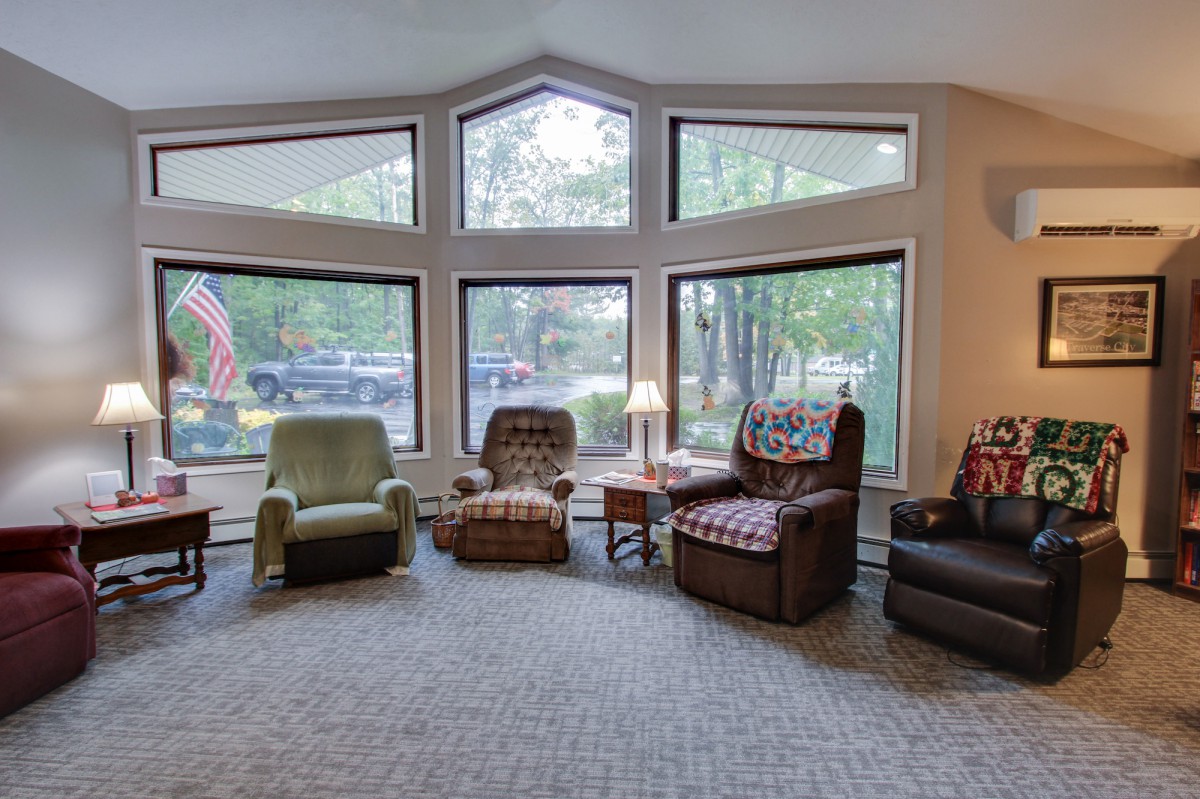
  • Interior

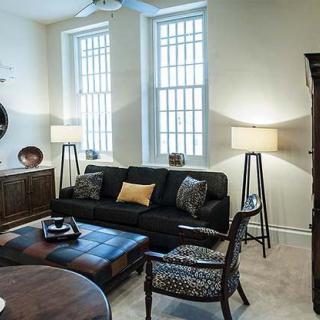
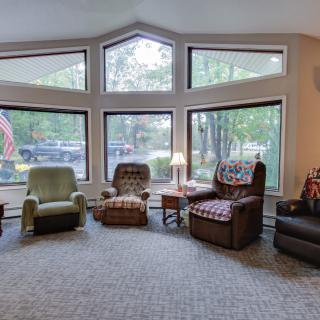
    A cozy living room with large windows and comfortable seating.
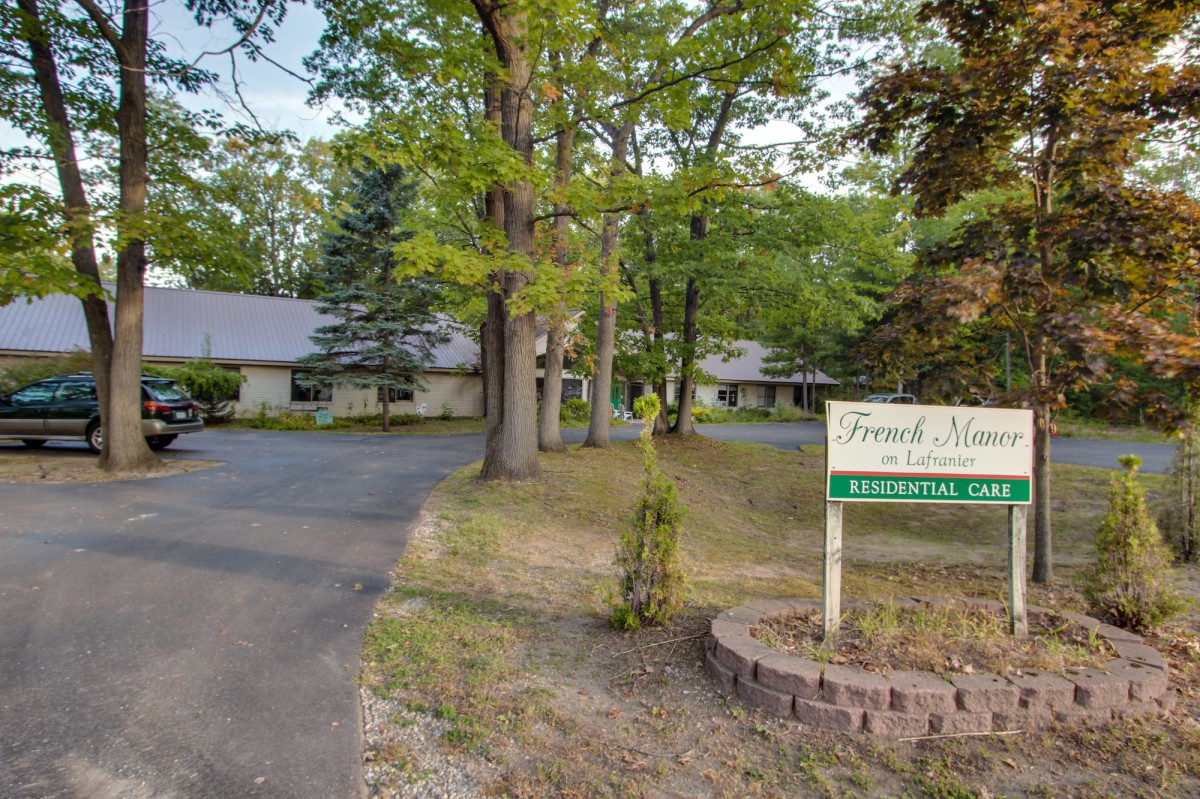
  • Outdoors

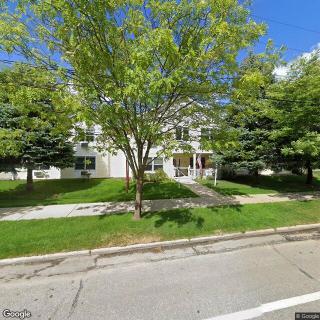
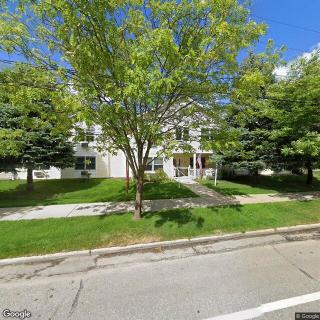
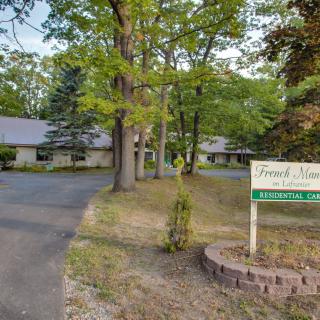
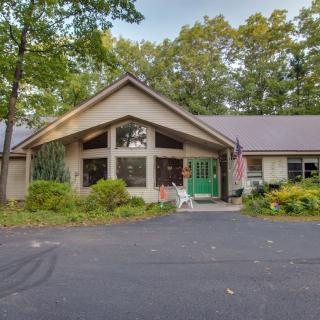
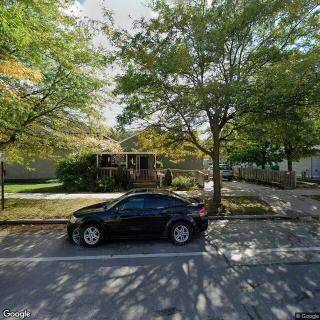
    A residential property surrounded by trees with a driveway and a sign in the yard.
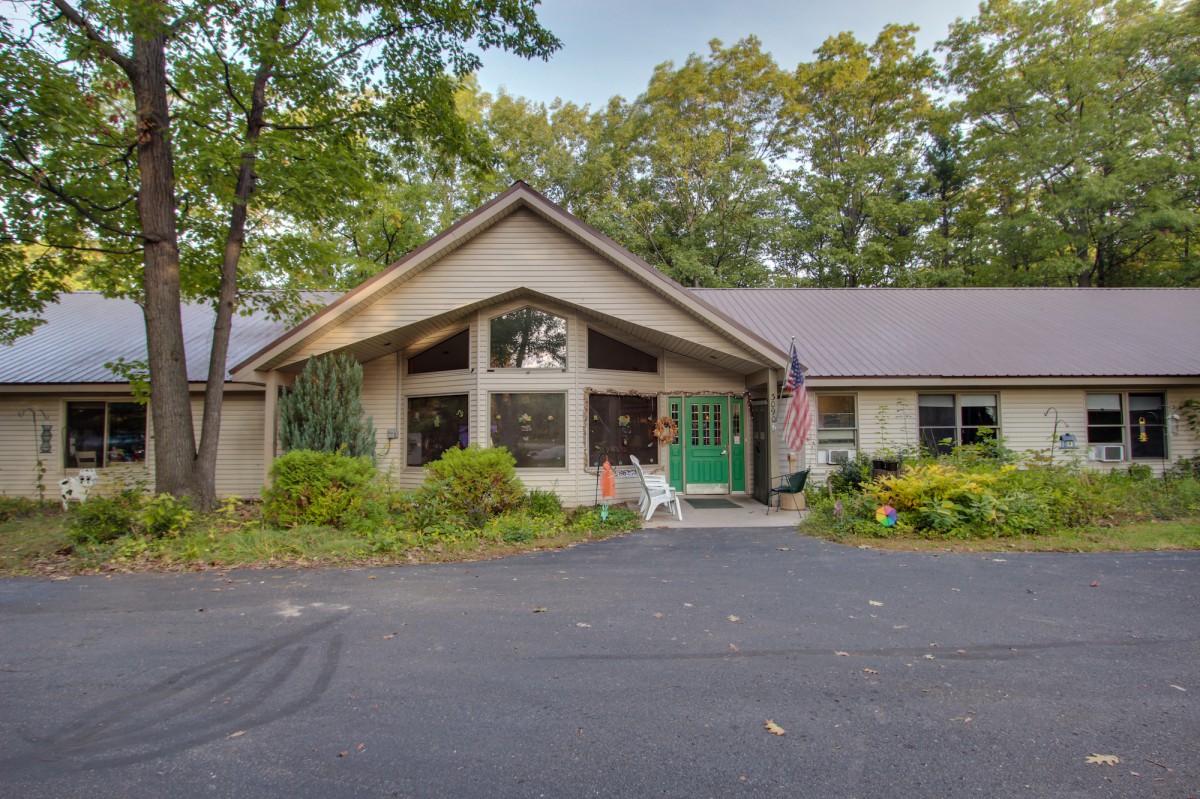
  • Architecture

    A single-story house surrounded by trees with a spacious driveway.
  • Bedroom

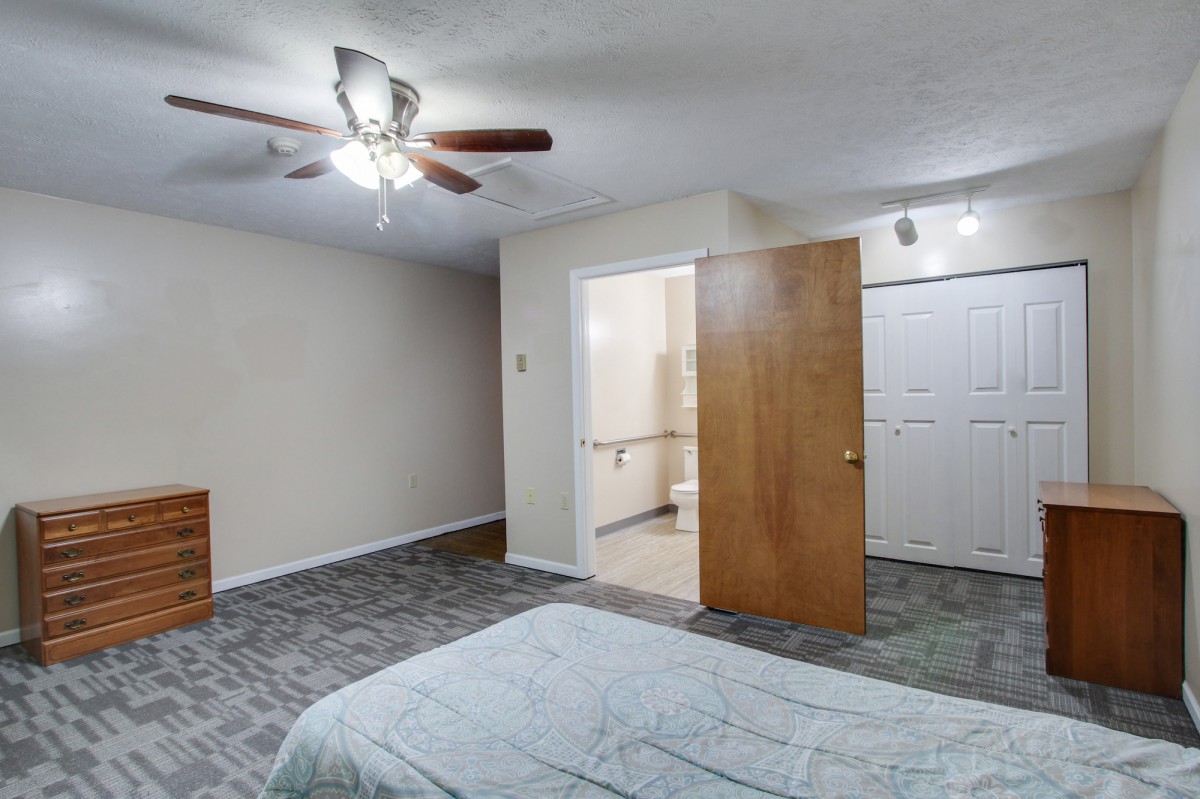
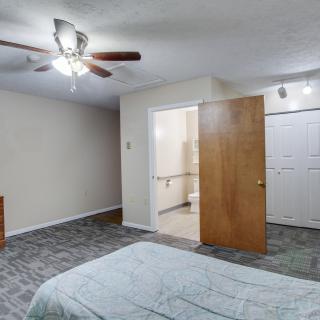
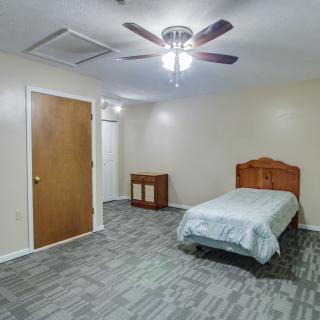
    A minimalist bedroom with neutral colors, featuring a ceiling fan and an open door leading to another room.
  • Trees

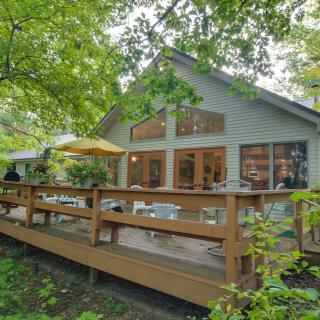
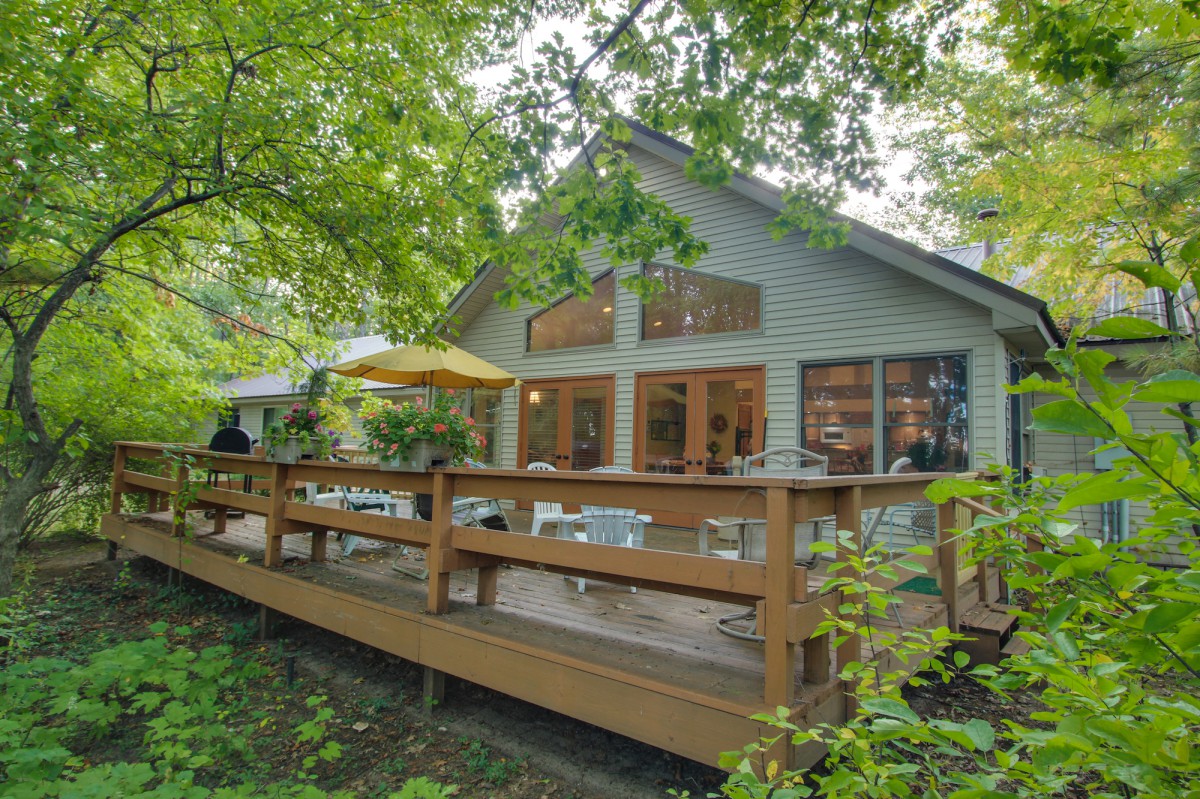
    A cozy house surrounded by trees, featuring a wooden deck with outdoor seating.
  • Windows

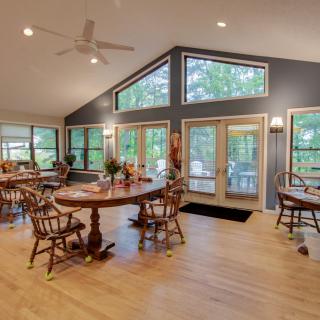
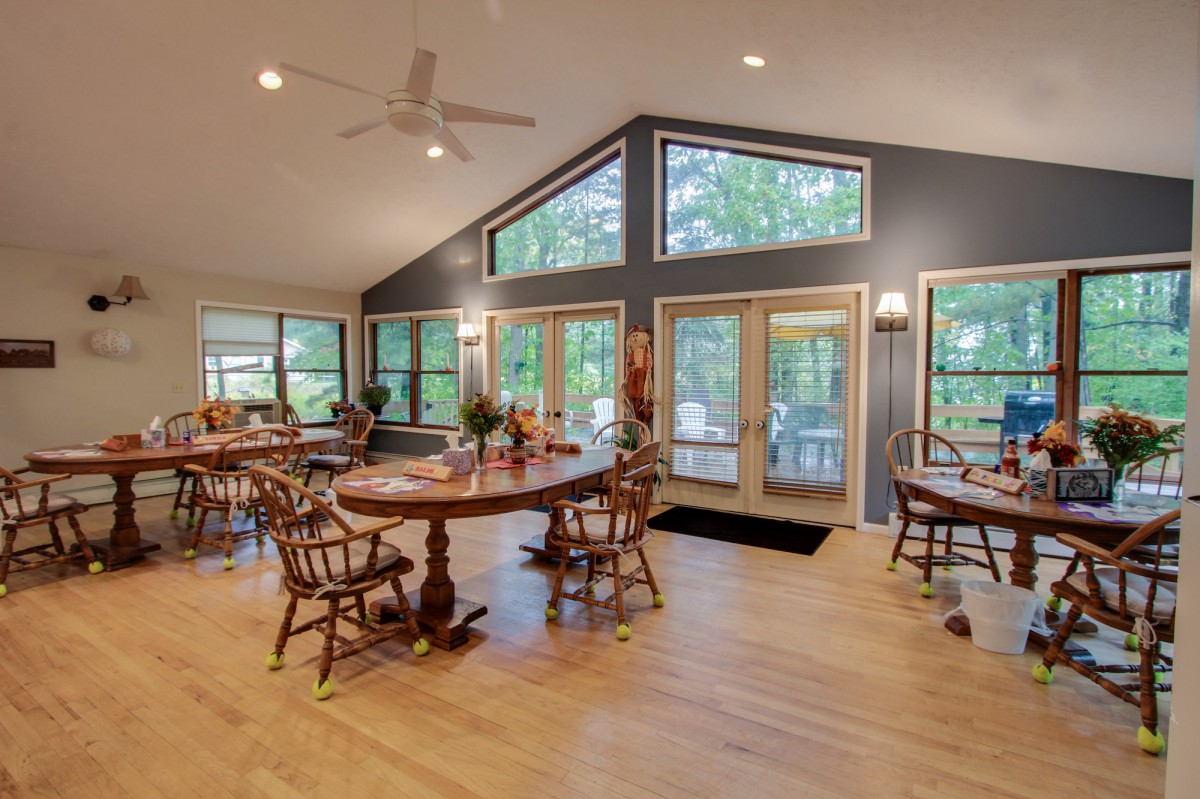
    A spacious dining area with wooden furniture and large windows allowing natural light to fill the room.
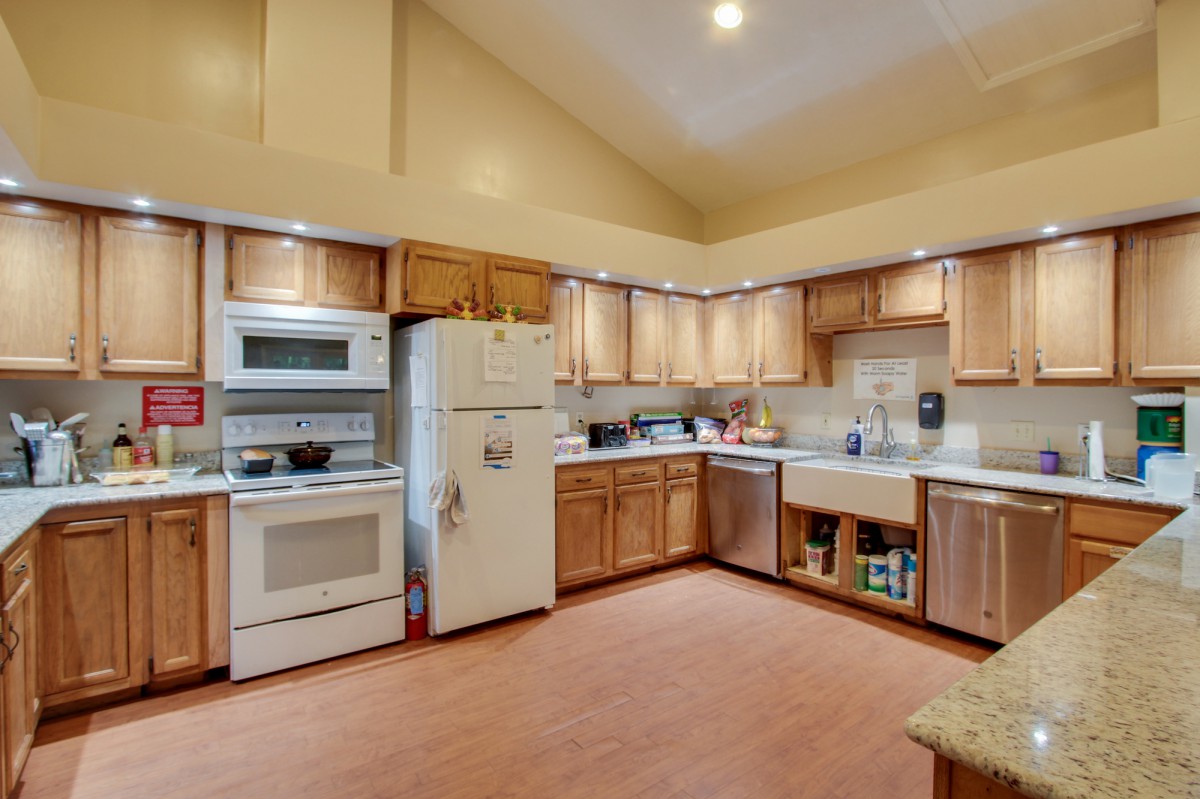
  • Kitchen

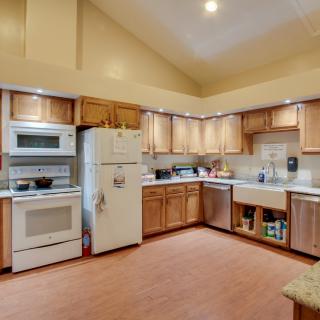
    A spacious kitchen with wooden cabinets and modern appliances.
  • Lighting

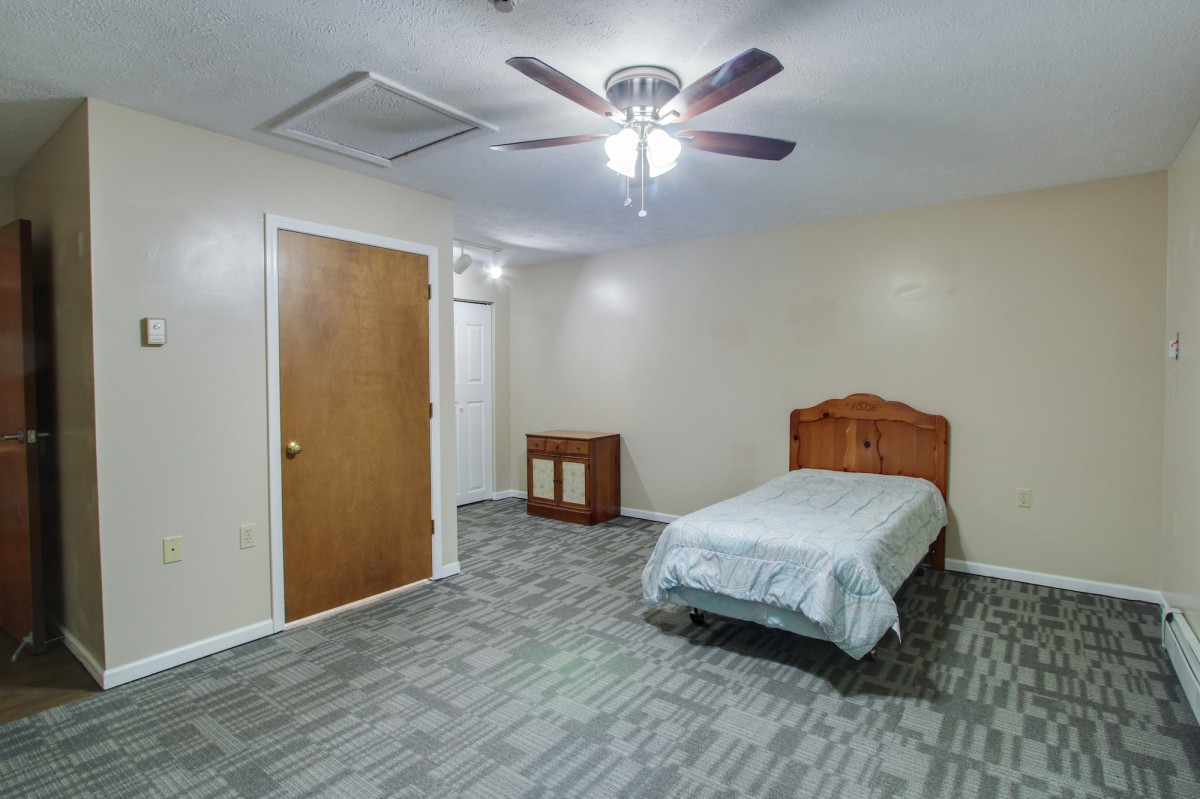
    A minimalist bedroom with a single bed, carpeted floor, and wooden furniture.
  • Bathroom

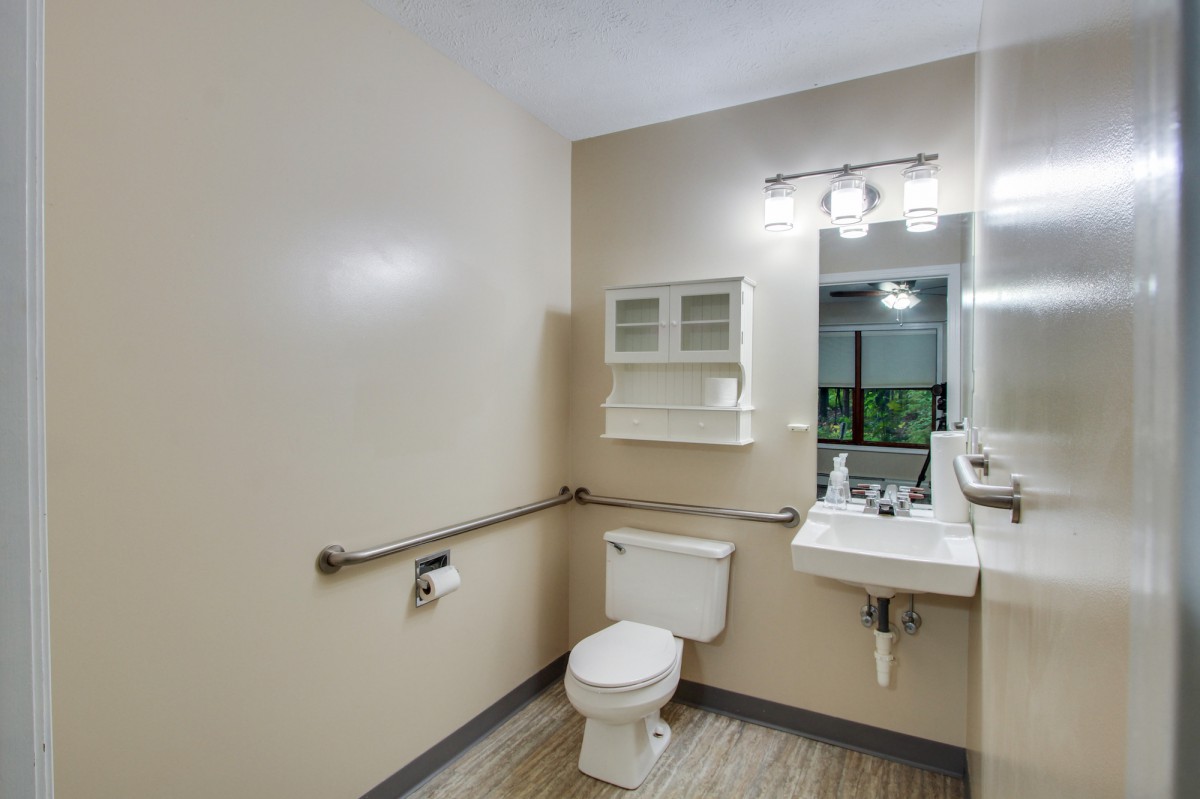
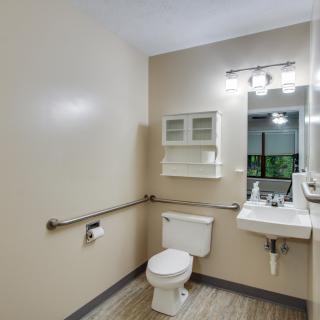
    A clean and accessible bathroom featuring a toilet, sink with mirror, and wall-mounted cabinet equipped with grab bars.
  • Wall Art

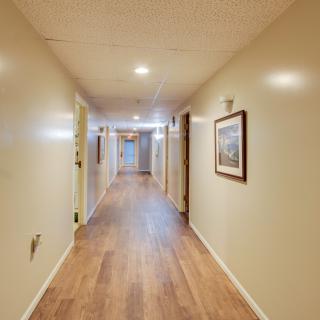
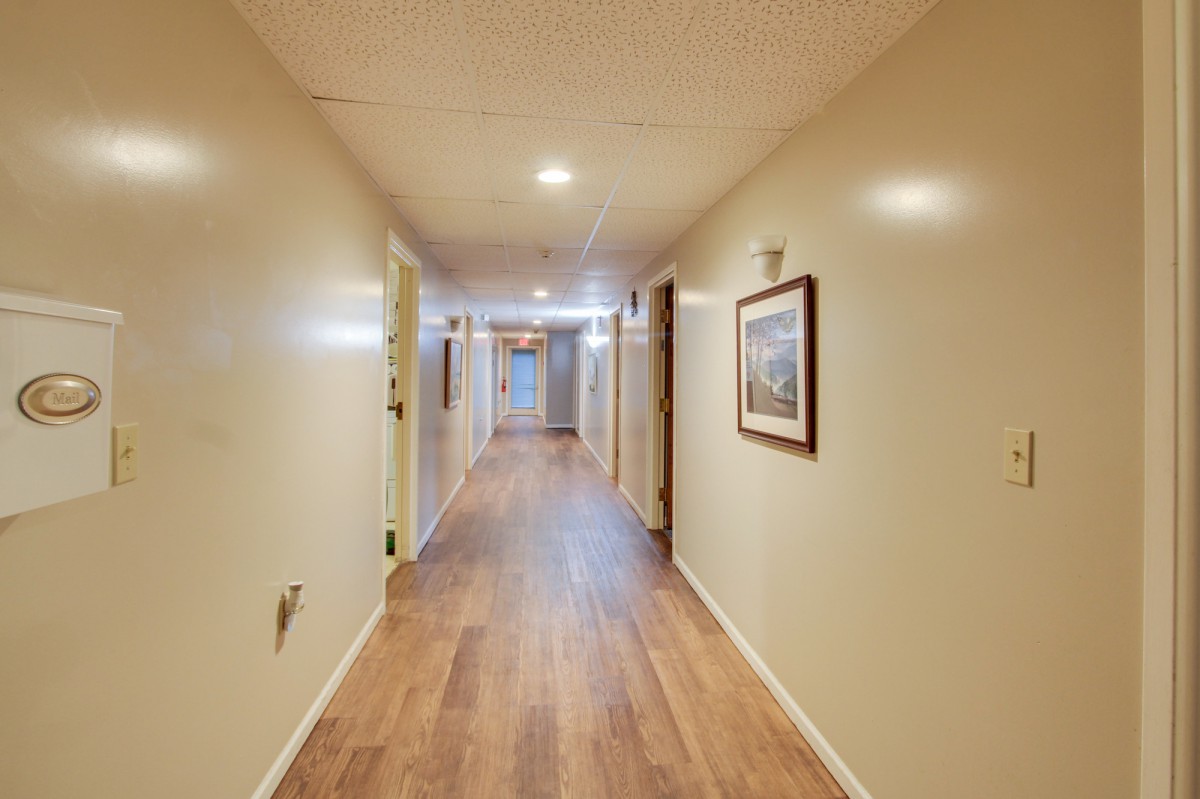
    A well-lit hallway with wooden flooring and artwork adorning the walls.

French Manor South in Traverse City, MI

Information last verified:

415 South Elmwood, Traverse City, MI 49684

For more information about senior living options: (844) 490-3973

5 from 3 reviews
5 stars
3
4 stars
0
3 stars
0
2 stars
0
1 stars
0

Overall Review of French Manor South

Pros

  • pro The staff's empathy and care for the sister during her last weeks were top notch.
  • pro The staff were as engaging as she was and took responsibility for care tasks that others would not.
  • pro The staff earned much gratitude for their dedication and support.
  • pro The staff took excellent care of Patricia, going above and beyond in dire need.
  • pro The staff were very attentive and concerned about the residents, with consistently good food and excellent cooks.
  • pro The preparation at French Manor helped the resident live independently, and they are now doing well in an adult apartment complex.

Review

French Manor South in Traverse City is best suited for seniors who want a warm, hands-on care culture where staff actively participates in daily routines and medical oversight, yet still offer the option of independent living within a cohesive community. The care philosophy here is clearly anchored in empathy: aides, nurses, and therapists show up consistently, take ownership of tasks that matter, and make residents feel truly seen. Families seeking continuity of compassionate caregiving, especially when transitions from hospital or acute needs are part of the reality, will find a steadying, reassuring environment. The combination of attentive caregiving with the possibility of independent apartments creates a bridge for residents who are not yet ready for a fully hospital-like setting but do require dependable support. The emotional climate, where staff are described as present, engaged, and willing to go the extra mile, becomes a practical advantage for families balancing oversight with a desire for their loved one to maintain dignity and comfort.

That said, there are clear reasons to consider alternatives in some situations. If independence with minimal daily assistance is the primary goal, a more self-directed setting might be preferable, where the staff footprint is lighter and residents navigate most routines on their own. For families dealing with memory care needs or more advanced clinical supervision, facilities dedicated to memory care or those with larger medical teams specialized for high-acuity cognitive disorders may be more appropriate than a property that emphasizes a blended assisted-living model. Cost considerations, while not detailed in the notes, often factor into the decision; communities with an intense level of hands-on care can trend higher on price, which could steer cost-conscious families toward options with different staffing models or fewer included services. Finally, residents seeking a highly active social scene with expansive programming might want to compare the breadth of activities against larger campuses.

The strongest positives, the staff’s empathy and reliability, the readiness to tackle care tasks that others might shy away from, and the consistently solid nutrition and medical-therapy support, significantly offset common concerns in assisted living decisions. Families repeatedly credit the team with going beyond basic duties, which translates into lower caregiver anxiety for loved ones and their families. The presence of a capable medical staff and physical therapy support ensures that medical needs are addressed promptly, which reduces the burden of coordinating external care. In practical terms, these elements translate into smoother daily living: fewer emergencies, clearer communication about health changes, and a more predictable routine that helps residents retain independence for as long as possible. When care tasks, from personal hygiene to mobility assistance, are delivered with competence and warmth, the emotional and logistical costs of caregiving outside the family unit are markedly reduced.

Nonetheless, the absence of explicitly noted, facility-wide drawbacks in the available experiences invites a balanced view. The reviews do not highlight memory-care specialties or highly specialized dementia programming, which suggests that higher-acuity cognitive needs may require a facility with a narrower focus or enhanced security features. The size of the campus and its resources may also influence the variety of activities and niche programming compared with larger communities. For families where a broad array of social opportunities, diverse enrichment options, or highly specialized clinical pathways are non-negotiable, those expectations should be tested during a tour and compared with alternatives that emphasize breadth of programming. Yet even with these potential gaps, the demonstrated attentiveness and dependable care model at French Manor South mitigate many of the practical downsides that typically tax families in transition.

Practical decision-making starts with aligning this community’s strengths with resident needs. Traverse City’s setting offers convenient access to familiar surroundings, family visits, and off-site medical appointments, which matters for ongoing connections and logistics. Prospective residents should request to meet the care team, observe meal service, and review a sample care plan to gauge how well the approach fits personal routines and health scenarios. It is prudent to ask about the pathway from independent living to assisted options, confirming that the transition rules, pricing increments, and care escalation processes are transparent. Touring the on-site rehab offerings and speaking with current residents or families about day-to-day rhythms will reveal whether the balance of independence and assistance matches expectations. While the care quality shown in these accounts is impressive, a thorough due diligence tour remains essential to verify fit.

Bottom line: French Manor South stands out for families who value a caregiving culture that truly prioritizes residents’ comfort, dignity, and physical well-being, backed by attentive medical and rehabilitative support. It is an especially strong fit for seniors who desire dependable daily assistance without surrendering independence in a clearly structured environment. Those who must have dedicated memory-care programming, extensive social calendars, or highly cost-conscious options may want to explore alternatives designed around those priorities. For families balancing compassion with practicality, this community delivers a compelling mix of heart-led care and credible clinical support that can make a meaningful difference in quality of life and peace of mind. The next step is a focused visit that confirms fit, pricing clarity, and the availability of a seamless transition plan if care needs evolve.

Features

Housing

  • 40 resident community capacity 40 resident community capacity

Types of Care

  • Assisted Living Assisted LivingAssisted living facilities provide crucial support and care for seniors who may need help with daily tasks such as medication management, bathing, and meal preparation. These communities offer a safe and comfortable environment where seniors can maintain their independence while receiving the assistance they need to thrive in their golden years.

Amenities

  • Beauty salon Beauty salonBeauty salons are important for seniors because they provide a space for them to feel pampered, socialize, and maintain their personal grooming and hygiene. Regular visits to a beauty salon can help boost seniors' self-esteem and overall well-being.
  • Cable or satellite TV Cable or satellite TVCable or satellite TV is important for seniors because it provides entertainment, news, and companionship, helping to combat loneliness and boredom. It also offers a wide range of programming options tailored to different interests and preferences.
  • Dining room Dining roomDining rooms are important for seniors as they provide a space for socialization, connection, and nutritious meals. They offer opportunities for residents to bond over shared meals, foster a sense of community, and promote healthy eating habits. Dining rooms also ensure that seniors have access to well-balanced meals tailored to their dietary needs and preferences.
  • Fully furnished Fully furnishedFully furnished senior living communities are important for seniors because they provide convenience, comfort, and a hassle-free moving experience. Seniors can easily settle into their new living space without the stress of having to buy and move furniture. This allows them to focus on enjoying their new home and community.
  • Garden GardenGardens are important for seniors as they provide a peaceful and therapeutic environment for relaxation, physical activity, and socialization. Being in nature has been shown to reduce stress, improve mood, and promote overall well-being. Gardens also offer opportunities for seniors to engage in gardening activities, which can improve mobility, flexibility, and cognitive function. Additionally, gardens create a sense of community and connection with others who share a passion for plants and outdoor spaces.
  • Housekeeping services Housekeeping servicesHousekeeping services are important for seniors because they help maintain a clean and safe living environment, promote independence, and reduce the risk of accidents or illnesses. Additionally, having assistance with household chores can alleviate physical strain and allow seniors to focus on other aspects of their well-being.
  • Kitchenette KitchenetteKitchenettes are important for seniors living in senior living communities because they provide the convenience and independence of being able to prepare simple meals and snacks in the comfort of their own living space. This can help promote a sense of autonomy and well-being for seniors, allowing them to maintain some level of control over their dietary choices and daily routines.
  • Move-in coordination Move-in coordinationMove-in coordination is important for seniors because it helps ease the transition into their new living environment. It ensures that all logistics, such as packing, organizing movers, and setting up utilities are taken care of, allowing seniors to focus on settling in and adjusting to their new home. Having a smooth move-in process can alleviate stress and anxiety, making the transition smoother and more enjoyable for seniors.
  • Outdoor space Outdoor spaceOutdoor spaces are important for seniors as they provide opportunities for physical activity, social interaction, exposure to natural light and fresh air, and a sense of connection to nature. Having access to outdoor spaces can improve overall well-being and quality of life for older adults living in senior communities.
  • Restaurant-style dining Restaurant-style diningRestaurant-style dining is important for seniors because it allows them to enjoy delicious, nutritious meals in a social and upscale setting. This enhances their dining experience, promotes healthy eating habits, and fosters socialization with fellow residents, ultimately contributing to their overall well-being and quality of life.
  • Small library Small librarySmall libraries are important for seniors as they provide access to a variety of reading materials, including books, newspapers, and magazines. This can help stimulate their minds, keep them engaged, and provide a sense of community through book clubs and other social activities. Additionally, reading has been shown to improve cognitive function and overall mental well-being in older adults.
  • Telephone TelephoneTelephones are important for seniors as they provide a lifeline for communication with loved ones, emergency services, and healthcare providers. They offer a sense of security and independence, enabling seniors to stay connected and access assistance when needed.
  • Wi-Fi/high-speed internet available Wi-Fi/high-speed internet availableWi-Fi/high-speed internet is important for seniors to stay connected with loved ones, access online resources, and participate in virtual activities to combat feelings of loneliness and isolation. It also allows them to easily manage healthcare needs, access entertainment, and engage in lifelong learning opportunities.

Transportation

  • Cherry Capital (3 miles away) Cherry Capital (3 miles away)

Care Services

  • 24-hour call system 24-hour call system24-hour call systems are important for seniors because they provide peace of mind and immediate assistance in case of emergencies. This technology ensures that help is always available, promoting safety and security for elderly individuals living alone or in assisted living facilities.
  • 24-hour supervision 24-hour supervision24-hour supervision is important for seniors to ensure their safety, well-being, and access to immediate assistance in case of emergencies or health issues. This constant support provides peace of mind for both seniors and their loved ones, allowing them to age in place with dignity and security.
  • Activities of daily living assistance Activities of daily living assistanceActivities of daily living assistance are important for seniors because they provide essential support with tasks such as eating, bathing, dressing, and mobility. This assistance helps seniors maintain their independence, dignity, and overall quality of life as they age.
  • Assistance with bathing Assistance with bathingAssistance with bathing is crucial for seniors as it helps maintain personal hygiene, prevents infections, and ensures their overall well-being and comfort. It also provides a sense of dignity and independence for seniors who may struggle with this task on their own.
  • Assistance with dressing Assistance with dressingAssistance with dressing is important for seniors because it helps maintain their independence, promotes personal hygiene, prevents accidents and injuries, and improves overall quality of life. This service ensures that seniors can continue to dress comfortably and confidently, despite any physical limitations they may have.
  • Assistance with transfers Assistance with transfersAssistance with transfers is crucial for seniors as it helps prevent falls and injuries, maintains their independence, and ensures they can safely navigate their living environment. It also provides peace of mind for both seniors and their loved ones.
  • Diabetes diet Diabetes dietA diabetes diet is crucial for seniors as it helps manage blood sugar levels, reduce risks of complications, and improve overall health and well-being. By following a balanced and nutritious diet tailored to their specific needs, seniors can better control their diabetes and enhance their quality of life.
  • Meal preparation and service Meal preparation and serviceMeal preparation and service are crucial for seniors as they may have limited mobility or energy to cook nutritious meals. Having access to healthy and convenient food options can ensure they are getting the proper nutrition needed to maintain their overall health and well-being.
  • Medication management Medication managementMedication management is crucial for seniors to ensure they are taking the right medications at the correct dosages and times. This helps prevent adverse drug interactions, reduces the risk of medication errors, and promotes overall health and well-being. Proactive management also allows for adjustments as needed based on changing health conditions or new prescriptions.
  • Mental wellness program Mental wellness programMental wellness programs are essential for seniors as they promote cognitive stimulation, emotional support, and social engagement. These programs help prevent isolation, depression, and cognitive decline, ultimately enhancing the overall quality of life for older adults.
  • Special dietary restrictions Special dietary restrictionsSpecial dietary restrictions are important for seniors because age-related changes in metabolism and health conditions can make it difficult for their bodies to process certain foods. By following a diet tailored to their specific needs, seniors can maintain their overall health and well-being, manage chronic conditions, and reduce the risk of complications such as malnutrition or food interactions with medications.
Dining

  • Diabetes diet Diabetes dietA diabetes diet is crucial for seniors as it helps manage blood sugar levels, reduce risks of complications, and improve overall health and well-being. By following a balanced and nutritious diet tailored to their specific needs, seniors can better control their diabetes and enhance their quality of life.
  • Special dietary restrictions Special dietary restrictionsSpecial dietary restrictions are important for seniors because age-related changes in metabolism and health conditions can make it difficult for their bodies to process certain foods. By following a diet tailored to their specific needs, seniors can maintain their overall health and well-being, manage chronic conditions, and reduce the risk of complications such as malnutrition or food interactions with medications.

Activities

  • Community-sponsored activities Community-sponsored activitiesCommunity-sponsored activities are important for seniors as they provide opportunities for social interaction, mental stimulation, and physical activity. These activities can help improve overall well-being, combat loneliness and isolation, and promote a sense of belonging and purpose among older adults.
  • Resident-run activities Resident-run activitiesResident-run activities are important for seniors as they encourage social interaction, creativity, and a sense of autonomy. These activities empower seniors to stay engaged and active in their community while fostering meaningful connections with their peers.
  • Scheduled daily activities Scheduled daily activitiesScheduled daily activities are important for seniors because they provide structure, socialization, mental stimulation, and physical activity. Engaging in regular activities can improve overall well-being and quality of life for seniors living in a community setting.

Description

French Manor South in Traverse City, MI is an assisted living community that offers a variety of amenities and care services to support the needs of its residents. The community provides comfortable and fully furnished accommodations with cable or satellite TV and Wi-Fi/high-speed internet for entertainment and connectivity.

Residents can enjoy delicious meals in the dining room with restaurant-style dining options available, as well as special dietary restrictions accommodated. Assistance with activities of daily living such as bathing, dressing, and transfers is provided by staff members who are available 24 hours a day. Medication management and diabetes diet are also offered to ensure the health and well-being of residents.

French Manor South encourages an active lifestyle through resident-run activities and scheduled daily activities that cater to different interests and preferences. There is also a small library where residents can indulge in their love for reading. Outdoor spaces such as gardens offer opportunities for relaxation and enjoyment of nature.

The community is conveniently located near several amenities including cafes, parks, pharmacies, physicians’ offices, restaurants, places of worship, theaters, and hospitals. This allows residents easy access to various services and entertainment options.

Overall, French Manor South provides a supportive environment where residents can receive personalized care while enjoying a comfortable living arrangement and engaging in meaningful activities that enhance their overall well-being.

Nearby Places of Interest

Physicians

  • Bay Area Dermatology (0.1 miles)
  • Munson Hearing Clinic (0.2 miles)
  • Surgical Associates of Traverse City (0.2 miles)
  • Northwest Michigan Surgical Group PC (0.2 miles)
  • Northern Michigan Gastroenterology PLC (0.2 miles)
  • Grand Traverse Allergy PC (0.3 miles)
  • Cosmetic Skin & Laser Center (0.3 miles)

Pharmacies

  • Good Neighbor Pharmacy (0.1 miles)
  • Sixth Street Drugs (0.1 miles)
  • Munson Ambulatory Pharmacy (0.2 miles)
  • CVS Pharmacy (0.4 miles)
  • Olesons West Pharmacy (0.7 miles)
  • Petertyl Drug (0.8 miles)
  • Walgreens (1.2 miles)

Hospitals

  • Munson Medical Center (0.1 miles)
  • Munson Medical Center - Outpatient Services (0.2 miles)
  • Cowell Family Cancer Center (0.2 miles)
  • Munson Healthcare (0.5 miles)
  • Copper Ridge Surgery Center (1.2 miles)

Parks

  • Grand Traverse Veterans Memorial Park (0.3 miles)
  • The Open Space (0.8 miles)
  • Clinch Park (1 miles)
  • Hull Park (1.5 miles)

Restaurants

  • Slabtown Burger (0.3 miles)
  • Trattoria Stella (0.3 miles)
  • PepeNero (0.3 miles)
  • Left Foot Charley (0.4 miles)
  • Spanglish (0.4 miles)
  • Grand Traverse Pie Company (0.4 miles)
  • Earthen Ales (0.5 miles)

Cafes

  • Brew (0.8 miles)
  • Espresso Bay (1 miles)
  • Aroma's Coffee & Tea (1 miles)
  • Morsels (1.1 miles)
  • Starbucks (1.2 miles)
  • Panera Bread (1.4 miles)

Places of Worship

  • St Francis Catholic Church (0.9 miles)

Theaters

  • AMC CLASSIC Cherry Blossom 14 (1.9 miles)

Frequently Asked Questions

Where is French Manor South?
What photos are available for French Manor South in Traverse City, Michigan?

Nearby Communities

  • French Manor

    French Manor

    Traverse City, MI

    5 from 1 review
     

    pro Serene setting with extensive nearby amenities.

  • French Manor Inn

    French Manor Inn

    Traverse City, MI

    4 from 8 reviews
    $3,713 to $4,826 / month

    pro Tranquil, picturesque setting with extensive nearby services.

  • French Manor Yellow

    French Manor Yellow

    Traverse City, MI

    4.3 from 12 reviews
     

    pro Immaculate, newly renovated facility with attentive staff, spacious rooms, and strong dining.

  • French Manor

    French Manor

    Traverse City, MI

    4 from 8 reviews
    $3,000 / month

    pro Affordable pricing relative to county/state averages with strong on-site amenities and activities.

  • Grand Traverse Pavilions

    Grand Traverse Pavilions

    Traverse City, MI

    3.8 from 37 reviews
     

    pro Caring staff with engaging activities in a clean, home-like environment.

  • Cordia at Grand Traverse Commmons

    Cordia at Grand Traverse Commmons

    Traverse City, MI

    4.2 from 19 reviews
     

    pro Wide range of amenities and care options (independent/assisted) with transportation and wellness services.

  • Cordia at Grand Traverse Commons

    Cordia at Grand Traverse Commons

    Traverse City, MI

    4.4 from 31 reviews
    $3,255 to $5,875 / month

    pro Beautiful facility with attentive staff, engaging activities, and gourmet dining.

  • The Village at Bay Ridge

    The Village at Bay Ridge

    Traverse City, MI

    4.3 from 3 reviews
    $1,165 to $1,435 / month

    pro Quality of care and cleanliness with broad on-site amenities and a pet-friendly policy.

  • Traverse Manor

    Traverse Manor

    Traverse City, MI

    4.3 from 27 reviews
    $3,300 to $3,600 / month

    pro Friendly staff, clean facility, and strong on-site amenities in a peaceful setting.

Related Resources

  • va benefits for assisted livingAssisted Living Support for Veterans: A Complete and Detailed Overview

    The guide highlights the importance of assisted living facilities for aging veterans needing daily support, discusses unique challenges they face, and outlines available financial assistance from the VA, including the Aid and Attendance program. It emphasizes understanding eligibility criteria and navigating the VA system to access necessary benefits effectively.

  • assisted living vs skilled nursingExploring the Contrasts Between Assisted Living and Skilled Nursing

    The article compares assisted living and skilled nursing facilities, detailing their differing levels of assistance, medical support, cost structures, and day-to-day experiences. It emphasizes that assisted living is for those needing help with daily activities while maintaining independence, whereas skilled nursing facilities provide intensive medical care with 24-hour staff supervision.

  • when to move from assisted living to nursing home8 Key Indicators That Suggest It May Be Time to Transition from Assisted Living to Skilled Nursing Care
    The transition from assisted living to skilled nursing care is often prompted by complex medical needs that assisted living cannot meet, with key indicators including frequent health declines, increased falls, severe memory issues, and caregiver burnout. Families should recognize these signs early to discuss options with healthcare providers and prepare for the emotional and logistical aspects of moving to a facility that offers comprehensive medical support.