
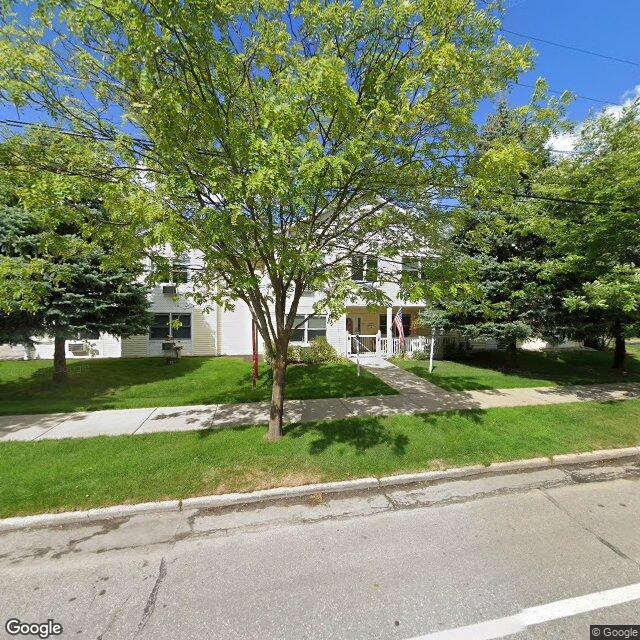
908 West 7th St., Traverse City, MI 49684
To contact a resident: (231) 929-8131
For more information about senior living options: (866) 208-4318
French Manor Costs & Pricing
At French Manor, the monthly cost for a one-bedroom suite is set at $3,000, which positions it competitively within its market. When comparing this to the average costs in Leelanau County and across Michigan, where the monthly expenses are approximately $3,383 and $3,384 respectively, French Manor offers a more budget-friendly option without compromising on quality. This pricing strategy reflects an understanding of regional trends while ensuring residents receive exceptional value for their living experience.
| Floor plans | French Manor | Leelanau County | Michigan |
|---|---|---|---|
| 1 Bedroom | $3,000 | $3,383 | $3,384 |
Independent Living communities with a similar price nearby
-
from -$265 / mo
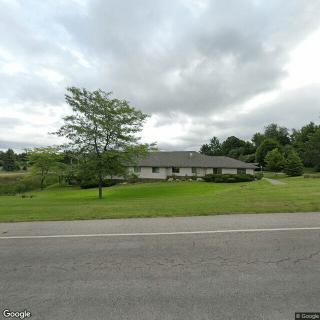
Samaritas Senior Living Traverse City
$2,735 to $4,285 / month7.1 miles away -
from +$149 / mo
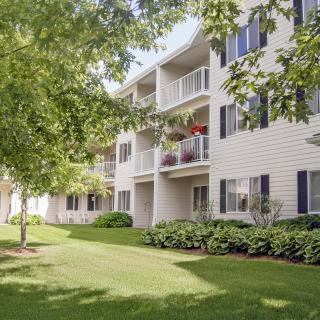
Holiday Glen Eagle
$3,149 to $5,289 / month2.2 miles away -
from +$255 / mo
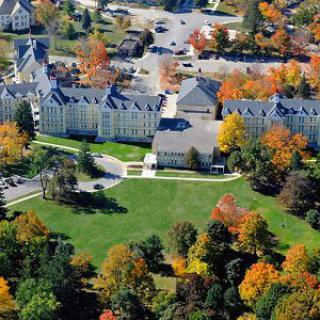
Cordia at Grand Traverse Commons
$3,255 to $5,875 / month0.4 miles away -
from +$125 / mo
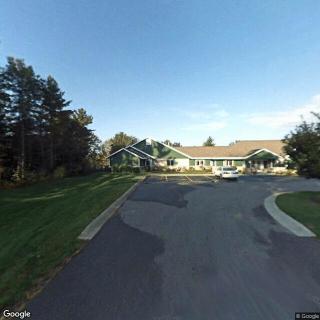
Boardman Lake Glens
$3,125 to $4,575 / month1.8 miles away -
from +$300 / mo

Traverse Manor
$3,300 to $3,600 / month3.3 miles away
Overall Review of French Manor
Pros
 The husband was treated very well during his stay, and aides went out of their way to please him and make his stay comfortable.
- The facility is warm and wonderful; the staff are caring and exceptional, the place is lovely and always clean, and they go the extra mile.
- The staff are caring and treat residents as family.
- The French Manor Terra Facility provides excellent service and excellent care with patience toward residents, and is highly recommended.
- Residents feel at home and are happy there, with staff who are nice and helpful.
- Brandon and the staff take great care of residents, giving peace of mind to families.
Cons
 The facility operates as a private group that only cares for its own family and friends, and those not related to the manager or owners are not cared about.
- The place is average at best, with a total lack of privacy and staff who cannot keep their mouths shut about residents' outings.
- It should be avoided because it delivers low quality care.
- The place is making residents sick with skin issues.
Review
French Manor in Traverse City is best suited for families seeking a warm, caregiver-first assisted living experience where staff consistently go the extra mile to make residents feel at home. The strongest case rests with seniors who value a intimate, home-like setting and a culture of patience, attentiveness, and personal touch. Across several accounts, aides and nurses are described as proactive in keeping residents comfortable, with families expressing peace of mind knowing staff are focused on daily wellbeing. The facility’s presentation, clean, well-kept, and inviting, adds to a sense of stability, and the Terra facility within the same network is praised for excellent service and patient care, signaling a proven capability to deliver that same thoughtful approach in an adjacent setting.
But there are clear reasons to consider alternatives. A thread running through the evaluations notes the operation as a private group that appears to favor care for relatives or those connected to management, raising concerns about openness and universal access. For families seeking a fully public, equally accessible environment where care is not contingent on personal connections, this aspect can be a meaningful obstacle. Several reviewers flag privacy concerns and suggest that, at times, the social dynamics within the community may not align with every family’s expectations for discretion and equitable treatment. In short, the private-group model can feel opaque to outsiders and may prompt a search for more inclusive options.
The core advantages are unmistakable. The consensus centers on staff excellence: caregivers who treat residents as family, residents who feel valued, and families who relax knowing their loved ones are tended to with kindness and diligence. The sentiment is reinforced by specific anecdotes, a husband treated with genuine attention, aides who strive to please and comfort, and staff who smile, engage, and share relevant information with families. The facility’s upkeep, consistently clean and welcoming, supports daily quality of life, making routines smoother and visits more reassuring. The Terra unit amplifies this reputation, with praise for superior service and patience, suggesting that the network’s strongest personnel and practices translate across locations.
The primary drawbacks revolve around privacy and perceived gatekeeping, and they can temper otherwise strong care. Descriptions of “total lack of privacy” and complaints about gossip or supervision behavior create a sense of unease for families who prize discretion and autonomy in a community setting. A harsh negative descriptor, an admonition to “avoid”, highlights the risk that certain experiences will clash with expectations for openness and universal access. Yet these concerns do not negate the positive experiences highlighted by many residents and families. For those who prioritize daily warmth, attentive caregiving, and a homelike atmosphere, these drawbacks may be manageable, especially when the Terra facility demonstrates the same high standards in care and engagement.
For families evaluating visits, practical questions should shape the decision. Inquire about staff-to-resident ratios, turnover, and how much day-to-day engagement comes from direct caregivers versus administrative personnel. Probe how privacy is protected during outings and within shared spaces, and ask for examples of how decisions are made when multiple family members are involved in care plans. Observe interactions during a tour: are aides consistently approachable, patient, and respectful? Request to meet frontline care staff and to understand how communications with families are maintained in real time. Clarify whether the private-group model affects admissions, continuity of care, or the availability of services for non-relatives.
In the end, French Manor is a strong contender for families who value a genuine, homey vibe and a staff-driven culture of care. It excels where personal attention, warmth, and reliable daily support matter most, and its Terra counterpart reinforces that strength across the network. However, the caveat about exclusivity and privacy means that those who demand universal accessibility, open admission, and a fully transparent operation should compare other options in Traverse City. For families who can embrace a highly caring, family-like environment while accepting some questions about openness, French Manor warrants serious consideration and a careful, in-person assessment to confirm alignment with individual care goals.
 Independent Living
 Activities off-site
 Air-conditioning
 Beautician on-site
 Devotional services on-site
 Ground floor units
 Indoor common areas
 Respite or short term stays offered
 Wheelchair accessible showers
 Wi-Fi/high-speed internet available
 Cherry Capital (3 miles away)
 Medication management
 Guest meals
 BBQs or picnics
 Birthday parties
 Day trips and outings
 Live musical performances
 Pet-focused programs
 Stretching classes
 California's Form 602A: An In-Depth Examination of Senior Care Assessment
 Comprehensive Look at Senior Blood Pressure Charts: Normal and Elevated Levels by Age
 Top Canine Companions for Older Adults