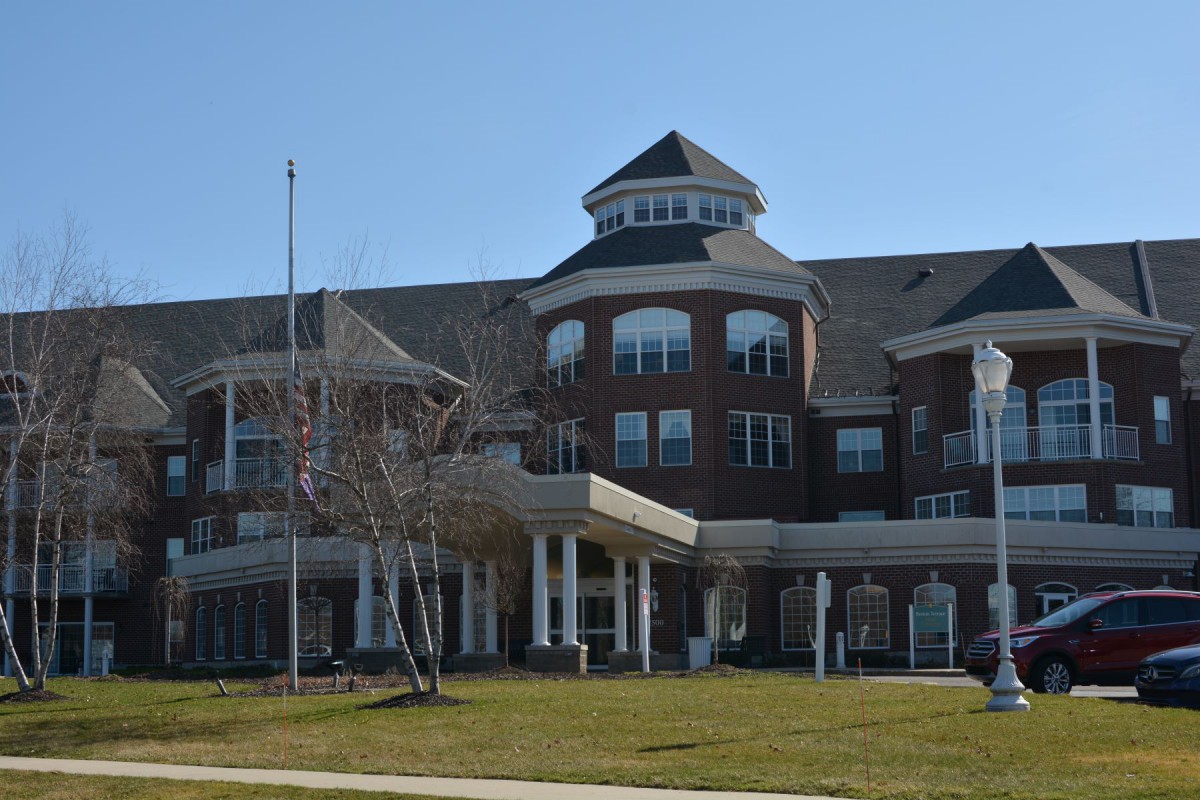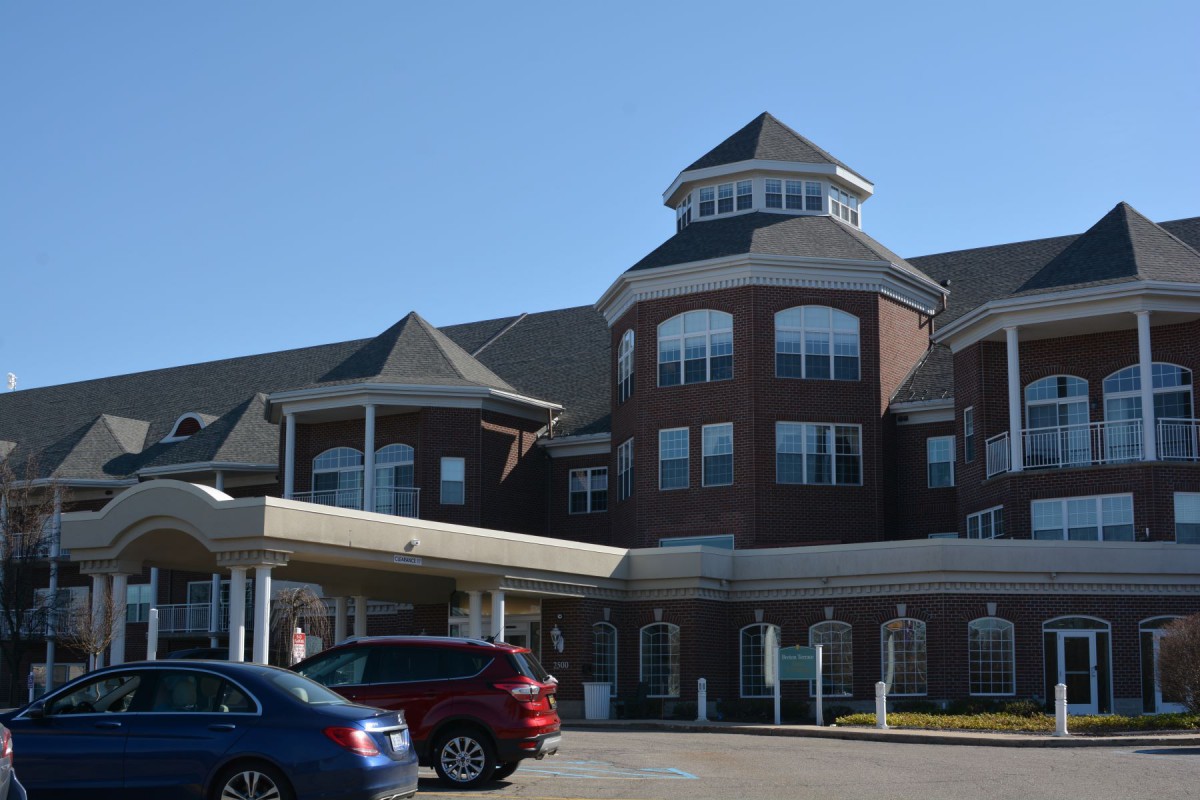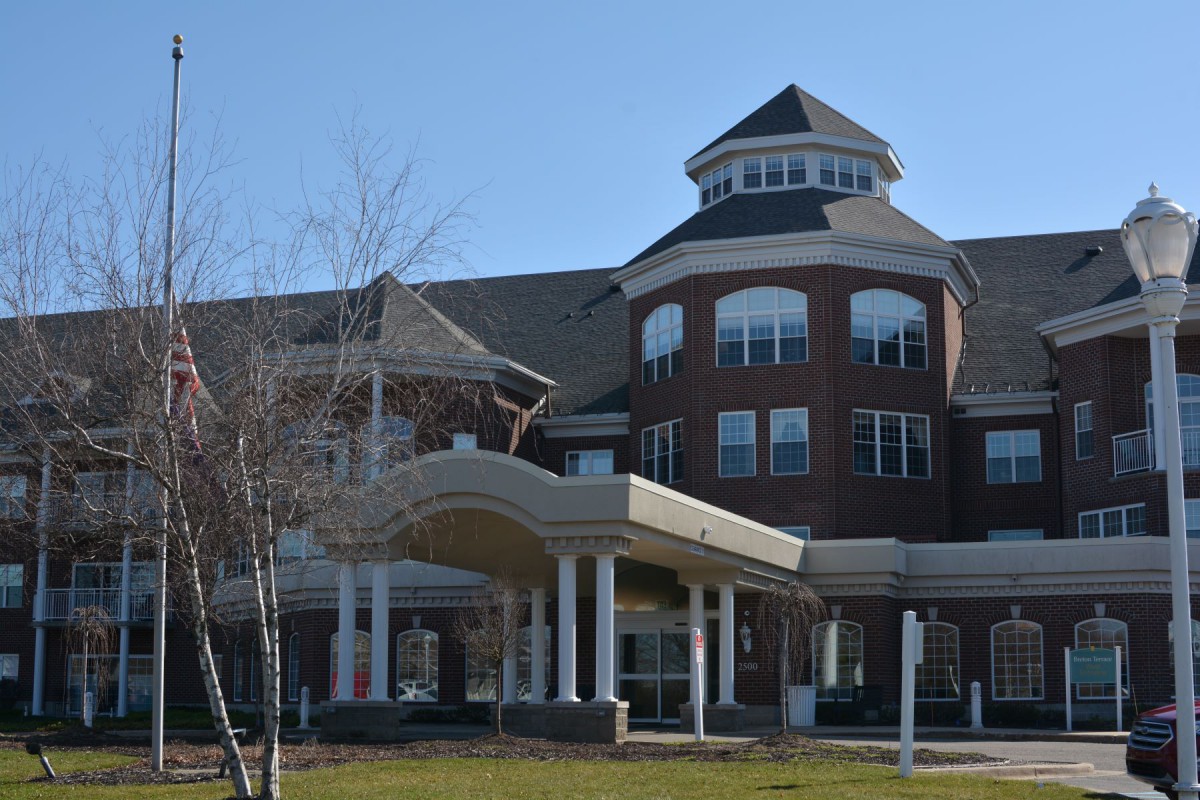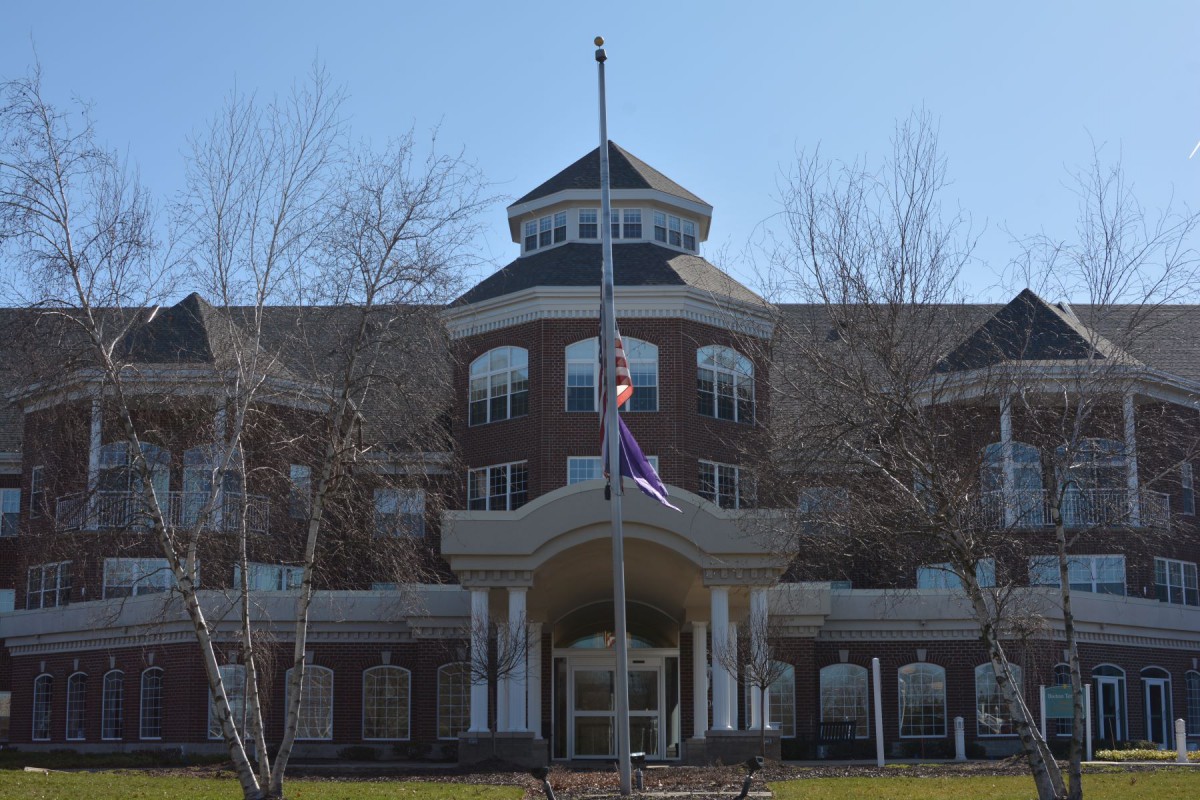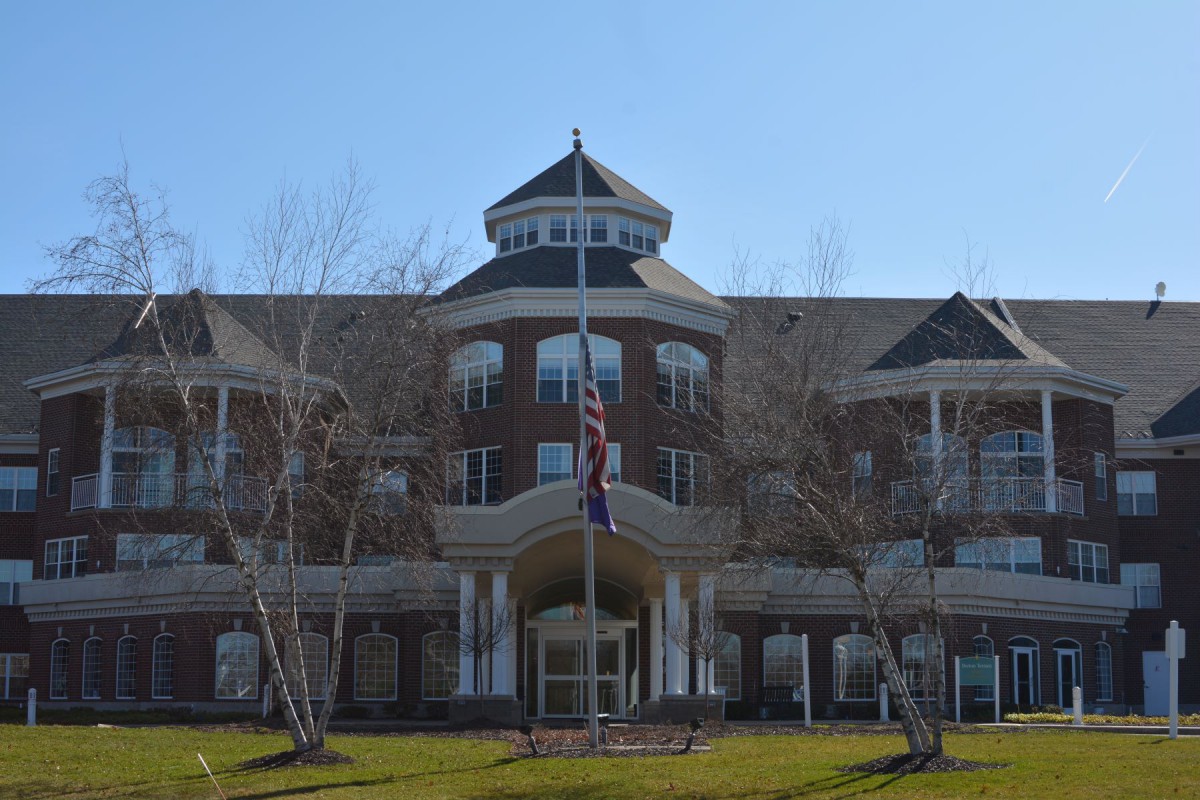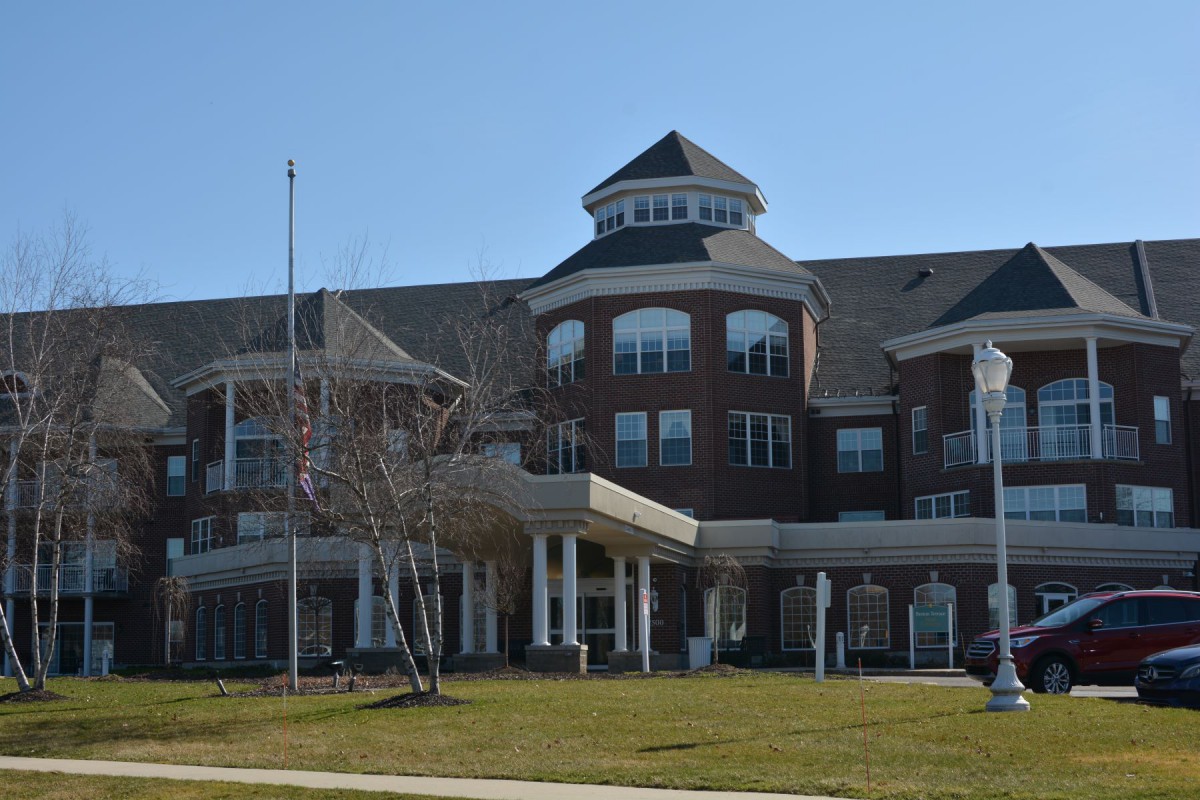



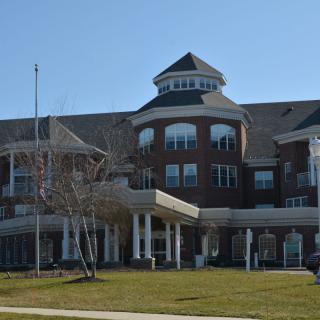

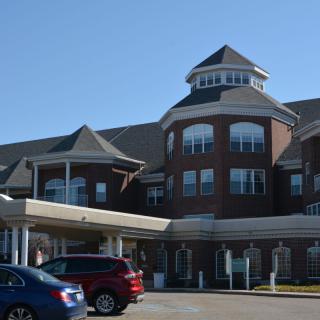
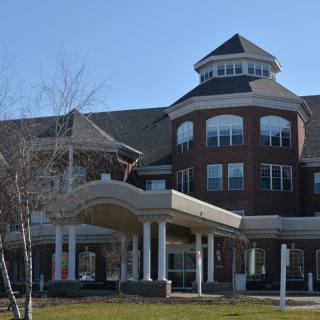

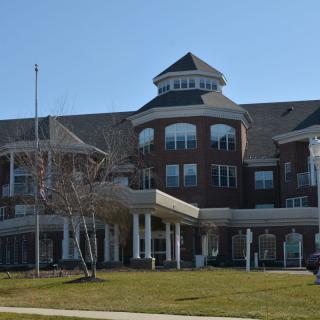
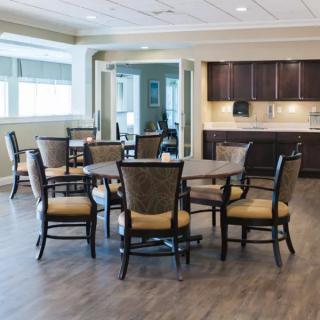


2589 44th St SE, Kentwood, MI 49512
To contact a resident: (616) 235-5003
For more information about senior living options: (866) 208-4318
Overall Review of Breton Manor
Pros
 The facilities and staff are very nice.
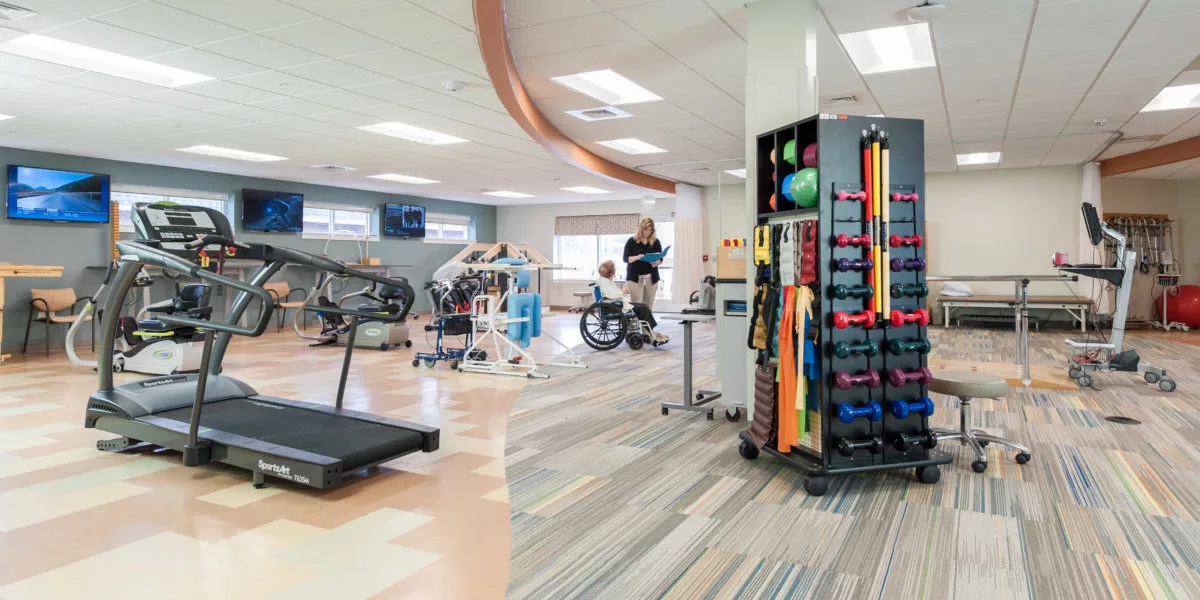
- The therapy is very good there.
- The staff are very good with residents.
- The facility accommodated in-room meals and cut up food to help with Parkinson's.
- The staff are very attentive and caring to the residents.
- All of the resident's needs were always met there.
- Visiting is very flexible.
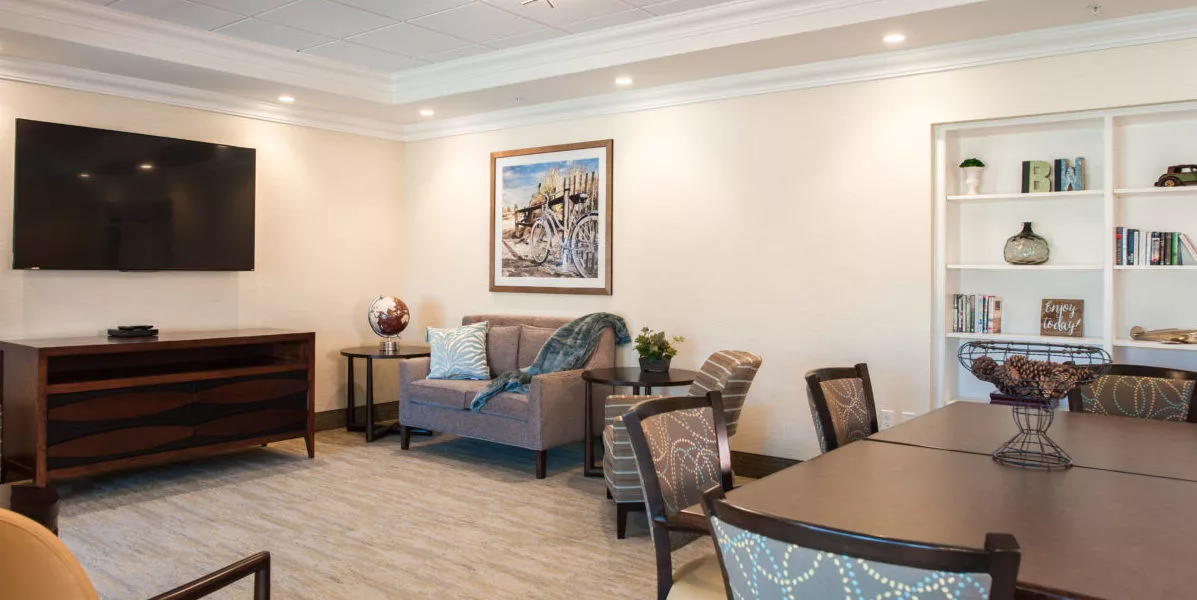
- The facility is very clean and well kept.
- Nurses and other staff keep family members updated about the resident.
- The nursing home is highly recommended by visitors.
- There is a wide range of activities for residents, and they can leave the facility for walks or time outside.
Cons
 The facility's security is inadequate.
- Personal property was stolen from a patient's room by a family member three times, with no police report filed or notification to the property owner.
- The facility appears to have no policies or procedures for dealing with theft.
- The patient had to file a police report independently of the facility.
- The patient felt uncomfortable going to the dining room.
- The patient could not put any weight on her leg for two weeks.
Review
Breton Manor in Kentwood is best suited for seniors who are navigating rehab or recoveries after injuries or surgeries and who rely on steady, attentive care to rebuild function. The reviews point to high-quality physical therapy as a core strength, with staff that address real-time needs and support mobility work and post-injury recovery. The setting is described as pleasant and well maintained, providing a calm backdrop that supports healing. For families prioritizing practical, outcome-driven care, where therapy progress and daily routines drive progress, Breton Manor offers a dependable platform to regain strength and reestablish a degree of independence.
Those who place top emphasis on security and formal incident response should consider alternatives or push for concrete protections before admission. A significant drawback appears in the area of safety policies: personal property was stolen from a resident’s room by a family member on multiple occasions, and no police report was filed or notification provided to the owner. The facility reportedly lacks clear policies or procedures for handling such incidents, which leaves residents and families vulnerable and creates a trust gap that cannot be ignored. For families that want airtight risk management and documented incident handling, Breton Manor demands careful scrutiny or a different option.
The strongest appeal of Breton Manor is the therapy and daily care framework. The therapy program is described as very good, with therapists who actively support the resident’s recovery goals after fractures and knee trauma. Staff are portrayed as genuinely attentive to individual needs, and the care plan appears to adapt to challenges such as Parkinson’s-related feeding difficulties, with meals prepared accordingly. The overall environment, clean, well kept, and organized around rehabilitation, helps residents stay engaged in treatment and maintain momentum toward independence, a crucial factor for families weighing post-acute care.
The main caveat is the security shortfalls, which can overshadow otherwise solid care if personal belongings and safe conduct are a priority. The absence of formal procedures to prevent or address property theft undermines confidence, especially for families with valuables or for residents who may rely on visiting relatives. This gap is not simply a minor irritation; it represents a real, ongoing risk that can influence decisions about long-term placement. Prospective residents must weigh whether the current risk management stance is acceptable or whether a facility with stronger, clearly documented protections is necessary.
When the positives outweigh the negatives, Breton Manor remains a compelling pick for rehab-focused care, but with conditions. The therapy and daily caregiving quality can deliver meaningful recovery outcomes, and the facility’s environment supports consistent routines and personal attention. To make a confident decision, families should insist on concrete security enhancements before move-in and request a transparent, written incident-response policy. Questions to ask include what security measures exist (locks, monitored access, room safes), how thefts are reported and investigated, whether police are notified automatically, and how staff training addresses safeguarding residents’ belongings. If these safeguards cannot be guaranteed, alternatives with proven incident-management may be worth pursuing.
In short, Breton Manor is a practical, capable option for short-term and transitional rehab with strong therapeutic potential and a caring staff. It becomes less attractive for families where safeguarding personal property and reliable incident handling are nonnegotiable. The decision hinge lies in securing clear protections around theft risk and ensuring a formal, enforceable policy for incident reporting. If those protections can be documented and trusted, Breton Manor can serve as a solid, recovery-focused community; if not, families should look closely at other Kentwood options that foreground security and procedural rigor.
 Skilled Nursing Facility
 Kent County International (4 miles away)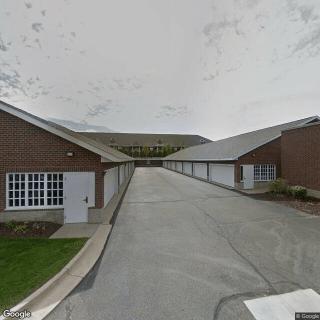




 Highly Beneficial Low-Impact Exercises for Senior Living Residents
 Is In-Home Healthcare Tax Deductible? Your Comprehensive Guide
 Nurturing Well-Being Through Gardening: A Detailed Guide for Senior Enthusiasts