
535 North Main, Clawson, MI 48017
For more information about senior living options: (866) 208-4318
Overall Review of Cambridge North Healthcare Center
Pros
 The staff at Cambridge North are nice and friendly and provide great care.
- The rehab services at Cambridge North were very good.
- The facility is clean, with rooms that include flat-screen TVs and pleasant, caring staff.
- The administrator provides after-hours contact information for questions.
- Cambridge North's central location near major hospitals is a plus for families.
- The staff are caring and hardworking, devoted to helping all patients.
- The building is clean and well-maintained, with housekeeping keeping it in good condition.
- There are many activities, including art, bingo, and music, that engage residents.
- The CENAs and nurses cooperate well with visiting medical staff to ensure coordinated care.
Cons
 The facility has been a HORRIBLE experience with constant neglect and insufficient care.
- There is an awful lack of communication; it is nearly impossible to get a straight answer.
- Residents have been sent to the hospital multiple times due to neglect.
- The building is old and dated, with rooms that are small and unappealing.
- The center often smells like urine and is not well maintained.
- Staffing is frequently short, leading to slow responses to call lights and inadequate assistance.
- Visitors are treated as intruders and the billing department is unresponsive.
- Overall, Cambridge North is not a happy place.
Review
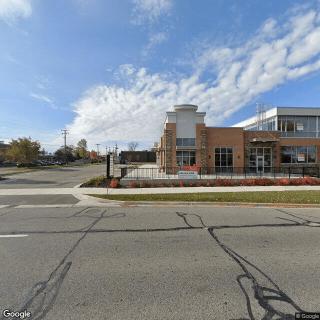
Cambridge North Healthcare Center in Clawson is best suited for families pursuing practical, short-term rehabilitation in an older but clean facility where proximity to major hospitals is a concrete plus. The center sits in the heart of downtown Clawson, a factor that makes visits straightforward for caregivers and physicians alike. Reviewers repeatedly point to solid rehabilitation services and a staff that can be attentive, cooperative, and responsive when care plans are in place. The building shows its age, rooms are compact and dated, but cleanliness and routine housekeeping are regularly cited as strengths. For families prioritizing timely access to therapy and an environment where visitors can connect with loved ones without long commutes, Cambridge North covers foundational needs reliably.
Where Cambridge North falters and where alternatives should be considered are for residents requiring consistent, high-level oversight over a long term. Several reviews describe neglect, with instances of bed mobility, feeding, and personal hygiene left insufficiently addressed; communication with families is repeatedly criticized, and call lights sometimes go unanswered. Odor issues and an aging infrastructure contribute to a less cheerful atmosphere, especially for those who expect modern amenities or a more uplifting environment. Long-term stability also appears fragile in the eyes of some families, given staff turnover and mixed experiences with billing and administration. For dementia care, memory support, or highly coordinated 24/7 oversight, families may want to compare other campuses with stronger reputations in those areas.
On the upside, the strongest redeeming factors are rehabilitation outcomes and daily care responsiveness when staff are engaged. Several reviewers highlight effective physical and occupational therapy and a staff that genuinely shows care and cooperation with external teams, including hospice providers. The center’s central location near major hospitals makes emergencies and follow-ups easier to coordinate, and some visitors note that activities exist and that staff try to keep residents involved. In short, when therapy goals align with resident needs and the care team is stable, Cambridge North can deliver meaningful recovery and daily assistance that families rely on during a difficult transition.
Yet those positives must be weighed against persistent downsides. The most troubling threads in the feedback are reports of neglect and inconsistent communication that lead to hospitalizations or unnecessary risk. Understaffing clouds call-light responsiveness, bathing and feeding routines, and even basic mobility, which undermines the sense of safety for residents and confidence for families. The environment itself, while clean, feels dated and sometimes clinical, with small rooms and limited dining areas that can dampen mood for longer stays. Revenue and administration concerns, including billing difficulties and turnover, further complicate the overall reliability for long-term expectations. These are not minor annoyances; they are meaningful determinants of daily quality-of-life.
For families considering Cambridge North, a disciplined due-diligence plan yields the clearest answer. Ask to tour actual living spaces and rehab gyms, observe call-light response during peak hours, and speak with frontline CNAs about their day-to-day workflows. Request a detailed staffing schedule to understand nurse and aide coverage, and probe how therapy plans are integrated with family goals. Clarify meal options and the dining experience beyond the main kitchen language, and review activity calendars to gauge evening and weekend opportunities. Finally, examine the billing process and any ancillary charges, along with dementia- or memory-care capabilities. A candid discussion with the administrator about expectations helps separate genuine strengths from misalignments with resident needs.
Overall, Cambridge North Healthcare Center offers a practical option for short-term rehabilitation in a central, hospital-adjacent setting, where a caring staff and tangible therapy outcomes can make a real difference. It is a sensible choice for families who value easy visits, basic cleanliness, and a rehabilitation-focused plan that aims to rebuild mobility and independence. For those prioritizing long-term comfort, predictability, and a consistently warm environment, alternative communities with stronger staffing stability, modern amenities, and clearer communication protocols should be evaluated. The right fit hinges on aligning care goals with what the center reliably delivers: solid rehab services and attentive caregivers when the facility is well-staffed, versus a long-term living environment that demands more robust daily oversight and a consistently uplifting atmosphere.
 120 resident community capacity
 Skilled Nursing Facility
 Air-conditioning
 Beauty salon
 Cable or satellite TV
 Computer center
 Dining room
 Fitness room
 Fully furnished
 Gaming room
 Garden
 Housekeeping services
 Kitchenette
 Move-in coordination
 Outdoor space
 Private bathrooms
 Restaurant-style dining
 Small library
 Telephone
 Wellness center
 Wi-Fi/high-speed internet available
 Detroit Metropolitan-Wayne County (25 miles away)
 Community operated transportation
 12-16 hour nursing
 24-hour call system
 Activities of daily living assistance
 Assistance with bathing
 Assistance with dressing
 Assistance with transfers
 Diabetes diet
 Medication management
 Mental wellness program
 Special dietary restrictions
 Concierge services
 Planned day trips

 Understanding the Nuances of Palliative Care and Hospice: A Comprehensive Exploration
 Fecal Incontinence in Older Adults: A Comprehensive Guide
 Nurturing Well-Being Through Gardening: A Detailed Guide for Senior Enthusiasts