Eden House offers a competitive pricing structure for its accommodations compared to the broader market in Oakland County and across Michigan. For semi-private rooms, Eden House is priced at $3,500 per month, which is slightly above the county's average of $3,204 and the state's average of $3,191. Its private and one-bedroom options are priced at $4,000 each, aligning closely with Oakland County's rate of $3,708 but notably higher than Michigan's statewide average of $3,675 for private rooms and $3,384 for one-bedrooms. While Eden House may sit at a premium within these categories, potential residents should consider not only the costs but also the quality of life and services offered that can make such an investment worthwhile.
Floor plans
Eden House
Oakland County
Michigan
Semi-Private
$3,500
$3,204
$3,189
Private
$4,000
$3,708
$3,674
1 Bedroom
$4,000
$3,507
$3,384
Memory care communities with a similar price nearby
Residents and families repeatedly describe attentive, caring caregivers who communicate clearly.
Across reviews, families emphasize that caregivers treat residents with dignity and keep them comfortable, whether someone is receiving daily personal care or needing additional help as needs change. Many reviews also highlight how quickly staff respond and how families feel informed, including updates and being reachable when questions come up. Several comments contrast the experience favorably with larger facilities or prior situations where families had to do more check-ins themselves.
common10 reviews mention this
Home-cooked meals stand out
Residents frequently mention home-cooked, nourishing meals as part of day-to-day comfort.
Multiple reviews mention home-cooked food and meals served with care, often described as nutritious and well prepared. Some families also mention tailoring food to specific needs, while others simply call the meals a highlight. While one reviewer says the food could be better, the overall tone about dining is positive.
differentiator8 reviews mention this
Dementia support is a key fit
Families looking for dementia care describe Eden House as a supportive, well-managed environment.
Several reviews focus on caring for relatives with Alzheimer’s or dementia, including end-stage needs and higher-risk situations as mobility declined. Families describe caregivers as attentive to comfort, safety, and day-to-day wellbeing, and they often say the staff communicated well while providing consistent personal support. The reviews also describe the setting and routines as feeling more like a home than a traditional facility.
caveat2 reviews mention this
Activities feel limited for some residents
Some families wished there were more entertainment or activities.
A couple of reviews raise concerns that there is not much to do beyond time spent in front of the TV. One reviewer also notes that their loved one might be past the point where activities matter most, but still calls out the lack as the main gap. Another comment suggests residents did not appear to get out much during a visit or tour.
caveat2 reviews mention this
Pricing sits around the local market
Price ranges vary by unit type and are often near the county and state averages.
Pricing is presented as a range of $3,500 to $4,000, with differences by unit type. Semi-private pricing is shown above both county and state, while private units are shown slightly below both. One-bedroom units are shown near county and somewhat above state in the provided comparison.
How we summarize
Counts show how many written reviews mention each theme; a review can touch several themes, and only frequently mentioned themes are displayed.
Features
Housing
6 resident community capacity
Types of Care
Assisted Living
Board and Care Home
Memory Care
Respite Care
Amenities
Cable or satellite TV
Dining room
Fully furnished
Garden
Housekeeping services
Move-in coordination
Outdoor space
Private
Telephone
Wi-Fi/high-speed internet available
Care Services
24-hour supervision
Activities of daily living assistance
Ambulatory care
Assistance with bathing
Assistance with dressing
Assistance with transfers
Coordination with health care providers
Dementia waiver
Diabetes diet
Hospice waiver
Incontinence care
Meal preparation and service
Medication management
Mental wellness program
Mild cognitive impairment
Special dietary restrictions
Specialized memory care programming
Transportation arrangement (medical)
Transportation to doctors appointments
Dining
Diabetes diet
Special dietary restrictions
Activities
Community-sponsored activities
Scheduled daily activities
Nearby Places of Interest
Located in Troy, Michigan, this neighborhood offers a wide range of amenities and services for seniors looking to settle down in a vibrant community. With several theaters nearby, including the MJR Troy Grand Digital Cinema 16 and the AMC Star John R 15, seniors can enjoy movie nights out with friends or family. There are also plenty of dining options, from casual spots like Pita Way - Troy to upscale restaurants like Fogo de Chão Brazilian Steakhouse. For those who enjoy nature, there are several parks within a short distance, such as Clawson Park and Starr Jaycee Park, perfect for leisurely walks or picnics. Additionally, there are various pharmacies and medical centers nearby for convenient healthcare access. Overall, this area offers a mix of entertainment, dining, and healthcare options for seniors seeking a comfortable and lively neighborhood to call home.
Eden House offers a competitive pricing structure for its accommodations compared to the broader market in Oakland County and across Michigan. For semi-private rooms, Eden House is priced at $3,500 per month, which is slightly above the county's average of $3,204 and the state's average of $3,191. Its private and one-bedroom options are priced at $4,000 each, aligning closely with Oakland County's rate of $3,708 but notably higher than Michigan's statewide average of $3,675 for private rooms and $3,384 for one-bedrooms. While Eden House may sit at a premium within these categories, potential residents should consider not only the costs but also the quality of life and services offered that can make such an investment worthwhile.
Eden House's comprehensive array of services is designed to support residents at various stages of dementia and Alzheimer's, fostering both comfort and dignity in their daily lives. Assistance with dressing and bathing promotes personal hygiene and self-esteem, while medication management ensures that residents receive necessary treatments accurately and on time. Meal preparation tailored to dietary needs not only addresses nutritional requirements but also enhances the dining experience, encouraging social interaction during mealtimes. Transportation arrangements for medical appointments facilitate access to essential healthcare services, complemented by coordination with health care providers to maintain continuity of care. The support for activities of daily living, including transfers and incontinence care, significantly eases the physical challenges faced by residents. Around-the-clock supervision provides safety and reassurance, while specialized programming and a mental wellness initiative cater specifically to cognitive needs. Together, these features create a nurturing environment that prioritizes the well-being and quality of life for those facing cognitive decline.
Nearby Communities
Brightstar Care Home Care Troy
Troy, MI
4.2 from 26 reviews
Personalized care with easy access to nearby amenities (cafes, parks, pharmacies, physicians, restaurants, worship, and theaters).
HomeWell Care Services - Troy, MI
Troy, MI
4.5 from 71 reviews
Strong caregiver-personality matching with attentive follow-through.
Vanderpool AFC
Troy, MI
4 from 2 reviews
$2,500 to $3,000 / month
Warm, family-like atmosphere with an on-site caring couple and a large fenced backyard.
Golden Pines Senior Living
Troy, MI
5 from 5 reviews
Intimate, small-community setting with comprehensive care and amenities.
Cambridge North Healthcare Center
Clawson, MI
3.3 from 15 reviews
Friendly, caring staff with effective rehab in a clean, well-maintained facility.
Anthology Of Troy
Troy, MI
4.4 from 103 reviews
$4,940 to $7,180 / month
Beautiful, well-equipped community with engaging activities and solid therapy services.
ExpertCare Management Services
Troy, MI
3.2 from 37 reviews
Strong commitment to finding the right caregiver, improving the loved one's comfort and independence.
920 On The Park
Troy, MI
3.7 from 38 reviews
$863 to $883 / month
Affordable value with engaging activities in a well-maintained setting.
Oakmont Sterling
Sterling Heights, MI
4.2 from 27 reviews
$2,815 to $3,815 / month
Homey, well-maintained environment with friendly staff, engaging activities, and good value for the price.
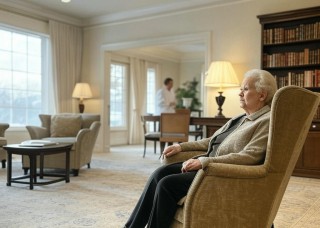
Dementia, primarily caused by Alzheimer's disease but also linked to other conditions, leads to cognitive decline impacting memory and daily functioning, with individuals experiencing varied awareness of their impairments. Despite memory loss, emotional connections persist, enabling responses to familiar stimuli, highlighting the need for caregivers to provide compassionate support that recognizes both limitations and retained emotional depth.
The article presents five subtle indicators of dementia, such as memory lapses and mood swings, to help families assess cognitive decline in loved ones. It emphasizes early detection, open communication, and seeking professional help while providing practical support steps.
Dementia encompasses progressive neurological disorders that impair cognitive functions and can lead to paranoia due to cognitive decline and emotional changes. The article discusses the triggers of paranoia in dementia, caregiver strategies for managing it, and the importance of distinguishing between dementia-related paranoia and other psychiatric conditions.
Get PricingAsk A QuestionSchedule A TourContact Senior Advisor
By clicking submit, you agree to our Partner's Terms of Use. You
also consent to receive calls and texts, which may be autodialed, from our Partner. Your consent is not a condition to
using our Partner's service. Please visit our Partner's Privacy Policy for information about their privacy practices.

 6 resident community capacity
 Assisted Living
 Board and Care Home
 Memory Care
 Respite Care
 Cable or satellite TV
 Dining room
 Fully furnished
 Garden
 Housekeeping services
 Move-in coordination
 Outdoor space
 Private
 Telephone
 Wi-Fi/high-speed internet available
 24-hour supervision
 Activities of daily living assistance
 Ambulatory care
 Assistance with bathing
 Assistance with dressing
 Assistance with transfers
 Diabetes diet
 Hospice waiver
 Incontinence care
 Meal preparation and service
 Medication management
 Mental wellness program
 Special dietary restrictions
 Transportation arrangement (medical)
 Transportation to doctors appointments
 Personalized care with easy access to nearby amenities (cafes, parks, pharmacies, physicians, restaurants, worship, and theaters).


 Delving into the Inner World of Dementia: Insights into Thoughts and Awareness
 Five Subtle Dementia Indicators to Observe: An In-Depth Guide to Understanding “Does My Mom Have Dementia?”
 Dementia, Paranoia, and Caregiver Guidance: Understanding the Connection