
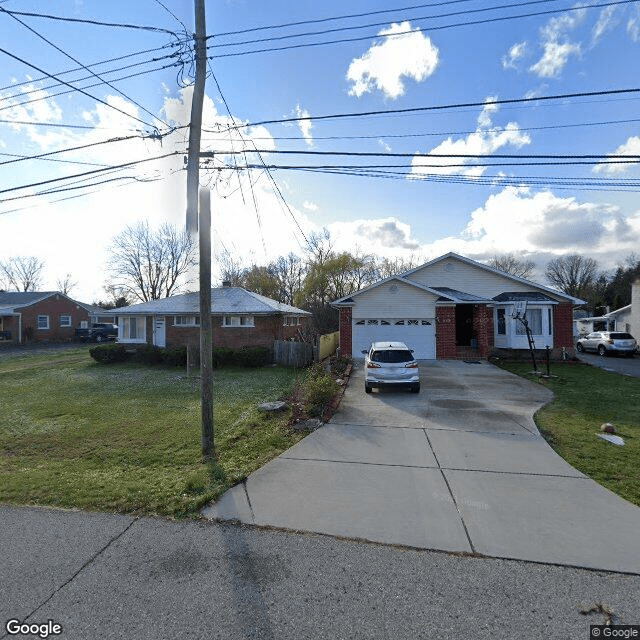
856 Vanderpool, Troy, MI 48083
To contact a resident: (248) 524-4858
For more information about senior living options: (866) 208-4318
Vanderpool AFC Costs & Pricing
Vanderpool AFC offers competitive pricing for its accommodations compared to both Oakland County and the broader state of Michigan. For private rooms, Vanderpool AFC charges $2,500 per month, which is significantly lower than the county average of $3,708 and the state average of $3,675. Similarly, their semi-private rooms are priced at $3,000 monthly, also undercutting the county's rate of $3,204 and the state's figure of $3,191. This pricing structure positions Vanderpool AFC as an appealing option for individuals seeking quality care without the excessive costs typically associated with similar facilities in the area.
| Floor plans | Vanderpool AFC | Oakland County | Michigan |
|---|---|---|---|
| Private | $2,500 | $3,708 | $3,674 |
| Semi-Private | $3,000 | $3,204 | $3,189 |
Senior living communities with a similar price nearby
-
from -$305 / mo

Simply Beautiful Adult Foster Care Homes
$2,195 to $4,100 / month7.9 miles away -
from +$100 / mo
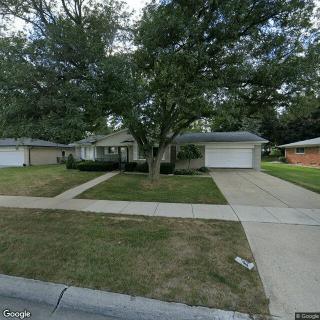
Angelic Foster Care
$2,600 to $3,380 / month6.9 miles away -
About the same

Oakmont Manor
$2,455 to $2,780 / month3.0 miles away -
from +$200 / mo
Home Helpers and Direct Link
$2,700 to $3,000 / month16.1 miles away -
from -$225 / mo
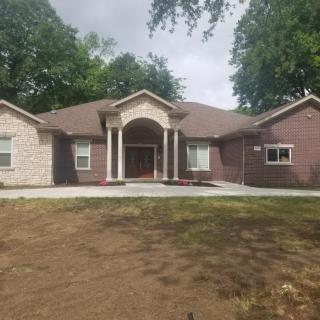
Pleasant Valley Family Care
$2,275 to $7,000 / month11.3 miles away
Overall Review of Vanderpool AFC
Pros
 They seem very caring.
- The older couple living on site appears warm and attentive.
- The home features a large, fenced-in backyard.
- The on-site couple contributes to a welcoming atmosphere.
Review
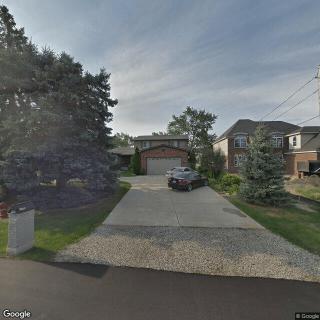
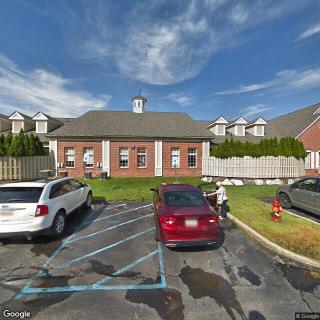
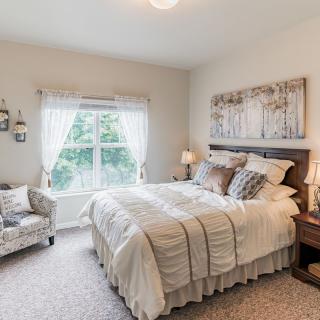
Vanderpool AFC in Troy, MI is best suited for seniors who crave a truly home-like, intimate environment where care comes from people who live on site and know residents by name. The setting reads as a lived-in home rather than a campus, with an older couple directly present to supervise daily life. For someone who prioritizes warmth, personal attention, and a straightforward, predictable routine over formal programs or large-scale amenities, this community offers a level of comfort and trust that larger facilities often struggle to match. The large fenced backyard adds a practical, appealing dimension: safe outdoor time without the need for navigating a busy, impersonal setting.
Those evaluating Vanderpool AFC should consider alternatives if higher-level medical oversight or more extensive programming are non-negotiable. If 24/7 licensed clinical support, regular nurse visits, memory-care protocols, or structured social calendars are essential, a larger assisted living community or memory care residence may be a more suitable fit. Families seeking extensive transportation services, diversified activity options, or a setting with fewer privacy compromises might also want options beyond a two-person-on-site care model. In short, this is not a facility for residents who require formal, hospital-grade supports or a broad menu of scheduled programs.
The strongest pros center on the human touch and the comfort of the home. Caregivers living on site tend to respond quickly and naturally to daily needs, which translates into a calmer, more personalized caregiving rhythm. The “older home” ambiance contributes to a sense of familiarity and continuity, reducing the stress often associated with moving into an institution. The presence of an engaged, caring couple in the house can translate into steady companionship, flexible routines, and a feeling that residents are valued as members of a small household rather than anonymous tenants in a larger building. The fenced yard is not merely a feature; it’s a practical asset that supports safe strolls and independent time outdoors.
Where Vanderpool AFC may fall short is in the breadth and depth of services typically expected in assisted living. The small, two-adult caregiving dynamic implies limited staff coverage and a narrower range of daily activities and medical supports than larger communities. Prospective residents should verify licensing specifics, backup plans if either caregiver is ill or needs a day off, and what level of professional oversight exists beyond the live-in caregivers. Details about meal variety, housekeeping frequency, medication management, mobility assistance, and access to on-call health professionals are essential to understand before committing. Privacy considerations, while not explicit in reviews, are a natural question in a home setting where residents share a living space with the primary caregivers.
The key to Vanderpool AFC’s value proposition is anchored in its intimate scale and genuine care, which can offset some gaps by delivering security through visibility and everyday consistency. For families who can stay closely involved, this model invites clear communication, rapid adjustments to routines, and a sense of belonging in a small household. The care approach works best when expectations align with available services: steady companionship, help with daily tasks, and a safe, familiar environment. If these are prioritized, the potential drawbacks become manageable tradeoffs rather than deal-breakers.
In making a decision, families should approach Vanderpool AFC with a clear checklist: visit to observe daily interactions, inquire about licensing status and staffing backups, map out a typical day for residents, and request examples of meal plans and activity options. Ask how emergencies are handled, what medical supports are available on short notice, and how transportation to appointments is arranged if needed. Compare these findings to larger, more hands-off facilities that offer broader programming. For residents who want a warm, hands-on home environment and for whom professional medical intensity is not a daily demand, Vanderpool AFC presents a compelling, practical fit. For others with higher care or program needs, alternatives will likely deliver greater peace of mind.
 Board and Care Home
 Activities off-site
 Bath tubs
 Beautician on-site
 Devotional services on-site
 Indoor common areas
 Outdoor common areas
 Private
 Private bathrooms
 Respite or short term stays offered
 Wheelchair accessible showers
 Ambulatory care
 Diabetic care
 Incontinence care
 Kosher
 Christian services


 6 Crucial Ways an Elder Law Attorney Assists Families
 Navigating the Tax Landscape of Caregiving: Credits, Deductions, and Beyond
 Highly Beneficial Low-Impact Exercises for Senior Living Residents